DbcultAccessing Vault...
5.3/10
Senior Film Conservator
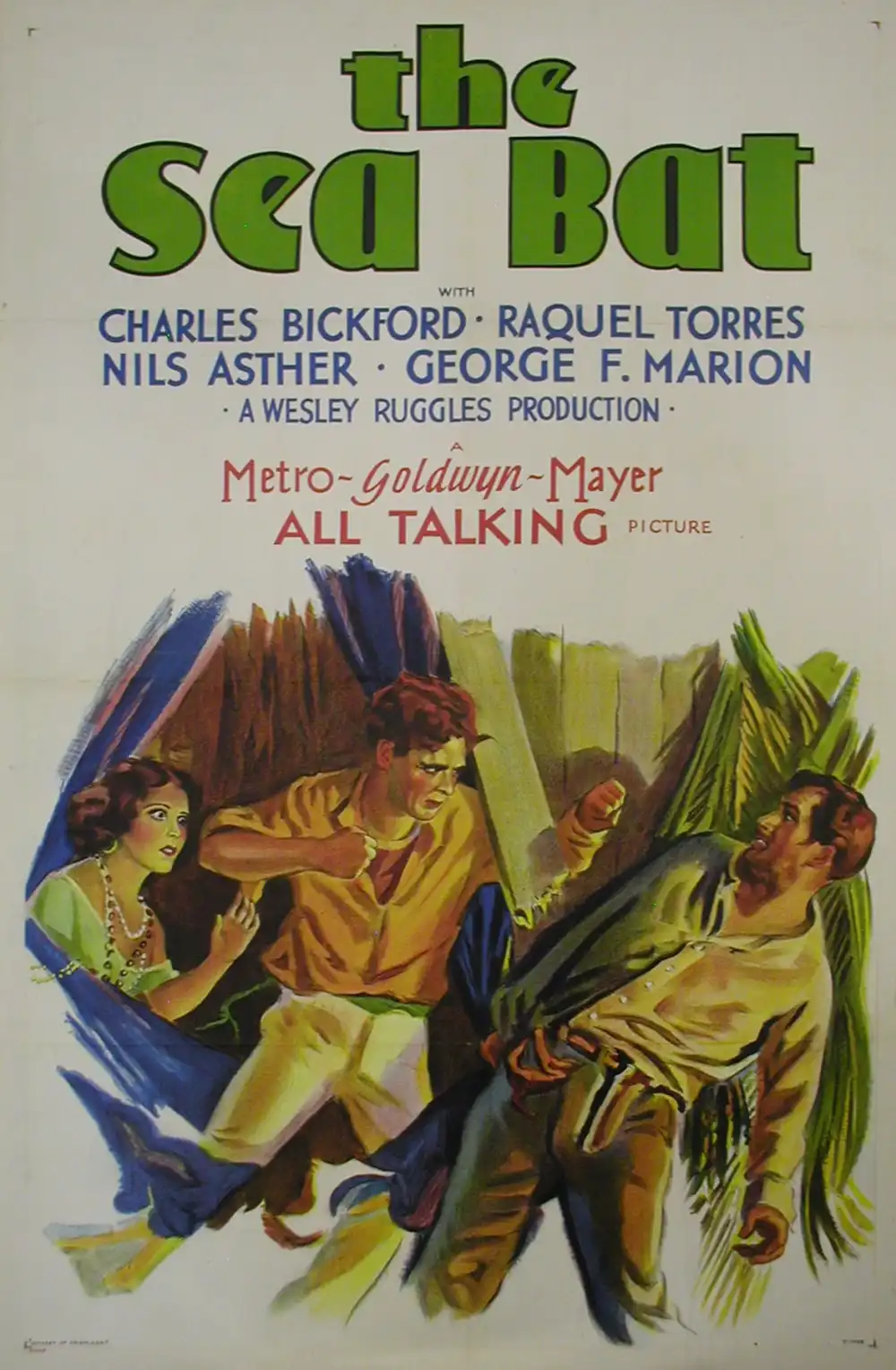
A definitive 5.3/10 rating for a film that redefined the boundaries of cult cinema. The Sea Bat remains a cornerstone of transgressive art.
Alright, so The Sea Bat, from 1930. Is it worth checking out today? Yeah, if you're into those old black-and-white films, especially ones with a bit of a creature-feature vibe mixed with a mystery. Folks who appreciate early sound pictures and don't mind a slower pace will probably get a kick out of it. If you're looking for modern CGI scares or snappy dialogue, you’re gonna be bored, *real* quick.
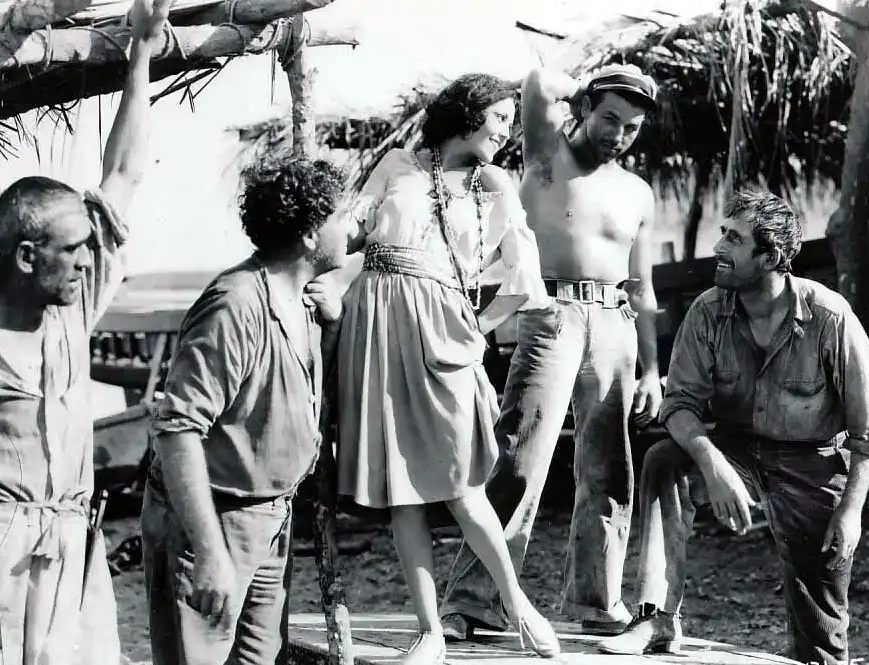
The movie drops us right into Portuga, a West Indies island all about sponge diving. It feels pretty authentic, you know, the hustle and bustle of the divers. But there’s this huge manta ray, the 'sea bat', lurking in the best spots. It’s a bit of a local legend, a real menace. 🦇
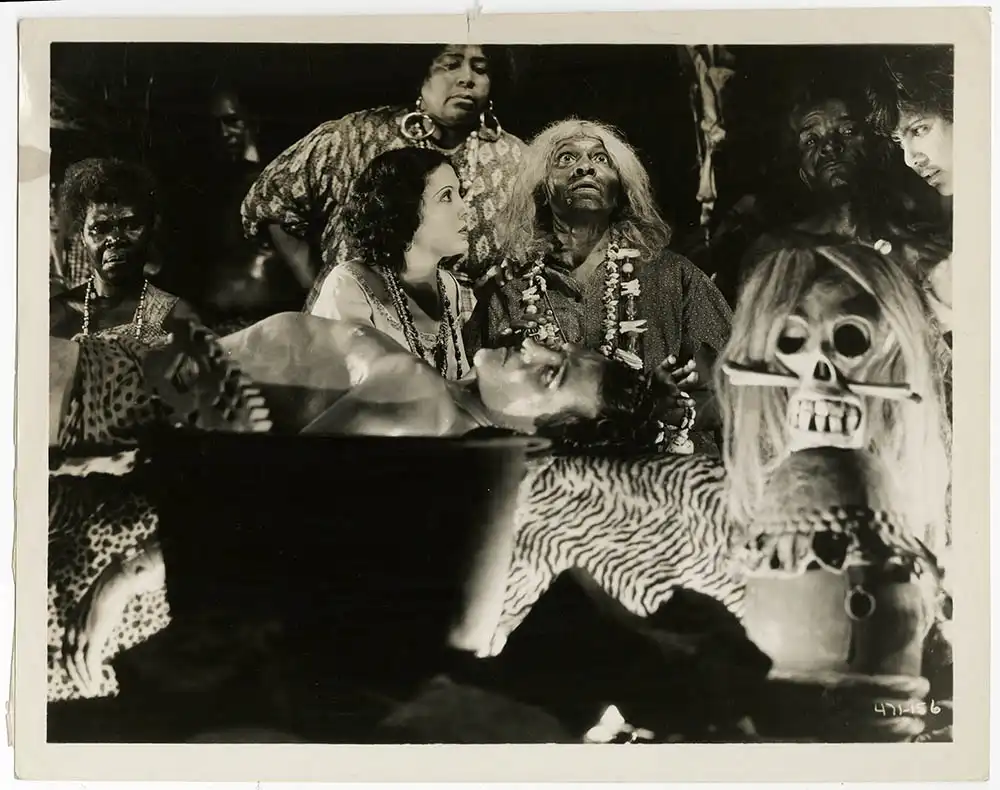
Right away, Nina (Raquel Torres) loses her brother to this creature. It’s pretty sad, her grief feels pretty raw. Then this minister, played by Nils Asther, shows up and starts comforting her. He's got this *really* slick charm, maybe a little too much.
The whole minister thing, it gets strange fast. He’s oddly fascinated by an old poster offering a reward for an escaped convict. You just *know* somethings up, you do. It’s not subtle, but it works for the era.
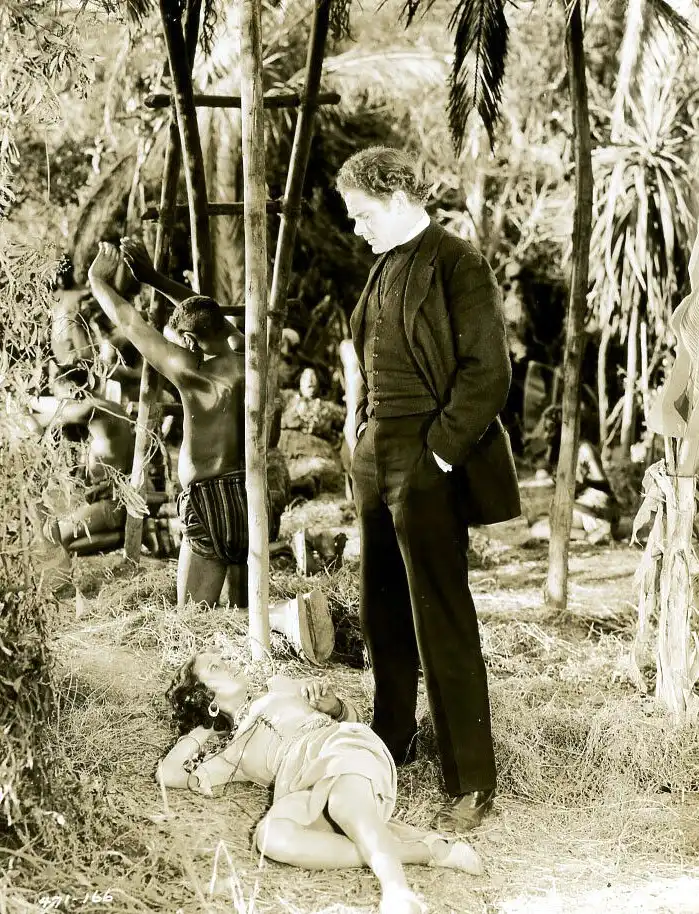
More deaths keep happening, and everyone blames the sea bat. But you’re sitting there, watching, thinking, 'Come on, really?' It’s not just a big fish doing all this. The human element starts to overshadow the creature stuff pretty quickly, which I didn't quite expect.
The actual 'sea bat' itself is... well, it’s 1930. It’s mostly just the idea of it, or a quick shot of something vaguely manta-ray shaped darting through the water. It’s more effective in the dialogue, when people are talking about its size or its shadowy presence. That’s where the real scare is.
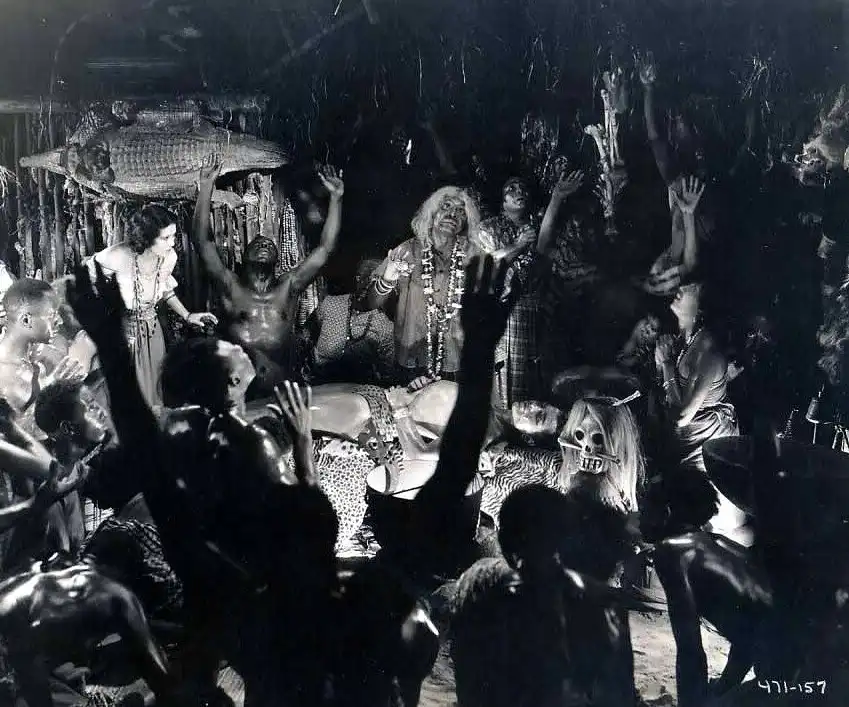
There's a scene early on with a bunch of divers, all yelling and moving around the boats. It gives a good sense of their tight-knit community, then the tension hits when one of them doesn't come back up. The way the others react, it’s *pretty stark*.
And Boris Karloff is in this! He plays a character named Dr. Schmidt. He's not the main villain or anything big, but his presence, even in a supporting role, adds a layer of quiet menace. You just expect him to do something sinister, even when he’s just standing there. It's pre-Frankenstein Karloff, so he's still honing that iconic screen persona. He doesn't say a ton, but his eyes, they tell a story.

The movie gets noticeably better once it leans into the mystery of the minister. You spend less time worrying about the fish and more time trying to figure out what *he’s* hiding. Nina’s struggle with her feelings for him, even as she suspects him, is the real draw. It’s a classic setup: forbidden love and suspicion.
One reaction shot of Nina, after a particular revelation, lingers for what feels like ages. She’s just staring, and you can practically hear her mind racing. It’s effective, but also, it goes on about 5 seconds too long, and you start to wonder if the editor just forgot to cut. 🤷♀️
The ending ties things up in a way that feels a little too neat, almost like they had to rush to finish it. But the journey there, with the blend of island life, the creature threat, and the human villainy, is quite compelling for an early talkie. It’s got that raw, experimental feel that makes these older films interesting.

IMDb —
1917
Community
Log in to comment.