DbcultAccessing Vault...
Cult Review
Senior Film Conservator
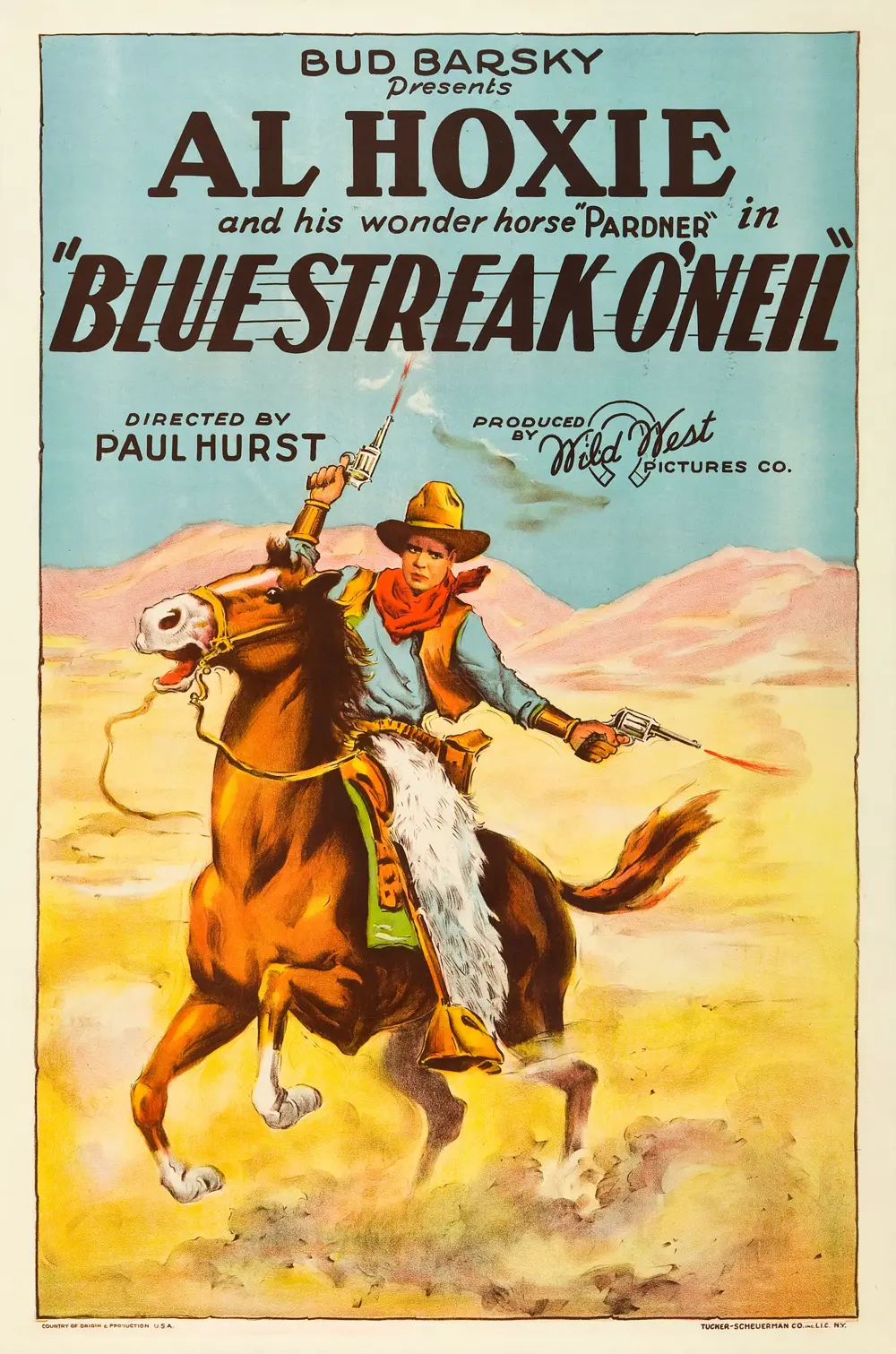
Is Blue Streak O'Neil worth watching today? Short answer: yes, but only if you appreciate the raw, unpolished kinetic energy of 1920s B-Westerns over the sanitized blockbusters of later decades.
This film is for the historian of the frame and the lover of practical stunt work. It is not for those who require high-fidelity sound or complex, morally ambiguous anti-heroes. This is a film of dirt, sweat, and horsehair.
1) This film works because: The physical performance of Cliff Lyons and his horse, Pardner, provides a level of authenticity that modern CGI cannot replicate.
2) This film fails because: The romantic subplot feels like a mandatory checklist item rather than an organic development of the story.
3) You should watch it if: You want to see the exact moment the Western genre moved from simple morality plays to more complex 'mole' narratives.
It is the film's willingness to place the hero in the middle of the enemy camp early on. Most films of the era, such as Ride for Your Life, kept the lines between 'good' and 'bad' strictly geographic. Here, the threat is internal. The villains aren't just hiding in the hills; they are wearing badges. This creates a claustrophobic tension that was rare for the genre in 1926.
Cliff Lyons was not a traditional actor. He was a force of nature. In Blue Streak O'Neil, you can see the foundation of what would later make him the go-to stunt coordinator for John Ford. There is a specific scene where O'Neil has to mount his horse while it is at a full gallop. There are no cuts. There are no wires. It is just a man and his animal. It makes the polished action of today look like a choreographed dance rather than a desperate struggle.
Unlike the theatricality found in Hoffmanns Erzählungen, Lyons’ performance is grounded in physical reality. He doesn't overact with his face; he acts with his gravity. When he leans off the side of a horse to avoid a shot, you feel the weight of the maneuver. It is brutal. It is simple. It is effective.
The plot centers on the rustling of cattle from the Britton ranch, but the real meat of the story is the sheriff's posse. Paul Hurst plays a pivotal role here, and his presence adds a layer of grit that the film desperately needs. The way the villains mingle with the lawmen creates a sense of paranoia. You find yourself scanning the background of every frame, looking for a shifty glance or a whispered word. It’s a precursor to the noir elements we would see in films like Behind Masks.
The pacing is relentless. While some silents of the era, like The Great White Silence, lean into the slow, observational power of the camera, Blue Streak O'Neil is built for speed. The editing is choppy, almost frantic, mirroring the heartbeat of a man who knows his cover could be blown at any second. It doesn't always look pretty, but it always feels urgent.
The cinematography in this film doesn't try to be beautiful. It tries to be hot. You can almost feel the sun-baked soil of the Britton ranch coming off the screen. The wide shots aren't meant to show off the landscape; they are meant to show the isolation of the characters. When O'Neil is riding across the plains, he looks small, vulnerable, and entirely alone. This isn't the romanticized West of the 1950s; this is a dangerous place where a horse's stumble means death.
There is a specific visual motif of dust. It hangs in the air after every chase, obscuring the villains and making the hero's job harder. It’s a low-budget trick that adds immense atmosphere. It reminds me of the gritty realism attempted in Daichi wa hohoemu: Zenpen, though with a distinctly American flair for the dramatic.
If you are looking for a deep psychological drama, look elsewhere. But if you want to understand the DNA of the action movie, Blue Streak O'Neil is essential viewing. It strips away the fluff and focuses on the core elements of the Western: the horse, the gun, and the man with a secret. It’s not a masterpiece, but it’s a damn good piece of entertainment. It works. But it’s flawed.
The romance with Ione Reed is the weakest link. She is given very little to do other than look concerned and eventually offer up half her ranch. It’s a transactional ending that feels a bit hollow in a modern context. However, the chemistry between Lyons and the villains more than makes up for the lack of romantic sparks.
Pros:
Cons:
When we look at the history of the Western, we often jump from the early shorts to the John Ford era. But films like Blue Streak O'Neil bridge that gap. They introduced the idea that the hero doesn't have to be a saint. O'Neil is a deceiver. He lies to the posse. He manipulates the villains. This moral flexibility is what eventually led to the revisionist Westerns of the 1960s. Even a light-hearted film like The Yankee Consul doesn't quite capture the same sense of 'undercover' danger found here.
The editing, while primitive, shows an early understanding of cross-cutting to build suspense. During the final confrontation, the film jumps between the ranch house and the approaching posse with a rhythm that was ahead of its time. It’s a far cry from the more theatrical staging of Miss Jackie of the Navy.
Blue Streak O'Neil is a rugged, unpretentious slice of cinema history. It doesn't try to be art; it tries to be a ride. While the story is as old as the hills, the execution by Cliff Lyons and the supporting cast makes it a standout of the B-Western subgenre. It’s a film that respects its audience’s intelligence by not over-explaining the plot, relying instead on visual cues and physical action. If you can get past the grain and the silence, you'll find a heart-pounding story of betrayal and redemption. It’s a rough diamond in a sea of forgotten celluloid. Watch it for the history, stay for the stunts.
IMDb 6.3
1922
Community
Log in to comment.