DbcultAccessing Vault...
7.2/10
Senior Film Conservator
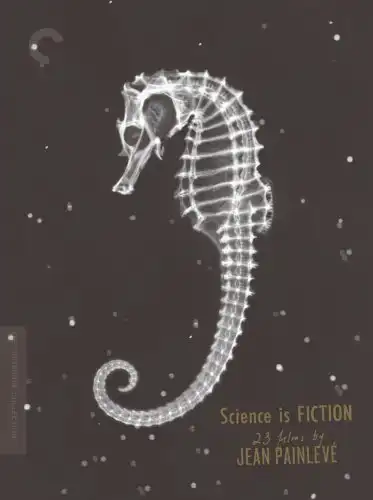
A definitive 7.2/10 rating for a film that redefined the boundaries of cult cinema. The Sea Horse remains a cornerstone of transgressive art.
If you have ten minutes and want to see something that feels like it was beamed in from a different planet, put on The Sea Horse. It’s not for people who need a plot or a three-act structure, but if you’re into watching tiny, weird creatures act like they’re living in a tiny, watery soap opera, you’ll dig it.
Painlevé doesn’t care about being a traditional nature documentarian. He just wants to look at the anatomy of this thing until you’re slightly uncomfortable. When he zooms in on the embryo and you see that little heart beating? It’s wild. It’s like watching a watch movement, but organic.
The whole bit about the male carrying the eggs is just fascinating. The way he describes the birth—those violent contractions—it makes the sea horse seem way more aggressive than the graceful, drifting creatures we see in aquarium tanks. It’s not soft. It’s work.
I found myself staring at the prehensile tails. They wrap around things with this grip that feels almost human. It reminded me of some of the awkward, stiff movements you see in older dramas like His Hour, where everyone is so careful about where they place their hands.
There’s this one shot where the young ones are just clinging to each other in a clump. It looks like a ball of yarn that’s decided to go for a swim. It’s cute, I guess, but also kind of claustrophobic.
Then there is the ending. The sheer audacity of it. You’re watching these delicate, alien-looking fish and then suddenly, he superimposes them over a horse race. It’s so silly. It made me laugh out loud, which I don’t think was the point, but I loved it anyway. It’s the kind of choice that makes you realize he’s just having fun with the camera.
Sometimes the narration feels a little dry, like a textbook that’s trying to be funny but forgetting the punchline. You can tell Painlevé is more interested in the visual texture of the fish than explaining how the ocean works. And honestly? Good.
It’s definitely not the kind of thing you’d find in The Little Rascals: Superstars of Our Gang. It’s got this weird, quiet intensity that sticks to you. Don’t go in expecting a Discovery Channel episode. It’s more like a poem written by a guy who spends way too much time looking through a microscope.
I don’t know if I’d call it 'great' in the way we usually talk about movies, but it’s different. And in a world of movies that all feel like they were made by the same computer program, different is a pretty high bar. 🌊

IMDb —
1918
Community
Log in to comment.