DbcultAccessing Vault...
Cult Review
Senior Film Conservator
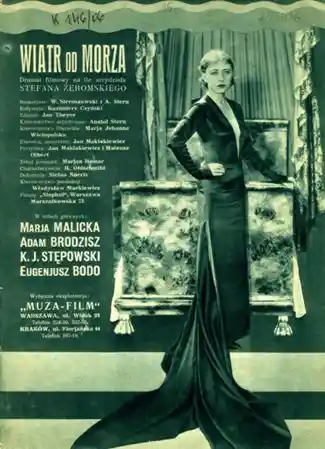
Alright, so if you're thinking about settling in for Wiatr od morza (that’s “Wind from the Sea,” by the way), you gotta adjust your expectations. This isn't your casual Friday night flick. It’s a 1930 Polish film, a really old one. So, who's it for? Definitely not for the casual Netflix scroller looking for quick thrills. This one’s for the serious film history buffs, those who dig into early sound cinema, or anyone with a keen interest in Polish history.
If slow pacing and a crackly soundtrack sound like a nightmare, you'll probably hate it. But if you’re game for a historical deep dive, an **actual piece of cinematic history**, then yeah, give it a shot. There's something special here.
The story itself kinda centers around the Polish-German tensions in Pomerania right after World War I. Think patriotism, national identity, and a bit of a tangled love triangle thrown in. It’s based on a Stefan Żeromski novel, which tells you it’s got some literary weight, though you wouldn’t always guess it from the film’s execution.
What hits you first, of course, is the sound. Oh, the *sound*. It's a miracle it exists at all, being from 1930. The dialogue often feels a bit… distant, like everyone's speaking into a tin can from another room. And sometimes the music just swells up out of nowhere, completely drowning out whatever quiet, important conversation was happening. It’s charming in its own way, really. A real peek into how they figured things out back then. 🔊
Visually, it’s mostly static shots. A lot of people just standing around, talking. You can almost feel the camera operator trying to keep everything in frame without moving too much, lest the sound recording get messed up. It's a real time capsule.
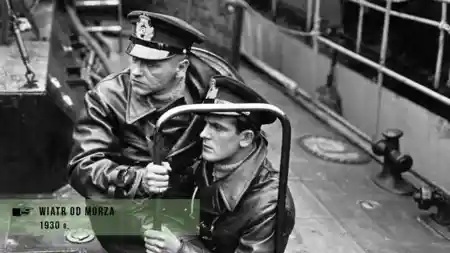
The performances are… of their time. Very theatrical. Big gestures, dramatic pauses. The Beloved Vagabond, another old film, had a similar vibe. Maria Malicka, playing the main female lead, seems to carry a lot of the emotional weight. She’s got a presence, even through the grainy film. You can see her trying to convey a lot with just her eyes in those close-ups.
Adolf Dymsza pops up, too, and he’s usually known for comedy. Here, he's in a more serious role, which is interesting to see. He’s not quite as vibrant as you might expect if you've seen his other work. Almost a little subdued, actually.
There's this one scene, a crowd gathering, and the patriotism just *radiates* off the screen. It’s not subtle. People cheering, flags waving. You really feel the urgency of that historical moment, even if the acting style feels a bit dated now. It makes you think about what it must have been like to watch this in a cinema in 1930 Poland. **Must have been a powerful experience then.**
The film captures a very specific national mood. It's less about individual characters sometimes, and more about the collective struggle.
The plot moves pretty slowly, especially by modern standards. There are long stretches where not a whole lot seems to happen, just people talking about the political situation or their feelings for each other. You really have to settle in and let it wash over you. It's not trying to grab your attention every five minutes. It just *is*.
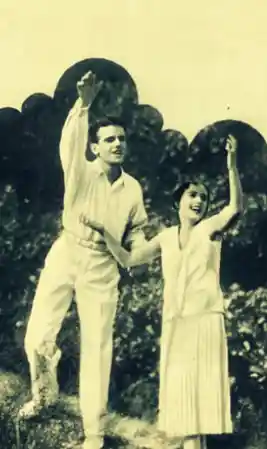
I noticed a couple of times, the editing felt a little abrupt. Like someone just snipped a few frames out without much care. Or maybe that’s just how they did it. It gives it this slightly choppy feel, which kinda adds to its charm, honestly. A human touch, I guess. ✂️
The whole love story aspect, between the Polish officers and the local women, it feels like a vehicle for the bigger patriotic message. It's not exactly a deep dive into human relationships. More like, 'here are some people, and they also happen to be falling in love while their country is being born again.'
So, is Wiatr od morza worth tracking down? Look, it’s tough. It’s a very old film. The technical limitations are clear, and the pacing will test your patience. But for those who appreciate seeing cinema evolve, or want to understand a specific historical period through its own art, it's a valuable watch.
It’s a historical document as much as it is a narrative film. You see the early attempts at sound, the acting styles of the era, and a genuine expression of national sentiment. It’s **rough around the edges**, absolutely. But it’s *real*. It’s a connection to a different time.
Don’t go in expecting a polished, engaging drama. Go in expecting to observe, to appreciate the effort, and to learn a little about Polish cinema’s early days. It’s a film that demands your patience, but it offers a unique reward for those who give it. I'm glad I watched it, even if I did find myself checking the time more than once. 😉
IMDb 6.3
1931
Community
Log in to comment.