DbcultAccessing Vault...
3/10
Senior Film Conservator
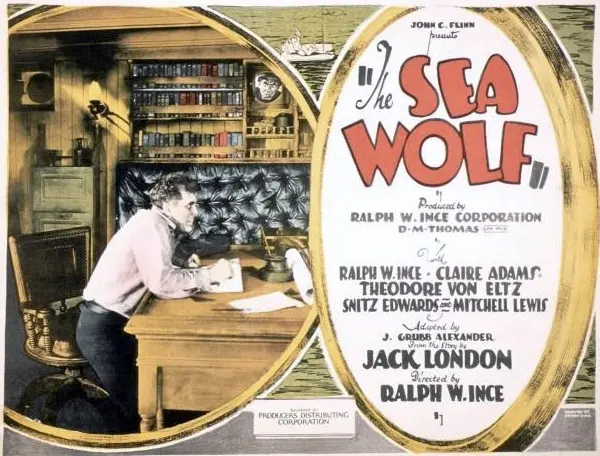
A definitive 3/10 rating for a film that redefined the boundaries of cult cinema. The Sea Wolf remains a cornerstone of transgressive art.
Short answer: Yes, but it's not for the faint of heart. The Sea Wolf (1926) is a compelling adaptation of Jack London's novella, offering a visceral and often brutal portrayal of human nature in the face of survival. This silent film is a must-watch for fans of adventure, early cinema, and those who can stomach a dose of primal struggle without pretense. It works because it captures the raw, unfiltered essence of London's narrative, but it fails because of its age and the limitations of silent film techniques. You should watch it if you're ready for a pulse-pounding, no-holds-barred survival story set in the harsh Alaskan wilderness.
It works because the film masterfully captures the essence of Jack London's novella, blending philosophical musings with the raw power of the sea and the wild Alaskan coast. The performances are raw and intense, and the cinematography, though limited by the era, is striking in its ability to convey the harshness of the setting.
It fails because the film's silent nature means some subtleties are lost, and the pacing can be uneven. The age of the film also means that some modern viewers might find it difficult to engage with the language and style.
You should watch it if you're a fan of early cinema, Jack London, or survival tales with a philosophical edge. It's not for those looking for a light-hearted or romanticized adventure.
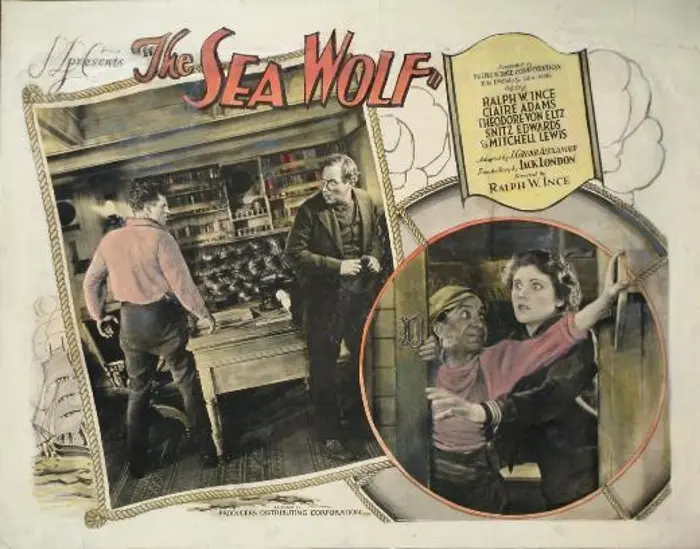
The acting in The Sea Wolf is raw and intense, particularly from Claire Adams as Maud Brewster. Her performance captures the spirit of survival and transformation, from a sheltered novelist to a hardened survivor. Theodore von Eltz as Captain 'Wolf' Larsen is equally compelling, embodying the enigmatic and sometimes cruel character with a mix of authority and menace. Despite the limitations of silent film, the performances are striking and fully realized.
Director J. Grubb Alexander does a commendable job in bringing London's novella to life. The direction is stark and unfiltered, focusing on the primal struggle between man and nature. The pacing can be uneven, but the overall effect is one of intensity and immediacy. The use of the Alaskan wilderness as a backdrop is particularly effective, with scenes of the sea and the harsh landscape contributing to the film's sense of danger and isolation.
The cinematography in The Sea Wolf is a standout element. The film makes excellent use of the natural setting, with stunning shots of the sea and the rugged Alaskan coast. The use of light and shadow is particularly effective, contributing to the film's overall sense of danger and isolation. However, the limitations of silent film technology mean that some scenes can feel somewhat choppy or disjointed, particularly in the moments leading up to the final conflict.
The pacing of The Sea Wolf can be uneven, particularly in the early parts of the film. The transition from the ferry to the seal schooner and the initial interactions between the characters can feel a bit slow. However, once the story picks up, the pacing becomes more urgent and intense, driving the film towards its climax. The final sequence, with the mutiny and the burning of the ship, is particularly effective in terms of pacing and tension.

The tone of The Sea Wolf is primarily bleak and gritty. The film is not afraid to show the harsh realities of survival, with scenes of violence and struggle serving to underscore the film's central themes. However, the film also contains moments of unexpected tenderness and compassion, particularly in the relationship between Van Weyden and Maud. These moments add depth and complexity to the film, making it more than just a straightforward survival story.
Yes, The Sea Wolf is worth watching if you're a fan of early cinema, Jack London, or survival stories with a philosophical edge. The film's raw intensity and stark visuals make it a fascinating piece of early adventure cinema. However, it's not for those looking for a light-hearted or romanticized adventure. The film's limitations in terms of dialogue and pacing mean that some modern viewers might find it challenging, but the overall impact is powerful and memorable.
Pros: The performances are raw and intense, the cinematography is striking, and the use of the natural setting enhances the film's sense of danger and isolation. The film's portrayal of survival and the clash between man and nature is compelling and thought-provoking.
Cons: The film's silent nature means that some subtleties are lost, and the pacing can be uneven. The age of the film can make it difficult for modern viewers to engage with the language and style.
Overall, The Sea Wolf is a fascinating and often brutal portrayal of human nature in the face of survival. While it may not be for everyone, it is a compelling piece of early adventure cinema that captures the essence of Jack London's novella. The raw intensity of the performances and the use of the natural setting make it a must-watch for fans of early cinema and those who appreciate intense, no-holds-barred portrayals of survival.

IMDb —
1927
Community
Log in to comment.