DbcultAccessing Vault...
Cult Review
Senior Film Conservator
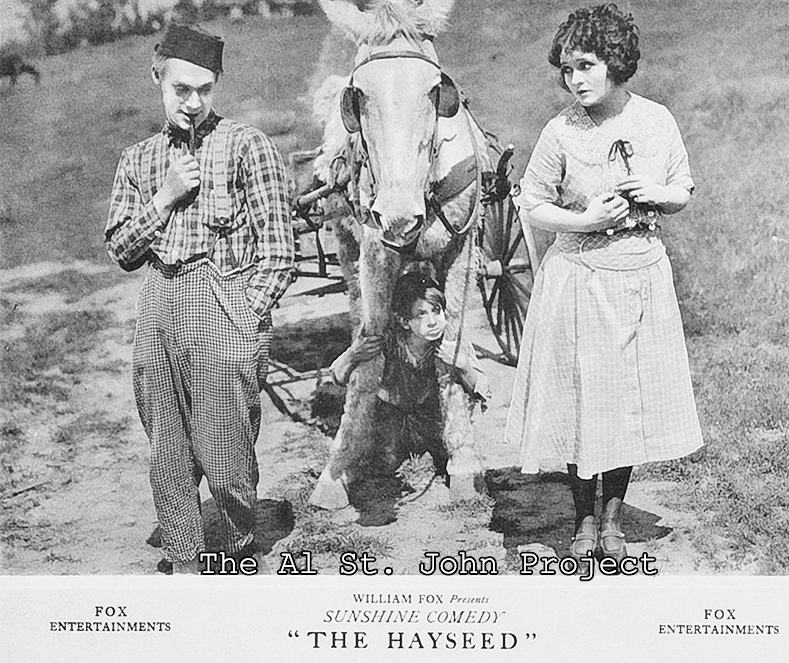
The Hayseed (1921) Review: A Desolate Portrait of Rural Morality
In the annals of silent cinema, few films capture the desolation of human struggle quite like The Hayseed, a 1921 drama that lingers in the mind like the afterimage of a flickering film reel. Directed with aching sincerity by an uncredited hand, the film weaves a tale of moral decay and societal hypocrisy set against the unforgiving backdrop of rural America. Al St. John, in a role that demands both vulnerability and stoicism, portrays a man whose very name—Hayseed—becomes a metaphor for the blight that consumes his life. The film’s unflinching gaze at the intersection of class, ambition, and guilt is both a product of its time and a hauntingly timeless commentary on the human condition.
At its core, The Hayseed is a study in contrasts. The opening shots, bathed in the golden hue of a setting sun, depict a serene farmstead, its fields stretching like a quilt of amber and green. Yet, as the narrative unfolds, these idyllic visuals give way to increasingly jarring juxtapositions: a well-worn plow juxtaposed with a gleaming city watch, a mother’s weathered hands cradling a child’s doll. These visual motifs underscore the film’s central tension—the collision between agrarian simplicity and the corrosive allure of modernity. The score, a sparse yet evocative arrangement of fiddle and cello, swells at key moments to punctuate the protagonist’s internal disintegration, its mournful strains echoing the film’s tragic trajectory.
St. John’s performance is a masterclass in silent film acting. His face, a canvas of twitching brows and furrowed brows, conveys a lifetime of regrets without a single line of dialogue. In one particularly harrowing scene, he stares into the camera as if pleading for absolution, his eyes—wide and unblinking—reflecting the weight of a world he can no longer bear. This is not the charismatic leading man one might expect from an early 20th-century film; instead, St. John embodies the archetypal 'fallen man,' his physicality hunched yet defiant, his every movement a testament to quiet despair. His chemistry with Alice Davenport, however, is where the film truly shines. Her character, a schoolteacher grappling with the expectations of her community, is rendered with a quiet intensity that belies the era’s often one-dimensional female roles. Their conversations—conveyed through intertitles and subtle glances—hint at a bond forged in shared loneliness, their unspoken understanding a fragile beacon in a sea of moral judgment.
The script, though occasionally hamstrung by the didacticism of its era, demonstrates a surprising sophistication in its exploration of ethical ambiguity. Unlike the black-and-white morality tales of contemporaries like The Great Bradley Mystery, The Hayseed refuses to offer easy resolutions. The town’s verdict on the protagonist is less a moral reckoning than a collective gasp of discomfort, a refusal to confront the rot festering beneath its picturesque surface. This nuanced approach is evident in the film’s climax—a prolonged, wordless sequence where the protagonist’s final act is neither heroic nor villainous, but a quiet, almost ritualistic surrender to the forces that have consumed him. The editing here is deliberate, the camera lingering on his face as the screen fades to black, leaving the audience in a silence as heavy as the film’s themes.
Visually, The Hayseed is a triumph of early cinematography. The use of natural light is particularly striking; scenes shot at dawn or dusk are imbued with a melancholic beauty, the harsh shadows and soft glows creating a chiaroscuro effect that mirrors the characters’ inner turmoil. The film’s palette—earthy tones of brown, gold, and muted green—reinforces its rural setting, while the occasional insertion of a stark white garment or a gleaming urban window serves as a visual metaphor for the encroaching modernity that disrupts this world. The most memorable set piece is a courtroom scene, where the camera’s slow dolly shots around the accused create a sense of claustrophobia, the audience’s perspective shifting with each movement to emphasize the futility of truth in a society governed by rumor.
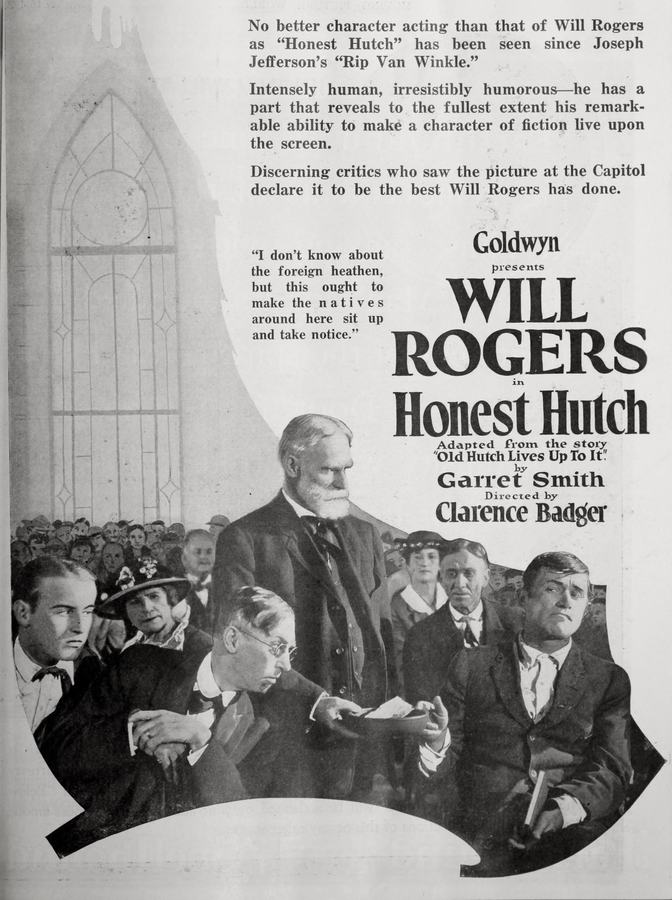
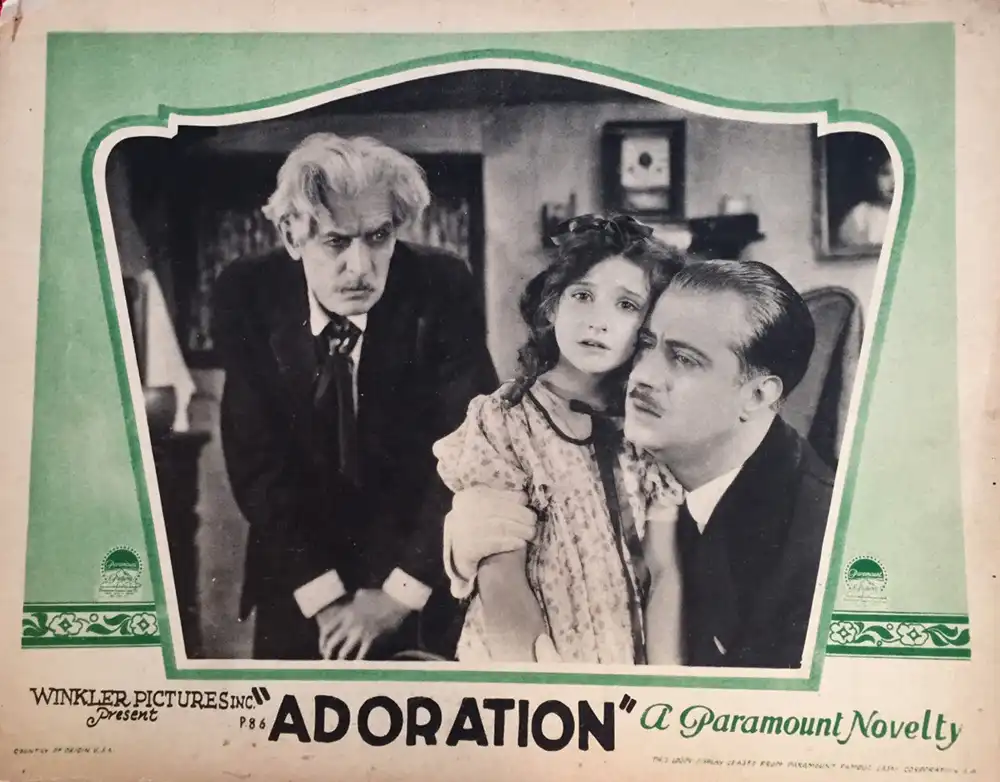
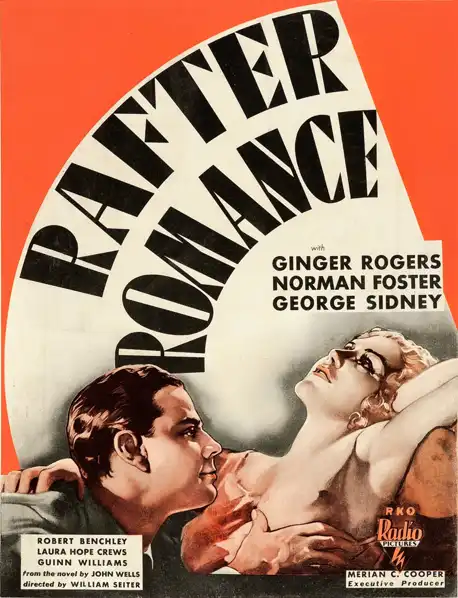
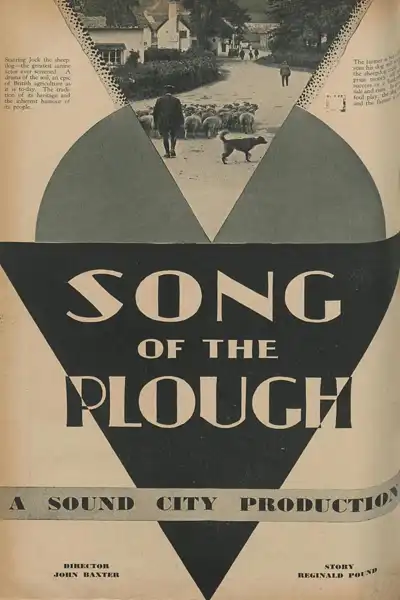
Comparisons to other films of the era are inevitable. While De forældreløse relies on melodrama to drive its narrative, The Hayseed opts for a more restrained, almost documentary-like realism. Similarly, the urban settings of A Yankee Princess contrast sharply with the claustrophobic intimacy of the town in The Hayseed, where every character’s glance is a potential accusation. The film’s thematic kinship with Prohibition is also worth noting—both grapple with the tension between individual desire and societal judgment, though The Hayseed does so with a subtlety that often eludes its contemporaries.
What elevates The Hayseed beyond a mere period piece is its enduring relevance. The film’s exploration of moral relativism and societal hypocrisy resonates in an age where truth is increasingly subjective. Its unflinching portrayal of a man’s downward spiral—triggered not by villainy but by a series of missteps compounded by the judgment of others—feels eerily prescient in today’s culture of public shaming and social media outrage. This is not to suggest that the film is without its flaws; the pacing, while deliberate, occasionally sags in its midsection, and the intertitles, though poetic, sometimes veer into overwrought sentimentality. Yet these are minor quibbles in the face of a film that dares to challenge its audience as much as it moves them.
In conclusion, The Hayseed stands as a testament to the power of silent film to convey complex, emotionally resonant narratives without a single word. Its exploration of human fragility, the corrosive nature of judgment, and the quiet dignity of its protagonist’s final moments remain as haunting today as they were a century ago. For those seeking a film that balances artistic ambition with unflinching social critique, The Hayseed is an essential viewing experience. It is a relic not just of its time, but of a cinematic language that spoke in pictures, and in doing so, spoke volumes about the human soul.
IMDb 6
1923
Community
Log in to comment.