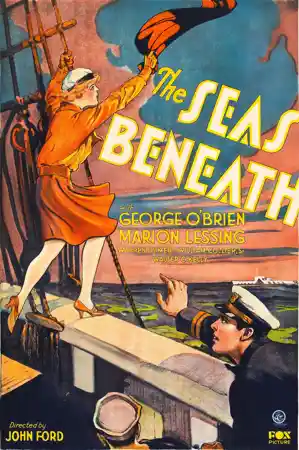
A definitive 5.9/10 rating for a film that redefined the boundaries of cult cinema. The Seas Beneath remains a cornerstone of transgressive art.
Alright, so we’re talking The Seas Beneath from 1931. If you're into those old-school WWI naval dramas, the kind where the tension builds slow and you really feel the cramped quarters, this one’s probably worth a look. Folks who need constant explosions or a lightning-fast plot might bounce off it hard. But if you appreciate a clever premise and some genuine, quiet suspense, stick around. ⚓
The Set-Up: Decoys and Depth Charges
The whole idea here is pretty neat, if a little far-fetched: the US Navy, late in WWI, decides to turn a big battleship into a harmless-looking schooner. It’s a bait-and-switch operation heading for the Canary Islands, hoping to draw out a notorious German U-boat. What the Germans don’t know, and what adds a whole layer of dread, is there’s a *secret* US submarine shadowing the schooner, ready to pounce.
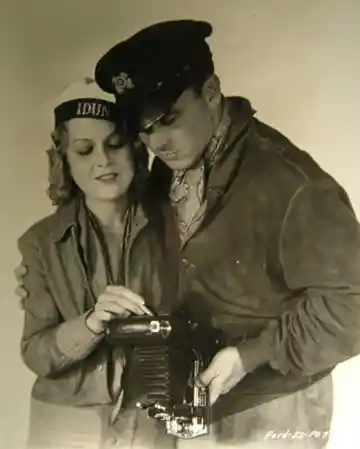
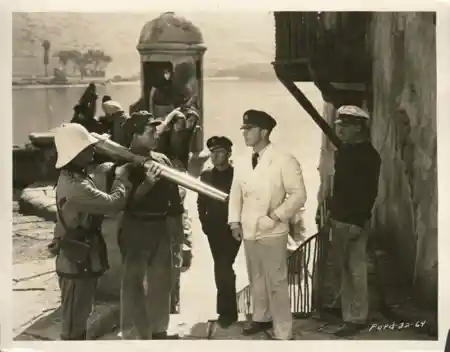
Scene from The Seas Beneath
Cinematic perspective: Exploring the visual vocabulary of The Seas Beneath (1931) through its definitive frames.
You can almost feel the salt spray, even in black and white. The sets for the submarines and ships feel pretty convincing for the era. Not much room to move, which adds to the claustrophobia.
“We are not hunting for adventure, but for a German submarine.”
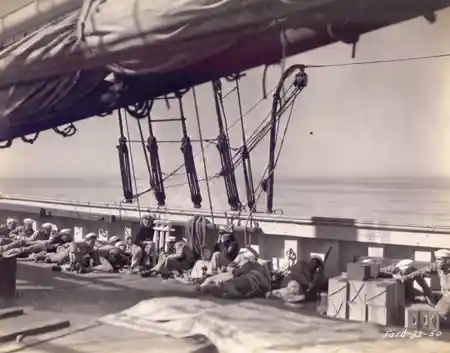
Scene from The Seas Beneath
Cinematic perspective: Exploring the visual vocabulary of The Seas Beneath (1931) through its definitive frames.
That line stuck with me. It’s all business, no frills. Just a grim, deadly game.
The German U-boat commander, played by Hans Fuerberg, is just… intense. His eyes hold this real coldness. He doesn't need to shout to be menacing.
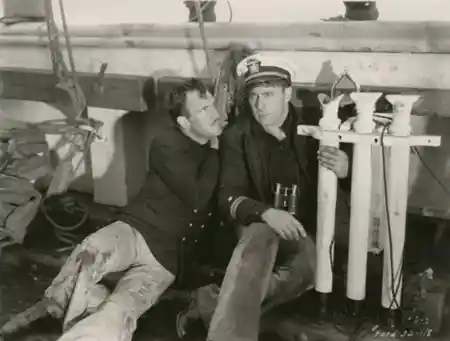
Scene from The Seas Beneath
Cinematic perspective: Exploring the visual vocabulary of The Seas Beneath (1931) through its definitive frames.
Silent Tension, Strange Details
A lot of the film’s power comes from what you *don’t* see. The hidden American sub, for instance. It’s just this phantom presence for a good chunk of the movie, and that makes the scenes on the schooner even more nerve-wracking. You’re waiting for something to happen, but it’s the quiet that gets you.
There’s a moment, a close-up on the schooner’s mast, with the wind just whipping the sails. It's simple, but it tells you everything about being out on that vast, empty ocean. Alone. Or so they think.
Scene from The Seas Beneath
Cinematic perspective: Exploring the visual vocabulary of The Seas Beneath (1931) through its definitive frames.
One odd thing I noticed: the crew on the schooner, they look almost *too* comfortable in their disguise. Like, they’re playing their part a little *too* well. It made me wonder if they forgot they were on a battleship sometimes. 🤔
George O'Brien, as Captain Robert 'Robby' Drake, carries the film's moral compass. He's got that classic, stoic hero thing down pat. His struggle with the ethics of their mission is subtle, but it's there. Especially when they're trying to lure the Germans into a trap.
Scene from The Seas Beneath
Cinematic perspective: Exploring the visual vocabulary of The Seas Beneath (1931) through its definitive frames.
The pacing is definitely of its time. It’s not trying to rush you. There are long stretches where it’s just the ships, the ocean, and the radio silence. Some folks will call it slow. I found it more... deliberate. It lets the tension simmer.
The camouflaged battleship idea is genuinely clever.
The use of the *unseen* submarine is a masterstroke for suspense.
Hans Fuerberg's U-boat commander performance. Wow.
The scenes inside the submarines, they always make me feel a bit uneasy. All those gauges and pipes, the low hum. You can almost smell the oil and stale air. They really nailed that sense of confinement.
There's a sequence where the German U-boat is hunting, and the periscope just cuts through the water. No dramatic music, just the visual. It’s *very* effective. You feel that predator watching.
Later on, when the actual confrontation happens, it’s not this huge, bombastic affair. It's more about the tactics, the waiting, the close calls. A depth charge goes off, and you see the crew getting rattled, stuff shaking. It felt real, you know?
Some of the dialogue, it’s a bit formal, a bit stagey, which is expected for the era. But then there are these little exchanges between the crew that feel very authentic. Like soldiers trying to keep it together.
I mean, it's not perfect. There are a few moments where the plot feels a little too convenient, or a reaction shot lingers just a tad too long. But these are small things. The overall mood it creates, that's what sticks.
It’s a specific kind of old movie. Not for everyone, but if you're curious about how early filmmakers handled war at sea without huge budgets for special effects, relying more on atmosphere and the human element, The Seas Beneath is a surprisingly solid watch. It proves you don't need a lot of flash to build a good thriller. Just a cunning plan and some tense silence. 🤫