DbcultAccessing Vault...
Cult Review
Senior Film Conservator
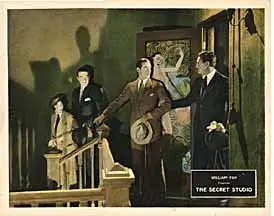
Should you watch this film today? Short answer: Yes, but primarily as a fascinating historical document of gender power dynamics rather than a gripping modern thriller.
This film is for silent cinema enthusiasts and those interested in the 'Pre-Code' evolution of female autonomy on screen. It is definitely not for viewers who demand fast pacing or high-octane action.
The Secret Studio is worth your time if you want to see Olive Borden, the 'Joy Girl' of the 1920s, at the height of her expressive powers. It offers a raw, if melodramatic, look at how the media was used to weaponize a woman's image long before the digital age.
1) This film works because: Olive Borden’s performance carries a genuine sense of vulnerability that makes the 'portrait scandal' feel personally devastating rather than just a plot point.
2) This film fails because: The resolution relies too heavily on a male savior, Sloan Whitney, which feels like a thematic retreat from the film’s earlier exploration of female ambition.
3) You should watch it if: You enjoy exploring how 1920s cinema navigated the tension between traditional morality and the burgeoning 'New Woman' archetype.
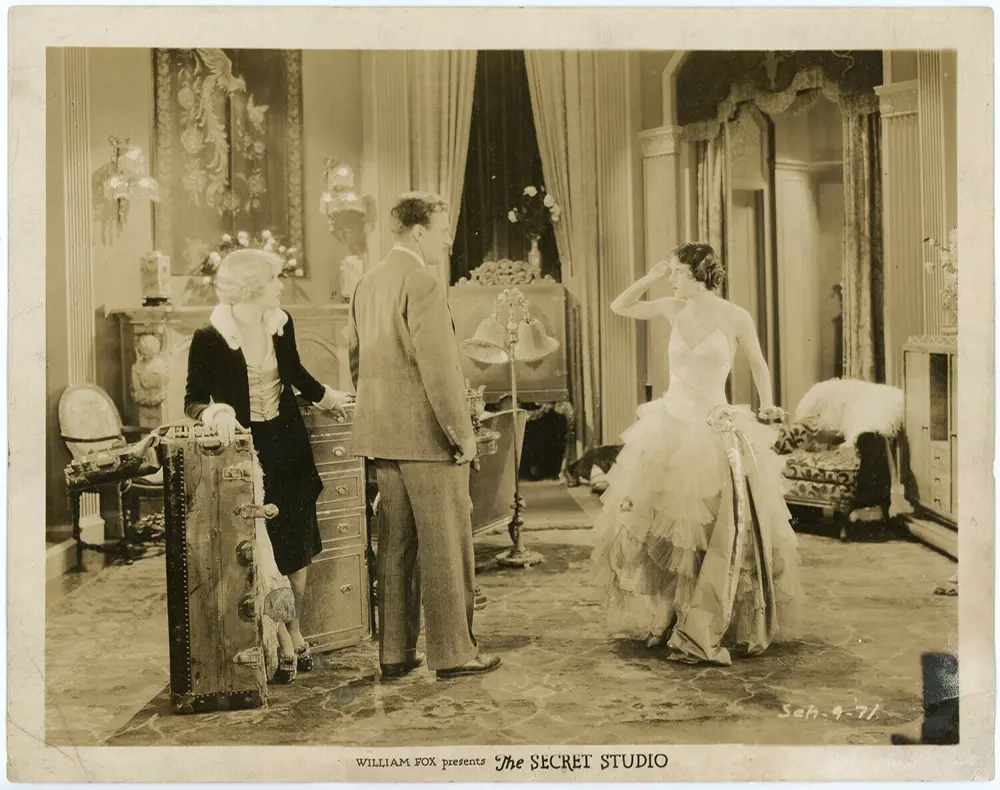
The Secret Studio operates as a cautionary tale about the vulnerability of the female form in the male-dominated world of high art. Rosemary Merton isn't just a victim of a bad artist; she’s a victim of a system that values her image more than her agency.
When Larry Kane, played with a greasy, calculating charm by Ben Bard, decides to paint Rosemary as a nude against her will, it’s a violation that feels surprisingly modern. It is a 1927 version of a 'deepfake' scandal.
The scene where Rosemary first sees the newspaper printing is handled with a frantic, rhythmic editing style that was quite advanced for Fox at the time. You can feel the walls of her social world closing in.
The film creates a palpable sense of dread. It isn't just about the painting; it's about the speed at which a woman’s hard-earned reputation can be dismantled by a single lie.
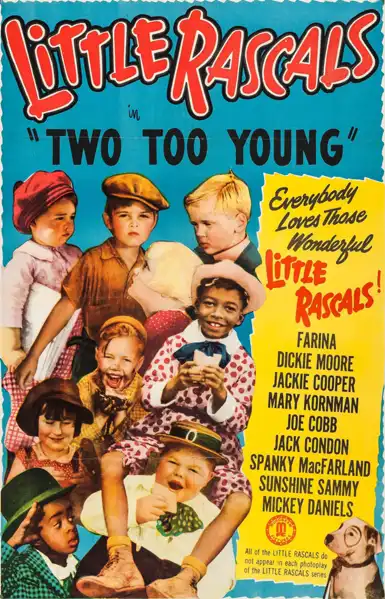
Olive Borden was one of the biggest stars of the late 20s, and here she demonstrates why. Unlike the over-the-top gesticulation found in some silent dramas like Paap No Fej, Borden uses her eyes to convey a quiet, simmering ambition.
There is a specific moment in the studio where she adjusts her dress, a subtle movement that establishes her boundaries. It’s a small detail, but it makes her later 'disgrace' feel all the more unjust.
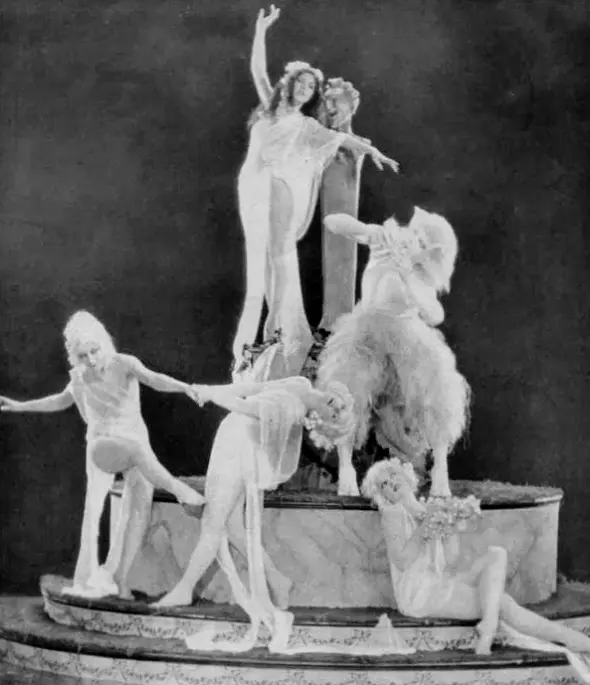
Ben Bard as Larry Kane is the perfect foil. He doesn't play the villain with a mustache-twirling energy. Instead, he is dismissive and entitled, representing a class of men who view women as mere raw material for their 'vision.'
The supporting cast, including Ned Sparks, adds a layer of cynicism that keeps the film from becoming too saccharine. Sparks, in particular, brings a dry wit that provides a necessary counterpoint to the high-stakes melodrama of the central plot.
The visual language of The Secret Studio is defined by its use of shadows within the artist's loft. The studio is not a place of light and creation, but a labyrinth of secrets and hidden motives.
Director Victor Schertzinger uses depth of field to keep Rosemary trapped between the foreground (the art) and the background (the social expectations). It is a visual metaphor for her entire character arc.
Compare this to the more straightforward, almost documentary-like lighting in Ingeborg Holm. While Holm focuses on social realism, The Secret Studio leans into the 'glamour' of the scandal, making the fall from grace look aesthetically pleasing even as it is morally crushing.
The newspaper sequences are particularly striking. The way the ink seems to bleed across the screen mirrors the way the scandal bleeds into every corner of Rosemary’s life.
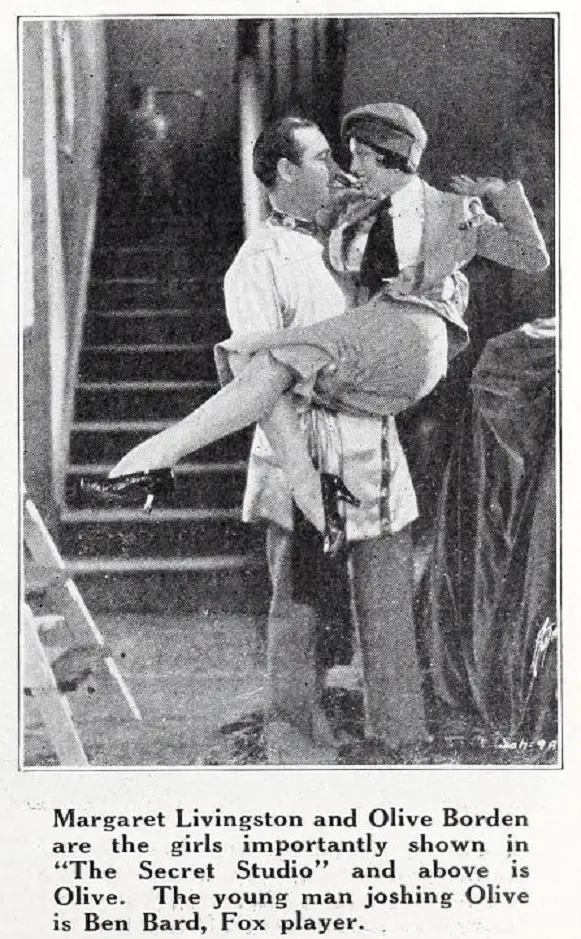
The ending of the film is its most debatable element. Rosemary is exonerated, yes, but the 'price' of her return to grace is the total abandonment of her own career goals. She chooses 'love' over 'ambition.'
To a modern audience, this feels like a defeat. It’s a surrender. The film suggests that for a woman, the only safe place is under the protection of a 'wealthy young sweetheart' like Sloan Whitney.
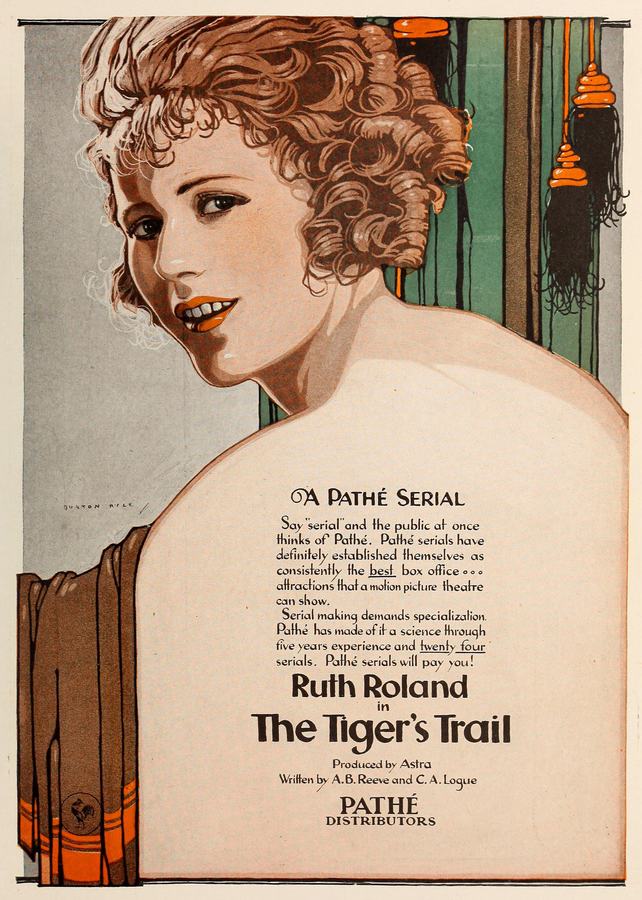
This theme of domesticity as the ultimate reward is common in the era, seen in films like The Mother of His Children. However, in The Secret Studio, it feels particularly sharp because Rosemary actually had talent and drive.
The final shot of her looking away from the studio and toward her future home is meant to be heartwarming. To me, it felt like a door closing on her potential. It works. But it's flawed.
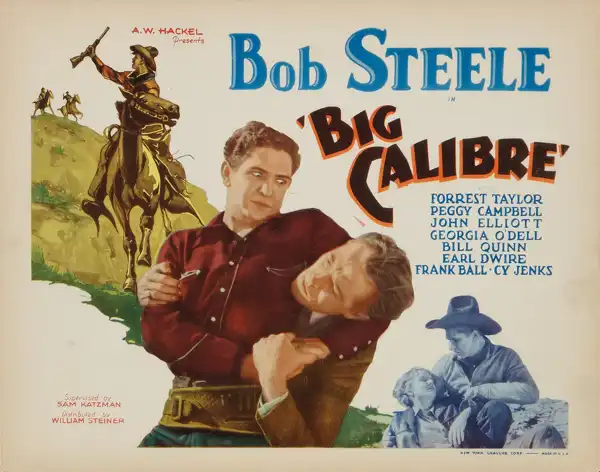
The Secret Studio is a fascinating, if frustrating, relic of a time when a woman’s public image was her only currency. While it lacks the comedic charm of Three Wise Goofs or the epic scope of The Fighting Trail, it excels as an intimate character study of a woman under fire.
Olive Borden’s performance is the glue that holds this melodrama together. Without her, it would be a forgettable cautionary tale. With her, it becomes a haunting look at the cost of being 'seen' in a world that refuses to look at the truth.
Ultimately, it is a film that asks: is your dream worth your reputation? In 1927, the answer was a resounding 'no.' Today, the answer is far more complex, making The Secret Studio a perfect conversation starter for modern cinephiles.
IMDb —
1918
Community
Log in to comment.