DbcultAccessing Vault...
Cult Review
Senior Film Conservator
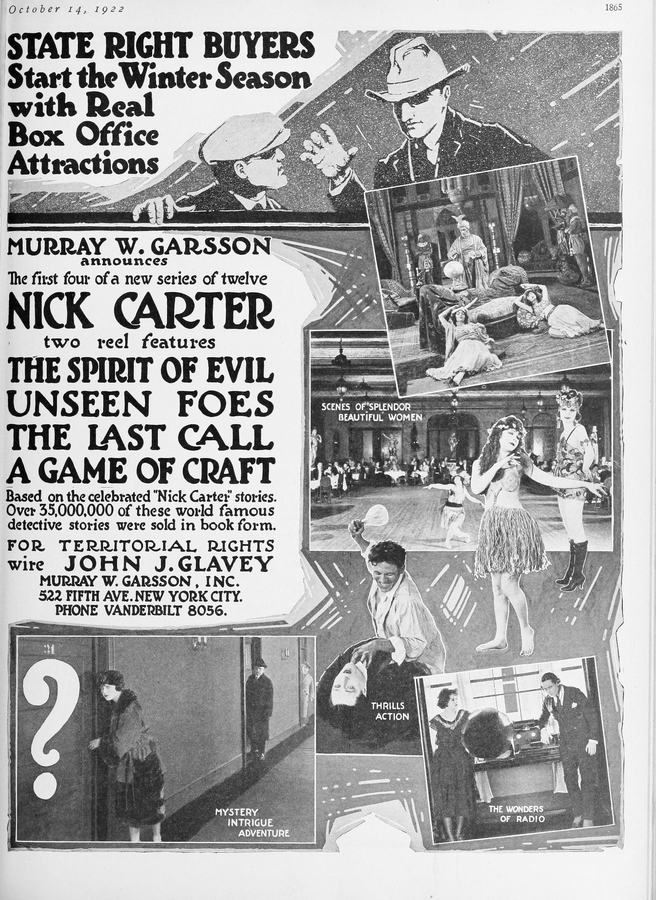
The Spirit of Evil is a film that masterfully weaves together the threads of mystery, suspense, and the supernatural, creating a cinematic experience that is both haunting and thought-provoking. From the outset, the film's use of dark orange hues and muted tones sets the tone for a journey into the heart of darkness, where the boundaries between reality and the unknown are constantly blurred.
As the story unfolds, Nick Carter's investigation becomes an all-consuming force, driving him to confront the yellow glow of truth, no matter how unsettling it may be. With each new discovery, the web of deceit and betrayal grows more complex, drawing Carter into a world of sea blue shadows, where the lines between loyalty and treachery are increasingly obscured.
The film's use of Spiritualistic seances as a backdrop for the mystery is a stroke of genius, allowing the filmmakers to explore the darker aspects of human nature, where the desire for power and control can lead individuals down a path of destruction. The The Man Who Would Not Die may have also explored similar themes, but The Spirit of Evil delves deeper into the human psyche, exposing the raw emotions and fears that drive us to seek answers in the unknown.
The cast, including Leslie King, Lewis Reinhardt, and Henry Sedley, deliver performances that are both nuanced and captivating, bringing depth and complexity to their characters. The chemistry between the actors is palpable, and their interactions are fraught with tension, as they navigate the treacherous landscape of alliances and rivalries. In contrast to The Prince of Avenue A, which focused on the struggles of the working class, The Spirit of Evil probes the darker recesses of the human experience, where the pursuit of knowledge and power can lead to devastating consequences.
The film's pacing is deliberate and measured, allowing the audience to absorb the intricacies of the plot and become fully invested in Carter's quest for truth. The dark orange hues that dominate the color palette create a sense of foreboding, while the yellow accents serve as a reminder of the elusive nature of truth. The sea blue tones, on the other hand, evoke a sense of melancholy and longing, underscoring the tragic events that have unfolded.
In comparison to other films of the era, such as The Avalanche and Les heures - Épisode 4: Le soir, la nuit, The Spirit of Evil stands out for its thought-provoking exploration of the human condition. While The Ninety and Nine and Vanishing Trails may have focused on more traditional themes of love and redemption, The Spirit of Evil ventures into the uncharted territory of the supernatural, where the rules of reality no longer apply.
The film's climax is both shocking and devastating, as the truth behind the mysterious death is finally revealed. The The Witching Hour may have also explored the theme of supernatural forces at work, but The Spirit of Evil delves deeper into the human psyche, exposing the darkest fears and desires that drive us to seek answers in the unknown. In contrast to Manya, die Türkin and Mixed Blood, which focused on more exotic themes, The Spirit of Evil is a deeply personal and introspective film, one that challenges the viewer to confront the darkness within themselves.
The supporting cast, including James McDuff, Douglas Garner, and Charles Eldridge, deliver performances that are both memorable and nuanced, adding depth and complexity to the narrative. The The Fighting Kentuckians may have focused on more traditional themes of heroism and honor, but The Spirit of Evil is a film that defies easy categorization, blending elements of mystery, suspense, and the supernatural to create a truly unique cinematic experience.
In the end, The Spirit of Evil is a film that will leave viewers haunted and disturbed, forced to confront the darkness that lurks within themselves. The The Curious Conduct of Judge Legarde may have explored similar themes of deception and betrayal, but The Spirit of Evil is a film that plunges deeper into the heart of darkness, exposing the raw emotions and fears that drive us to seek answers in the unknown. The The Scales of Justice may have focused on more traditional themes of justice and redemption, but The Spirit of Evil is a film that challenges the viewer to confront the darkness within themselves, and to emerge transformed by the experience.
The film's influence can be seen in later works, such as The Sign of the Rose and All of a Sudden Peggy, which also explored themes of mystery and suspense. However, The Spirit of Evil remains a unique and groundbreaking film, one that continues to captivate audiences with its haunting and thought-provoking exploration of the human condition. The The Sneik may have focused on more traditional themes of heroism and adventure, but The Spirit of Evil is a film that defies easy categorization, blending elements of mystery, suspense, and the supernatural to create a truly unforgettable cinematic experience.
IMDb —
1924
Community
Log in to comment.