DbcultAccessing Vault...
6.8/10
Senior Film Conservator
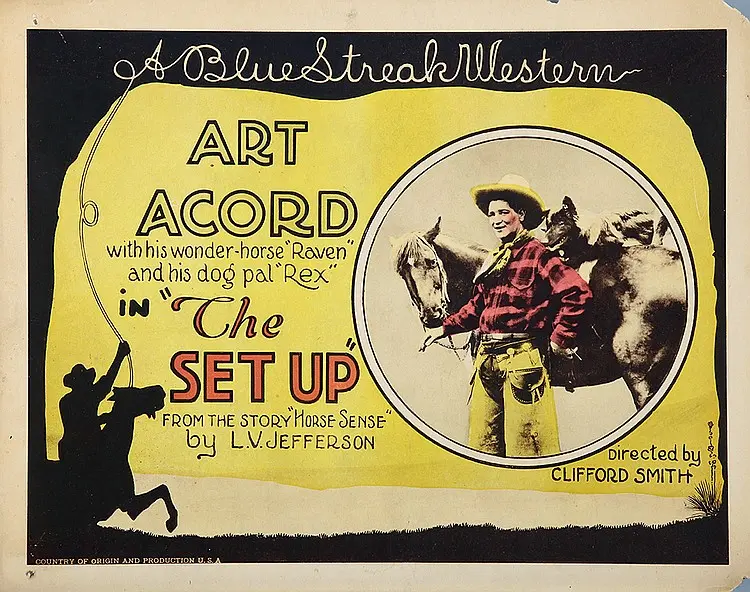
A definitive 6.8/10 rating for a film that redefined the boundaries of cult cinema. The Set-Up remains a cornerstone of transgressive art.
Is The Set-Up a hidden gem of the silent era? Short answer: yes, provided you have a high tolerance for the specific brand of absurdity that defined 1920s B-Westerns.
This film is strictly for those who appreciate the 'animal hero' subgenre and the rugged, unpolished charm of Poverty Row productions. It is absolutely not for viewers who demand psychological depth or a plot that adheres to the laws of biological probability.
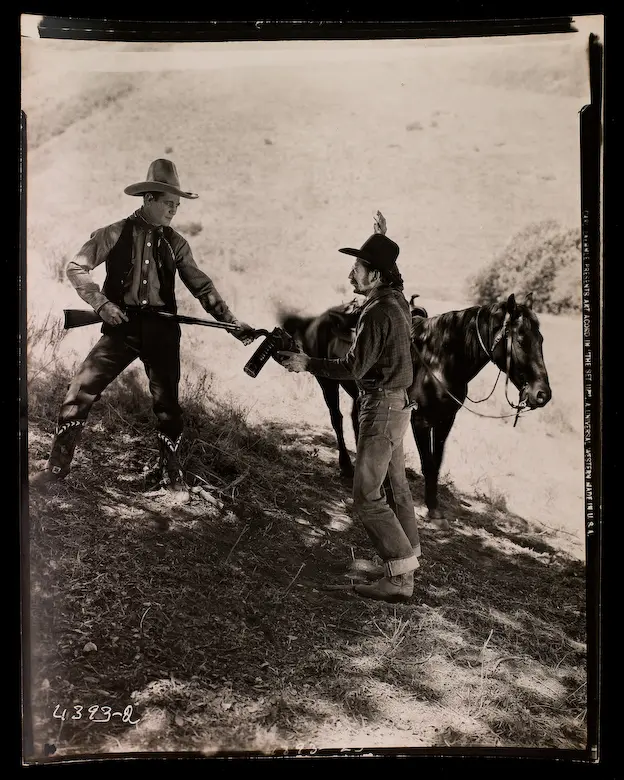
1) This film works because it embraces a singular, bizarre gimmick—the money-smelling horse—and commits to it with a straight face that modern cinema often lacks.
2) This film fails because the human characters are largely interchangeable, serving as mere props for the animal stars to navigate around.
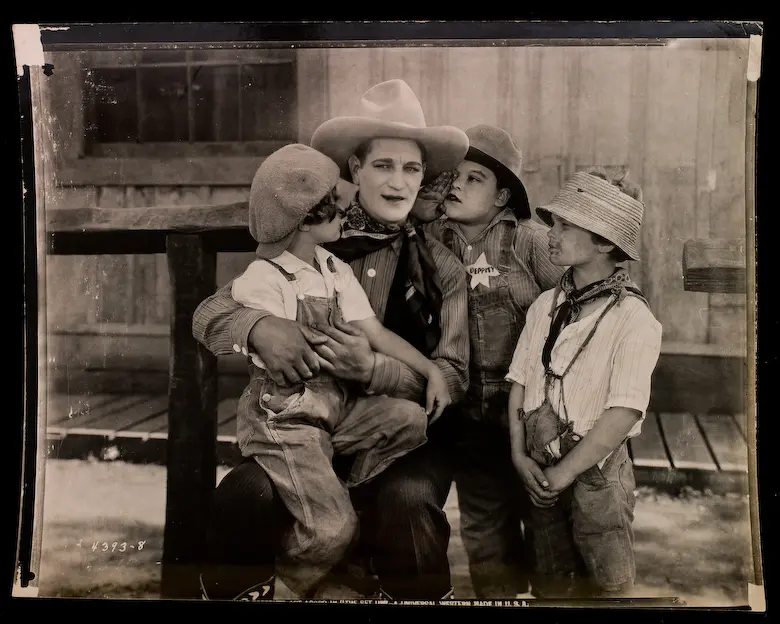
3) You should watch it if you want to see a masterclass in how 1920s filmmakers used animal training to compensate for thin scripts and low budgets.
At the heart of The Set-Up lies a premise so ridiculous it borders on the avant-garde. We aren't dealing with a bloodhound or a tracking expert; we are dealing with Buddie, a horse that can apparently distinguish the scent of cold, hard cash from the smell of sagebrush and horse sweat. While films like The Fear Fighter relied on standard fisticuffs, The Set-Up hinges entirely on equine olfaction.
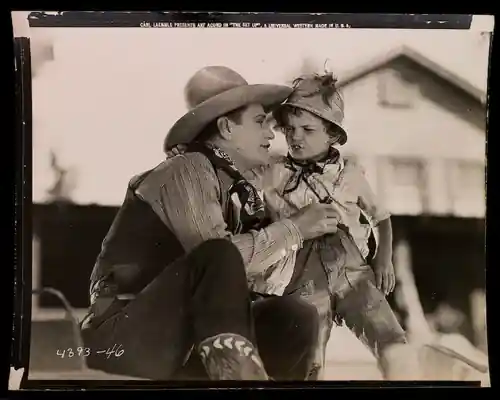
The scene where the villains observe Buddie from afar is a highlight of unintentional comedy. They don't just want to find the money; they want the Deputy to find it so they can pin the crime on him. It’s a convoluted Rube Goldberg machine of a plot. They are betting their entire freedom on the nose of a horse. It works. But it’s flawed.
Art Mix (born George Kesterson) was often overshadowed by the more famous Tom Mix, but in The Set-Up, he displays a grounded, if somewhat stoic, presence. His performance is functional. He moves well, he looks the part in the saddle, but he lacks the electric charisma found in The Human Tornado. Mix is the straight man to his own horse and Rex the Dog.
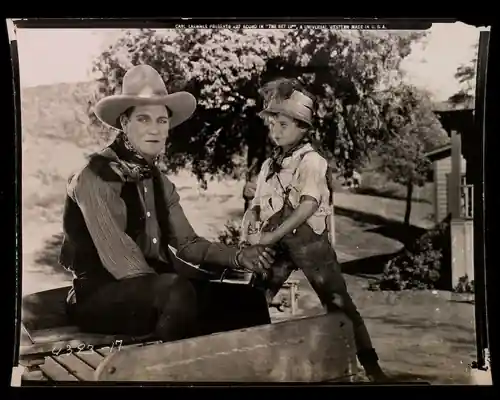
The chemistry between the animals is actually more palpable than the romance between Art and Thora Barton (Alta Allen). When Cliff Barton is killed, the emotional weight isn't carried by the grieving daughter, but by the lingering shots of the animals reacting to the sudden absence of their master. It’s a cynical observation, perhaps, but the animals simply have better range.
The direction by the uncredited hand (often attributed to the production team at Steiner) is utilitarian. The pacing is brisk, clocking in at a length that refuses to overstay its welcome. Compare this to the more experimental pacing of The Dream Cheater, and you’ll find The Set-Up to be much more traditional in its assembly. The shots are wide, the action is clear, and the stunts—while not death-defying—are executed with a professional grit.
For the casual viewer, probably not. For the film historian or the Western enthusiast, it is a fascinating artifact. It represents a moment in time when the 'Wonder Horse' and 'Wonder Dog' were bigger box office draws than the leading men. The film answers the question of how to create tension without dialogue: you focus on the twitch of an ear or the sniffing of a muzzle.
If you are looking for the narrative complexity of something like The Moral Sinner, you will be disappointed. But if you want to see a villainous plot thwarted by a horse’s nose, this is your holy grail.
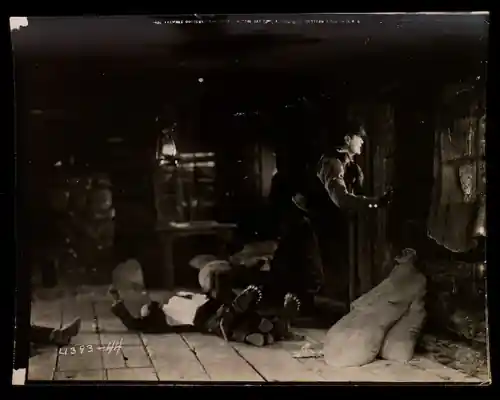
The cinematography in The Set-Up is surprisingly effective at capturing the isolation of the Barton ranch. There is a specific shot after Cliff Barton is shot where the camera lingers on the bushes where the money was thrown. The lighting is harsh, typical of outdoor silent shoots, but it creates a high-contrast world where there is nowhere to hide—except for the money-bag.
The tone oscillates between a grim murder mystery and a lighthearted animal adventure. This tonal whiplash is common in films of this era, such as Lucky Stars, but here it feels particularly jarring because the stakes involve a cold-blooded assassination. One moment we are mourning a father, the next we are marveling at Buddie’s sniffing abilities.
"The real star isn't the man with the badge, but the beast with the nose. In the hierarchy of 1920s Westerns, the horse was often the smartest character on screen."
Pros:
Cons:
The Set-Up is a prime example of why the silent Western was the 'superhero movie' of its day. It is built on a gimmick, powered by physical stunts, and features a hero who is more icon than human. While it doesn't reach the heights of The Island of the Lost in terms of sheer atmosphere, it holds its own as a piece of pure entertainment. The horse is better than the man. The dog is more observant than the deputy. It’s a topsy-turvy world where the animals save the day, and honestly, it’s a refreshing change of pace from the self-serious Westerns that would follow in the 1930s. It’s not a masterpiece, but it’s a damn good time if you let it be what’s left of your logic go out the window.
IMDb —
1928
Community
Log in to comment.