DbcultAccessing Vault...
Cult Review
Senior Film Conservator
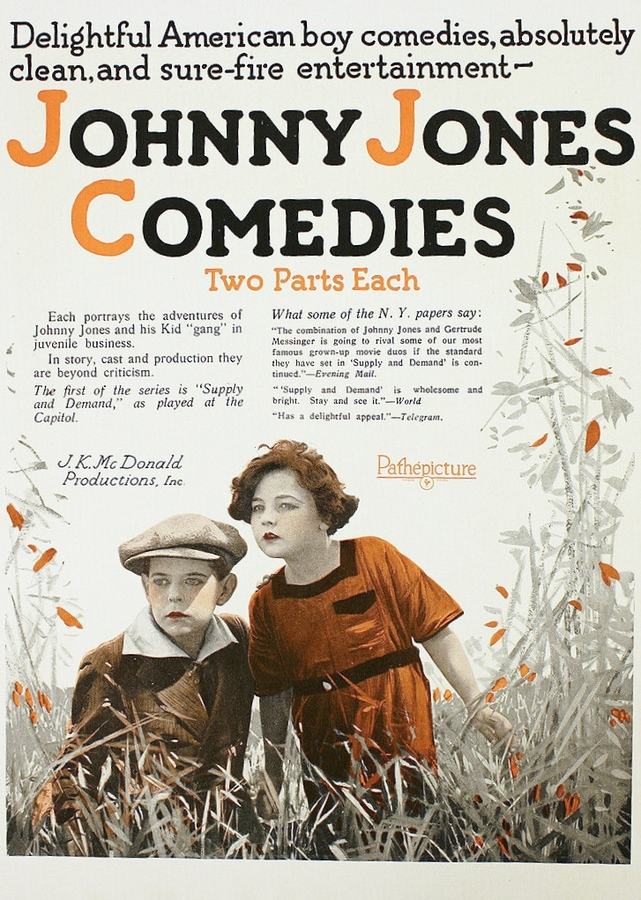
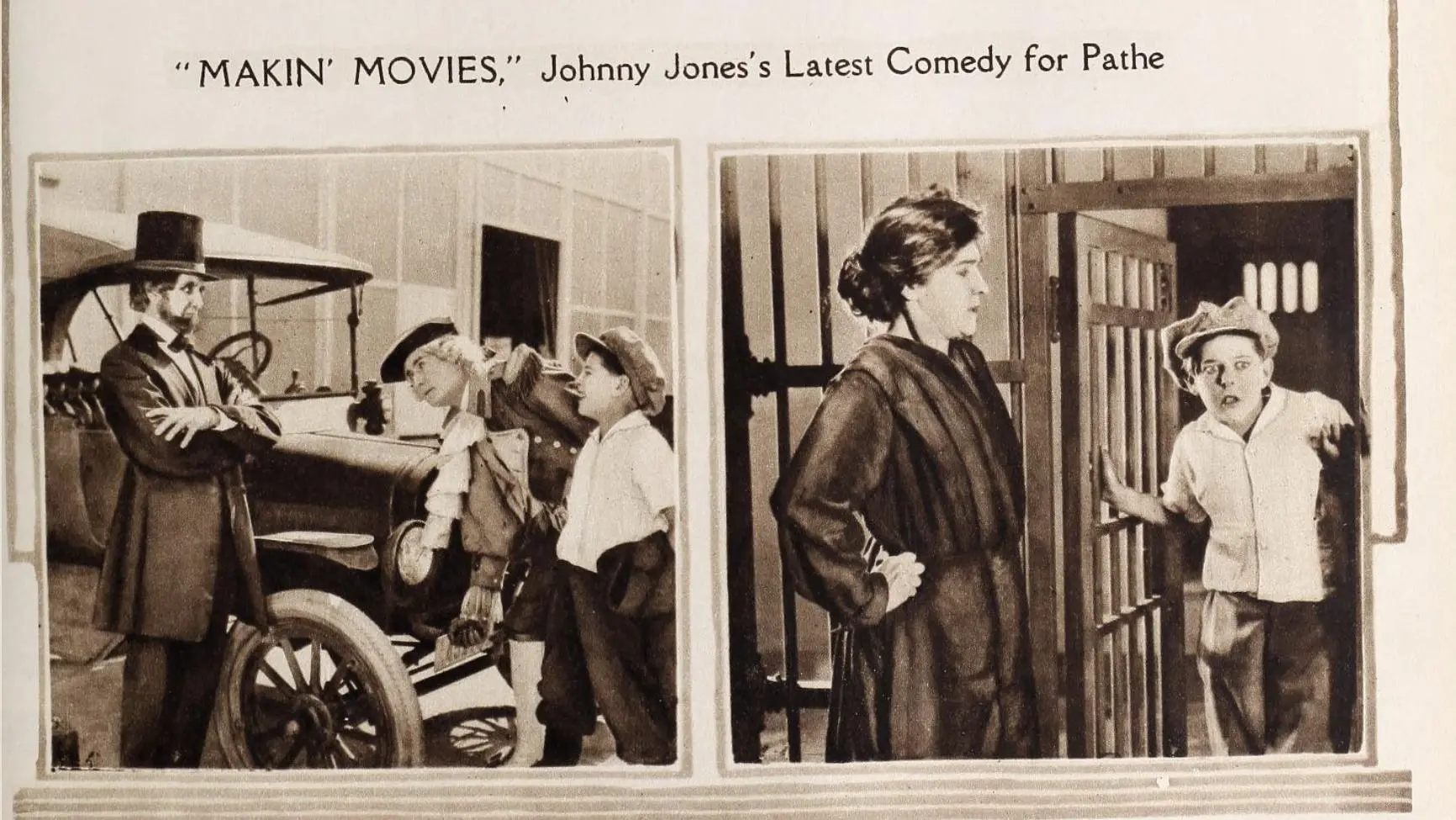
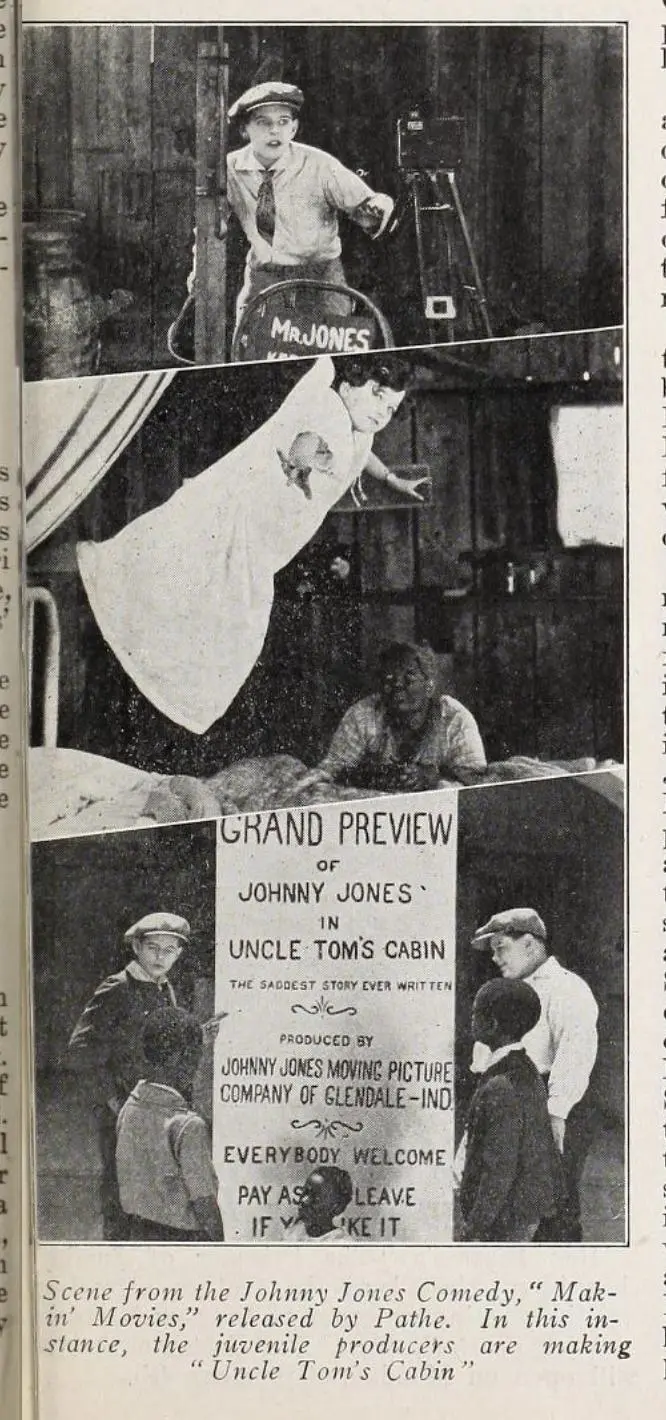
There's a peculiar magic in early cinema, an untamed spirit of experimentation and a refreshing lack of self-consciousness that often yields unexpected treasures. Among these delightful anomalies, the 1922 short film Makin' Movies stands out not just for its premise, but for its sheer, unadulterated charm. It's a film about filmmaking, a meta-narrative before the term became commonplace, depicting a group of earnest children attempting to bring Harriet Beecher Stowe's weighty novel, "Uncle Tom's Cabin," to the nascent silver screen. The genius, however, lies in the delightful subversion: their solemn dramatic endeavor accidentally transmutes into a rollicking comedy, a testament to the unpredictable nature of youthful ambition and the inherent humor in earnest, yet fumbling, creation.
The premise itself is an immediate draw. Imagine the gravitas of "Uncle Tom's Cabin," a novel steeped in profound social commentary and often portrayed with intense melodrama, filtered through the lens of juvenile enthusiasm. The resulting alchemy is nothing short of brilliant. The film doesn't set out to lampoon Stowe's work directly; rather, it finds humor in the *process* of its adaptation by inexperienced hands. This isn't a cynical deconstruction, but a heartwarming, often hilarious, exploration of dramatic intent meeting comedic execution. The children, with their unwavering commitment to their roles and their rudimentary understanding of cinematic technique, create a series of ludicrous moments that elevate the material from the potentially somber to the genuinely amusing.
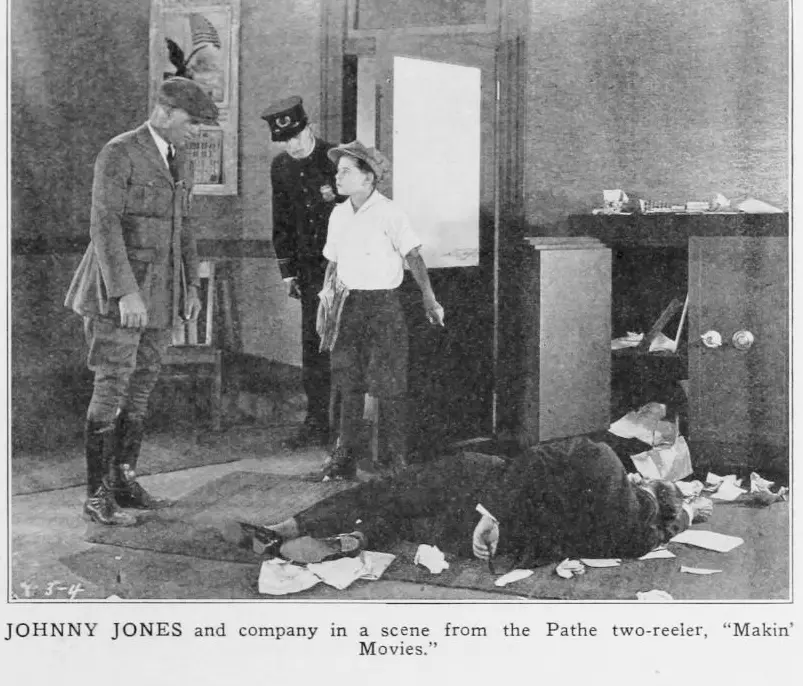
The ensemble of young performers forms the beating heart of Makin' Movies. True Boardman, a name that would become more familiar in later years, brings a certain boyish gravitas to his role, likely the self-appointed director or lead actor, guiding his compatriots with an air of unearned authority. Gertrude Messinger, another notable child actor of the era, imbues her character with a vibrant energy, her dramatic flourishes perhaps a touch over-the-top, but perfectly suited to the film's accidental comedic tone. Kenneth Green, Edward Peil Jr., and Newton Hall round out this motley crew of aspiring thespians, each contributing to the collective chaos and charm. Their unvarnished performances, free from the polished artifice of adult actors, are precisely what make the film so endearing. There's a raw authenticity to their missteps, their exaggerated gestures, and their unwavering belief in their cinematic endeavor, even as it veers wildly off its intended course.
One can almost feel the joyous spontaneity emanating from the screen. The 'writers' of Makin' Movies, uncredited as they may be, truly understood the power of observational comedy. They didn't need elaborate gags; the humor arises organically from the children's earnest attempts to recreate dramatic scenes with limited resources and boundless imagination. A 'snowstorm' crafted from flour, a 'river' that's clearly a shallow puddle, or a dramatic rescue that descends into slapstick — these are the moments that truly shine. It's a delightful contrast to the more overtly dramatic children's roles seen in films like The Little Gray Lady or the more stylized performances in something like Pinocchio, which, while animated, still aimed for a specific emotional impact. Makin' Movies embraces the imperfections, finding beauty and humor in the raw, unrefined creative process.
The film's technical execution, while simple, serves its comedic purpose admirably. As a silent film, much of the humor relies on visual gags, exaggerated facial expressions, and physical comedy, all expertly delivered by the young cast. The pacing is brisk, keeping the narrative momentum flowing even as the plot of the 'film-within-a-film' unravels into delightful chaos. The intertitles, sparse but effective, often highlight the contrast between the children's dramatic intentions and the uproarious reality unfolding on screen. This clever use of the medium demonstrates a sophisticated understanding of comedic timing, even in a seemingly straightforward production. It creates a layered viewing experience, where the audience is privy to both the children's serious play and the meta-comedy of their endeavor.
In an era where many films, such as Dream Street or Should She Obey?, often grappled with weighty themes or moralistic narratives, Makin' Movies offers a refreshing breath of fresh air. It's a pure, unadulterated comedic experience, devoid of overt preachiness or complex dramatic arcs. Its simplicity is its strength, allowing the audience to revel in the sheer joy of watching children make a mess, both literally and figuratively, of a serious undertaking. This lighthearted approach also distinguishes it from the often intense emotional landscapes of films like The Broken Promise or the more dramatic character studies found in Calvert's Valley. It’s a reminder that cinema doesn't always need grand statements to be impactful; sometimes, a simple, well-executed comedic premise can leave a more lasting impression.
Beyond the immediate laughter, Makin' Movies offers subtle thematic insights. It's a charming commentary on the nature of creative ambition, particularly in its nascent stages. The film gently pokes fun at the earnestness of amateur artists, highlighting the gap between grand vision and practical execution. Yet, it does so with an affectionate gaze, never descending into cynicism. There's a celebratory aspect to the children's endeavors, a recognition of the sheer joy and imaginative power inherent in play-acting and storytelling. This celebration of youthful creativity resonates deeply, reminding us of the unbridled imagination that fuels all artistic endeavors, from the simplest backyard play to the most elaborate Hollywood production. It brings to mind the inventive spirit seen in films like L'empreinte de la patrie, which, despite its serious themes, also explored the human drive to create and leave a mark.
The film also serves as a fascinating, albeit unintentional, critique of adaptation itself. By showing how easily a serious work can be transformed into something entirely different through the lens of a new interpretation (even an accidental one), it subtly questions the very idea of fidelity to source material. The children's version of "Uncle Tom's Cabin" becomes, by its very nature, a far more agreeable subject for light entertainment than the often harrowing original. This transformation, born of innocence and comedic happenstance, provides a unique perspective on how narratives evolve and take on new meanings when reinterpreted across different mediums and by different generations. It's a meta-commentary on the malleability of stories, a concept that even today fuels countless remakes and re-imaginings.
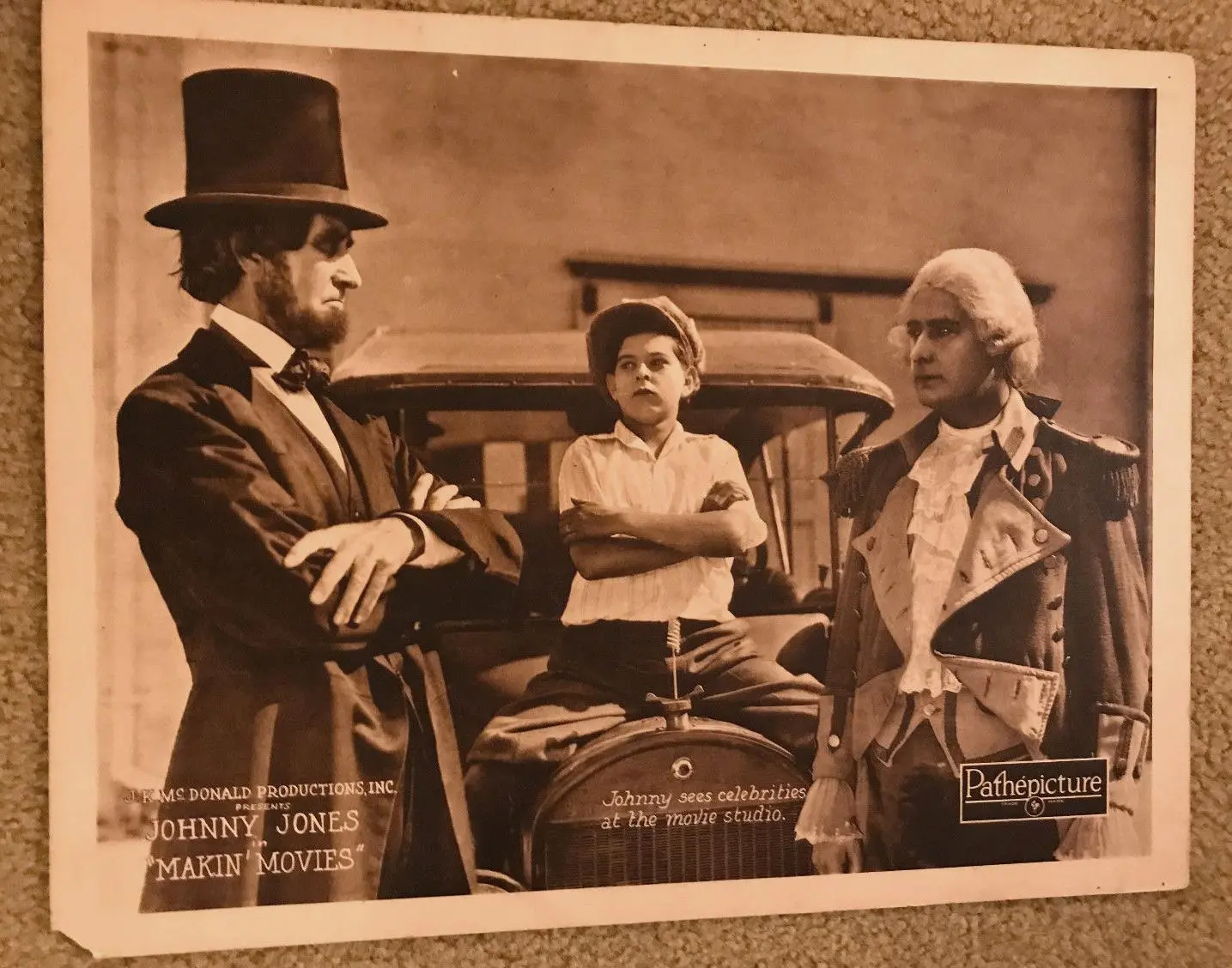
In the vast landscape of silent cinema, where melodramas like The Forfeit and poignant tales such as Life's Twist often dominated, Makin' Movies offers a refreshing counterpoint. It's a small film with a big heart, demonstrating that humor can be found in the most unexpected places and that the earnest efforts of children can yield cinematic gold. The performances by Boardman, Messinger, Green, Peil Jr., and Hall are not just cute; they are genuinely effective in conveying the film's unique brand of accidental comedy. Their interactions, their shared dedication to their ambitious project, and their inevitable blunders are what make this film so memorable.
The film’s simple yet profound joy sets it apart from more complex narratives like Il mulino or the dramatic tension of The Last of the Carnabys. While those films might explore deeper psychological or social issues, Makin' Movies offers a pure, unadulterated escapism through laughter. It’s a delightful reminder of the foundational pleasure of cinema: watching stories unfold, even when those stories are being clumsily, hilariously, yet lovingly crafted by a group of passionate youngsters. It's an ode to the innocence of creativity, an accidental masterpiece that continues to charm and amuse audiences decades after its initial release. Its unassuming nature and genuine humor make it a timeless piece of cinematic history, proving that sometimes, the best comedies are the ones that were never meant to be funny at all.
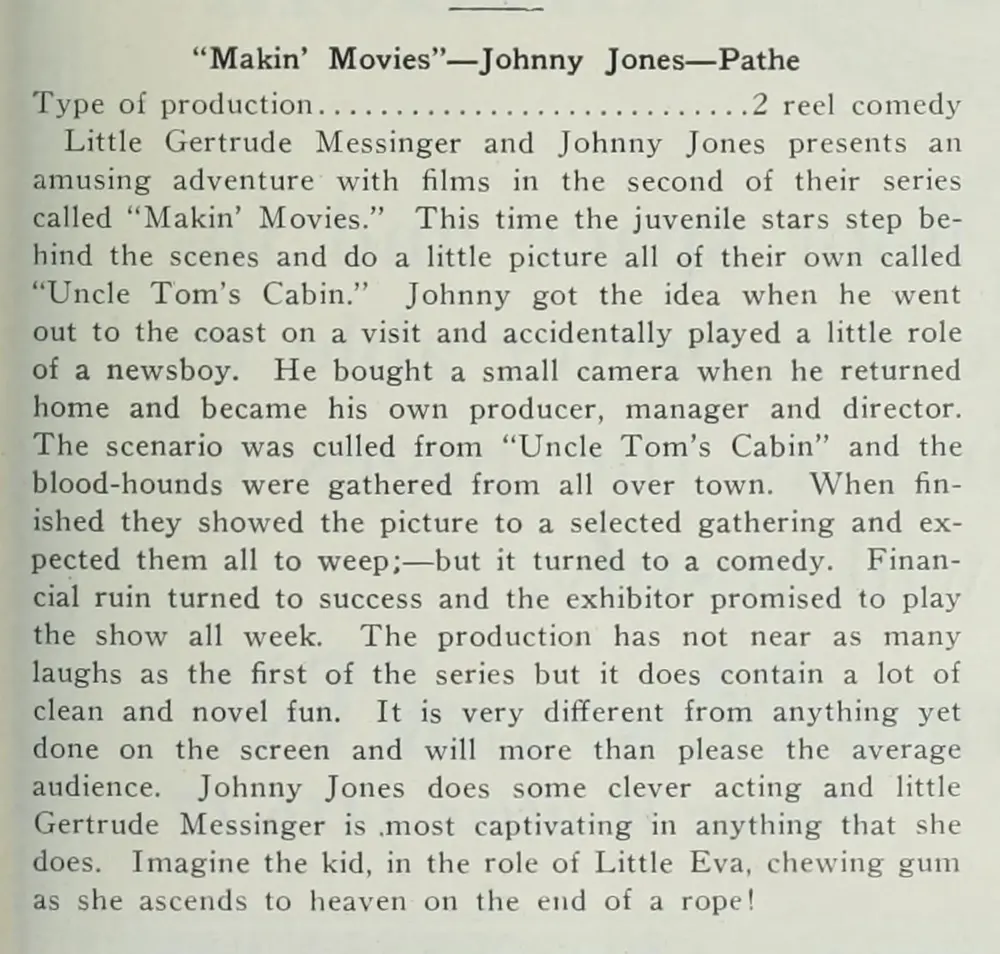
The absence of specific writers credited for Makin' Movies adds another layer to its charm. It suggests a collaborative spirit, perhaps even a degree of improvisation, allowing the natural comedic talents of the young cast and the inherent humor of the situation to dictate the narrative. This organic approach to storytelling, where the 'script' seems to emerge from the very act of creation, is a fascinating aspect of early filmmaking. It's a stark contrast to the often meticulously planned screenplays of later eras, highlighting a more fluid and intuitive creative process. This lack of a rigid script likely contributed to the film's spontaneous feel, making the accidental comedy all the more authentic and delightful.
In essence, Makin' Movies is more than just a forgotten silent short; it's a vibrant snapshot of childhood, creativity, and the serendipitous nature of art. It stands as a testament to the idea that sometimes, the most profound and enjoyable artistic experiences arise not from meticulous planning, but from happy accidents and unbridled enthusiasm. For anyone seeking a dose of pure, unpretentious joy, a glimpse into the innocent ambition of early filmmakers, and a hearty laugh at the delightful chaos of creative endeavor, this film is an absolute must-see. It's a small film that leaves a giant smile, a truly agreeable subject in every sense of the word, far more so than its dramatic source material typically allows. Much like the unexpected turns in An Even Break or the unfolding complexities of The Web of Life, Makin' Movies shows that sometimes, the most engaging narratives are those that surprise us with their unintended outcomes.
IMDb —
1916
Community
Log in to comment.