DbcultAccessing Vault...
Cult Review
Senior Film Conservator
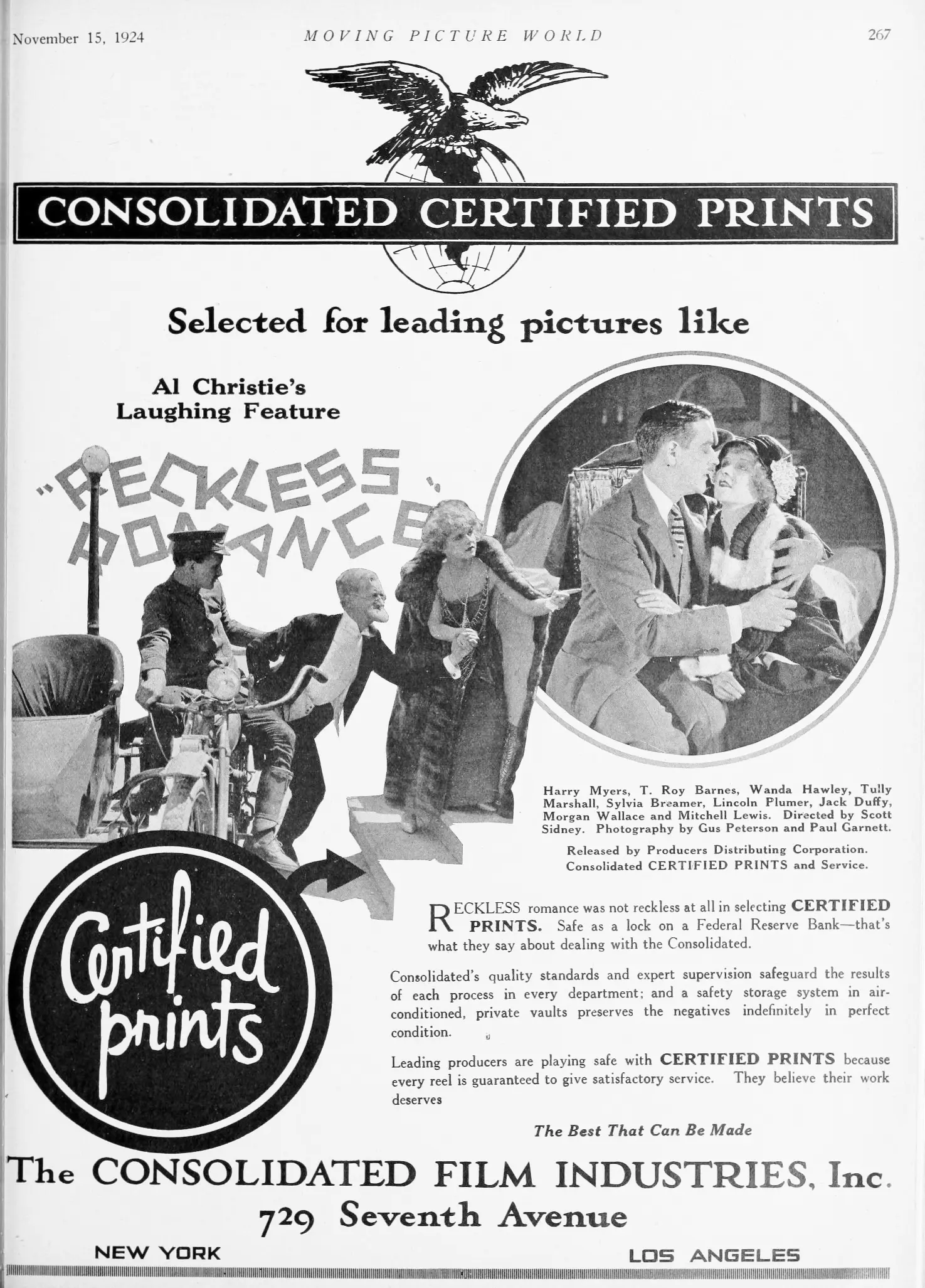
he silent era was a crucible for the frantic, the absurd, and the profoundly optimistic. In the 1924 production of Reckless Romance, we find a cinematic artifact that perfectly encapsulates the nervous energy of the post-war boom. It is a film that treats marriage not as a romantic ideal, but as a bureaucratic hurdle, and wealth not as a steady state, but as a volatile liquid that must be contained within the vessel of a thirty-day bet. As a critic who has waded through the heavy moralism of Greed or the stark survivalism of The Storm, witnessing the light-footed levity of Harry Myers is a refreshing, albeit dizzying, experience.
The premise is deceptively simple, yet it spirals into a labyrinthine sequence of events that would make a modern screenwriter weep with envy. Jerry Warner, played with a twitchy, kinetic charm by Harry Myers, is the quintessential silent protagonist: a man of modest means but immodest ambitions. When he falls for Edith Somers (the luminous Wanda Hawley), he encounters the ultimate antagonist of the era—the stubborn father. Lincoln Plumer’s portrayal of Edith's father is a masterclass in paternal obstinacy, a man who views his daughter’s hand as a prize for financial stability rather than emotional compatibility.
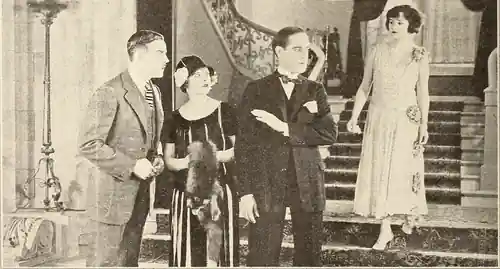
The introduction of the $10,000 uncle-gift is the catalyst for the film's primary tension. The challenge—to keep the money for thirty days—is a brilliant narrative engine. It forces the character into a state of hyper-vigilance. In a world where money is usually spent to solve problems, Jerry is forbidden from losing a cent. This inversion of the typical 'get rich quick' trope provides a fertile ground for comedy. Unlike the characters in As a Man Sows, who are often burdened by the weight of their legacy, Jerry is a man of the moment, living in a permanent state of high-stakes improvisation.
Where the film truly finds its rhythm is in the introduction of Beatrice and Christopher Skinner. Played by Sylvia Breamer and T. Roy Barnes, the Skinners represent the more cynical edge of the 1920s social fabric. Their need for a 'temporary divorce' to secure an inheritance is a plot point that feels both antiquated and startlingly modern in its transactional nature. Jerry’s decision to act as the 'corespondent'—the third party in an adultery-based divorce claim—is where the 'reckless' in the title truly earns its keep.
This sequence allows for a series of misunderstandings that are choreographed with the precision of a Swiss watch. The physical comedy here is less about slapstick and more about the anxiety of being caught. It mirrors the tension found in Hello, Judge, but with a more sophisticated layering of social consequences. The Skinners are not villains; they are merely victims of a rigid legal and social system, much like the characters we see in The Other Man's Wife, though the tone here remains stubbornly buoyant.
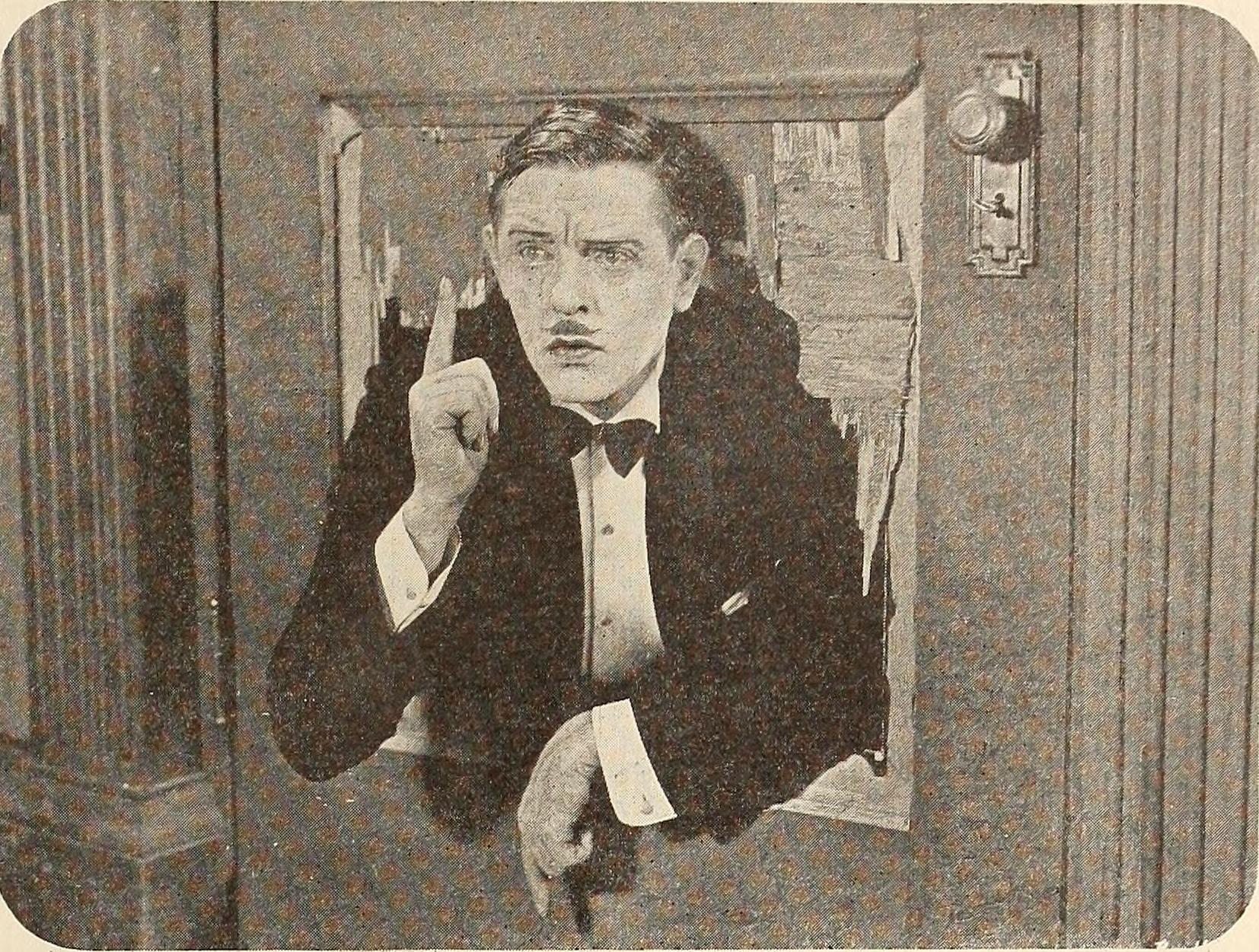
Harry Myers was a revelation in this period. His face is a map of flickering emotions—hope, terror, and a sort of manic ingenuity. He doesn't just act; he vibrates. Contrast this with the more grounded performance of Mitchell Lewis or the veteran presence of Tully Marshall, and you have a balanced ensemble that keeps the film from floating away into pure nonsense. The direction ensures that despite the numerous complications, the audience never loses the thread of Jerry’s primary goal.
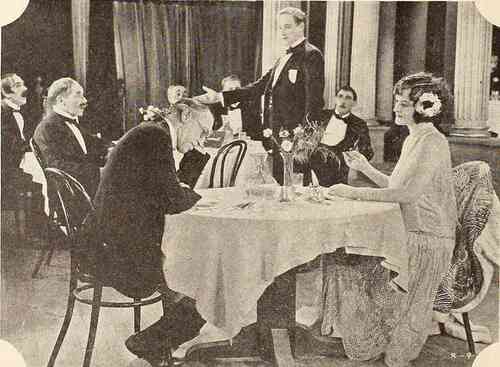
Critical Note: The use of title cards in this film is particularly witty. Joseph Farnham and his co-writers understood that in a farce, the dialogue needs to be as punchy as the action. The banter, though silent, carries a rhythmic quality that propels the scenes forward.
The cinematography, while standard for the mid-20s, makes excellent use of interior spaces. The Skinner household becomes a cage of Jerry’s own making. The way the camera captures the frantic movement through doorways and around furniture emphasizes the claustrophobia of his predicament. It lacks the sweeping grandeur of Whom the Gods Would Destroy, but it gains a domestic intimacy that serves the comedy well.
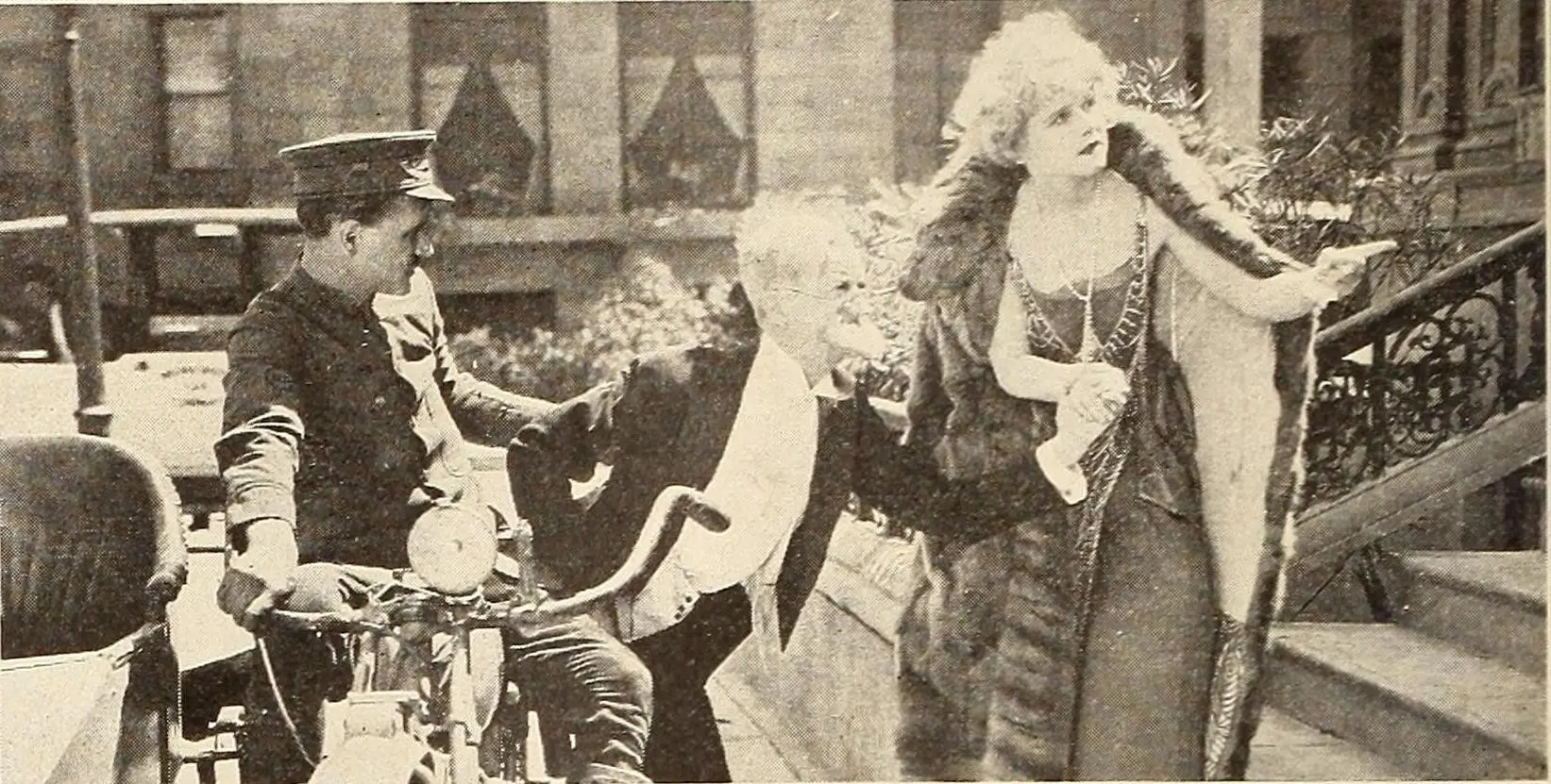
One cannot discuss Reckless Romance without addressing its obsession with the market. Jerry’s decision to invest half his money in 'worthless' stock is a move that echoes the speculative fever of the era. It is a moment of pure narrative irony: the very thing that should have ruined him becomes his salvation. In many ways, the film is a precursor to the screwball comedies of the 1930s, where the protagonist's survival depends on a mix of luck and a refusal to acknowledge the gravity of their situation.
When compared to the gritty realism of In the Python's Den or the rugged masculinity of Trigger Fingers, Reckless Romance feels light, almost ethereal. Yet, there is a subtle critique of the American Dream hidden beneath the laughter. The idea that a man must prove his worth through a series of arbitrary financial hurdles is a recurring theme in silent cinema, from Flickering Youth to the more dramatic The Man Unconquerable.
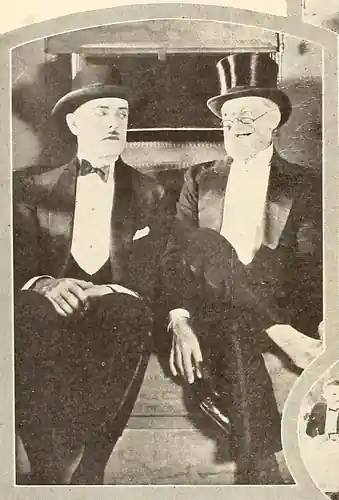
The depth of the cast is what elevates this from a mere trifle to a significant work. Jack Duffy and George B. French provide the necessary comedic friction, while Morgan Wallace adds a layer of suave complication. It’s fascinating to see how these actors, many of whom were staples of the industry, navigated the transition from the theatrical styles of the early teens to the more nuanced screen acting required by 1924. Even in a film as broadly comic as this, there are moments of genuine pathos, particularly in Wanda Hawley’s portrayal of a woman caught between her father’s demands and her lover’s insanity.
The film’s resolution—a double-whammy of the Skinners staying together and the stock value doubling—is the ultimate wish-fulfillment. It suggests a universe that rewards the bold, the reckless, and the fundamentally well-intentioned. It’s a stark contrast to the darker fates found in Drama na okhote or the heavy atmosphere of Der Leibeigene. Here, the world is a playground, and even the most dire financial straits are merely a setup for a punchline.
Looking back at Reckless Romance nearly a century later, one is struck by its sheer velocity. It doesn't waste time on introspection. Like the characters in Skinning Skinners, everyone is in a rush to get somewhere, to be someone, or to hide something. It is a film of motion. The editing is sharp, the pacing is relentless, and the payoff is satisfying in a way that only a well-constructed farce can be.
While it may not possess the haunting imagery of The Deemster or the tragic weight of His Convict Bride, it occupies a vital space in the history of the medium. It represents the moment when cinema fully embraced its ability to tell complex, multi-threaded stories with nothing but light, shadow, and a few well-placed words. Harry Myers remains a forgotten titan of this era, and Reckless Romance is perhaps his most enduring testament to the power of the comedic spirit.
In conclusion, if you find yourself yearning for a time when problems could be solved by a lucky stock trade and a well-timed divorce scheme, look no further. This film is a joy—a chaotic, reckless, and thoroughly romantic joy that reminds us why we fell in love with the silver screen in the first place. It is a testament to the fact that even when the world seems to be falling apart, there is always room for a little romance, provided you have ten thousand dollars and a very understanding uncle.
IMDb 7
1928
Community
Log in to comment.