DbcultAccessing Vault...
4.1/10
Senior Film Conservator
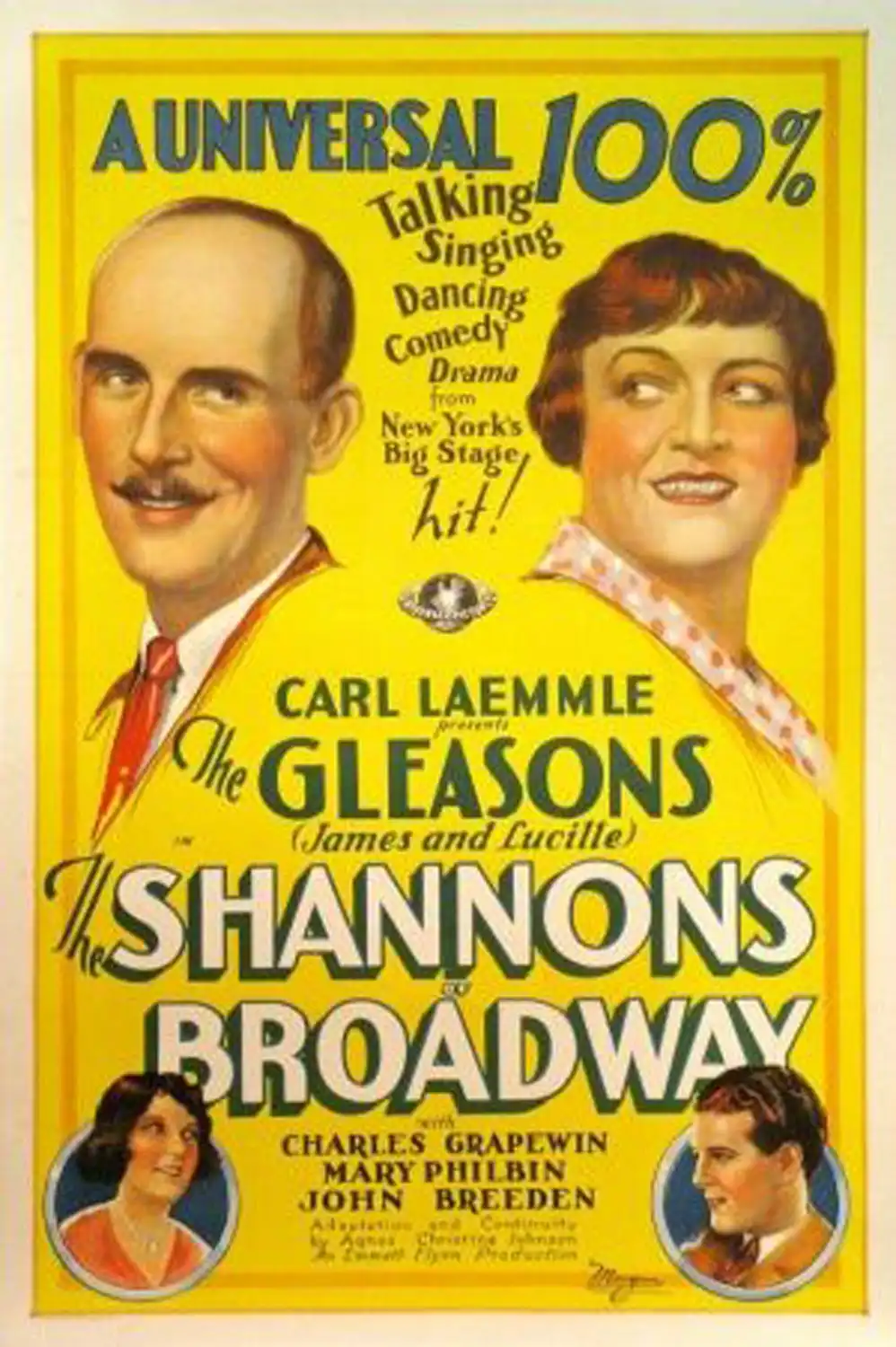
A definitive 4.1/10 rating for a film that redefined the boundaries of cult cinema. The Shannons of Broadway remains a cornerstone of transgressive art.
You should probably watch this if you’re the type of person who finds 1920s slang actually charming. It is a good pick for a rainy afternoon when you don't want to think too hard. If you hate crackly audio or movies that feel like everyone is shouting to be heard in the back row, you’ll probably want to skip it.
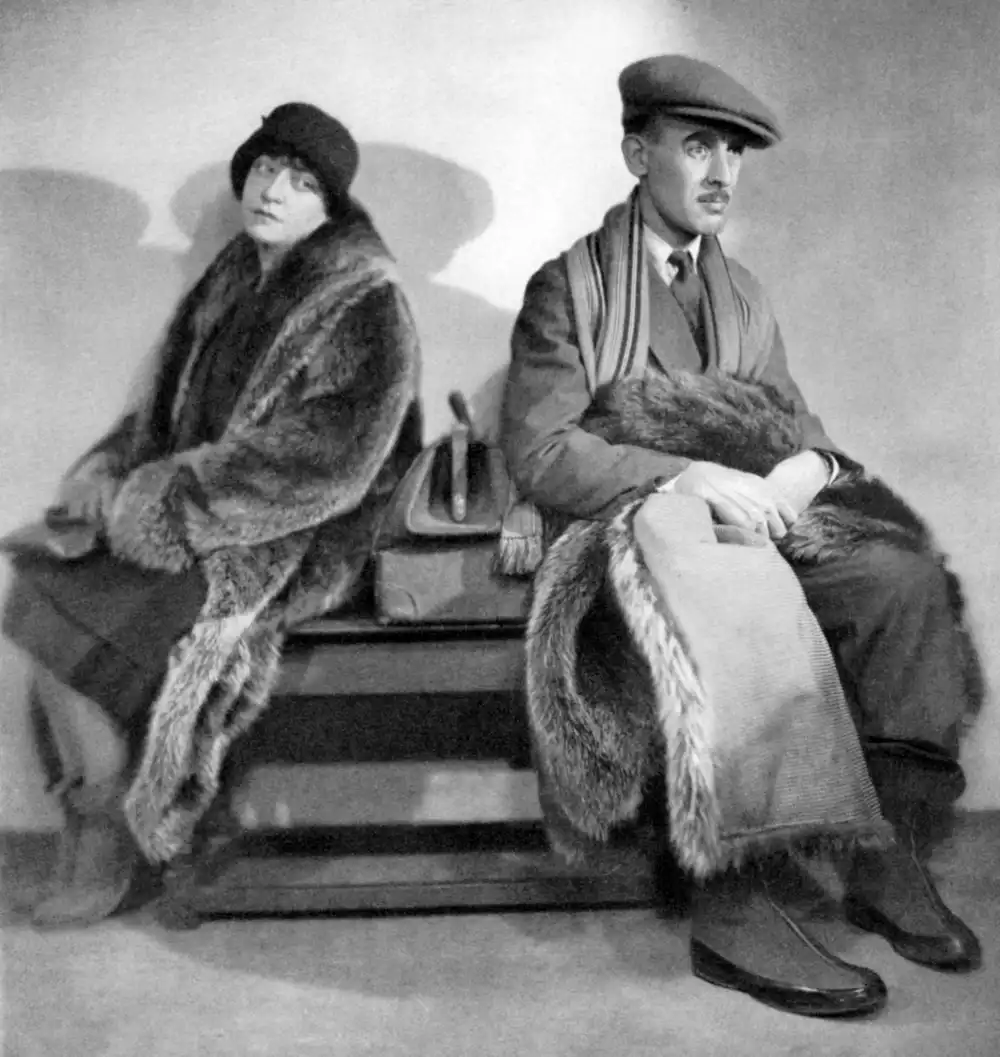
The movie is mostly just James and Lucile Gleason being an old married couple. They were married in real life, and you can tell because they have this shorthand way of talking to each other. They don't even look at each other half the time when they speak, which is exactly how people who have been together for twenty years actually behave.
The whole thing kicks off in a theater where the Shannons are doing their act. Then this guy Swanzey, who owns the local hotel, just barges in and drags his daughter Tessie out of the crowd. It’s a bit jarring. One second they are telling jokes, and the next, there’s this angry dad making a scene.
James Gleason plays Mickey Shannon, and he’s got this great, wise-guy energy. He’s the kind of guy who probably has a toothpick in his mouth even when he’s sleeping. He stands up to the dad, and through a weird series of events involving a foreclosure threat, the Shannons buy the hotel.
The way they buy the hotel is so casual. It’s like they’re buying a pack of gum instead of a whole business. I wish buying real estate was that fast today.
Once they get to the hotel, the movie slows down a lot. It’s mostly just people coming in and out of the lobby. It reminds me a bit of the vibe in The Show, but without the weird circus tension. It’s just... a lobby.
I noticed the lighting in the hotel scenes is really bright. Like, aggressively bright. It makes the sets look a bit like cardboard, but in a way that’s sort of endearing. You can see the dust on the counter and the way the actors' makeup is a little too thick.
There is a subplot about Tessie and her boyfriend Chuck. Chuck’s dad is the rich guy trying to ruin everyone’s fun. It’s a very standard plot, honestly. It feels a bit like Rich Girl, Poor Girl, but with more vaudeville jokes sprinkled on top.
One thing that’s really funny is Slim Summerville. He’s in this, and he has this face that looks like it’s made of rubber. Every time he’s on screen, I stopped paying attention to the plot and just watched his expressions. He’s a pro.
The audio is a bit of a struggle. Since it’s 1929, the technology wasn’t quite there yet. You can hear this constant hiss in the background. It sounds like someone is frying bacon in the next room during the emotional scenes.
There is a moment where James Gleason is leaning against the hotel desk and he does this little whistle. It felt totally unscripted. It’s those small, human moments that make these old talkies worth sitting through.
The middle of the movie drags. There are a lot of conversations about who owes money to who. If you’re not into 1920s accounting drama, your mind might wander. I started looking at the hats the women were wearing instead of listening to the dialogue.
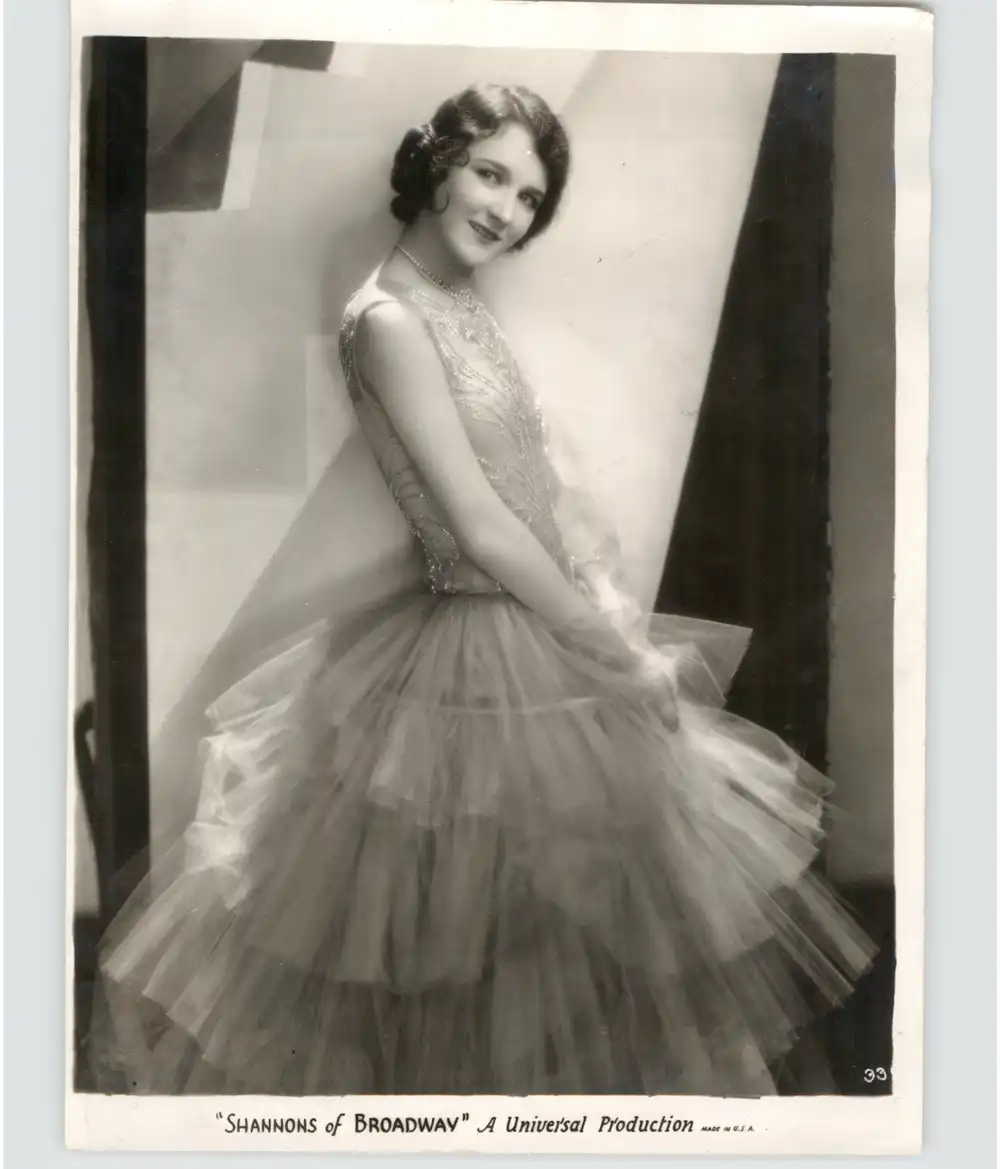
The hats are incredible, by the way. They look like velvet buckets. I don't know how anyone saw anything while wearing them.
The conflict with the wealthy father feels a bit forced. He’s just mean for the sake of being mean. It’s not like The Kentuckians where the conflict feels more baked into the setting. Here, it’s just a plot device to give the Shannons something to do besides tell jokes.
I liked the ending, even if it was predictable. It’s got that warm, fuzzy feeling where everything gets wrapped up in a neat little bow. It’s not deep, but it’s satisfying in a simple way.
The movie is basically a showcase for the Gleasons. If you don't like their vibe, you’re going to have a bad time. James wrote the play this is based on, so he gave himself all the best lines. It’s a bit of a vanity project, but he’s charming enough to pull it off.
I caught a mistake where a guy in the background starts to walk through a door, stops, and then waits for his cue to walk through it again. It’s great. It reminds you that these were just people on a stage trying to figure out how to make a movie.
It isn't as polished as something like Gigolo, but it has more heart. It feels less like a product and more like a group of friends putting on a show. 🏨
In the end, it’s a tiny slice of history. It’s about 90 minutes of people in suits talking about a hotel in New England. It’s not going to change your life, but it’s a nice way to see how movies used to be made before they got so loud and fast. Just don't expect any big action scenes or anything like that.
Also, the dog in the theater scene? I think it was a real dog, but it sat so still I thought it was a prop for a second. 🐕
IMDb 6.6
1935
Community
Log in to comment.