DbcultAccessing Vault...
Cult Review
Senior Film Conservator
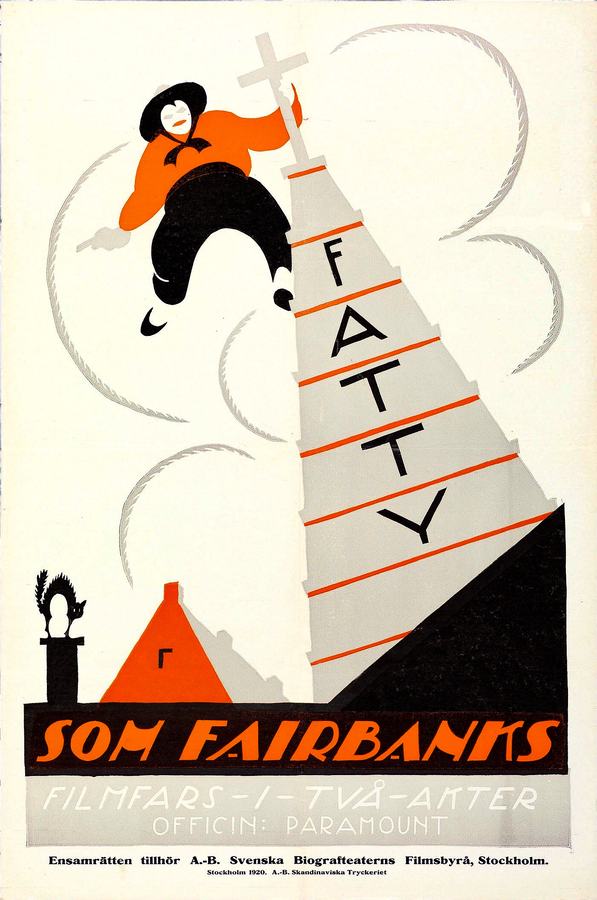
Stepping back into the raucous, dust-choked saloons and sun-baked streets of the early cinematic West, one encounters a peculiar and often misunderstood genius in Roscoe 'Fatty' Arbuckle. His 1918 directorial and starring vehicle, The Sheriff, stands as a testament to an era when physical comedy was king, and a single, well-timed pratfall could elicit more guffaws than a meticulously crafted dialogue. This short, vibrant film, a mere flicker from a bygone age, offers far more than just surface-level amusement; it provides a fascinating window into the evolution of comedic storytelling and the intricate mechanics of silent performance.
Arbuckle, a figure whose personal narrative tragically overshadowed his prodigious talent, was a master of the comedic craft. In The Sheriff, he embodies the quintessential underdog, a portly, good-natured lawman whose formidable girth is matched only by his even more formidable appetite. This characterization is a deliberate subversion of the traditional Western hero, a trope that was already firmly entrenched in the public consciousness. Instead of a stoic, chiseled figure, we are presented with a sheriff who might rather enjoy a hearty meal than a gunfight, a delightful inversion that sets the stage for much of the film's humor. His movements, surprisingly agile for his physique, are choreographed with an almost balletic precision, transforming mundane actions into moments of uproarious slapstick. The way he navigates a chaotic saloon brawl, for instance, isn't just random flailing; it's a carefully orchestrated dance of dodges, tumbles, and accidental triumphs that speaks volumes about his understanding of visual rhythm.
The film's comedic brilliance isn't solely carried by Arbuckle. Betty Compson, a prominent actress of the era, brings a delicate charm and vivacity to her role as the object of the sheriff's affections. Her performance, subtly nuanced within the broader strokes of silent film acting, provides a vital emotional anchor. Compson's ability to convey a spectrum of emotions—from initial apprehension to eventual admiration—through expressive glances and gestures is a reminder of the powerful communicative potential of the silent screen. Her interactions with Arbuckle are imbued with a sweet, innocent chemistry that elevates their burgeoning romance beyond mere plot device, making us genuinely root for their union.
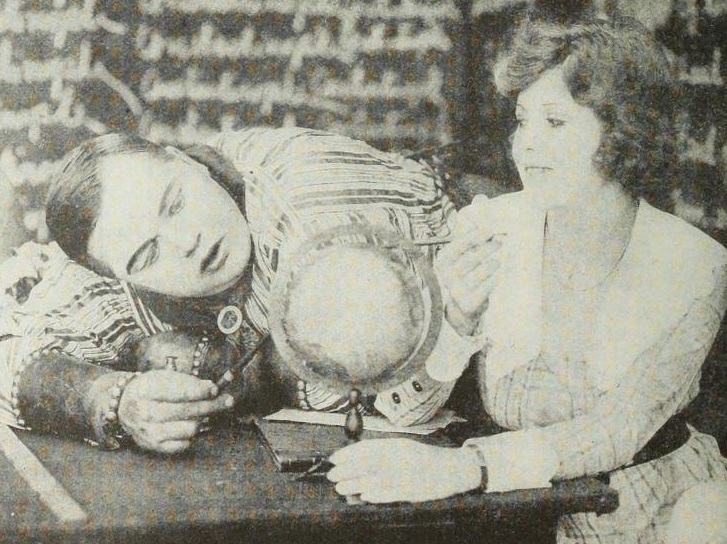
Ernest Morrison, as Arbuckle's bumbling deputy, forms an excellent comedic foil. His earnest attempts at assistance often backfire spectacularly, adding another layer of physical comedy to the proceedings. Morrison’s gangly frame and wide-eyed innocence contrast sharply with Arbuckle's more grounded, albeit equally clumsy, presence, creating a dynamic duo reminiscent of many classic comedy pairings. Monty Banks, another notable figure, contributes to the ensemble with his own distinct brand of silent-era performance, further enriching the film's comedic texture. Even Luke the Dog, a canine star of considerable renown, delivers a performance that transcends mere animal tricks, becoming an integral part of the plot and providing some truly endearing moments of heroism.
Arbuckle’s direction in The Sheriff showcases an astute understanding of visual storytelling, a necessity in the absence of spoken dialogue. The film relies heavily on exaggerated gestures, expressive facial contortions, and meticulously crafted sight gags to convey its narrative and humor. Each scene is framed with a keen eye for comedic potential, ensuring that every movement, every prop, serves a purpose in advancing the plot or delivering a laugh. The pacing is brisk, a hallmark of silent comedies, designed to maintain audience engagement through a constant stream of action and humorous situations. This economical approach to storytelling, where every shot counts, is a masterclass in cinematic efficiency that modern filmmakers could still learn from.
The film's use of intertitles is equally effective, providing just enough exposition or dialogue to clarify the action without interrupting the visual flow. These brief textual interventions are often imbued with their own comedic flair, complementing the onscreen antics rather than simply explaining them. The cinematography, while perhaps rudimentary by today's standards, is surprisingly effective in capturing the essence of the Western setting and the dynamic energy of the physical comedy. The stark lighting and simple sets contribute to an authentic, unvarnished portrayal of frontier life, serving as a fitting backdrop for the unfolding chaos.
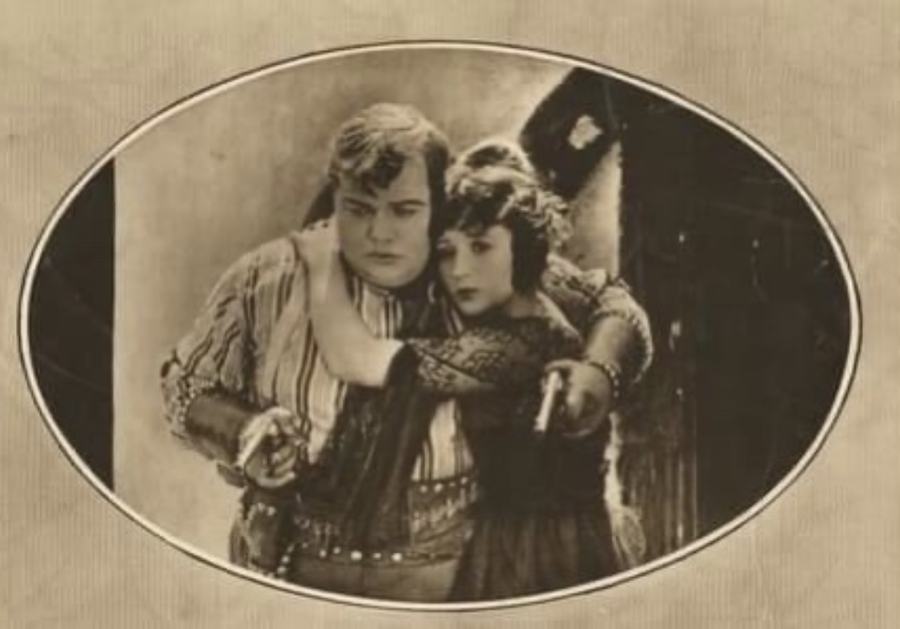
Roscoe Arbuckle’s comedic style, characterized by his remarkable agility, his genial persona, and his penchant for inventive sight gags, was truly unique. He was not merely a performer but an innovator, pushing the boundaries of what was possible in physical comedy. His influence can be seen in subsequent generations of comedians, from Buster Keaton (who started his career working with Arbuckle) to contemporary physical humorists. The Sheriff, while a seemingly lighthearted romp, encapsulates much of what made Arbuckle such a compelling figure: his ability to imbue a seemingly simple character with depth, his masterful control over his body, and his unwavering commitment to eliciting laughter.
The silent Western comedy itself was a burgeoning genre during this period, offering a playful counterpoint to the more serious, dramatic Westerns that were also popular. Films like The Sheriff took familiar tropes—the heroic lawman, the villainous outlaw, the damsel in distress—and delightfully twisted them, finding humor in exaggeration and unexpected outcomes. This subgenre allowed for a broader exploration of the Western landscape, moving beyond tales of grim justice to embrace the absurdity and human foibles present even on the frontier. The charm of these films lies in their ability to poke fun at established archetypes while still delivering a satisfying narrative arc.
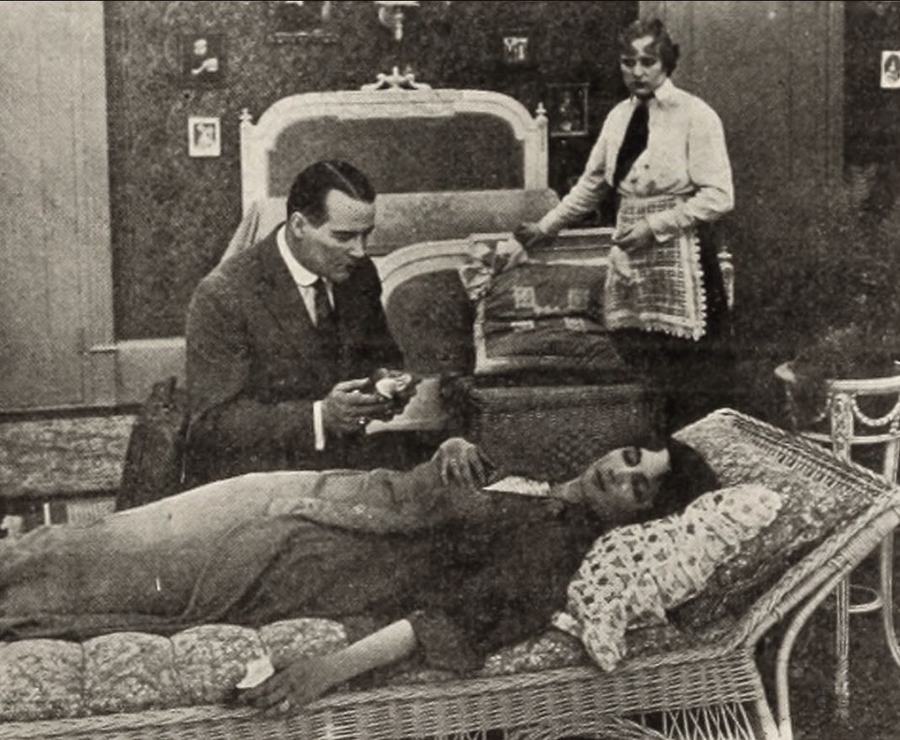
When considering the broader cinematic landscape of its time, The Sheriff stands out for its blend of popular genres. While other films from the era, such as the dramatic intensity found in a production like A Soul Enslaved or the intricate mystery of The Circular Staircase, focused on weighty themes or suspenseful narratives, Arbuckle consistently aimed for pure, unadulterated entertainment. This film, alongside others from his prolific output, illustrates a deliberate choice to prioritize laughter, often with a subtle undercurrent of humanity that made his characters relatable despite their exaggerated circumstances. His work often contrasted with the more serious dramatic fare, highlighting the diverse tastes of early cinema audiences.
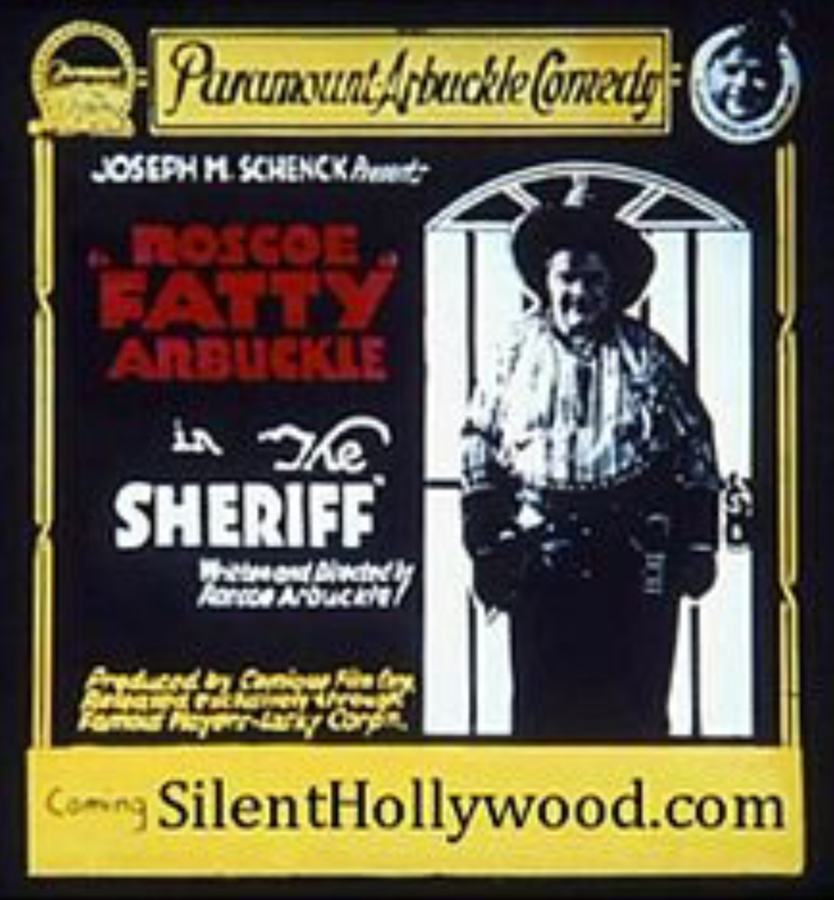
Beyond the performances, The Sheriff also offers insights into the technical ingenuity of early filmmaking. The practical effects, the set designs, and the editing techniques, though primitive by today’s standards, demonstrate a remarkable creativity in overcoming technological limitations. The chase sequences, for instance, are expertly staged and cut, maintaining a sense of urgency and excitement. The use of location shooting, giving an authentic feel to the Western backdrop, further enhances the film's immersive quality. It's a testament to the vision of these early pioneers that they could craft such engaging and polished productions with the tools available to them.
The enduring appeal of The Sheriff lies not just in its historical significance, but in its timeless humor. Laughter, after all, transcends eras and cultures. Arbuckle's ability to tap into universal comedic triggers—the unexpected fall, the mistaken identity, the triumph of the unlikely hero—ensures that the film remains enjoyable even a century after its release. It’s a joy to witness his character’s journey from a somewhat hesitant figure to the unexpected savior of the town, all while maintaining a charming, self-deprecating demeanor. This journey resonates with audiences, proving that heroism can come in all shapes and sizes, and often with a side of pie.
Comparing the narrative clarity and comedic precision of The Sheriff to other contemporary films like The Make-Believe Wife (if it also leaned into romantic comedy) could highlight the different approaches to humor and plot development. While some films might have emphasized intricate plot twists or sophisticated romantic entanglements, Arbuckle's strength lay in direct, visual, and highly effective gags that conveyed emotion and story without needing complex exposition. Even films like Wildfire, likely a dramatic adventure, would stand in stark contrast to the lighthearted, almost farcical tone of Arbuckle's work, underscoring the broad spectrum of cinematic experiences available at the time. The contrast between Arbuckle's deliberate physical comedy and the more straightforward narrative focus of a drama like Pillars of Society is stark, highlighting the distinct artistic goals of different filmmakers and genres within the nascent film industry.
It is impossible to discuss Roscoe Arbuckle without acknowledging the profound impact of his later personal controversies on his career and public perception. However, it is crucial to separate the artist from the individual, and to appreciate the significant contributions he made to the art form. The Sheriff predates these tragic events, representing a period of his career where his creative output was unburdened, vibrant, and incredibly influential. This film, like much of his early work, showcases a performer and director at the height of his comedic powers, experimenting with techniques that would shape the future of comedy.
The film also serves as a historical artifact, preserving a snapshot of early 20th-century American entertainment. The sets, costumes, and general atmosphere reflect the cultural sensibilities of the time, offering valuable insights for historians and film scholars. The very existence of a film like The Sheriff, with its relatively simple narrative and emphasis on pure entertainment, reminds us of the foundational role that accessible, joyous cinema played in attracting early audiences and solidifying film as a mainstream art form. It's a reminder that sometimes, the most profound impact comes from the most seemingly uncomplicated pleasures.
In conclusion, The Sheriff is more than just a silent comedy; it is a vital piece of cinematic history, a showcase for Roscoe Arbuckle's extraordinary talent, and a delightful experience for anyone willing to immerse themselves in the charm and ingenuity of early film. Its blend of physical humor, engaging characters, and efficient storytelling makes it a standout example of its genre. It compels us to look beyond the simplistic label of 'slapstick' and appreciate the meticulous craft and artistic vision that went into creating such enduring laughter. For those seeking to understand the roots of cinematic comedy, or simply in search of a good, old-fashioned laugh, The Sheriff remains an essential viewing experience, a vibrant echo from the golden age of silent cinema.
IMDb —
1918
Community
Log in to comment.