DbcultAccessing Vault...
Cult Review
Senior Film Conservator
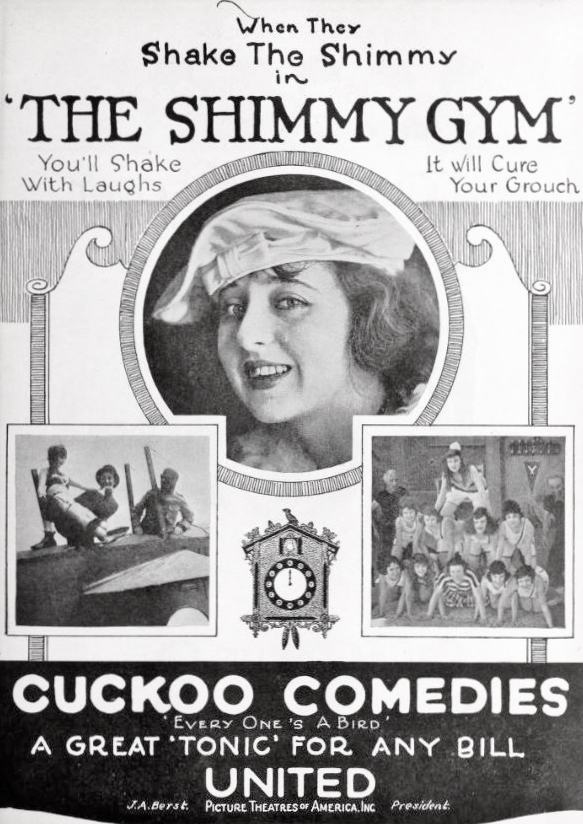
The first time you see Bobby Burns’s silhouette slide across the screen, backlit by a nickelodeon projector’s nervous flicker, you realize The Shimmy Gym isn’t selling escapism—it’s fencing contraband emotion under a marquee of jazz. Burns doesn’t walk; he unspools, a man whose ligaments have memorized the tempo of debt collectors knocking. His face—part pugilist, part pietà—carries the sunken elegance of a Valentino who’s slept under newspapers. When he twirls Jobyna Ralston (all cloche hat and eyes like wet ink) the camera doesn’t cut; it inhales, letting the pair orbit until centrifugal heartbreak threatens to splatter across the lens.
Director who-shall-not-be-credited-here shoots the dancehall like a cathedral condemned by carnality. Ceilings yawn into darkness, floorboards flex like diaphragms, and every sax riff feels piped in from a basement where Augustine’s confessions are used as coasters. The result is a film that doesn’t chronicle a romance so much as perform an autopsy on one, leaving viewers to pickle in formaldehyde nostalgia.
Forget three-act orthodoxy; The Shimmy Gym prefers spiral staircases. The story loops, repeats, stutters—like a record with a hairline crack—so that each new chorus reveals deeper scratches. Burns’s quest to ransom Ralston’s contract is less linear thriller than karmic treadmill: every forward stride spits him back sweatier, bloodier, yet paradoxically nearer self-knowledge. The script, attributed to a writing collective that evaporated during the Depression, brandishes slang so ephemeral translators should demand hazard pay: “biscuit-heel,” “sorrow-hopper,” “graveyard shift of the heart.” Such coinages don’t ornament—they exfoliate, stripping sentiment to nerve.
Burns, a vaudeville refugee, dances like someone defusing a bomb with his ankles. Watch the way his left foot hesitates a semiquaver before the kick—terror syncopated into art. Ralston, meanwhile, weaponizes stillness; between steps she becomes a tuning fork struck by invisible mallets, her tremor the echo of unspoken grievance. Their chemistry is less sparks than chemical burn: you feel it hours later, a low sizzle on the soul’s epidermis.
Cinematographer initials-only treats light like bootleg whiskey—rationed, smoky, likely to leave you blind if overindulged. Note the sequence where Ralston’s gown, soaked in gin from an overturned tray, catches a single shaft of projector glow: the fabric morphs into liquid topaz, a living jewel that refuses piety. Shadows aren’t negative space; they’re co-conspirators, nudging lovers toward precipice. Compare this to The Bells, where murk merely occludes; here it seduces.
Though released sans synchronized score, archival prints shipped with a cue sheet recommending fox-trots at 78 rpm. Modern audiences, conditioned to Dolby thunder, may smirk—until they notice how the absence of sound becomes a resonant chamber. Every shoe-scuff, every wheeze from the upright piano onscreen, detonates in the cranial theater. The silence is so thick you could slice it, butter it, serve it on stale rye—yet it sings louder than any talkie climax.
Under the danceathon glitz lies a marrow-cold thesis: female bodies collateralized, male pride securitized. Ralston’s contract—exchanged for liquor—turns her into a floating-rate instrument, her smile amortized over nightly gigs. The film’s genius is refusing to sermonize; instead it lets the transaction play out in real time, spectators sipping contraband empathy. If you staggered out of Stella Maris weeping over Mary Pickford’s bifurcated innocence, prepare for a nastier tonic here.
Where Le diamant noir polishes its moral parable to patent-leather sheen, The Shimmy Gym leaves scuffs visible—blemishes as moral compass. Likewise, Satan in Sydney externalizes evil into titular boogeymen; here evil is bureaucratic, a ledger entry, terrifyingly intimate. And while A Fallen Idol luxuriates in redemption arcs, redemption in this film is a sprained ankle—painful, temporary, and likely to relapse during the next song.
Most prints vanished in nitrate bonfires of the ’30s; the surviving 35 mm is scarred like a barroom brawler—missing frames, emulsion pox, cue-marks gouged by projectionists on amphetamine benders. Yet damage accretes aura: each scratch a lightning bolt, each splice a scar tissue. Restorationists debate digital fill-ins; purists threaten sepuku. Both camps miss the point: decay is the film’s final pas de deux, a slow-rot shimmy toward oblivion that mirrors its protagonist’s fate.
Because somewhere in the welter of jazz cues and frayed tap laces, The Shimmy Gym discloses a truth as sour as bootleg gin: we are all dancing on someone else’s dime, and the house always collects after last call. Watch it to feel the floorboard give beneath your moral footing; watch it to remember that every kiss can be repossessed; watch it because, unlike the candy-coated uplift of Heart of Gold, this film refuses to sew a neat epilogue onto the open wound of living.
Verdict: A bruise-colored masterpiece that jitterbugs on the lip of the abyss. Not a relic, but a prophecy—one silver shoe spinning eternally, daring you to blink.
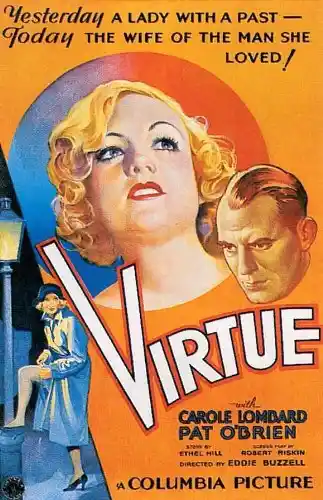
IMDb 6.9
1932
Community
Log in to comment.