DbcultAccessing Vault...
6.3/10
Senior Film Conservator
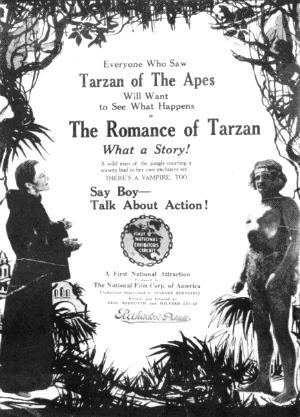
A definitive 6.3/10 rating for a film that redefined the boundaries of cult cinema. The Romance of Tarzan remains a cornerstone of transgressive art.
Stepping back into the nascent days of cinema, when flickering images and orchestral scores wove narratives without spoken word, we encounter The Romance of Tarzan. Released in 1918, this silent film offered audiences a captivating continuation of the iconic jungle lord’s saga, following the success of its predecessor. It’s a fascinating artifact, not merely for its historical significance as an early adaptation of Edgar Rice Burroughs’ enduring creation, but also for its ambitious attempt to transport viewers into a world both exotic and perilous. The film, penned by Bess Meredyth and Wilfred Lucas, under the guiding hand of Burroughs himself, sought to deepen the emotional stakes of Tarzan’s world, pushing beyond simple adventure to explore themes of love, loss, and the eternal clash between civilization and the wild.
At its core, The Romance of Tarzan hinges on a pivotal decision: Tarzan and Jane’s departure from their established jungle paradise for the bewildering complexities of England. This narrative pivot is crucial; it represents a deliberate step away from the familiar, a journey into the unknown that immediately sets a tone of impending drama. The very idea of Tarzan, the quintessential wild man, navigating the rigid customs and artificial environments of European society is pregnant with dramatic potential. However, this journey is tragically cut short. Before they can even truly embark, the couple is ambushed by hostile native tribes, an event that shatters their immediate future and casts a long shadow of uncertainty over their bond. The chaos of the attack, the desperate struggle, and the sudden, brutal disappearance of Tarzan, presumed dead, leaves Jane in an agonizing state of grief and isolation, forced to confront a world where her protector, her soulmate, is no more. This particular plot point, while a common trope in adventure serials of the era, serves to amplify the emotional weight, demanding a performance of profound sorrow from Enid Markey as Jane.
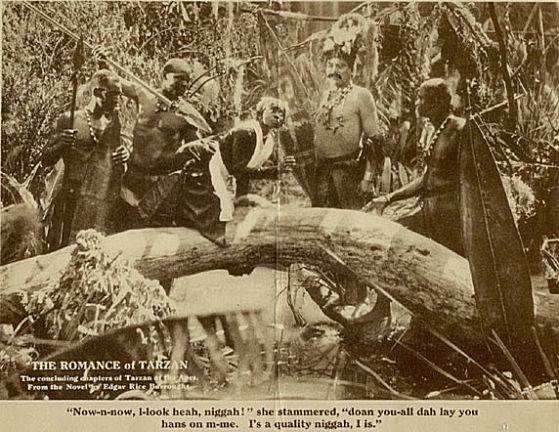
The casting of Monte Blue as Tarzan, while perhaps not as iconic as later interpretations, brought a certain athletic grace to the role. Silent film acting, with its reliance on exaggerated gestures and facial expressions, presented unique challenges, and Blue, along with Kathleen Kirkham, Nigel De Brulier, and the aforementioned Enid Markey, navigated these demands with varying degrees of success. The ensemble, including seasoned performers like Thomas Jefferson and the formidable Elmo Lincoln, who had previously donned the loincloth, contributed to the film’s adventurous spirit. It’s worth noting the fascinating lineage of Tarzan actors, with Lincoln being the first to bring the character to the screen in the initial film. The presence of actors like John Cook, Bessie Toner, Colin Kenny, Phil Dunham, Gordon Griffith, Cleo Madison, George B. French, Clyde Benson, and True Boardman further enriched the film's tapestry, each playing their part in the unfolding jungle drama. The performances, though grand and theatrical by today’s standards, were perfectly in tune with the cinematic language of the era, communicating intense emotions and complex plot points through purely visual means.
One cannot discuss The Romance of Tarzan without acknowledging its foundation in the works of Edgar Rice Burroughs. Burroughs’ vision of a feral nobleman, raised by apes, navigating the perils of the African jungle and the even greater perils of human society, captured the public imagination like few other literary creations. This film, like many early adaptations, wrestled with the challenge of translating the vivid imagery and internal monologues of prose into a purely visual medium. The writers, Bess Meredyth and Wilfred Lucas, faced the daunting task of condensing complex narratives and character arcs into a format reliant on action and visual spectacle. Their collaboration with Burroughs himself ensured a degree of fidelity to the source material, a crucial element for fans who had already devoured the novels.
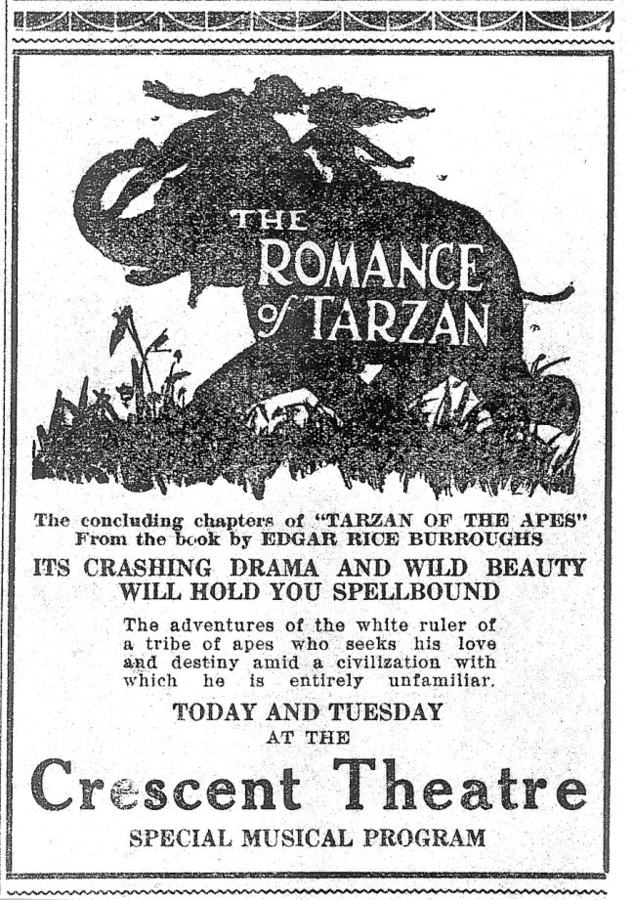
The cinematic landscape of 1918 was a vibrant, rapidly evolving one. Films like The Fairylogue and Radio-Plays, though earlier, showcased nascent attempts at multi-media storytelling, while adventure serials were a staple. Films such as The Bull's Eye or Get the Boy, though perhaps not sharing the same exotic locales, tapped into a similar audience hunger for thrilling narratives and daring protagonists. The Romance of Tarzan certainly fit this mold, offering escapism and a hero who defied conventional societal norms. It was a time when cinema was still finding its voice, experimenting with narrative structures, camera techniques, and the very concept of cinematic grammar. The ambition of bringing the vastness of the jungle and the physicality of Tarzan to the screen, even with rudimentary special effects, was commendable.
The film’s portrayal of indigenous populations, a common element in many adventure films of the era, warrants a critical lens from a contemporary perspective. It reflects the prevailing attitudes and colonial gaze of the early 20th century, often depicting native tribes as monolithic, savage antagonists. While this was regrettably standard practice, it's a reminder of how cultural representations in cinema have evolved, thankfully, over time. It’s important to view such elements through a historical context, understanding them as products of their time rather than endorsing their problematic aspects. This critical distance allows us to appreciate the film's historical value without condoning its less enlightened cultural depictions.
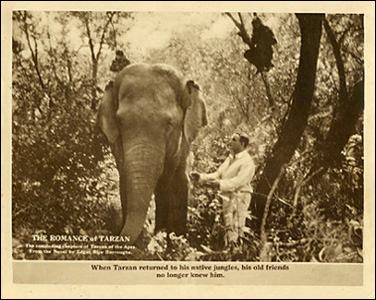
Visually, silent films often compensated for the lack of dialogue with striking compositions and dynamic action sequences. Though specific details of the film's visual flair might be lost to time or the condition of surviving prints, the very premise of Tarzan demands a certain spectacle. The jungle itself becomes a character, a vibrant, dangerous backdrop against which human drama unfolds. The struggle against the elements, the agility of Tarzan, and the perilous encounters with wildlife (or actors in animal costumes) were central to the appeal. This was an era where films like The Soul of Satan or The Aryan were exploring different facets of human nature and adventure, but Tarzan offered a unique blend of primal instinct and romantic idealism.
The legacy of The Romance of Tarzan, like many early silent films, is one of foundational importance. It helped cement the character of Tarzan in the burgeoning medium of cinema, paving the way for countless future adaptations that would continue to explore and reinterpret Burroughs' vision. It contributed to the mythos, showing that the jungle lord was not just a figure of physical prowess, but also capable of profound emotional depth and vulnerability, especially in his relationship with Jane. The film, in its own way, pushed the boundaries of what cinematic storytelling could achieve without spoken words, relying on the power of visual narrative and the expressive capabilities of its actors. While films like Each Pearl a Tear or The Price of Silence focused on social dramas, Tarzan championed pure, unadulterated adventure.
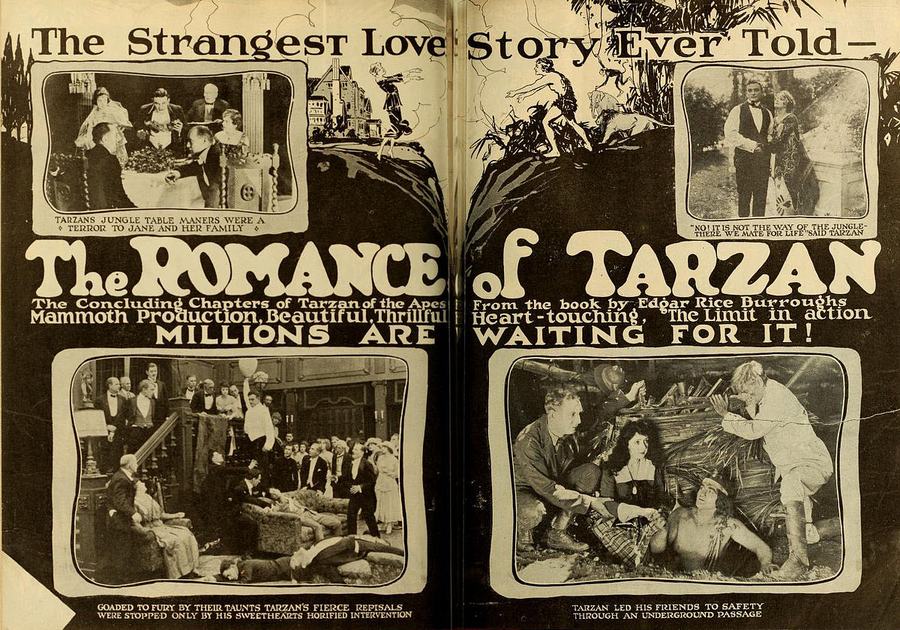
For modern viewers, approaching a film like The Romance of Tarzan requires a certain mindset. It's not about comparing it to contemporary blockbusters with their CGI-laden spectacles and nuanced dialogue. Rather, it's an exercise in appreciating the craft of early filmmakers, their ingenuity in overcoming technical limitations, and their ability to forge compelling narratives from the raw materials of light, shadow, and human performance. It’s a glimpse into a bygone era of entertainment, where the magic of moving pictures was still a relatively new and wondrous phenomenon. The dramatic beats, while perhaps slower than what we're accustomed to, allowed for a deeper absorption into the emotional states of the characters, particularly Jane's despair after Tarzan's perceived death.
The film’s exploration of themes, albeit subtly conveyed through action and expression, remains pertinent. The tension between the wild and the civilized, the innate human desire for belonging, and the resilience of love in the face of overwhelming adversity are timeless concepts. Tarzan, as a character, embodies this conflict perfectly. He is a bridge between two worlds, constantly torn between his primal instincts and the lessons of humanity. The premise of traveling to England underscores this internal struggle, making the jungle attack not just a plot device, but a symbolic rejection of the 'civilized' path he was about to take, pulling him back into the untamed heart of his true home.
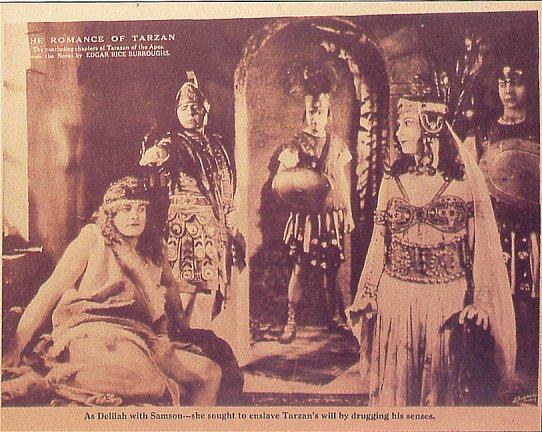
Considering the constraints of silent filmmaking, the ambition behind The Romance of Tarzan is truly remarkable. The production would have involved significant logistical challenges, from recreating jungle environments to coordinating large groups of extras for the battle sequences. The sheer effort involved in bringing such an expansive narrative to the screen without the benefit of sound recording technology highlights the dedication of the filmmakers. Compared to films like A Modern Mother Goose, which might have relied on simpler sets and fewer characters, the Tarzan saga was always designed for grandeur.
Ultimately, The Romance of Tarzan stands as a significant chapter in the Tarzan cinematic universe and a noteworthy example of early adventure filmmaking. It reminds us of a time when cinema was a raw, visceral experience, relying solely on the power of images and the emotional resonance of its performers. While it carries the cultural baggage of its era, its contribution to the evolution of character-driven adventure narratives is undeniable. It’s a film that, despite its age, still manages to evoke a sense of wonder and excitement, drawing us into the enduring legend of the ape-man and his extraordinary world. It is a testament to the fact that compelling stories, well-told, can transcend the limitations of technology and time, much like the timeless appeal of other narrative-driven films such as Joy and the Dragon or The Ticket-of-Leave Man. The film's place in history is secure, not just as a Tarzan adaptation, but as a vibrant piece of the silent film mosaic, offering a window into the narrative ambitions and stylistic conventions of a formative cinematic period. It’s a film that asks us to engage with its world on its own terms, to appreciate the artistry of its time, and to recognize the enduring power of a myth that continues to captivate generations, much like the enduring political themes in El grito de Dolores o La independencia de México or the dramatic intensity of Greater Love Hath No Man. The dramatic tension, the raw emotion portrayed by Enid Markey, and the primal vigor of Monte Blue, all coalesce to create an experience that, while vintage, still speaks to the core human desire for adventure and enduring love. The narrative, as simple as it may seem on the surface, delves into profound questions about identity and belonging, issues that resonate even in modern storytelling. This film, like a carefully preserved relic, allows us to glimpse the origins of a cinematic legend and appreciate the foundational work that shaped the adventure genre. The raw energy of this early Tarzan installment, while lacking the polish of later productions, possesses an undeniable charm and historical weight, cementing its status as an important precursor to the countless jungle adventures and heroic sagas that would follow. It's a journey into the heart of a narrative, a moment frozen in time that still pulsates with the wild beat of its jungle setting, even when viewed through the lens of a century past. The collaborative spirit of Edgar Rice Burroughs with screenwriters Bess Meredyth and Wilfred Lucas is palpable, ensuring that the essence of Tarzan's world, his love for Jane, and the ever-present danger of his environment, remained central to the cinematic translation. This dedication to the source material, combined with the innovative filmmaking of the era, created a powerful, if silent, spectacle that continued to fuel the Tarzan phenomenon for decades to come, proving that compelling storytelling truly transcends spoken language. The film, in its quiet grandeur, stands as a testament to the burgeoning power of cinema to transport audiences to worlds beyond their wildest imaginings, a feat it accomplished with a cast that, though silent, spoke volumes through their expressions and actions. It's a vital piece of the puzzle in understanding the evolution of adventure cinema, much like the European productions such as Balletdanserinden or Ein Ehrenwort contributed to their respective genres. The enduring appeal of the Tarzan mythos, initiated in print and powerfully translated to the screen in films like this, continues to resonate, demonstrating the timeless hunger for tales of heroism, survival, and untamed romance.
IMDb 5.2
1933
Community
Log in to comment.