DbcultAccessing Vault...
7.6/10
Senior Film Conservator
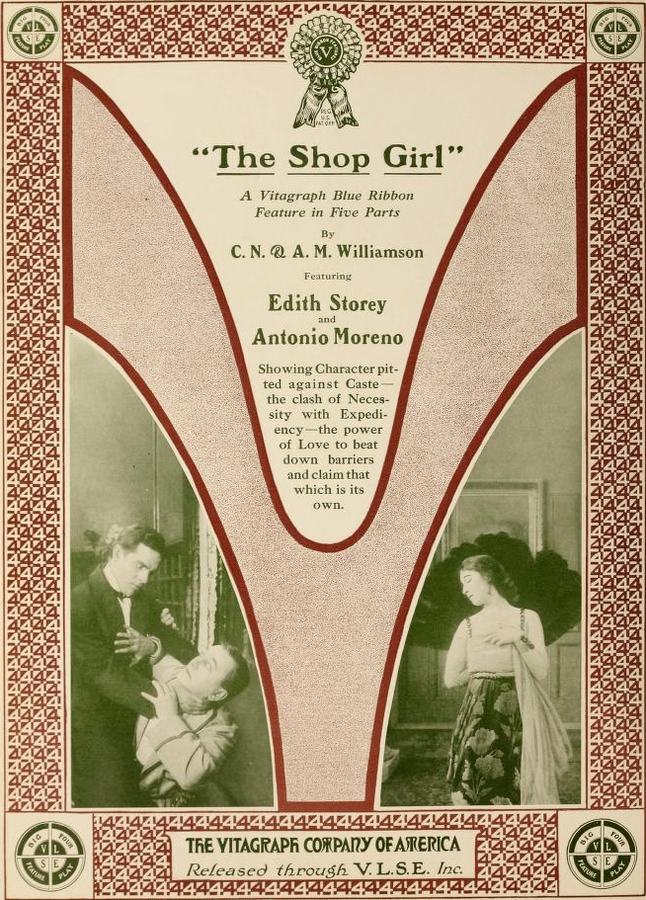
A definitive 7.6/10 rating for a film that redefined the boundaries of cult cinema. The Shop Girl remains a cornerstone of transgressive art.
Step into the flickering shadows of early 20th-century cinema, and you’ll often find narratives that, despite their age, resonate with an astonishing contemporary relevance. "The Shop Girl" (1916), a silent film that, even in its textual summary, evokes a potent sense of social commentary, stands as a testament to the enduring power of storytelling to illuminate the human condition. This isn't merely a quaint relic from a bygone era; it's a stark, often brutal, portrayal of a young woman's struggle against the relentless tides of class disparity, gender-based predation, and the insidious machinations of an unforgiving society. As a critic, I find myself drawn to these narratives, not just for their historical value, but for their ability to peel back the veneer of polite society and expose the raw, often uncomfortable truths beneath.
The film introduces us to Winifred, a character whose journey is a microcosm of the trials faced by countless women navigating the burgeoning urban landscapes of the time. Her initial encounter with Peter Rolls, a scion of wealth and privilege, aboard a steamer returning from Europe, sets the stage for a romance that is, from its very inception, fraught with the perils of social stratification. Peter is smitten, a classic romantic hero in the making, but his affections are immediately challenged by the formidable barrier of his sister, Ena. Ena is not merely an antagonist; she is the embodiment of a rigid social order, ambitious and calculating, determined to shepherd her brother towards a match that aligns with their family's elevated status. Her cruel fabrication of Peter's engagement to Eileen, sister of Lord Ravglan, is a masterstroke of manipulation, designed to shatter Winifred's hopes and remove her from Peter's orbit. This act of deliberate sabotage is a chilling reminder of how easily personal happiness could be sacrificed at the altar of societal expectation, a theme echoed in films like Divorced, where reputation and social standing often dictated individual fates.
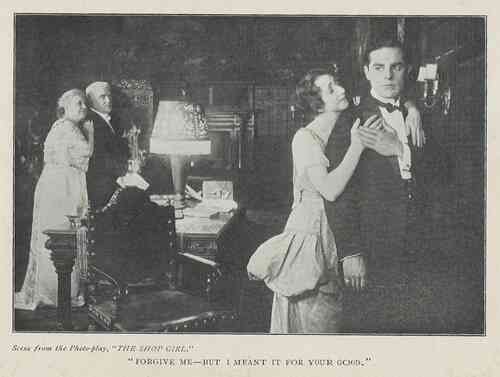
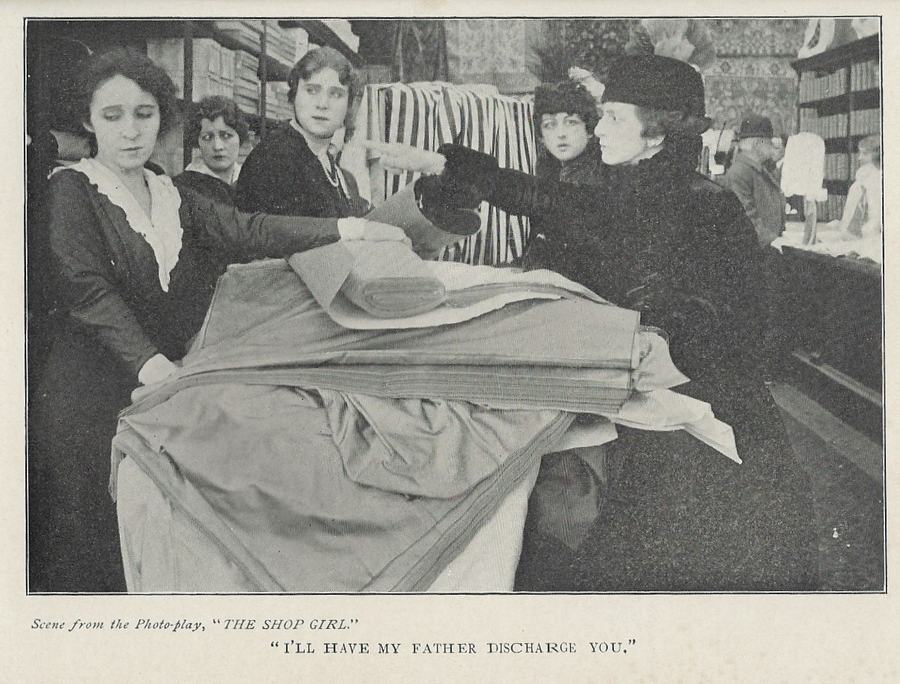
Winifred's descent into economic precarity begins almost immediately after this romantic disillusionment. Working in a stylish modiste's shop, she confronts the daily indignities faced by working-class women. When a particularly boorish customer crosses the line, insulting her with impunity, Winifred’s response is a visceral, defiant slap. This act, while morally justifiable, proves professionally catastrophic. Mme. Nadine, the modiste, driven by fear of losing a valuable customer, ruthlessly discharges Winifred and, worse yet, blacklists her across other establishments. This systematic exclusion from employment, a chilling form of economic violence, highlights the precarious position of women reliant on their own labor. It’s a narrative thread that could easily be woven into the tapestry of films depicting urban hardship and the vulnerability of the working class, such as Father John; or, The Ragpicker of Paris, which often explored the stark realities of poverty and moral compromise in crowded cities.
In sore straits, forced to move to cheaper, more squalid quarters, Winifred's resilience is truly tested. It is here that she encounters Lily, a salesgirl at Roll's department store, who, perhaps sensing a kindred spirit or simply acting out of genuine compassion, offers a lifeline. Lily takes Winifred to Megeison, the store manager, to secure a position. Megeison's initial reluctance, quickly overcome by Winifred's striking appearance, is a subtle but potent indicator of the patriarchal gaze that permeated professional environments. Her beauty, a double-edged sword, grants her employment but also marks her for future exploitation. This dynamic, where a woman's physical attributes dictate her opportunities and simultaneously expose her to danger, is a recurring motif in early cinema, reflecting societal anxieties and realities.
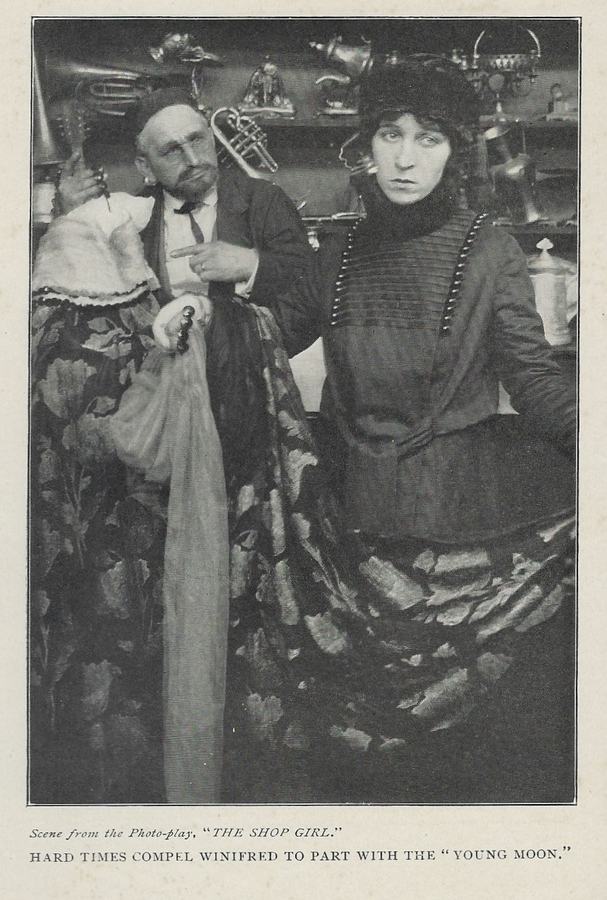
The narrative then brings Ena back into the fold, injecting a fresh dose of aristocratic malice into Winifred's fragile existence. Ena, shopping at her father’s department store, spots Winifred, against whom she still harbors a deep-seated dislike. Her calculated remarks, designed to provoke and demean, are a masterful display of passive-aggressive cruelty. When Winifred, understandably, resents these veiled insults, Ena seizes the opportunity to complain to Megeison, seeking Winifred's dismissal. Megeison, ever the opportunist, feigns compliance, pretending to discharge Winifred only to reinstate her and transfer her to another department once Ena departs. This maneuver reveals Megeison's duplicity and his growing, unsettling interest in Winifred. It's a classic setup for a more sinister turn, where a powerful man uses his position to manipulate and control, reminiscent of the subtle power plays explored in Man and His Angel, where moral ambiguities often define character arcs.
The film's tension escalates dramatically as Megeison orchestrates a "party" at his apartment, inviting Winifred, Lily, and a floorwalker, deliberately keeping the true nature and location of the gathering a secret from the girls. Winifred, having no other decent attire, dons the very stylish gown Ena had given her on the steamer—a profound, almost tragic irony. This dress, initially a symbol of a fleeting, hopeful romance and a gift from her saboteur, now becomes an unwitting uniform for her impending ordeal. As they embark, Winifred's instincts begin to prickle. She senses the impropriety of being taken to Megeison's apartment, attempting to back out, but Lily, perhaps naive or simply less perceptive of the danger, persuades her to continue. This moment underscores the vulnerability of young women in the city, often reliant on the judgment, or misjudgment, of others, and highlights the insidious ways in which predatory intentions are masked by social convention.
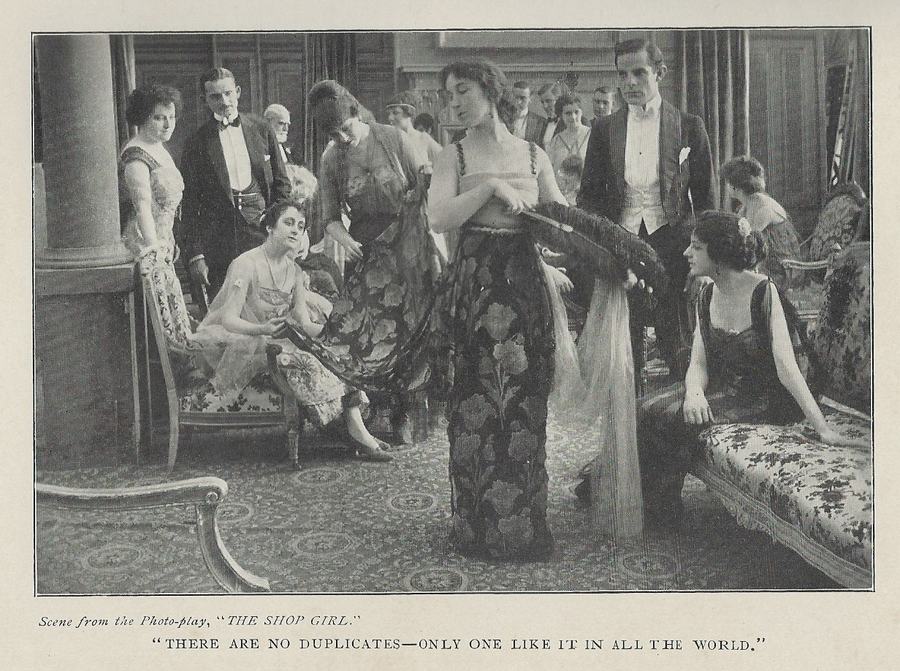
Meanwhile, Peter, having been unable to forget Winifred, embarks on a determined search. His hunt for her, a thread of hope woven through Winifred's escalating despair, leads him to the department store, where he learns of her supposed discharge and is directed to Megeison for her address. This parallel narrative builds suspense, positioning Peter as the quintessential rescuer, a figure of masculine agency poised to intervene in Winifred’s deepening crisis. The narrative structure, alternating between Winifred's peril and Peter's pursuit, is a classic melodramatic device, designed to heighten emotional stakes and maintain audience engagement.
Back at Megeison's apartment, the scene unfolds with a chilling precision. Everyone drinks except Winifred, who initially resists but eventually succumbs to the pressure, feeling increasingly "sheepish" amidst the revelry. This moment of social coercion, where a young woman feels compelled to participate in an activity against her better judgment, is a powerful commentary on social dynamics. However, Winifred's innate perceptiveness saves her: she catches Megeison attempting to "dope" her drink. Her denunciation of him shatters the veneer of civility, plunging the scene into outright conflict. Megeison's immediate attempt to kiss her, followed by a violent struggle, is a stark portrayal of attempted assault, a terrifying reality for many women then and now. The dress, Ena's gift, is badly torn, its pieces scattering across the floor—a symbolic dismemberment of her dignity and innocence. Winifred, demonstrating remarkable courage and resourcefulness, manages to elude him, escaping to another room where she locks herself in, a desperate act of self-preservation.
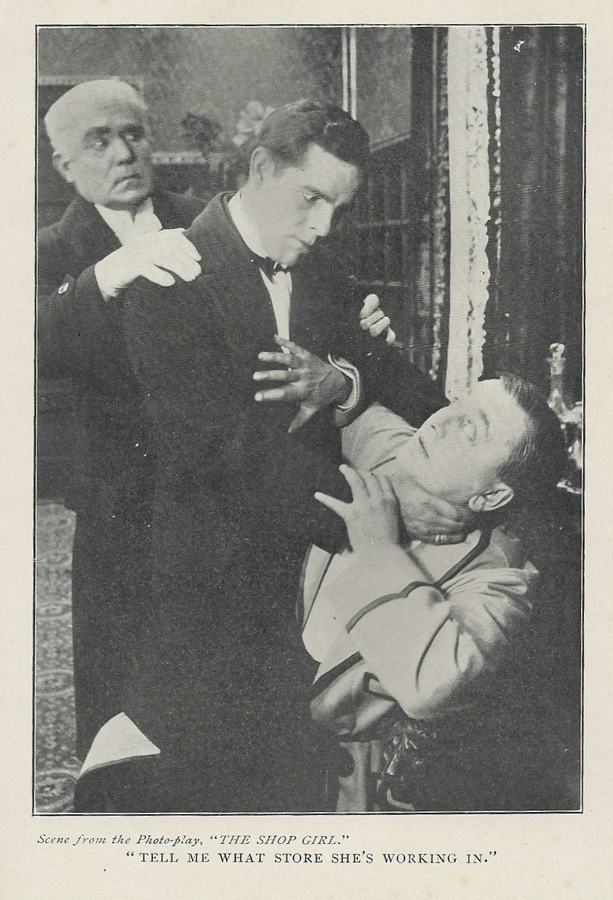
It is at this critical juncture that Peter arrives. His polite inquiries about Winifred are met with Megeison's calculated denials. But the scattered pieces of Winifred's torn dress, stark against the opulent setting, become irrefutable evidence. Peter's demand for the truth, fueled by a lover's intuition and a man's protective instinct, marks the climax of the narrative. Megeison's valet, who had gone through another room to admit Peter, inadvertently opens the door to Winifred's refuge, revealing her hidden, traumatized state. This moment, a confluence of chance and fate, is a dramatic tour de force, a classic silent film trope of timely intervention. Winifred, initially shrinking from Peter, her mind clouded by the ordeal, fears he might be in league with her tormentor. This fleeting distrust is a poignant and realistic touch, acknowledging the psychological impact of trauma. However, the recognition of his genuine love, his unwavering devotion, transcends her fear and suffering. She leaves her misery behind, stepping into his embrace, her ordeal relieved by the knowledge of his steadfastness. This redemptive ending, while providing a satisfying resolution, doesn't diminish the harsh realities depicted throughout the film. It's a powerful affirmation of love's capacity to heal and protect, a theme often explored in films like The Glory of Youth, where romantic resolve triumphs over adversity.
From a thematic standpoint, "The Shop Girl" is remarkably rich. It exposes the brutal class distinctions of the era, where a woman's social standing dictated her vulnerability to exploitation. Winifred's journey from a potential society wife to a blacklisted shopgirl, then to a vulnerable department store employee, illustrates the precariousness of female existence. The film also delves into the insidious nature of male predation, particularly from those in positions of power, like Megeison. His actions are not merely personal failings but symptomatic of a broader societal acceptance of such abuses. The resilience of Winifred, her defiance against injustice, and her ultimate survival speak to the enduring strength of the human spirit. Her story resonates with the struggles depicted in films like The Stronger Love, which often championed the fortitude of women facing overwhelming odds.
The performances, even without the benefit of sound, would have been crucial in conveying these complex emotions. Edith Storey, likely in the role of Winifred, would have had to master a nuanced range of expressions, from initial hope to crushing despair, defiant anger, and ultimately, relieved surrender. Antonio Moreno, as Peter, would have embodied the earnest, determined hero, his silent gestures conveying unwavering devotion. The villains, Ena (perhaps Mrs. Soule or Emily Leaske) and Megeison (likely Templar Saxe), would have relied on exaggerated, yet effective, pantomime to convey their malice and deceit. Silent cinema, often dismissed as simplistic, demanded a profound understanding of visual storytelling and physical acting to communicate narrative and emotional depth.
In conclusion, "The Shop Girl", despite its age and the limitations of its medium, presents a compelling and often uncomfortable mirror to its era. It's a potent reminder that the struggles for social justice, gender equality, and personal safety are not new battles but echoes from a past that continues to inform our present. Its narrative arc, while melodramatic, serves to highlight profound truths about human resilience, the pervasive nature of societal injustice, and the enduring power of genuine connection in a world often defined by its harshness. For enthusiasts of classic cinema and social history, reconstructing and appreciating films like "The Shop Girl" offers invaluable insights into the cultural fabric of a bygone age, proving that a story, well told, can transcend time and technological advancements, continuing to provoke thought and stir the human heart. It is a vital piece in the mosaic of early American cinema, illuminating the often-overlooked dramas that shaped a nation's conscience.

IMDb 5.9
1936
Community
Log in to comment.