DbcultAccessing Vault...
Cult Review
Senior Film Conservator
Is this film worth watching?
Short answer: Yes, but it demands a discerning eye and a love for early silent cinema. This film is for enthusiasts of adventure and romance, with a particular interest in the golden age of silent films. It is not for those seeking modern cinematic standards or a fast-paced narrative.
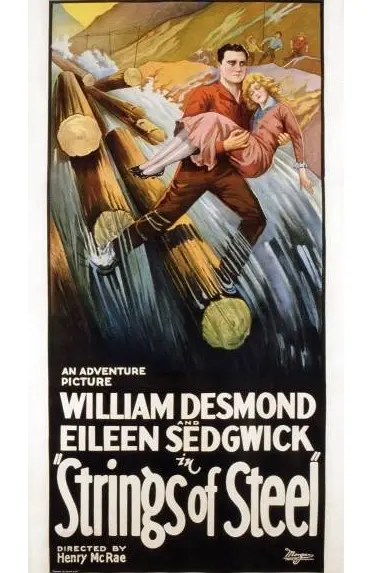
Strings of Steel, directed by a name now lost to history, is a 1919 silent film that follows the adventures of a group of treasure hunters as they brave the dangers of the jungle to uncover a legendary Indian artifact. The film is shot in a lush, vibrant setting, with a cast of diverse characters, each with their own motivations and backstories.
The cinematography is a standout element, capturing the grandeur and peril of the jungle. The film's use of lighting and framing creates a sense of tension and awe, making the viewer feel like they are part of the expedition. The performances are spirited and engaging, especially from the lead actors, who bring life to their characters despite the limitations of silent films.
The pacing can be slow at times, and the plot occasionally feels contrived. The characters are somewhat two-dimensional, and their motivations are not always clear. Additionally, the film's reliance on melodrama and spectacle can feel dated to modern audiences.
You have a fascination with early silent cinema and are drawn to adventurous tales of discovery. If you enjoy the visual storytelling of the silent era and are willing to overlook some of the plot's flaws, this film can be a rewarding experience.
It is a film that, despite its age, still manages to captivate with its grandiose visuals and spirited performances. It works, but it's flawed. The story is compelling, but the execution is occasionally lacking.
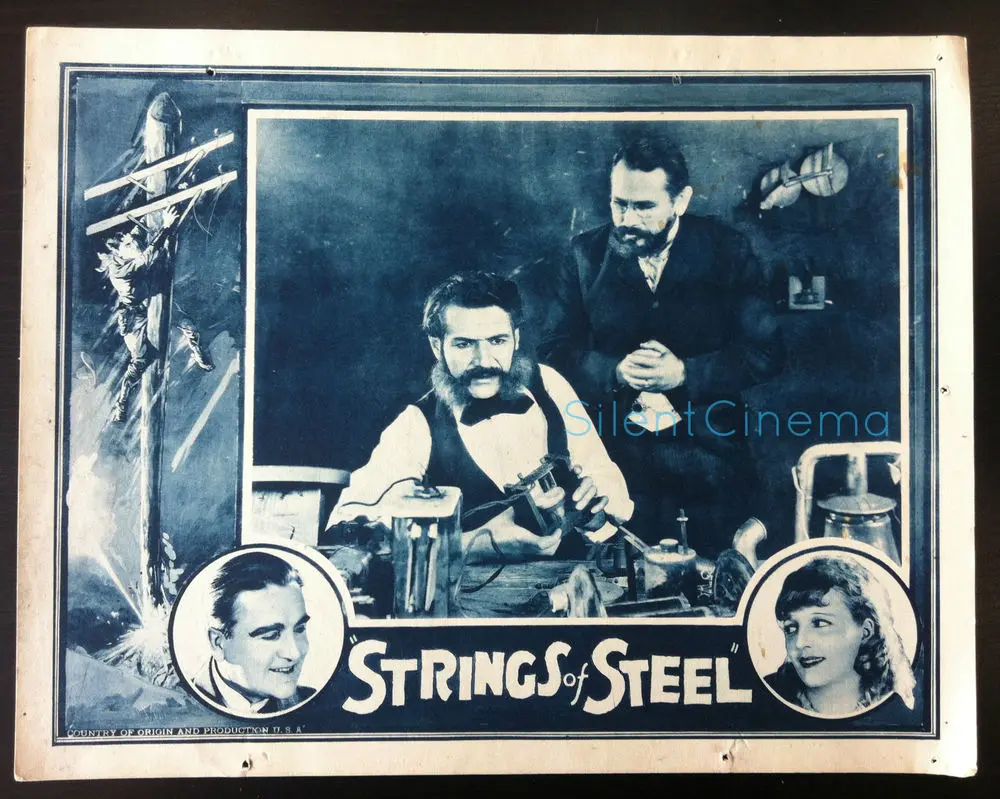
The performances in Strings of Steel are spirited and engaging. Albert J. Smith and Arthur Morrison, as the lead characters, bring a sense of determination and courage to their roles. Their chemistry is palpable, and they effectively convey the tension of their journey. The supporting cast, including Eileen Sedgwick and Taylor N. Duncan, also deliver strong performances, adding depth to their characters.
Director (name unknown) manages to create a sense of tension and awe through the film's cinematography. The use of lighting and framing is particularly effective, especially in scenes where the characters navigate the dangerous jungle. The film's lush, exotic setting is brought to life through a series of breathtaking shots, making the viewer feel like they are part of the expedition.
The plot of Strings of Steel is an adventure story of discovery, with the characters seeking a legendary Indian artifact. The narrative is engaging, with moments of tension and danger, but it can feel slow at times. The pacing can be uneven, and the plot occasionally feels contrived. However, the film's reliance on melodrama and spectacle is a product of its time and can be appreciated for its historical significance.
The tone of Strings of Steel is adventurous and romantic, with a sense of grandeur and peril. The film's use of sound effects, while limited, adds to the atmosphere and helps to create a sense of tension. The film's reliance on spectacle and melodrama can feel dated to modern audiences, but it is a product of its time and can be appreciated for its historical significance.
Compared to other films of its era, such as Sacrifice or Men in the Raw, Strings of Steel stands out for its grandiose visuals and spirited performances. However, it falls short of the technical and storytelling achievements of later silent films, such as La Gioconda or Hold Tight.
For those with a fascination with the golden age of cinema, Strings of Steel is a film worth watching. Its grandiose visuals and spirited performances make it a rewarding experience, but it is not for those seeking modern cinematic standards or a fast-paced narrative. It is a film that caters to a niche audience and is best appreciated for its historical significance and the era in which it was made.
Strings of Steel is a film that, despite its age, still manages to captivate with its grandiose visuals and spirited performances. It works, but it's flawed. The story is compelling, but the execution is occasionally lacking. For those with a fascination with early silent cinema and a love for adventurous tales of discovery, it is a film worth watching. However, it is not for those seeking modern cinematic standards or a fast-paced narrative. It is a film that caters to a niche audience and is best appreciated for its historical significance and the era in which it was made.
IMDb 6
1928
Community
Log in to comment.