DbcultAccessing Vault...
Cult Review
Senior Film Conservator
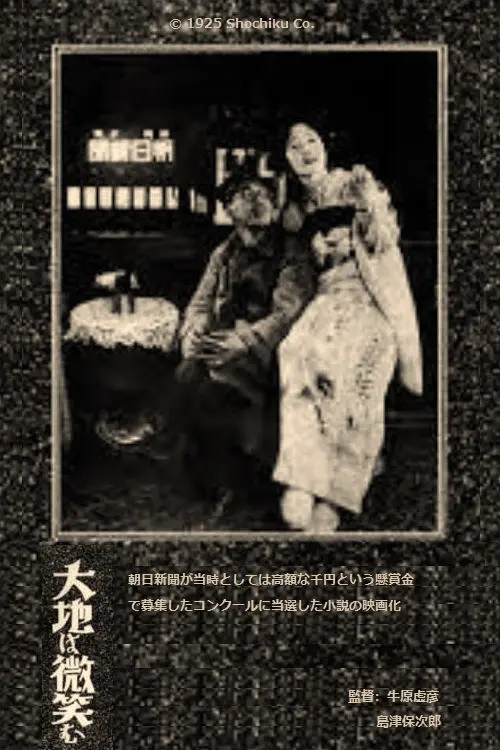
In the evocative landscape of early 20th-century rural Japan, 'Daichi wa hohoemu: Zenpen' emerges as a masterpiece of cinematic storytelling, akin to the works found in the silent era of cinema, reminiscent of films like One of the Finest and The Midnight Girl, which similarly explored the human condition against the backdrop of their respective eras.
The film, featuring Hideo Fujino, Sôtarô Okada, Sumiko Kurishima, and others, presents a nuanced portrayal of its characters, expertly navigating the complexities of their lives. This nuanced approach to character development recalls the works of filmmakers like those behind The Jail Bird and The Delicious Little Devil, which also sought to peel back the layers of human emotion and experience.
The cinematography in 'Daichi wa hohoemu: Zenpen' is nothing short of breathtaking, with each frame meticulously crafted to evoke a profound sense of place and atmosphere. The vast, open landscapes of rural Japan serve as more than just a backdrop; they are an integral part of the narrative, influencing the characters' journeys and the overall mood of the film. This symbiotic relationship between setting and story is reminiscent of Kino-pravda no. 7, where the visual elements played a crucial role in conveying the film's message.
At its core, 'Daichi wa hohoemu: Zenpen' is a film about the human condition, exploring themes of love, loss, and resilience. Through its characters, the film poses profound questions about the nature of existence and the ways in which individuals find meaning in their lives. This introspective approach is similar to that found in For Those We Love, which also delved into the complexities of human emotion and connection.
The impact of 'Daichi wa hohoemu: Zenpen' lingers long after the credits roll, leaving viewers with a deep sense of empathy and understanding for the characters and their stories. This lasting impression is a testament to the film's masterful storytelling and its ability to connect with audiences on a fundamental level, much like The Volcano and My Dog, Pal, which have also left indelible marks on the cinematic landscape.
In conclusion, 'Daichi wa hohoemu: Zenpen' stands as a significant work in the realm of cinematic arts, offering a rich, emotionally charged exploration of the human experience. Its beauty, both in storytelling and cinematography, makes it a must-view for those who appreciate the art of film, akin to the enduring appeal of Jack O'Clubs and The U.P. Trail.
The film's ability to evoke a range of emotions, from the depths of sorrow to the heights of joy, is a rare gift, making 'Daichi wa hohoemu: Zenpen' a treasured find for audiences and a notable mention alongside other cinematic gems like Solen der dræbte and The New Adventures of J. Rufus Wallingford.
Ultimately, 'Daichi wa hohoemu: Zenpen' is a film that not only showcases the beauty of rural Japan but also speaks to universal themes that transcend time and place, much like the timeless appeal of Trapped in the Air and The Stranglers of Paris, and even Die Brillantenmieze, 2. Teil, in its own unique way.
IMDb 6.5
1926
Community
Log in to comment.