DbcultAccessing Vault...
Cult Review
Senior Film Conservator
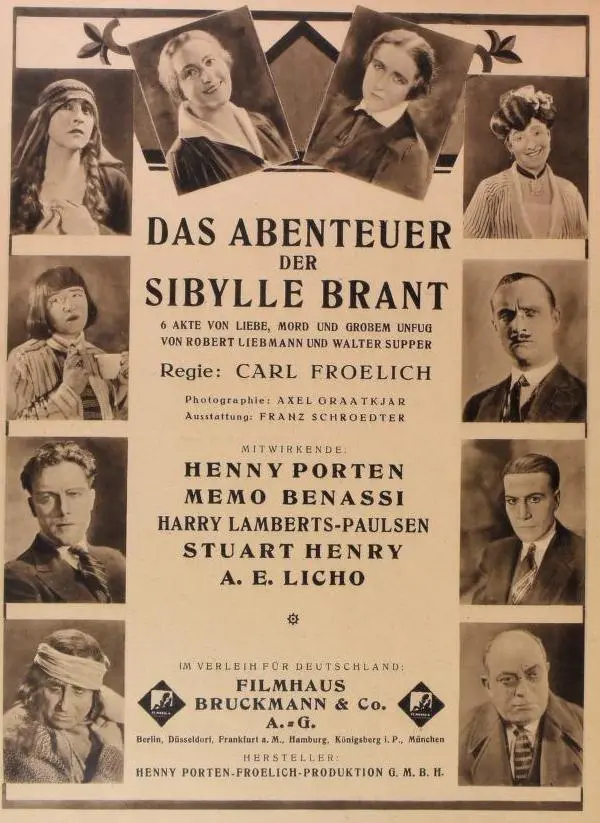
Is this nearly forgotten German silent film, Das Abenteuer der Sibylle Brant, a cinematic treasure waiting to be unearthed, or merely a historical curiosity best left in the archives? Short answer: yes, it absolutely holds value, especially for those with an appreciation for the foundational artistry of cinema, but it demands a certain level of engagement that might not appeal to every modern viewer. This film is for the cinephile, the historian, and anyone curious about the expressive power of early 20th-century storytelling, but it is unequivocally NOT for the casual viewer seeking fast-paced plots or dialogue-driven narratives.
It's a journey back to a nascent art form, offering a unique window into the social anxieties and burgeoning freedoms of its time. While its pacing and narrative style might feel archaic to some, its underlying themes and visual language still resonate, albeit requiring a different kind of cinematic literacy.
Let’s cut straight to the chase for those considering a dive into this piece of cinematic history.
This film works because of its unflinching commitment to character-driven drama, relying on the raw, often exaggerated, power of silent acting to convey profound emotional states. The performances, particularly from Henny Porten, are masterclasses in non-verbal communication, pulling the audience into Sibylle's internal struggles with remarkable clarity. It also works because it offers a fascinating glimpse into the socio-cultural landscape of its era, subtly critiquing or commenting on the roles of women and the search for personal autonomy.
This film fails because its pacing can be excruciatingly slow for contemporary audiences, requiring patience and a willingness to adjust one's expectations of narrative propulsion. Certain plot developments, conveyed through intertitles, might also feel abrupt or overly melodramatic by today's standards, occasionally undermining the emotional sincerity established by the actors. It’s a product of its time, and those anachronisms are sometimes a hurdle.
You should watch it if you are fascinated by the evolution of film as an art form, appreciate the nuanced craft of silent acting, or seek to understand the historical context of German cinema. It's a valuable educational experience as much as it is entertainment. If you prefer modern blockbusters, constant dialogue, or quick resolutions, this is probably not the film for you.
At its heart, "Das Abenteuer der Sibylle Brant" is a character study disguised as an adventure. The title itself, 'The Adventure of Sibylle Brant,' hints at grand escapades, but the true adventure here is psychological. Sibylle, played with captivating grace by Henny Porten, isn't chasing treasure or battling villains in a conventional sense. Her quest is far more intimate and, arguably, more profound: the pursuit of self-definition in a world that often dictates identity.
The film, a product of early 20th-century German cinema, inherently carries the weight of societal expectations concerning women. Sibylle's journey can be interpreted as a metaphor for the broader feminist stirrings of the era, where women began to challenge traditional roles and seek agency beyond the domestic sphere. Her 'adventure' becomes a series of encounters and decisions that push her further away from a predetermined path and closer to an authentic self.
Consider the subtle yet powerful scene where Sibylle, after a particularly trying encounter, gazes out a window. Her reflection, momentarily superimposed, suggests an internal struggle between who she is expected to be and who she yearns to become. It's a moment of quiet rebellion, expressed through visual poetry rather than explicit dialogue.
The film excels in portraying this interiority through the external. The grand gestures, the intense close-ups, and the symbolic use of light and shadow, all typical of the period, serve to amplify Sibylle's emotional landscape. Her journey is a testament to the human spirit's resilience, a narrative that, despite its age, still speaks to the universal desire for freedom and self-expression. It works. But it’s flawed.
The strength of any silent film rests squarely on the shoulders of its performers, and Das Abenteuer der Sibylle Brant is no exception. Henny Porten, a titan of German silent cinema, delivers a performance that is both nuanced and powerfully expressive. Her ability to convey complex emotions – despair, defiance, burgeoning hope – through subtle shifts in facial expression and body language is simply remarkable. She doesn't just act; she embodies Sibylle's entire emotional spectrum.
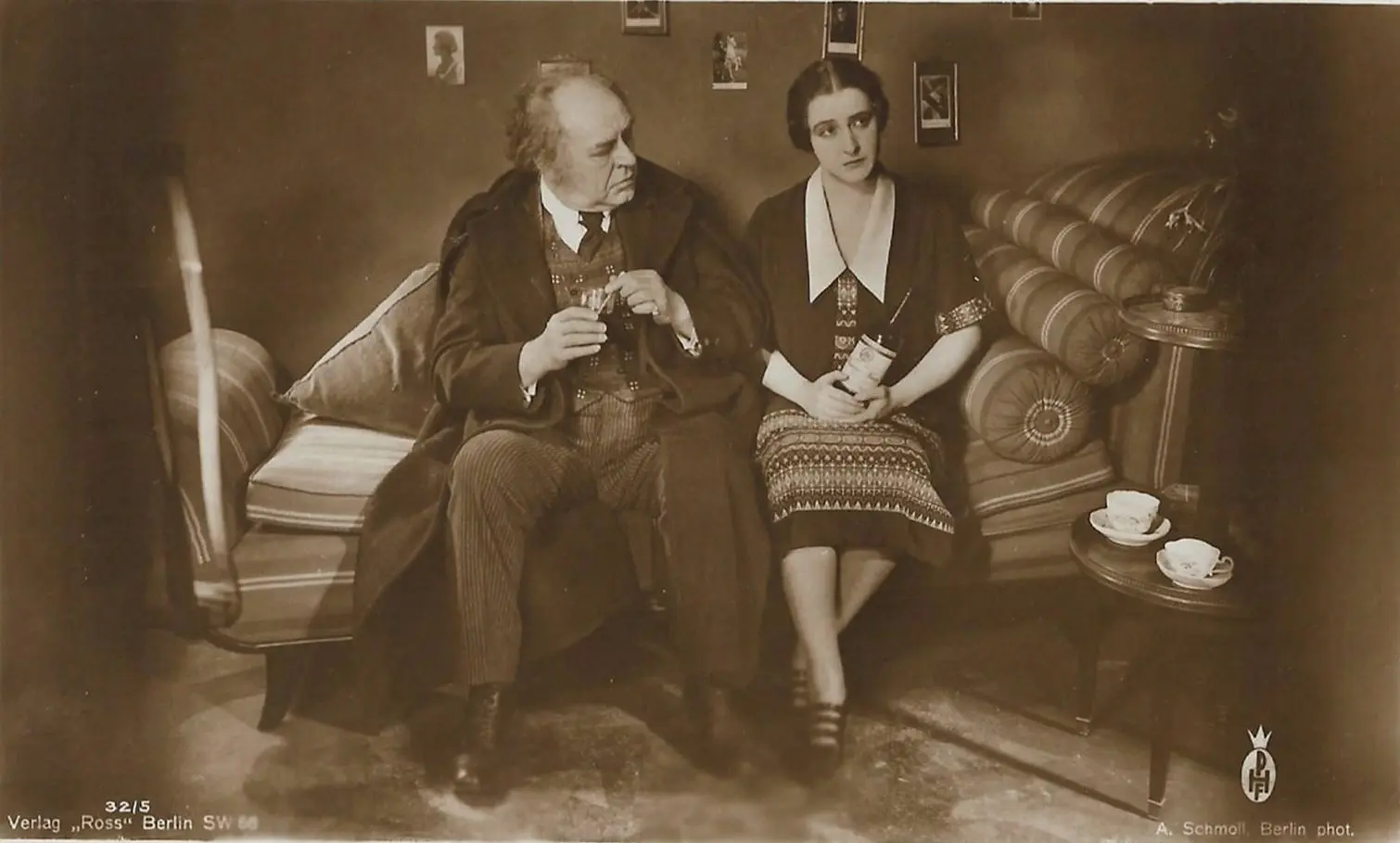
There's a scene, early in the film, where Sibylle receives a letter that clearly upsets her. Porten doesn't scream or collapse. Instead, her hands tremble almost imperceptibly, her eyes widen with a mixture of fear and resolve, and a single tear traces a path down her cheek. It's understated yet devastating, a masterclass in silent pathos that modern actors could still learn from.
The supporting cast, including Maria Forescu and Carl Ebert, also contribute significantly to the film's emotional texture. Forescu, often cast in more formidable or villainous roles, brings a commanding presence that provides a stark contrast to Porten's vulnerability. Her scenes with Sibylle are electric, charged with unspoken tension and conflicting agendas. Ebert, too, manages to create a memorable character, even with limited screen time, proving that even minor roles in silent films required immense theatrical skill.
The physicality of silent acting can sometimes feel overly dramatic to contemporary eyes, but within the context of the era, it was essential. These actors were the conduits for the story, their bodies and faces the primary means of communication. In Das Abenteuer der Sibylle Brant, this physicality feels earned and authentic, never devolving into mere caricature.
While specific directorial credits for early films can sometimes be murky, the visual language of Das Abenteuer der Sibylle Brant points to a clear artistic vision. The direction, likely influenced by the burgeoning German Expressionist movement, utilizes light and shadow not just for illumination but for emotional emphasis. Shadows often loom over characters, reflecting their inner turmoil or the oppressive forces around them, a technique that would become a hallmark of later German masterpieces like The Tigress.
The cinematography is surprisingly sophisticated for its time. There are moments of striking compositional beauty, such as wide shots that emphasize Sibylle's isolation within grand, often austere, settings. The camera isn't static; it moves with purpose, guiding the viewer's eye and enhancing the dramatic impact. Consider a particular sequence where Sibylle traverses a bustling city street; the dynamic framing captures the overwhelming nature of the urban environment, a stark contrast to her internal solitude.
Pacing, as mentioned, is a double-edged sword. While it might test modern patience, it also allows for a deliberate build-up of tension and emotional resonance. The film understands the power of a lingering shot, a prolonged gaze, to convey depth that dialogue might rush past. This slow burn allows the audience to truly inhabit Sibylle's emotional space, making her eventual triumphs (or setbacks) feel more earned.
The tone oscillates between poignant drama and moments of genuine suspense. There's a particular sequence involving a shadowy figure following Sibylle that, despite its simplicity, manages to generate palpable unease. It’s a testament to the director's ability to manipulate audience emotions using purely visual cues, a skill often overlooked in discussions of silent cinema.
Absolutely, but with significant caveats. Das Abenteuer der Sibylle Brant is not an easy watch for everyone. It demands an investment of time and a willingness to engage with a different form of cinematic grammar. For those who can meet it on its own terms, however, it offers a deeply rewarding experience.
It's a crucial piece of film history, showcasing the incredible talent of its lead actress, Henny Porten, and providing insight into the thematic concerns of early German cinema. While it lacks the overt spectacle of some Hollywood productions of the era, its quiet intensity and focus on character make it uniquely compelling. Think of it less as a blockbuster and more as a profound stage play captured on celluloid.
For comparison, if you enjoyed the character depth of The Pretty Sister of Jose or the dramatic flair of The Fate of a Flirt, you'll find similar strengths here, albeit with a distinctly German sensibility.
"Das Abenteuer der Sibylle Brant" is a compelling, if demanding, journey into the heart of early German cinema. It’s a film that asks for your patience but rewards it with a profound character study and a window into a pivotal era of filmmaking. While it won't resonate with every viewer, its historical significance and the sheer artistry of its lead performance make it a worthwhile watch for those willing to embrace the unique language of silent film. It is far from a forgotten relic; it is a testament to the enduring power of visual storytelling, even without a single spoken word. Seek it out if you dare to adventure beyond the familiar.
IMDb 4.9
1933
Community
Log in to comment.