DbcultAccessing Vault...
Cult Review
Senior Film Conservator
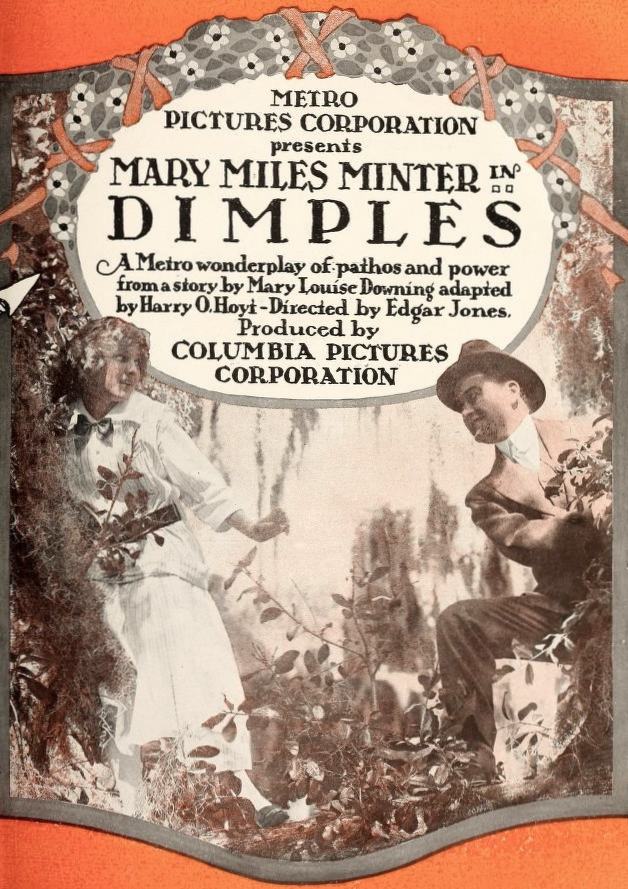
Stepping back into the nascent days of cinema, one encounters a plethora of narratives that, despite their age, still resonate with fundamental human truths. Among these, Harry O. Hoyt’s 1916 creation, ‘Dimples,’ stands as a curious artifact, a silent film that, through its seemingly simple premise, manages to touch upon themes of avarice, familial duty, and the often-overlooked resilience of childhood innocence. It is a film that, while perhaps not reaching the epic grandeur of a The Sign of the Cross, nonetheless carves out its own niche with a delicate, almost understated charm, focusing on the intimate drama of a young girl thrust into a world she barely comprehends.
At its core, ‘Dimples’ unfurls the story of a young protagonist, whose very appellation suggests her endearing nature, navigating the tumultuous waters of loss and relocation. Following the passing of her father, a man characterized by an almost pathological parsimony, Dimples finds herself uprooted from her familiar surroundings. Her destination: the American South, where an aunt, heretofore a distant figure, awaits. This journey, however, is laden with a dramatic irony that forms the central conceit of the film. Unbeknownst to the innocent child, the very instrument of her comfort and companionship – her beloved doll – serves as the unwitting repository for her late father’s considerable, and undoubtedly ill-gotten, fortune. This hidden treasure, a silent testament to his life of hoarding, transforms a simple toy into a potent symbol, a MacGuffin that drives the narrative’s subtle tension and foreshadows potential conflict.
The film, penned by Harry O. Hoyt, masterfully juxtaposes the child’s guileless existence against the corrupting influence of wealth. It’s a thematic thread that echoes through countless narratives, from the overt moralizing of The Curse of Greed to more nuanced explorations of ambition’s toll. Here, however, the greed is not an active force driving the child, but a dormant specter, a legacy that clings to her most cherished possession. The narrative's strength lies in this contrast: Dimples's pure, unadulterated affection for her doll stands in stark opposition to the mercenary motivations that will inevitably arise once the doll’s true contents are discovered. This provides a rich vein for dramatic exploration, even within the confines of silent storytelling, where visual cues and the nuanced performances of the actors must convey the full weight of these complex emotions.
Central to the film’s appeal is the captivating performance of Mary Miles Minter in the titular role. Minter, a prominent figure in early Hollywood, possessed a luminous screen presence that made her a darling of the silent era. In ‘Dimples,’ she embodies the character with a natural grace and an expressive innocence that transcends the limitations of the medium. Her portrayal is not merely a caricature of childhood; it is a nuanced depiction of a young soul grappling with change, loss, and the bewildering adult world around her. Minter’s ability to convey a spectrum of emotions – from playful joy to quiet sorrow, from wide-eyed curiosity to burgeoning understanding – without uttering a single word, is a testament to her considerable acting prowess. One might draw parallels to the compelling vulnerability seen in heroines of serials like The Perils of Pauline, though Minter’s performance here leans more towards subtle emotional depth than overt physical heroics.
Her interactions, particularly with the inanimate but pivotal doll, are imbued with a tenderness that makes the audience keenly aware of the treasure's symbolic weight. It’s not just a doll; it’s a confidante, a constant in a world of flux, and through Minter’s eyes, its importance becomes palpable. This empathetic connection she builds with her character draws the viewer into the unfolding drama, making the inevitable discovery of the hidden wealth all the more impactful. Her performance anchors the film, providing an emotional core that prevents the narrative from devolving into mere melodrama. She manages to convey the universal experiences of childhood – attachment to objects, the pangs of displacement, the innocent trust in adults – with remarkable clarity and sincerity, a skill that few actors, even today, can perfectly replicate.
While Minter shines brightest, the film is buttressed by a competent supporting cast who, despite the often-stylized acting conventions of the era, lend credibility to the narrative. William Cowper and John J. Donough, for instance, likely inhabit roles that represent either the lingering shadows of the father’s past or the new, potentially opportunistic figures in Dimples’s Southern life. Their performances, viewed through the lens of early cinematic techniques, serve to heighten the stakes and provide the necessary friction against Dimples’s untainted world. The presence of figures like Peggy Hopkins Joyce and Thomas Carrigan further populates this world, each contributing to the tapestry of relationships and motivations that surround the young protagonist. The nuances of their characterizations, often communicated through exaggerated gestures and facial expressions typical of silent films, are crucial in establishing the moral landscape against which Dimples’s journey unfolds.
The aunt, though not explicitly named in the plot summary, would undoubtedly play a pivotal role, perhaps representing a different kind of parental figure, or even a potential source of conflict regarding the hidden treasure. The film’s tension, after all, hinges on the fact that Dimples is “unaware” of her father’s treasure. This ignorance is a ticking clock, a dramatic device that promises revelation and its subsequent fallout. How the adult characters react to this impending discovery, and how their own moral compasses are tested by the lure of wealth, forms the backbone of the film’s dramatic structure. In this regard, the film might subtly echo the moral dilemmas present in stories like The Dollar Mark, where money often dictates the course of human actions and relationships.
Harry O. Hoyt, as the writer, faced the formidable challenge of conveying intricate plot points and emotional arcs without the benefit of spoken dialogue. His screenplay for ‘Dimples’ demonstrates a keen understanding of visual storytelling, relying on well-conceived intertitles, evocative staging, and the expressive capabilities of his actors. The narrative progression, from the somber opening of the father’s death to Dimples’s relocation and the subtle foreshadowing of the doll’s significance, is meticulously constructed. Hoyt’s skill lies in building suspense not through overt action, but through the quiet accumulation of details and the audience’s awareness of a secret that the protagonist herself cannot perceive. This narrative strategy keeps the viewer engaged, constantly anticipating the moment of revelation.
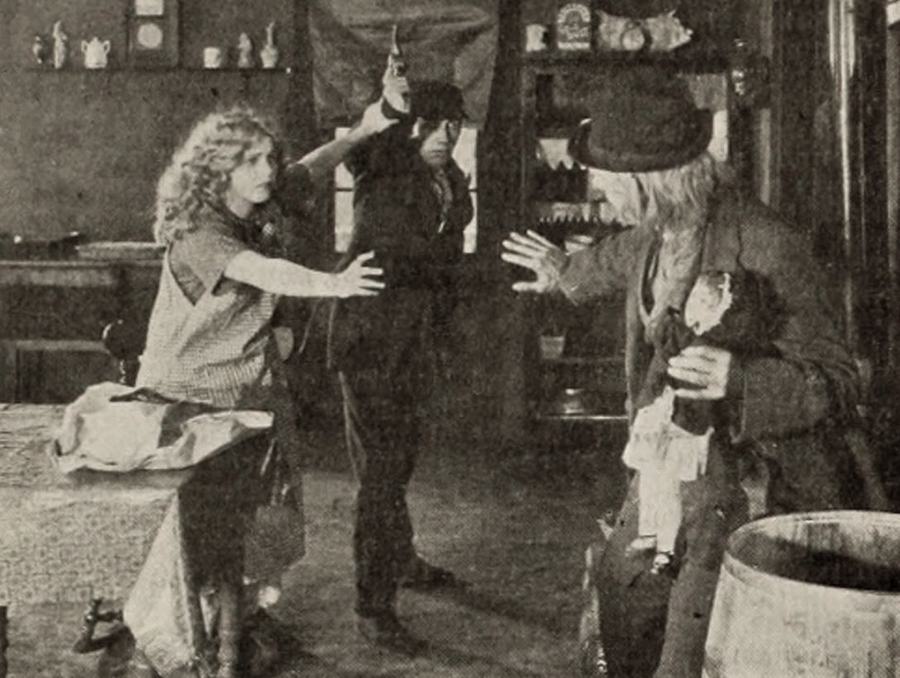
His ability to craft a compelling story that balances sentimentality with an underlying tension is commendable. While many silent films of the era leaned heavily into melodrama, Hoyt’s writing for ‘Dimples’ seems to aim for a more grounded, albeit still heightened, reality. The character of the miserly father, though deceased, looms large over the narrative, his influence extending through the hidden treasure. This posthumous characterization is a clever device, allowing the consequences of his actions to drive the plot without requiring his physical presence. It’s a testament to Hoyt's narrative economy, a trait that would serve him well in his later, more diverse writing and directing career. The film's structural integrity, allowing for both the development of Minter's character and the slow unveiling of the central mystery, speaks volumes about the writer's craft.
The decision to send Dimples “South” is not merely a geographical convenience; it likely serves to create a distinct atmospheric shift. While the specific nuances of the Southern setting in a 1916 silent film might be subtle, it could imply a contrast to the presumably more industrialized or urban environment from which she originates. This change of scenery can symbolize a fresh start, a different pace of life, or even a new set of challenges and social dynamics. Early cinema often utilized distinct locales to establish mood and character, and the South, with its unique cultural tapestry, would have provided a rich backdrop. The visual aesthetics of the film, from set design to costuming, would have been crucial in conveying this sense of place, immersing the audience in Dimples's new, unfamiliar world.
Furthermore, the visual language of silent films, with its reliance on dramatic lighting, expressive close-ups, and carefully choreographed movements, would have been paramount in building the film’s overall atmosphere. The director, whose name is not provided but is intrinsically linked to Hoyt's script, would have worked to create a world that felt both tangible and emotionally resonant. The interplay of light and shadow, the framing of Minter’s innocent face, and the symbolic representation of the doll would all contribute to the film's evocative power. One can imagine scenes of Dimples playing innocently, bathed in soft light, contrasting sharply with the shadowy figures who might covet her hidden inheritance, creating a palpable sense of impending drama.
‘Dimples’ fits comfortably within a broader tradition of early 20th-century cinema that often explored themes of moral fortitude, the perils of materialism, and the triumph of virtue. Films like The Great Mistake or The Soul's Cycle frequently delved into ethical quandaries, using dramatic narratives to reflect societal anxieties and aspirations. The notion of a hidden fortune, a legacy left by a deceased parent, was a common trope, providing both narrative impetus and a convenient mechanism for exploring character. The doll itself becomes a physical manifestation of this trope, a clever twist on the more abstract "will" or "inheritance" documents often seen in such plots.
The film’s focus on a child protagonist also places it within a lineage of films that capitalized on the innocence and vulnerability of youth to evoke audience sympathy. This was a powerful emotional lever in an era where cinema was still defining its narrative conventions. The success of films centered on children, or young ingénues like Minter, underscored a public appetite for stories that affirmed fundamental goodness amidst potential corruption. While not as overtly adventurous as The Danger Signal, ‘Dimples’ creates its own brand of suspense, rooted in the potential threat to the child's well-being and her unwitting possession of a valuable secret. This blend of sentiment and simmering tension would have been a potent combination for audiences of the time.
Ultimately, ‘Dimples’ offers more than just a glimpse into silent film history; it provides a window into enduring human concerns. The narrative of a child’s innocence confronting the complexities of adult greed, particularly when that greed is tied to a seemingly innocuous object, retains a timeless appeal. The film, through its visual storytelling and the compelling performance of Mary Miles Minter, manages to convey a rich emotional landscape without a single spoken word. It reminds us of the power of visual narrative to transcend linguistic barriers and connect with universal sentiments. For cinephiles and historians alike, revisiting ‘Dimples’ is a worthwhile endeavor, a chance to appreciate the artistry and narrative ingenuity that characterized early cinema.
It’s a film that, while perhaps overshadowed by the grander spectacles of its time or the more scandalous aspects of Minter's later career, holds its own as a finely crafted piece of storytelling. It speaks to the enduring power of simple truths, rendered with a sincerity that only the silent screen could truly capture. The legacy of a miserly father, the unwitting journey of a child, and the priceless secret held within a humble doll—these elements converge to form a narrative that, despite its century-old vintage, still possesses the capacity to charm, to move, and to provoke thought about the true value of things, whether they be material riches or the intangible wealth of a pure heart. The film, in its quiet way, asserts the resilience of goodness, a message that remains relevant, perhaps even more so, in our increasingly complex world.
In an era where motion pictures were still discovering their voice, ‘Dimples’ stands as a testament to the evocative power of visual narrative. It’s a film that, despite its age, offers a compelling blend of drama, sentiment, and subtle suspense. The performances, particularly that of Mary Miles Minter, are a masterclass in silent acting, conveying depth and emotion without the aid of dialogue. Harry O. Hoyt’s screenplay is tightly woven, ensuring that the central mystery of the hidden treasure maintains its hold on the audience throughout. While it might not feature the overt thrills of a The Perils of Pauline, its strength lies in its quiet exploration of character and consequence. For those with an appreciation for the foundational works of cinema, ‘Dimples’ is a film that rewards careful viewing, offering insights into the storytelling sensibilities of a bygone era and the timeless appeal of a good, heartfelt tale.
IMDb 6.1
1933
Community
Log in to comment.