DbcultAccessing Vault...
6.6/10
Senior Film Conservator
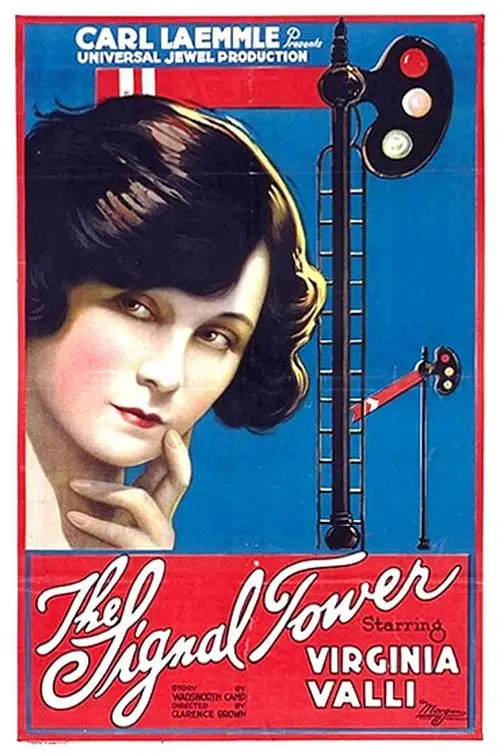
A definitive 6.6/10 rating for a film that redefined the boundaries of cult cinema. The Signal Tower remains a cornerstone of transgressive art.
In the pantheon of early American cinema, few directors navigated the transition from visceral spectacle to nuanced psychological depth with the dexterity of Clarence Brown. While his later collaborations with Greta Garbo often overshadow his silent contributions, The Signal Tower (1924) stands as a monumental testament to his ability to weave technical grandiosity with an intimate, almost suffocating domesticity. This is not merely a film about trains; it is a film about the fragile mechanisms of trust, the encroaching shadows of isolation, and the terrifying realization that the monsters we fear are often the ones we invite to our dinner tables.
The film opens with an almost reverent gaze at the railroad—an iron artery pulsing through the untamed wilderness. Brown utilizes the location shooting in the mountains not just as a backdrop, but as an active antagonist. The verticality of the landscape mirrors the precarious social standing of the characters. We see Dave Taylor (played with a rugged, understated dignity by Rockliffe Fellowes) operating the signal tower, a structure that serves as both a literal and metaphorical vantage point. From here, he controls the flow of progress, yet he is utterly disconnected from the world he facilitates.
This dichotomy of power and isolation is a recurring theme in silent masterpieces of the era. One might look at the thematic weight of The Devil's Garden to see a similar preoccupation with moral landscapes. However, where other films might lean into melodrama, Brown employs a gritty realism. The signal tower itself is a marvel of production design, a labyrinth of levers and gears that feels lived-in and dangerous. The tactile nature of the machinery—the steam, the grease, the deafening silence of the mountain air—creates a sensory experience that transcends the limitations of the medium.
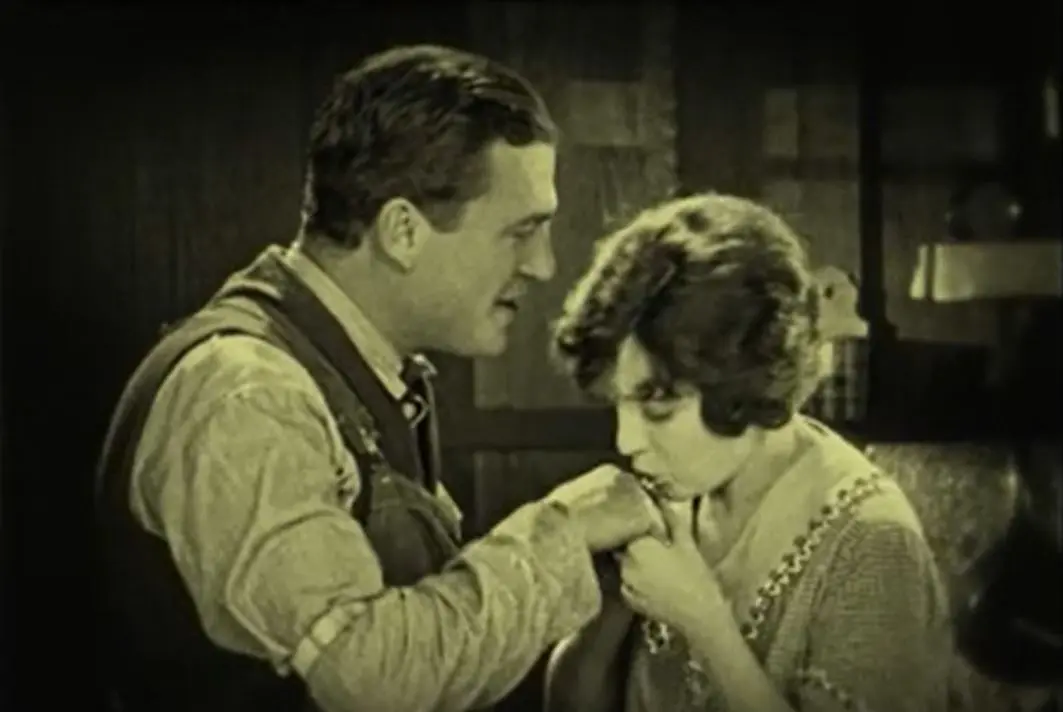
The equilibrium of the Taylor household is disrupted by the arrival of Joe Stephens, portrayed by a menacing Wallace Beery. Beery, before his transition into more lovable character roles, possessed a screen presence that was genuinely unsettling. His Stephens is a creature of impulse, a stark contrast to Dave’s disciplined stoicism. The tension that builds within the cabin is masterfully paced. Brown doesn't rush the descent; he lets it simmer in the glances exchanged over the dinner table and the subtle encroachments into Sally’s (the luminous Virginia Valli) personal space.
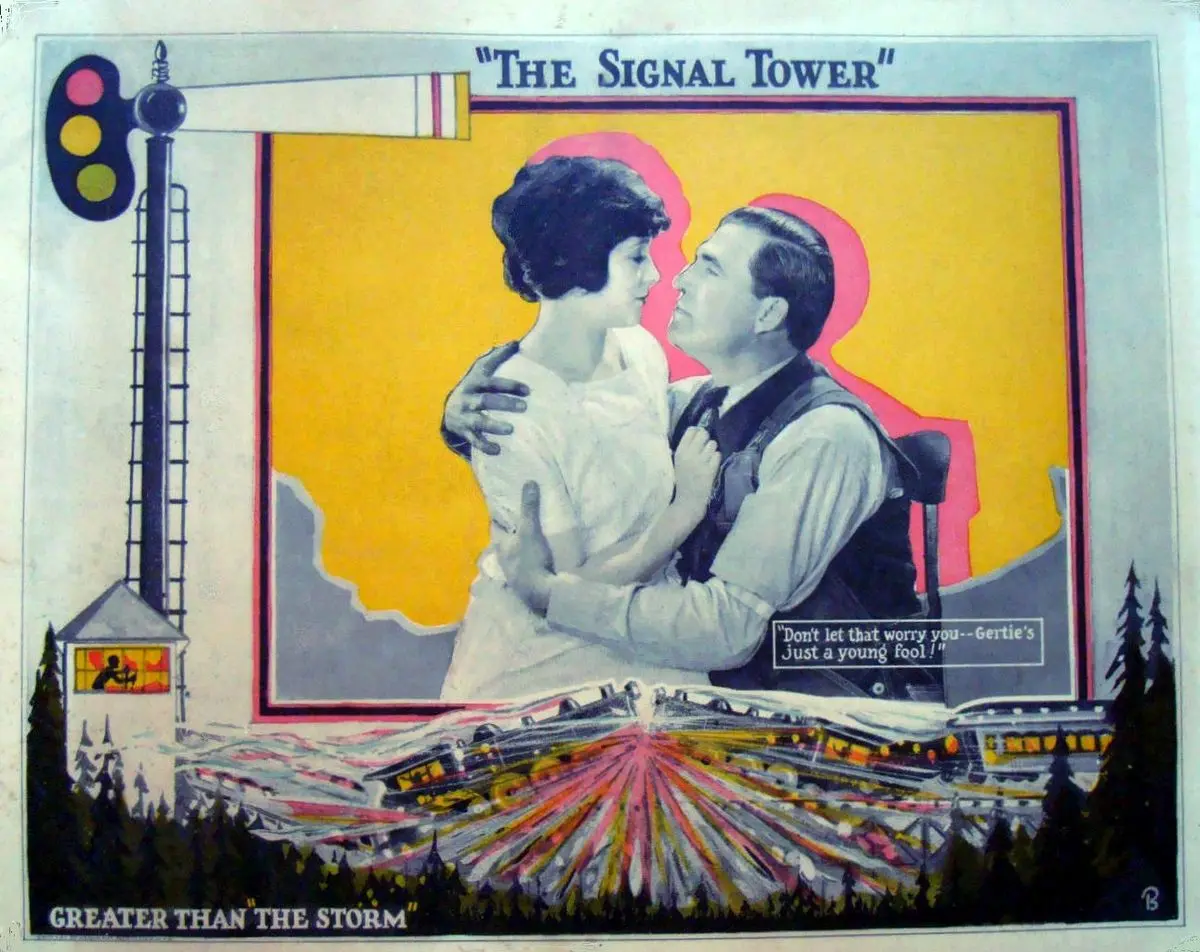
Sally Taylor is not a mere damsel in distress. Valli imbues her with a quiet resilience that makes the eventual confrontation all the more harrowing. There is a sophistication to her performance that echoes the complex heroines found in Lulù (1923), though Sally’s struggle is rooted in a desire for domestic stability rather than the chaotic liberation of the flapper era. The domestic sphere, which should be a sanctuary, becomes a trap. As the storm rages outside, the interior lighting shifts into a proto-noir palette, using shadows to delineate the predator from his prey.
The intrusion of Stephens into the Taylor home serves as a catalyst for a broader exploration of fidelity. In many ways, the film mirrors the allegorical weight of Paradise Lost, where the introduction of a third party leads to an inevitable fall from grace. However, Brown grounds this in the working-class reality of the 1920s. The stakes are not just spiritual; they are physical and immediate. The film asks: what happens to the family unit when the provider is called away by the very industrial forces that sustain them?
The inclusion of the child, Sonny (played by the prolific Frankie Darro), and the family dog, Jitney, adds a layer of vulnerability. Their presence heightens the stakes of the home-invasion sequence, making Stephens’ actions feel not just like an assault on a woman, but an assault on the concept of home itself. This thematic depth is what elevates The Signal Tower above contemporary thrillers like The Twinkler or the more lighthearted Back from the Front.
While the psychological drama is the heart of the film, its climax is a marvel of early action filmmaking. When a runaway train—a literal engine of destruction—is loosed upon the tracks, Brown shifts gears into high-octane suspense. The editing here is revolutionary for 1924. The cross-cutting between Dave’s desperate attempts to switch the tracks and Sally’s fight for her life against Stephens creates a dual-track narrative of survival. The train becomes a manifestation of Stephens’ unchecked lust—uncontrolled, heavy, and destructive.
The cinematography during these sequences is breathtaking. We see the locomotives from low angles, making them appear like prehistoric beasts. The use of real locations and practical effects gives the scenes a weight that modern CGI cannot replicate. Unlike the stylized artifice found in Egyenlöség, The Signal Tower embraces a visceral, sweaty reality. You can almost feel the heat of the boiler and the vibration of the steel tracks. It is a sequence that rivals the best work of Buster Keaton or Abel Gance in its technical ambition.
Clarence Brown’s background in engineering is evident in every frame of this film. He understands the mechanics of the railroad, but more importantly, he understands the mechanics of a scene. He knows when to hold a close-up on Virginia Valli’s terrified eyes and when to pull back to show the vast, uncaring landscape. His direction is precise, avoiding the histrionics that plagued many silent dramas of the time. This film serves as a bridge between the pioneering efforts of Griffith and the sophisticated visual storytelling of the 1930s.
In comparison to other 1924 releases like Sands of the Desert, which leaned into exoticism, or The Bashful Lover, which focused on romantic tropes, The Signal Tower feels remarkably modern. It deals with themes of sexual violence and workplace pressure that remain relevant today. Brown’s ability to handle such delicate subject matter within the framework of a commercial thriller is a testament to his skill as a storyteller.
Virginia Valli delivers what is arguably the performance of her career. Her Sally is a woman of immense internal strength. The scene where she barricades herself in her room, using whatever furniture she can find to hold back the hulking Beery, is genuinely distressing. It is a physical performance that requires both grace and grit. In contrast, Rockliffe Fellowes provides the necessary emotional anchor. His Dave is a man of few words, but his devotion to his family and his duty is palpable in his every movement.
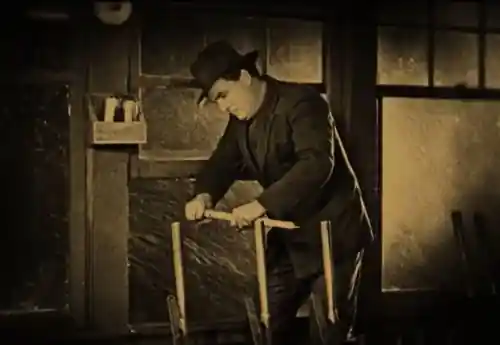
Wallace Beery’s Joe Stephens is a masterpiece of villainy. He doesn't play the character as a mustache-twirling antagonist but as a man who feels entitled to whatever he desires. There is a terrifying banality to his evil. He is the man you work with, the man you trust, which makes his betrayal all the more biting. This level of character depth is something Brown would continue to explore in films like The Man Who Played God, where the complexity of the human spirit is laid bare.
Why does The Signal Tower remain so effective a century later? Perhaps it is because it taps into universal fears. The fear of the outsider, the fear of losing control, and the fear of the machine. It is a film that balances its genre elements with a profound understanding of human nature. While it may not have the name recognition of Lucille Love: The Girl of Mystery or the experimental flair of La montagne infidèle, its influence can be seen in every "runaway train" movie and every "home invasion" thriller that followed.
The film’s pacing is particularly noteworthy. It begins as a slow-burn character study, much like The Sin of Martha Queed or Lena Rivers, before accelerating into its breathless finale. This structural crescendo ensures that the audience is fully invested in the characters before the spectacle takes over. It is a lesson in narrative economy that many modern filmmakers would do well to study.
To watch The Signal Tower today is to witness the birth of the modern thriller. It is a film that understands that the greatest tension comes not from the threat of a collision, but from the threat to the soul. Clarence Brown created a work that is simultaneously a celebration of the American worker and a cautionary tale about the darkness that lurks in the wilderness—both the one outside our doors and the one within ourselves.
Whether you are a fan of silent cinema or a newcomer to the era, this film is essential viewing. It lacks the campiness of Toonerville's Fire Brigade and the simplicity of Play Ball with Babe Ruth, offering instead a rich, rewarding, and ultimately haunting cinematic experience. It is a signal fire from the past, reminding us of the power of visual storytelling and the enduring brilliance of Clarence Brown.
The Signal Tower is a testament to an era when film was discovering its voice—not through sound, but through the sheer force of its imagery and the depth of its silence.
IMDb —
1925
Community
Log in to comment.