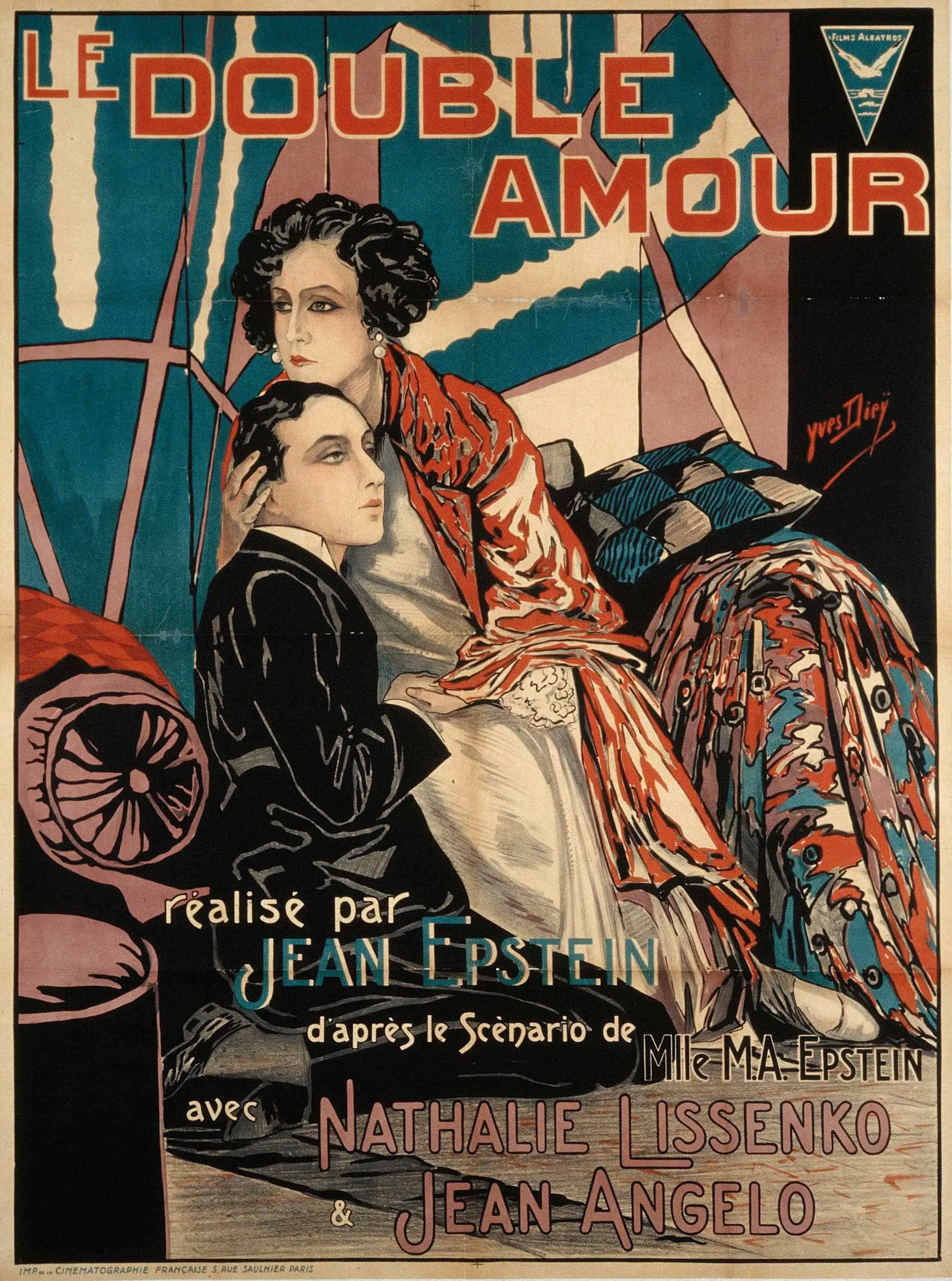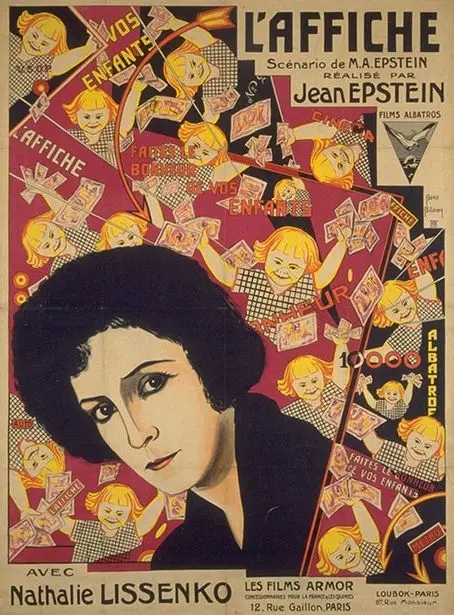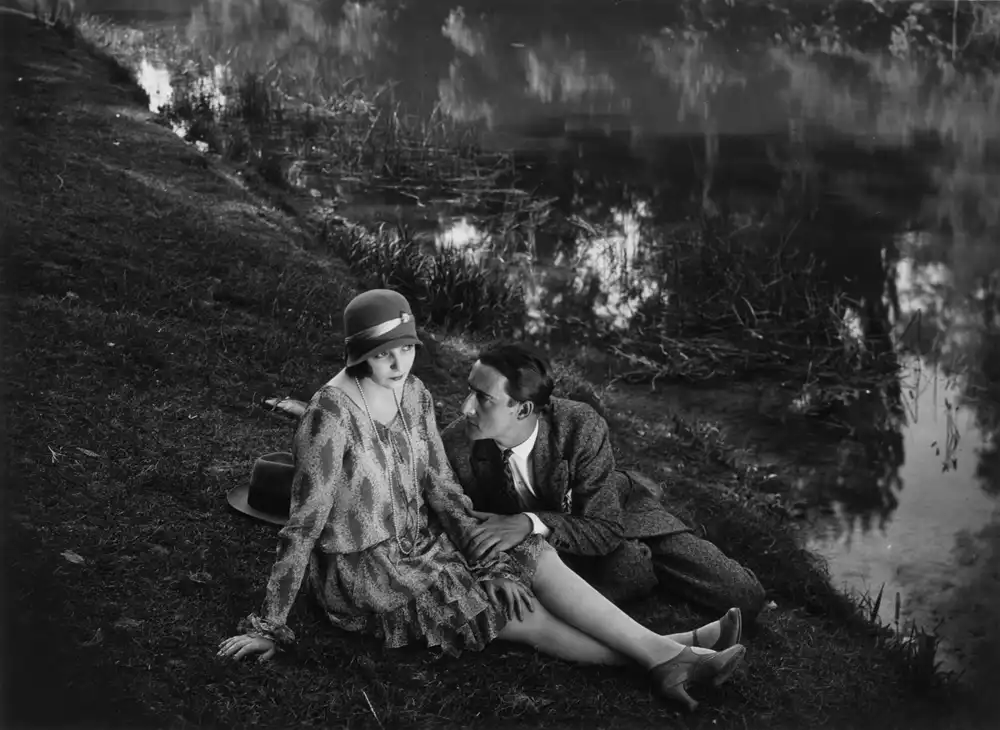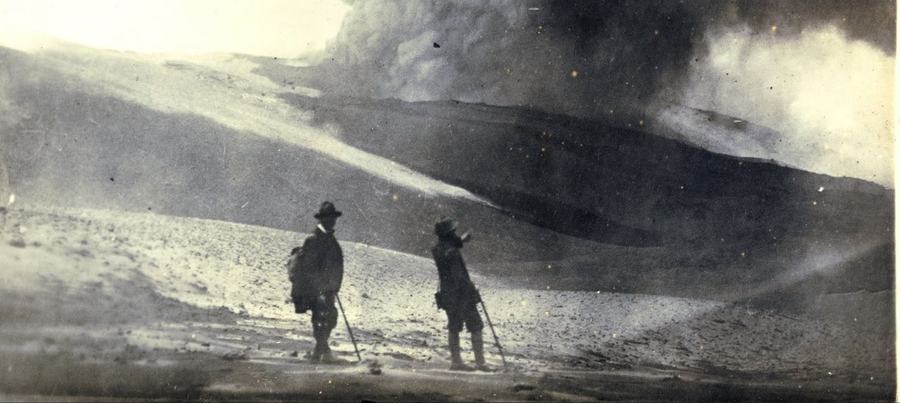
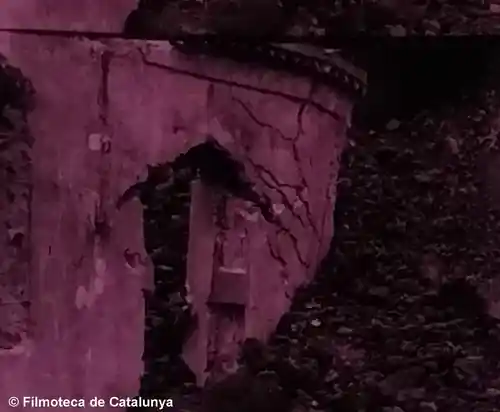
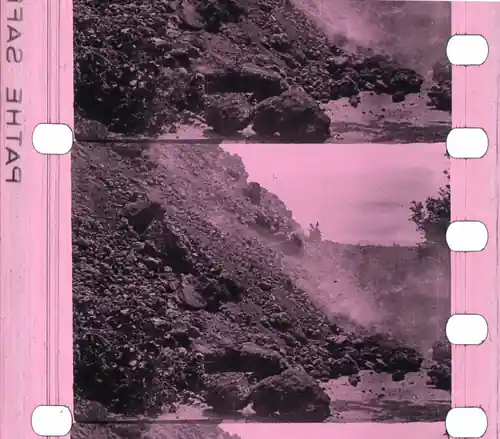
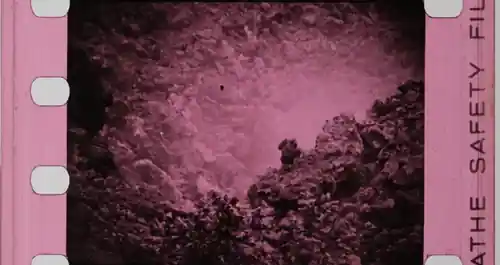
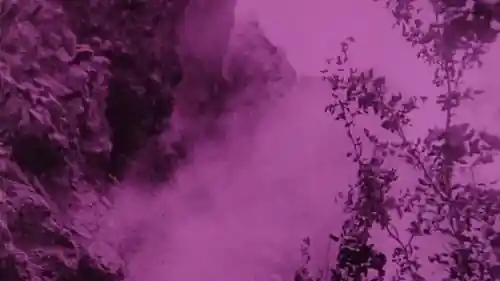
In June 1923, in Sicily, two craters of Etna opened up again. Jean Epstein and his operator Paul Guichard filmed with great recklessness the spectacular lava flow and the devastation it produced.
France
There are moments in cinematic history when the sheer audacity of a filmmaker transcends mere storytelling, venturing instead into the realm of the elemental, the primal, the utterly awe-inspiring. Jean Epstein's 1923 masterpiece, La montagne infidèle (The Unfaithful Mountain), is precisely such a moment. It is not me...
still_frame
still_frame
still_frame
still_frame
still_frame
still_frame
still_frame
Comparing the cinematic DNA and archive impact of two defining moments in cult history.
Jean Epstein

Malcolm St. Clair
Community
Log in to comment.
" There are moments in cinematic history when the sheer audacity of a filmmaker transcends mere storytelling, venturing instead into the realm of the elemental, the primal, the utterly awe-inspiring. Jean Epstein's 1923 masterpiece, La montagne infidèle (The Unfaithful Mountain), is precisely such a moment. It is not merely a film; it is a visceral confrontation with the raw, untamed power of nature, captured with a daring that remains breathtaking even a century later. Imagine the scene: Sicily,..."

Deep dive into the cult classic
Discover similar cinematic experiences
A Directorial Spotlight on Jean Epstein