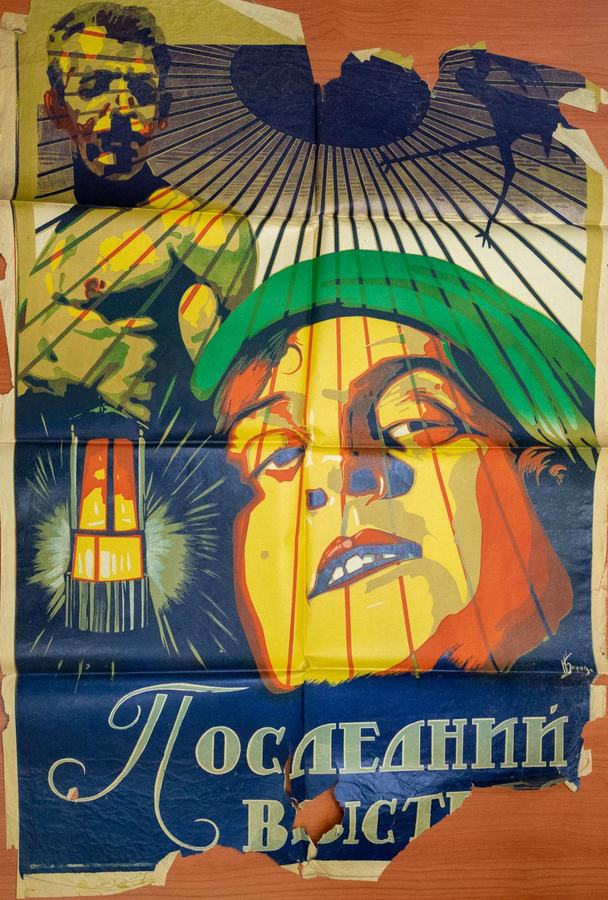
Summary
Ink still moist on the linotype slugs, the Herald’s newsroom is a cathedral of silence: no telegraph tick, no courier’s shout, only the pendulum of a wall clock hacking toward the void of a blank front page. Into this sanctum of panic strides Fred Newton—collar too eager, eyes too bright—brandishing nothing but a rail ticket south and a daredevil grin. His mandate: conjure a war out of the Mexican dust before the composing room doors swing shut. The journey becomes a kinetic fever-dream—steamer smoke braiding with battleship haze off Key West; a clandestine antenna flung like a lariat across the Coahuila sky; a shack of splintered pine turned into a secular tabernacle where Morse is scripture and scoops are sacrament. Through field glasses wedged in a mesquite fork Fred watches history ignite: cavalry sabers catch the sunrise, artillery blooms like iron chrysanthemums, and defeat is soldered into victory in real time. Yet each pulse of current that carries the bulletin north also tugs the noose tighter—bandits, spies, and the ever-hungry censors circle the fragile outpost. When the final dash of the final dispatch is tapped, the frontier erupts in a cathode of gunfire; blood soaks the same soil that moments earlier birthed headlines. A girl on a lathered mustang, a posse of cowboys thundering out of a dime novel, and a volley from the U.S. cavalry across the Rio Grande fuse into one last, improbable crescendo. The presses roll, the ink dries, the lovers vanish into the Manhattan crowd—yet the after-image lingers: newsprint as both shroud and wings.
Synopsis
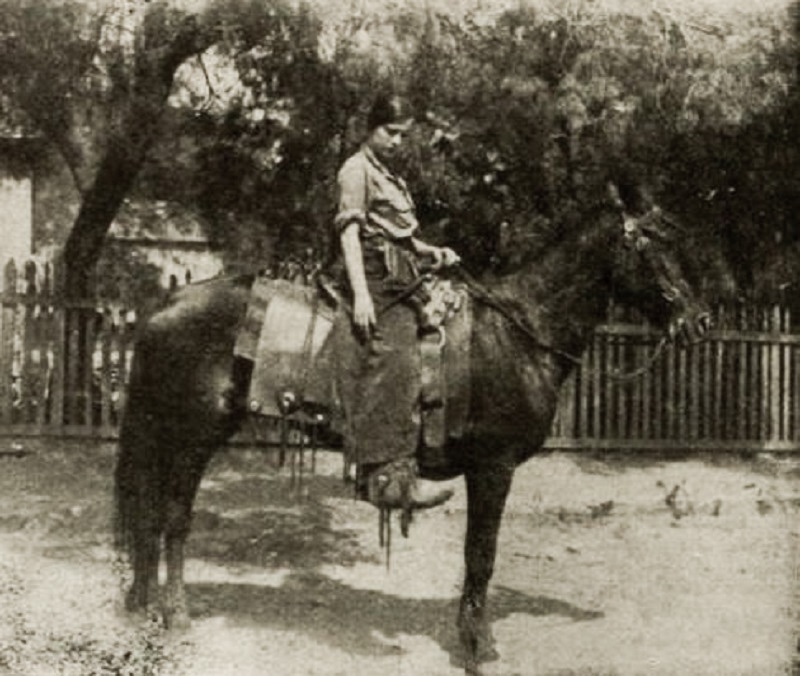
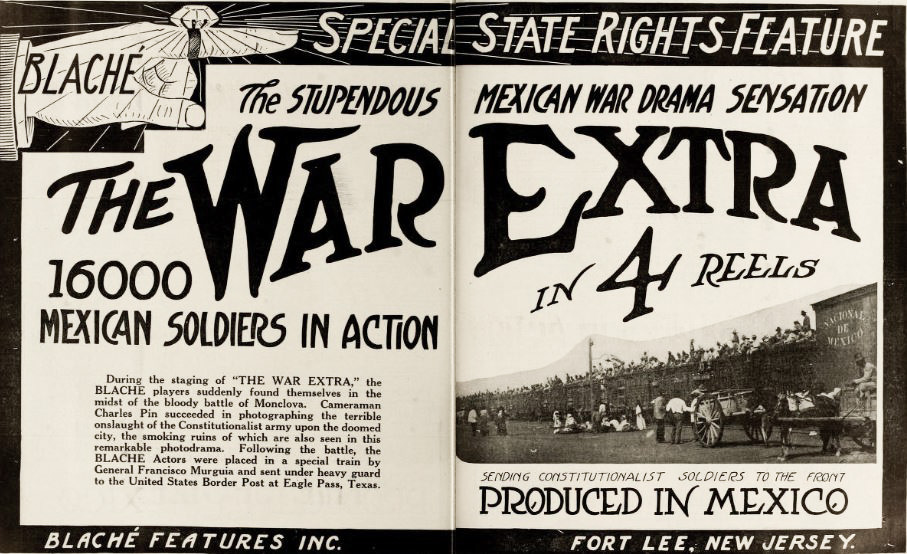
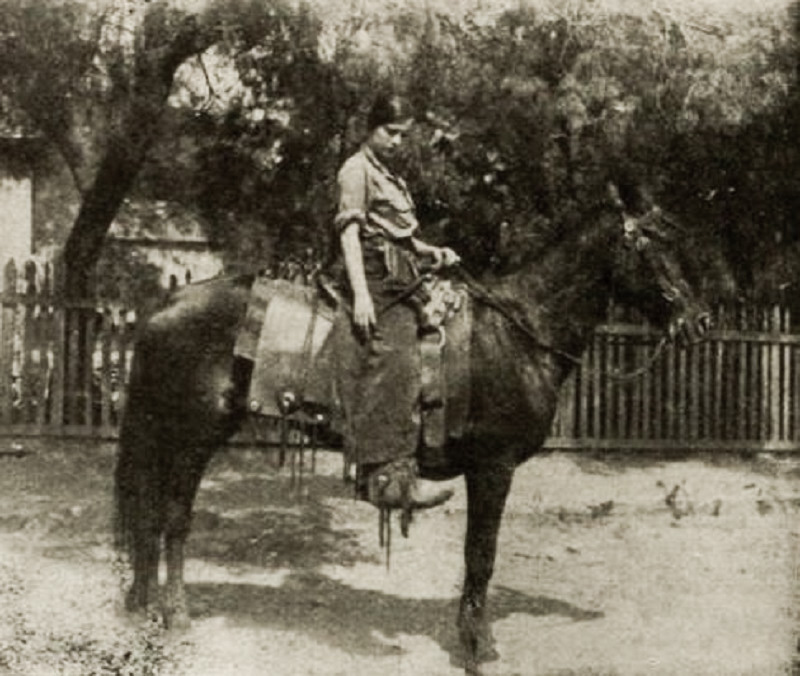
Twenty minutes before press time the Herald has received no news from the front in Mexico, where the interest of the nation is centered, and the editor is desperate. He listens to the pleading of the ambitious cub reporter, Fred Newton, and orders him to Mexico, with instructions to send back real news, regardless of the censors. Accompanied by a telegraph operator assistant, Fred boards a steamer for Key West. He is fortunate enough to pass a battleship and transports bound for Vera Cruz, and communicating with them by wireless he gets some live news for his paper before he has reached the Mexican border. Flushed with success he pushes into Mexico by way of Eagle Pass, Texas, and succeeds in reaching the center of the Constitutionalist activities at Monclova, where he builds a shack and runs a wire of his own to the nearest telegraph line. While delivering supplies to the shack, Dolores, the adopted daughter of a Mexican storekeeper, is set upon by outlaws and her rescue by Fred makes her his devoted friend, but also causes him to be hated by the men he opposed. Prevented from accompanying the main body of the army, Fred and his telegrapher go on a scouting trip. They hear firing and, climbing a tree, witness the great battle of Monclova through field glasses. When the defeat of the Federals by the Constitutionalists is assured, they ride back to the shack and wire the important news direct to their paper. At the Herald office all of the machinery of the issuing of a great daily paper is set in motion as the news of the battle is received from Fred. The story is edited at the copy desk, set up by linotypes, made up in the forms, and stereotyped and placed on the presses. As the papers are distributed and the bulletin boards announce the scoop of the "young reporter on the firing line," Fred's future as a newspaper man is assured. But, as the dispatch is being received and published in New York, the outlaws, reinforced by Mexican irregular troops who have been told that the Americans are spies, attack the shack which is vigorously defended. Dolores attempts to stop the bandits and, failing, rides to the border to summon assistance. She enlists the aid of a large band of cowboys who arrive at the shack in time to engage the bandits in a fierce battle and rescue the now-wounded Fred and his companion and make a dash for safety over the American line. A wild chase, in which many shots are exchanged, is about to end disastrously for the Americans just as they begin to cross the Rio Grande to United States soil, but the American regulars appear upon the scene and fire a volley across the river which sweeps a score of Mexicans from their horses and drives the rest to cover. As Dolores dare not return, Fred persuades her to accompany him to New York and an enthusiastic welcome by his newspaper friends is quickly followed by his marriage to the beautiful little maiden, who is received with open arms by his mother and sister.
Review Excerpt
"
Picture the newsroom as a cavernous heart—each reporter a ventricle, each deadline a systolic thud. When the atrium collapses into silence twenty minutes before edition close, the Herald’s editor becomes a cardiac surgeon without a scalpel. Enter Fred Newton: boyish pulse incarnate, clutching a passport scrawled with hubris. His orders are deliciously impossible: cross a continent, pierce a revolution, and beam back the first unfiltered account of the Battle of Monclova before the inkwells fre..."