DbcultAccessing Vault...
Cult Review
Senior Film Conservator
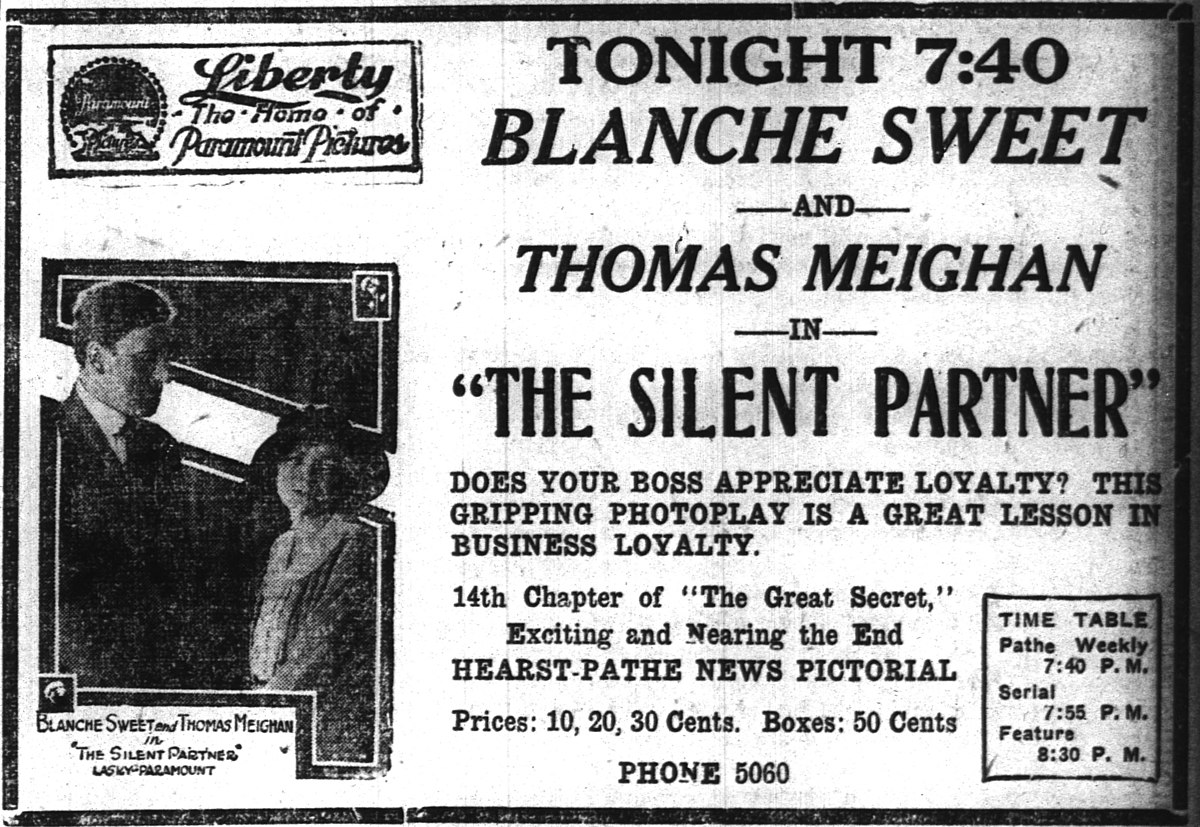
Stepping back into the cinematic tapestry of 1917, one encounters a fascinating artifact of early American filmmaking: "The Silent Partner". This often-overlooked gem, a product of the burgeoning motion picture industry, transcends its silent era origins to deliver a narrative brimming with the universal themes of ambition, betrayal, and the quiet resilience of the human spirit. Far from a mere historical curiosity, the film, penned by the insightful duo of George DuBois Proctor and Edmund Goulding, offers a compelling exploration of corporate intrigue intertwined with a passionate, if often misguided, romantic quadrangle. It’s a testament to the enduring power of storytelling, demonstrating how even without spoken dialogue, a compelling plot and nuanced performances can captivate and provoke thought, mirroring the complex social dynamics of its time with striking clarity.
At its core, "The Silent Partner" unfurls a meticulously crafted plot, a veritable chess match played out amidst the high stakes of early 20th-century finance and societal expectations. The drama ignites with Jane Colby, portrayed with understated brilliance, who unearths the insidious financial improprieties of Harvey Wilson, a partner in her firm. This revelation swiftly leads to Wilson’s ouster by Edward Royle, his business associate. Complicating matters is the tangled web of affection involving both men and Edith Preston, a woman blissfully unaware of Wilson's marital status, yet soon betrothed to Royle. This personal betrayal fuels Wilson's vengeful machinations, as he conspires with David Pierce to orchestrate Royle's financial ruination. The narrative skillfully builds tension, showing Jane, a woman of burgeoning financial acumen, not only safeguarding her own hard-earned savings but also strategically intervening to protect Royle's interests, even resorting to the audacious act of forging his signature to buy crucial stock. The pacing, characteristic of the era, allows for a deliberate unveiling of motivations and consequences, each intertitle serving as a dramatic beat, propelling the intricate story forward. It's a testament to the screenwriters' grasp of dramatic construction, ensuring that every twist and turn feels earned, even as the melodrama escalates.
The film’s enduring appeal largely rests on its well-defined characters, each navigating a moral and emotional minefield. Mabel Van Buren, as Jane Colby, delivers a performance that is both subtle and profoundly impactful. Jane is not merely a passive observer; she is the true architect of salvation, a resourceful and ethically grounded individual whose intelligence far outstrips her initial station. Her journey from diligent employee to indispensable partner is the narrative's beating heart, embodying an early vision of female empowerment through intellect and financial savvy. Her silent resolve and strategic foresight are captivating, making her one of the most compelling female characters of the era, arguably even more so than some of the more overtly dramatic heroines seen in films like The Vow, where personal sacrifice often overshadows professional acumen.
Conversely, Henry Hebert's Harvey Wilson is a portrait of unbridled avarice and vindictiveness. Hebert masterfully conveys Wilson’s duplicity through nuanced gestures and expressions, making him a truly detestable, yet undeniably effective, antagonist. His character serves as a stark reminder of the corrosive power of unchecked ambition and personal slight. Thomas Meighan's Edward Royle, initially a somewhat oblivious businessman, undergoes a significant transformation. He begins as a man swayed by appearances and easily manipulated, but through Jane's actions and his own dawning realization of her worth, he evolves into a more discerning and appreciative figure. His arc is crucial, representing the film's underlying theme of recognizing true value beyond superficial charm.
Then there is Blanche Sweet's Edith Preston, a character who, while beautiful and desired, largely functions as a catalyst for conflict. Sweet imbues Edith with a certain captivating allure, but also a tragic naiveté and self-absorption. Her dramatic outburst upon discovering Wilson's marital status is a powerful moment, showcasing the raw emotional intensity that silent film actors could achieve. Edith's inability to comprehend or contribute to Royle's financial struggles, even withholding her jewels, underscores a societal critique: that some women, despite their social standing, were ill-equipped for the practicalities of life beyond romantic pursuits. Her journey, though less heroic than Jane's, provides a fascinating counterpoint, highlighting the diverse roles and expectations placed upon women during this period.
At its heart, "The Silent Partner" resonates with themes that remain remarkably pertinent today. The film shrewdly examines the burgeoning role of women in the professional sphere. Jane Colby is a proto-feminist icon, a woman whose intellectual prowess and financial acumen are her most potent weapons. In an era where women's roles were often confined to domesticity or as romantic interests, Jane’s agency in the cutthroat world of finance is revolutionary. Her ability to navigate and ultimately triumph over male-dominated corporate treachery speaks volumes, offering a refreshing counter-narrative to the more traditional portrayals of women in contemporary films. This emphasis on female intelligence and capability sets it apart, perhaps finding a distant echo in the more overt social commentaries of later films, but here delivered with a quiet, powerful conviction.
The film also dives headfirst into the murky waters of financial ethics and the corrupting influence of greed. Wilson’s relentless pursuit of wealth and revenge, contrasted with Jane’s integrity and self-sacrifice, forms the moral backbone of the story. It's a cautionary tale about the perils of unchecked ambition, a theme that, while perhaps less overtly epic than the political intrigue of a film like Bismarck, is deeply personal and therefore, in its own way, equally impactful. The intricate financial maneuvers, though simplified for the screen, underscore a societal fascination with the burgeoning world of stock markets and corporate power. Furthermore, the complex romantic entanglements expose the hypocrisy and societal pressures of the time, particularly regarding marriage and fidelity. Edith's tragic realization of Wilson's deceit, and her subsequent rejection, highlights the harsh consequences of living a lie. The film deftly weaves these threads together, creating a tapestry rich with human folly and eventual redemption.
As a product of 1917, "The Silent Partner" showcases the sophisticated artistry that silent cinema had achieved. The direction, while not attributed, demonstrates a keen understanding of visual storytelling. Camera angles, though often static by modern standards, are employed to frame characters and actions effectively, drawing the viewer's eye to crucial details. The use of intertitles is particularly adept, not merely relaying dialogue but also conveying inner thoughts and narrative exposition with a dramatic flourish. Unlike some earlier, more theatrical silent films, this movie often relies on subtle gestures and facial expressions to communicate complex emotions, a hallmark of more mature silent filmmaking. Mabel Van Buren's performance, in particular, is a masterclass in silent acting, her eyes and posture conveying volumes of intelligence, determination, and quiet affection without a single spoken word. Her understated intensity contrasts beautifully with the more overt theatrics of Blanche Sweet’s dramatic outbursts, creating a dynamic ensemble. The editing, while perhaps not as frenetic as later eras, is purposeful, ensuring that the intricate plot remains coherent and engaging. Even the staging of scenes, from the bustling office environment to the clandestine apartment confrontation, contributes to the film's immersive quality, pulling the audience into its dramatic world. The visual language is rich, speaking volumes where words were absent.
Released during the tumultuous years of World War I, "The Silent Partner" provided audiences with a captivating escape into a world of personal rather than global conflict. It stands as a fascinating example of how cinema was evolving from novelty to sophisticated narrative art. The film, with its strong female lead and intricate financial plot, reflects a society grappling with changing gender roles and the increasing complexities of modern capitalism. While perhaps not as widely remembered as some of its contemporaries, its narrative depth and character development demonstrate the artistic ambition present in early Hollywood. It serves as a valuable document, not just of filmmaking techniques, but of the social anxieties and aspirations of the era. For aficionados of silent cinema, it offers a compelling argument for the genre's capacity for intricate storytelling and profound emotional resonance, proving that a film can be both a product of its time and timeless in its appeal.
Ultimately, "The Silent Partner" culminates in a deeply satisfying resolution, not just of financial peril but of emotional awakening. Jane's transformation from an indispensable employee to a recognized partner, both professionally and romantically, is a poignant and powerful statement. The final scene, where Royle acknowledges her as a full partner and their unspoken love finally blossoms, is a testament to the film's emotional intelligence. It’s a narrative that champions integrity, intelligence, and the quiet strength of character, leaving the viewer with a sense of justice served and a heartwarming affirmation of true partnership. This silent masterpiece, with its intricate plot and resonant themes, unequivocally deserves a place in the pantheon of compelling early cinema, proving that some stories are best told with the eloquence of silence.
IMDb —
1935
Community
Log in to comment.