Summary
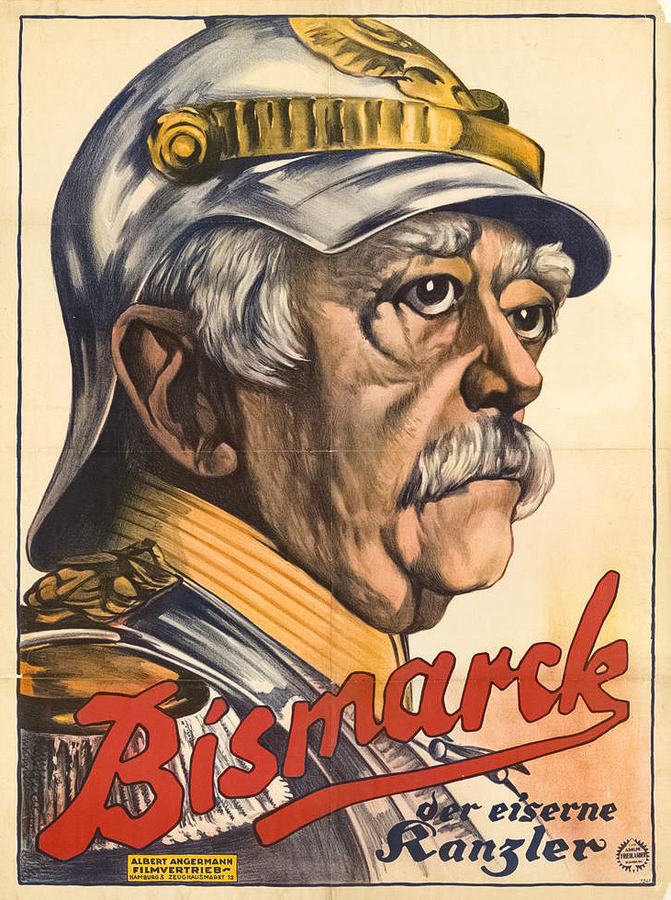
A celluloid diorama of Wilhelmine Germany unfolds like a cracked porcelain cameo: Anna Ludwig’s Kronprinzessin Viktoria glides through lamp-lit corridors where every gas-jet hiss foretells the bloodletting of 1914, while Hanni Reinwald’s anarchist Lene hurls pamphlets that flutter like albino moths against the marble bust of the Iron Chancellor. Franz Ludwig’s Bismarck is no beard-and-spurs caricature but a hulking insomniac colossus, pacing candle-wax forests of parchment, dictating cables that will weld kingdoms into empire yet already smell of funeral lilies. Paul Passarge’s Generalstabler stalks the periphery, a predatory heron in epaulettes, rehearsing troop movements on parquet floors the colour of dried arterial spray. Richard Schott’s screenplay folds time like a paper funereal wreath: childhood flashbacks burst through sooty celluloid nitrate, the young Otto scrawling ‘Deutschland’ in crabbed Sütterlin across a school slate already fissured by future shellfire. In the Reichstag scenes, cigar smoke coils into proto-expressionist arabesques; every back-room handshake feels performed by marionettes whose strings are spun from silesian flax and bankers’ ink. The film ends not with resignation or death but with an iris-in on the Chancellor’s vacant dinner chair—cut crystal glinting, untouched sauerbraten cooling—while outside the Brandenburg Gate a parade band strikes up a march whose rhythm matches the ventricles of a generation about to haemorrhage on the Marne.
Review Excerpt
"
The first thing that strikes you is the temperature: frames seem refrigerated, as though the camera had inhaled the same January breath that froze Spree barges the winter the real Chancellor fell. Cinematographer Willy Goldberger lenses candlelight so that it clings to cheekbones like yellowed glue; court salons become aquariums of embalmed etiquette. When Anna Ludwig enters in a bustle that rustles like scorched newspaper, the emulsion itself appears to shiver.
Director Richard Schott refuses ..."