DbcultAccessing Vault...
Cult Review
Senior Film Conservator
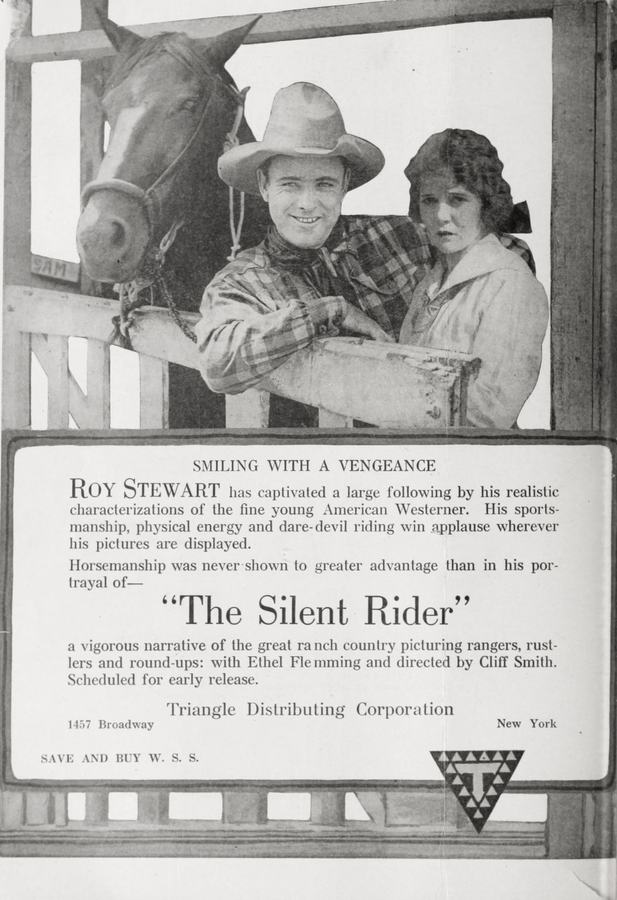
The year 1918 remains a fascinating threshold in the evolution of American cinema, a period where the primitive energy of the nickelodeon began to fuse with the sophisticated visual grammar that would define the Golden Age. Within this crucible, The Silent Rider emerges as a seminal artifact, a Western that transcends its genre tropes through a combination of atmospheric density and a palpable sense of moral weight. Directed with a keen eye for the rugged topography of the West, the film serves as a showcase for Roy Stewart, an actor whose screen presence possessed a gravitational pull that rivaled the more celebrated William S. Hart. Stewart’s portrayal of Bob Gordon is a masterclass in underplayed intensity, a performance that relies on the subtle shift of a gaze or the stillness of a silhouette against the setting sun rather than the histrionics common to the era.
To understand the resonance of The Silent Rider, one must first appreciate the landscape of the 1910s. This was a time when the frontier was still a living memory for many viewers, and the Western was not merely entertainment but a form of cultural myth-making. The plot, penned by C.M. Clark, operates on a dual track of domestic drama and frontier justice. Jim Carson, played with a weary dignity by Lafe McKee, represents the old guard—the pioneer whose strength is being sapped by a new, more insidious kind of criminality. The rustling of his cattle is not just a financial loss; it is a symbolic erosion of his sovereignty over the land he has tamed. When Bob Gordon enters this fray, he does so as a catalyst for change, a silent force of nature that arrives to restore the equilibrium of the range.
The cinematography in The Silent Rider utilizes the harsh sunlight of the Texan plains to create a stark, high-contrast world where secrets have nowhere to hide. The sequence involving the branding of the calf is particularly noteworthy for its visceral realism. In this scene, the act of branding—a fundamental part of ranch life—is transformed into a ritual of corruption. As Dave Merrill (Leo Willis) applies the iron, the smoke rising from the hide becomes a metaphor for the moral rot festering within the ranch’s hierarchy. Willis plays Merrill with a sneering, oily desperation that provides a perfect foil to Stewart’s granite-like composure. Their rivalry over Jean Carson, portrayed by the luminous Ethel Fleming, adds a layer of Shakespearean tragedy to the proceedings, as the foreman’s jealousy eventually drives him to abandon all pretenses of civilization.
Contrast this gritty, dust-choked reality with the pastoral innocence found in other contemporary works like Rebecca of Sunnybrook Farm. While the latter film explores the burgeoning optimism of a young girl’s journey into the world, The Silent Rider is preoccupied with the darker undercurrents of the American experience—the violence required to maintain order and the inherent fragility of the law in the face of human greed. The two films, though vastly different in tone, represent the dual nature of the 1918 cinematic output: the idyllic dream and the rugged nightmare. The tonal shifts in The Silent Rider are handled with a surprising degree of sophistication, moving from the quiet, almost bucolic scenes of Bob and Jean’s courtship to the frantic, pulse-pounding chase through the hills in the final act.
The revelation that Bob Gordon is, in fact, a Texas Ranger is a trope that has been revisited countless times in the decades since, but in 1918, it carried a specific weight of authority. The Texas Rangers were the ultimate symbol of state-sanctioned justice, and Bob’s undercover status allows the film to explore themes of surveillance and moral ambiguity. He is a man existing between two worlds—the lawless ranch and the structured world of the law. This duality is reflected in Stewart’s performance; he is always watching, always calculating, his silence a shield that protects his true intentions. The film’s title, The Silent Rider, is thus a literal and metaphorical descriptor of its protagonist’s methodology.
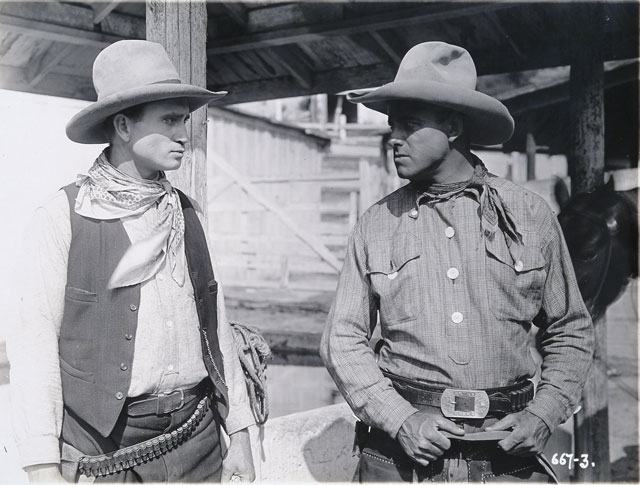
The third act of the film is a masterclass in tension-building. When Merrill abducts Jean, the narrative shifts into a high-octane pursuit that utilizes the natural landscape to enhance the drama. The hills become a labyrinth, a chaotic space where the rules of the ranch no longer apply. The final confrontation in the hideout is staged with a brutal efficiency that eschews the choreographed artifice of later Westerns. When Bob kicks in the door, it is not just a rescue; it is the inevitable collision of law and lawlessness. The death of the outlaw Merrill is handled with a grim finality that underscores the film’s belief in a harsh, retributive justice. There is no room for redemption in this world; the brand of the criminal is as permanent as the iron on the calf’s hide.
Critically examining The Silent Rider through a modern lens reveals a work that is surprisingly robust. While some of the secondary performances lean into the theatricality of the silent era, the core conflict remains compellingly visceral. The writing by C.M. Clark avoids the pitfalls of excessive sentimentality, opting instead for a narrative structure that feels lean and purposeful. The film’s pacing is remarkably modern, with each scene contributing to the escalating sense of dread that culminates in the mountain showdown. It is a film that understands the power of the image—the way a wide shot of a lone rider can convey isolation more effectively than a thousand words of dialogue.
The technical aspects of the production, from the authentic costuming to the use of actual ranch locations, lend the film a documentary-like quality that enhances its impact. In an era before the sanitization of the Western genre by the Hays Code, The Silent Rider was free to explore the darker corners of the frontier psyche. The enmity between Bob and Merrill is not just a plot point; it is a manifestation of the eternal struggle between the builder and the destroyer, the protector and the predator. The film’s conclusion, while satisfying the audience’s desire for justice, leaves a lingering sense of the cost of that justice. The silence of the rider is the silence of a man who has seen the worst of humanity and chosen to stand against it.
In the broader context of silent cinema, The Silent Rider stands as a testament to the enduring power of the Western mythos. It is a film that rewards close viewing, revealing layers of subtext regarding class, gender roles, and the nature of the American hero. Ethel Fleming’s Jean, while occasionally relegated to the role of the damsel, possesses a flinty resolve that suggests a character capable of surviving the harsh realities of ranch life. Her chemistry with Stewart is palpable, providing the film with an emotional anchor that elevates the stakes of the final rescue. As we look back at the cinematic landscape of 1918, The Silent Rider remains a towering achievement, a rugged and uncompromising vision of the West that continues to resonate with its stark beauty and unwavering moral clarity. It is a celluloid journey into the heart of the frontier, where the only thing louder than the crack of a pistol is the silence of a man doing his duty.
Final Reflection: While many silent films have faded into the obscurity of history, The Silent Rider retains a sharp, jagged edge. It is a reminder that the Western was once a genre of profound psychological depth and visual experimentation. Roy Stewart’s performance remains a high-water mark for the era, a silent sentinel standing guard over the legacy of the Texas Rangers and the enduring spirit of the American rancher.
IMDb —
1927
Community
Log in to comment.