DbcultAccessing Vault...
5.2/10
Senior Film Conservator
A definitive 5.2/10 rating for a film that redefined the boundaries of cult cinema. Catalina, Here I Come remains a cornerstone of transgressive art.
Is Catalina, Here I Come worth watching today? Short answer: Yes, but primarily as a frantic, fascinating time capsule of 1920s promotional filmmaking rather than a narrative triumph.
This film is for silent comedy completists and those who find the intersection of early corporate branding and slapstick hilarious. It is definitely not for viewers who demand a cohesive plot or sophisticated character arcs.
This film works because it captures the raw, unpolished energy of a real-world event—the Wrigley-sponsored Catalina swim—and injects it with a dose of absurdist fiction.
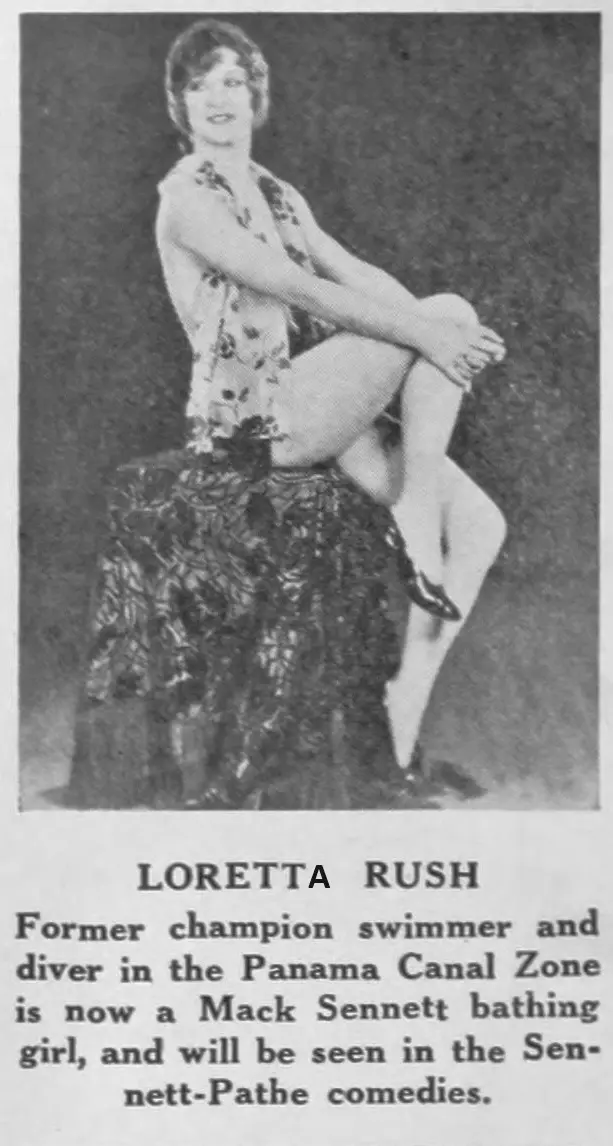
This film fails because the transition between the cafe-set domestic comedy and the open-water documentary footage is jarring enough to cause cinematic whiplash.
You should watch it if you want to see how early cinema integrated real-life 'influencer' culture and corporate sponsorship into a fictional narrative framework.
Catalina, Here I Come is an oddity. It’s not just a movie; it’s a collision. On one side, you have the standard tropes of the 'working girl' comedy, led by Mary Maybery’s Wanda. On the other, you have a massive marketing exercise for William Wrigley Jr. and his chewing gum empire. The way the film attempts to marry these two disparate elements is both its greatest strength and its most glaring weakness.
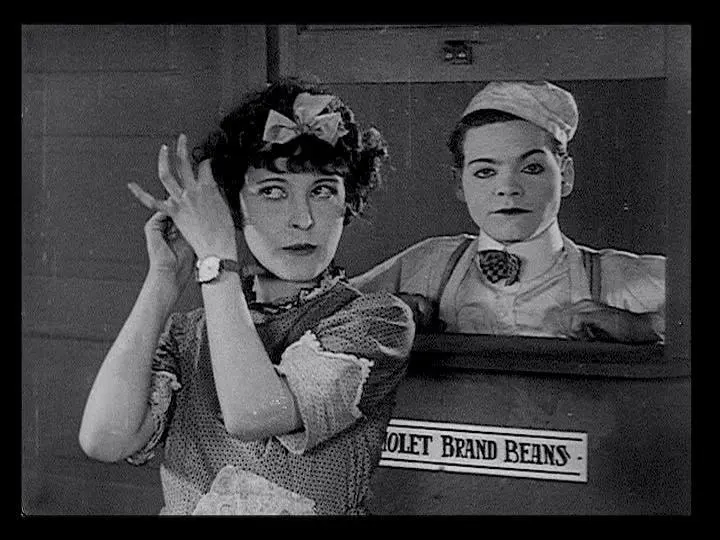
The cafe scenes are pure slapstick. Eddie Quillan plays the pastry boy with a frantic, wide-eyed sincerity that feels remarkably modern. He isn't just dim; he’s aggressively naive. His interactions with Billy Gilbert’s Mr. Hamhocks provide the film with its most reliable laughs. Gilbert, even this early in his career, understood the power of the slow burn and the physical explosion. When he is smitten by Pearl Minnow, the gold digger, his performance shifts into a gear of absurdity that rivals the better-known shorts like The Girl and the Graft.
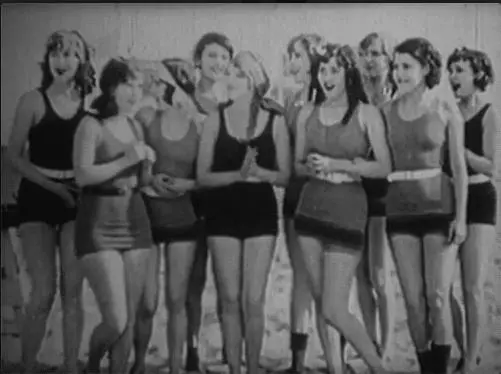
However, the film changes entirely once the action moves to the water. The shift from the controlled environment of the cafe to the chaotic, wind-swept reality of the Catalina Channel is startling. The use of documentary footage gives the film a weight it hasn't earned. You see real crowds, real swimmers, and the real William Wrigley Jr. It’s an early example of 'mockumentary' style, though it’s played entirely straight for the sake of the gag.
The heart of the film is the rivalry between Wanda and Pearl. Wanda is the quintessential 1920s 'tough broad.' She chews her gum like she’s trying to grind stones into dust. She represents the grit of the service industry. Pearl, played with a delightful sense of entitlement by Loretta Rush, represents the aspirational, often fraudulent, social mobility of the era. She is in town for the money, the fame, and the sponsorship.
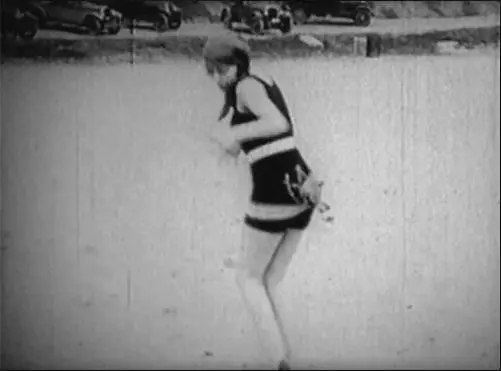
When the two women hit the water, the film abandons the subtle (for the time) character work and dives headfirst into chaos. The swimming competition isn't just about speed; it’s about survival. The male leads, Eddie and Hamhocks, are essentially useless as support staff. Their attempts to 'help' their respective women usually result in more danger. This subversion of the 'heroic male' trope is one of the more surprising elements of the film. It’s the women doing the heavy lifting, while the men act as anchors.
The pacing here is relentless. It lacks the rhythmic precision of Bowled Over, opting instead for a 'more is more' approach. If a joke doesn't land, the directors simply throw a swordfish at the screen. Literally. The inclusion of an angry swordfish is the film's 'jump the shark' moment, except it actually works because the rest of the film is already so unhinged.
The direction, credited to a committee of writers including Harry McCoy and Jefferson Moffitt, feels like a relay race. You can almost see where one writer’s idea ends and another’s begins. The cafe scenes are shot with a static, proscenium-style camera that emphasizes the physical comedy of the space. In contrast, the water sequences are messy and experimental. The cameras struggle with the glare of the sun on the waves, creating a high-contrast look that makes the documentary footage feel like a fever dream.
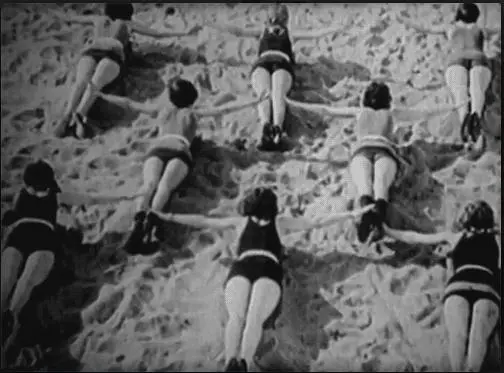
One specific scene involving a capsized boat and a frantic rescue attempt shows a surprising amount of technical ambition. The editing between the close-up reaction shots of the actors and the wide shots of the actual swimmers is surprisingly fluid. It’s not seamless—you can tell the difference between a studio tank and the Pacific Ocean—but the effort is commendable. It reminds me of the technical experimentation found in The Napoleonic Epics, albeit on a much smaller, more comedic scale.
The tone is also worth noting. It’s cynical. There’s a certain bitterness to the way Pearl is portrayed, and a weariness to Wanda’s gum-chewing. This isn't a sunny, optimistic comedy. It’s a film about people trying to get ahead in a world that is literally trying to drown them or spear them with a swordfish. That edge keeps it from feeling like a mere advertisement for chewing gum.
Yes, Catalina, Here I Come is worth watching if you are interested in the history of the American slapstick short and its relationship with real-world events.
While the narrative is thin and the characters are archetypes, the integration of the 1927 Catalina Channel Swim footage makes it a unique historical document. It provides a window into the celebrity culture of the 1920s that few other fictional films of the era offer. If you can appreciate the craft of physical comedians like Eddie Quillan and Billy Gilbert, the 20-minute runtime will fly by. Just don't expect a masterpiece of storytelling; expect a chaotic, saltwater-soaked sprint to the finish line.
Pros:
Cons:
Catalina, Here I Come is a messy, loud, and occasionally brilliant piece of silent cinema. It doesn't have the emotional depth of something like The Return of Peter Grimm, nor does it have the polished wit of the era's best features. But what it does have is a manic energy that is impossible to ignore. It is a film that reflects its era perfectly: obsessed with spectacle, commerce, and the relentless pursuit of a win.
The swordfish is a stroke of madness. The gum-chewing is a statement of intent. The film works. But it’s flawed. It’s a brawling, splashing reminder that even in 1927, cinema was already trying to find ways to sell you something while making you laugh. If you go in with that understanding, you'll find plenty to enjoy in this aquatic catastrophe.
IMDb —
1924
Community
Log in to comment.