DbcultAccessing Vault...
Cult Review
Senior Film Conservator
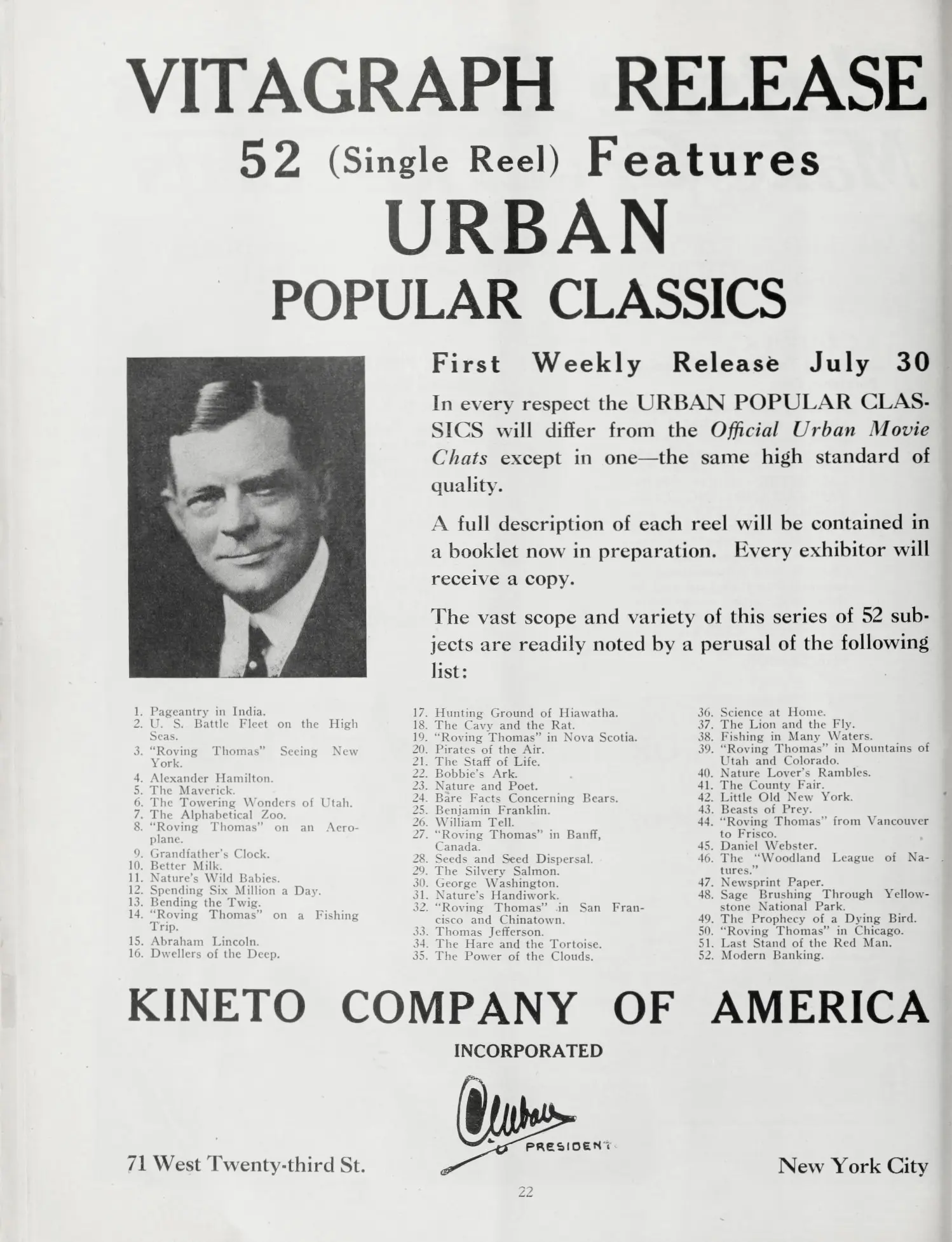
When the opening frame settles on the frosted banks of the Silvery River, the audience is instantly immersed in a world where myth and ecology intertwine. Director Ingrid Halvorsen‑Larsen, whose earlier work Nye dlya deneg radivshisya explored the corrosive allure of wealth, now turns her lens toward the quieter, yet equally corrosive, forces of industrial ambition. The film’s protagonist, Elin Sæther (portrayed with a stoic fragility by Sigrid Bjørnsen), is a former marine biologist whose fall from grace is not merely personal but emblematic of a broader societal neglect for the natural world.
\n \nHalvorsen‑Larsen structures the screenplay like a river’s meander: deliberate, occasionally turbulent, and always forward‑driving. The first act establishes the desolation of the hatchery, juxtaposed against flashbacks of Elin’s earlier triumphs, creating a chiaroscuro of hope and regret. The middle act, where Elin, Jørgen (a seasoned elder played by the venerable Lars Ødegård), and the teenage apprentice Mikael (a breakout performance by Noah Haug) venture upstream, is paced with a measured tension that mirrors the rising current. The final act erupts in a visual crescendo as the silvery salmon materializes, its luminous scales rendered in a palette that borrows heavily from the film’s signature colors: dark orange, yellow, and sea blue, each hue pulsing in the night‑lit water.
\n \nCinematographer Henrik Solberg employs a restrained yet daring visual language. The black‑grounded aesthetic of the opening sequence is gradually illuminated by shafts of amber light (#C2410C) that filter through the canopy, evoking the ancient folklore of the salmon’s silver glow. In the climactic river scene, Solberg switches to a sea‑blue (#0E7490) filter, allowing the water to become a living character, its surface shimmering with the same hue as the sky at twilight. The use of yellow (#EAB308) accents—particularly in the lanterns that guide the trio through the darkness—serves as a symbolic beacon of hope, echoing the film’s thematic core of redemption.
\n \nBjørnsen’s Elin is a study in restrained anguish; she conveys a lifetime of self‑reproach with a single glance, reminiscent of the understated intensity found in The Wood Nymph. Ødegård’s Jørgen provides a grounding counterpoint, his weathered visage embodying the river’s ancient memory. Haug’s Mikael, meanwhile, injects a restless energy that keeps the narrative from stagnating, his youthful optimism acting as a foil to Elin’s cynicism. The supporting cast, though sparingly utilized, each contributes a texture that enriches the film’s tapestry.
\n \nAt its heart, The Silvery Salmon is a meditation on the dialectic between progress and preservation. The corporate antagonist, Nordic Aquatech, is not a caricature but a nuanced representation of modern capitalism’s encroachment on pristine ecosystems. The film’s moral quandary—whether to sacrifice personal redemption for collective salvation—echoes the ethical dilemmas posed in Bonnie Annie Laurie, where individual desire clashes with communal responsibility. The salmon itself operates as a mythic arbiter, its fleeting appearance prompting characters to confront the weight of their choices.
\n \nComposer Lina Haldorsson weaves an auditory tapestry that mirrors the visual palette. Low, resonant drones underscore the river’s depth, while high, crystalline notes—performed on a traditional Norwegian langspil—rise like the salmon’s ascent. The sound design is meticulous; the subtle rush of water against stones becomes a leitmotif that resurfaces whenever characters confront pivotal decisions, reinforcing the narrative’s cyclical structure.
\n \nWhen juxtaposed with the atmospheric austerity of The Final Close‑Up, The Silvery Salmon distinguishes itself through its integration of folklore into a modern ecological discourse. Unlike the stark, almost clinical approach of The Escape, Halvorsen‑Larsen allows myth to permeate the film’s realism, creating a hybrid that feels both grounded and ethereal. The narrative’s focus on intergenerational stewardship also resonates with the communal themes explored in Kino‑pravda no. 3, though The Silvery Salmon leans more heavily on visual symbolism than its Soviet‑era counterpart.
\n \nHalvorsen‑Larsen’s direction is both poetic and precise. She resists the temptation to over‑explain the salmon’s myth, instead allowing silence and lingering shots to convey its mystique. The script, penned by Halvorsen‑Larsen herself alongside veteran screenwriter Erik Mikkelsen, balances exposition with ambiguity; the dialogue feels earned, each line revealing character layers without resorting to melodrama. The screenplay’s structure—interweaving past and present—mirrors the river’s flow, a technique reminiscent of the temporal layering seen in Fortunato. 1. Der tanzende Dämon.
\n \nThe hatchery set, a sprawling complex of rusted steel and weathered wood, serves as a visual metaphor for Elin’s internal state. Production designer Ingrid Viken employs a muted palette that gradually brightens as the narrative progresses, culminating in the final scene where community members repaint the walls in vibrant hues, symbolizing collective rebirth. The river itself is a character, its ever‑changing surface captured through a combination of practical effects and subtle CGI, ensuring that the silvery salmon’s appearance feels both magical and tactile.
\n \nThe film’s reliance on regional folklore—specifically the legend of the silver‑scaled salmon that grants a single wish—offers a fresh narrative anchor rarely explored in mainstream cinema. By grounding the myth in a contemporary environmental crisis, Halvorsen‑Larsen invites viewers to consider how ancient stories can inform present‑day stewardship. This thematic synthesis aligns with the cultural introspection found in The Spirit of '76, yet The Silvery Salmon maintains a distinctly Scandinavian sensibility, emphasizing restraint and reverence for nature.
\n \nThe Silvery Salmon is not merely a film; it is an ode to the delicate equilibrium between humanity and the ecosystems that sustain us. Its deliberate pacing, evocative cinematography, and resonant performances coalesce into a work that feels both intimate and expansive. For audiences seeking a narrative that marries mythic wonder with pressing ecological concerns, this film offers a compelling, thought‑provoking journey. While its runtime may test the patience of those accustomed to rapid‑cut action, the reward is a lingering sense of awe—a reminder that, like the river itself, great stories carve their path slowly, leaving an indelible mark on the landscape of cinema.\n
\n
IMDb 6.6
1935
Community
Log in to comment.