DbcultAccessing Vault...
6.6/10
Senior Film Conservator
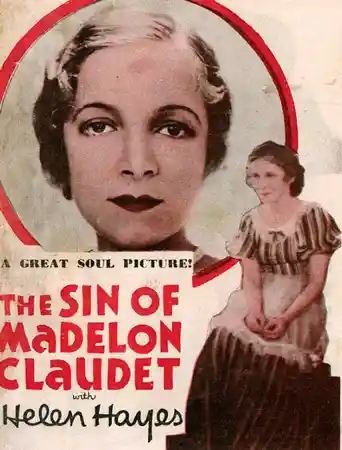
A definitive 6.6/10 rating for a film that redefined the boundaries of cult cinema. The Sin of Madelon Claudet remains a cornerstone of transgressive art.
Okay, so listen. If you're someone who loves diving deep into the pre-Code era, or you just appreciate a really powerful performance, then The Sin of Madelon Claudet is absolutely worth your time. For everyone else, especially those who find old black-and-white dramas a bit slow or too earnest, you might want to give it a pass. It’s a tear-jerker, plain and simple, and it pulls no punches.
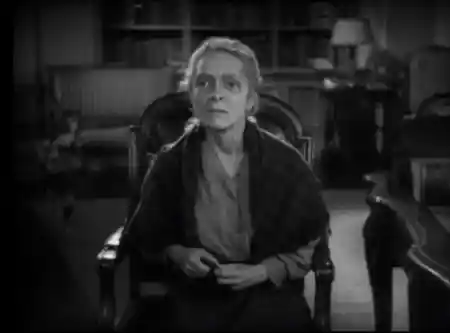
Helen Hayes, man. She carries this entire thing on her shoulders, and it’s a heavy load. The movie starts with her character, Madelon, as this bright-eyed young woman, all hopeful and in love. But then life just… *happens* to her, in the cruelest ways possible. Seriously, it's one gut punch after another.
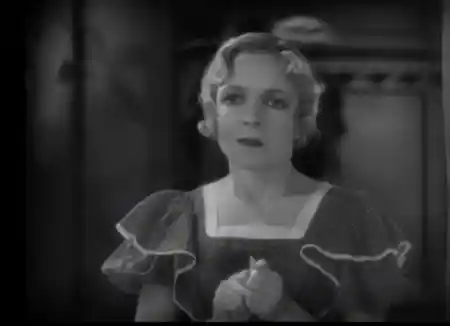
Her big "sin," which isn't really a sin at all by modern standards, gets her thrown into jail. She didn't even do it! After that, her life just spirals. She has a son, André, and her entire existence becomes about making sure he has a good life, a life *she* could never have. This means some pretty intense sacrifices, stuff that really makes you wince a little. 🥺
One scene that really stuck with me is when she’s much older, working the streets, just trying to scrape by. Her face, thanks to some really impressive makeup for 1931, looks so weathered and tired. But then she gets this fleeting look in her eyes, almost a spark, when she thinks about André. It’s quick, but it sells her whole motivation better than any dialogue could. You just *feel* the years on her.
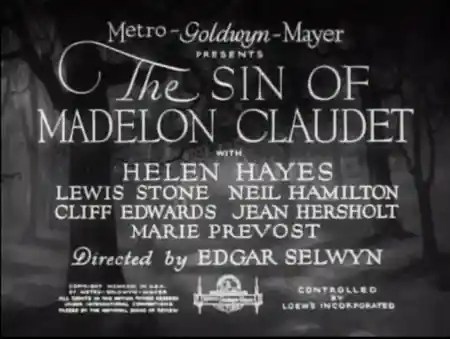
The movie doesn't shy away from showing her descent into a life of crime and, well, 'easy virtue.' It’s all for her son, though. She wants him to be a doctor, and she’s willing to do *anything* to make that happen. It’s pretty stark how the film portrays this: her hands getting rougher, her clothes shabbier, while her son is off at fancy schools, completely unaware of the truth. The contrast is brutal.
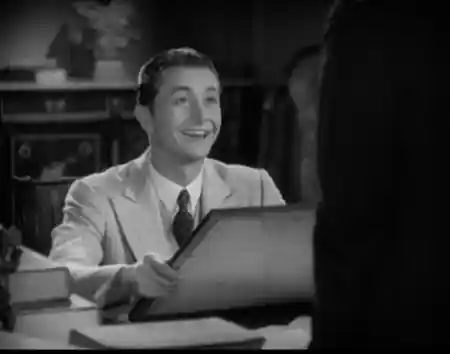
There's this moment where she visits him, but he doesn't know it's her. She's dressed plainly, almost like a servant, just watching him from a distance. The camera just holds on her face, and you see all the love and all the pain there. It’s not over-the-top acting, just a deep, quiet sadness. This is what *good* old movies do, you know?
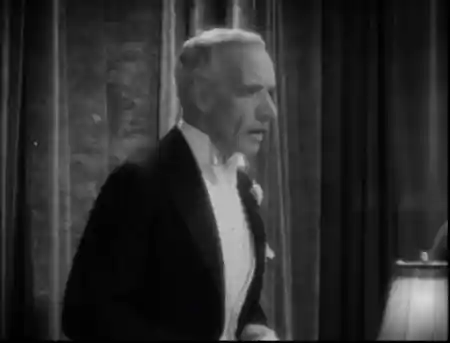
I mean, the pacing can feel a bit slow sometimes, especially in the middle section when she's just… existing in her suffering. But then it always snaps back to some emotional peak. Like when she finally tells her old friend, played by Jean Hersholt, why she does what she does. His reaction is everything. He’s been there for her through thick and thin, a real anchor in her stormy life.
Some of the supporting characters fade into the background a bit, which is fine. This is really Helen Hayes' show. The men in her life, the ones who hurt her, the ones who help her — they’re mostly there to facilitate *her* story. Even her initial love interest, who gets her into trouble, feels more like a plot device than a fully fleshed-out person. But that's okay, because the focus is so clearly on Madelon.
The ending, without giving too much away, is exactly what you’d expect from a melodrama of this era. It ties things up, but not necessarily neatly. There’s a bittersweetness to it that lingers. You leave feeling like you’ve been through something with her, and that’s a testament to the film’s emotional core.
It’s a powerful watch, truly. If you like your movies with a heavy dose of sacrifice and a lead performance that just *nails* it, this is for you. It might not be for a Friday night popcorn flick, but for a quiet afternoon when you’re ready to feel some emotions? Absolutely.
IMDb —
1914
Community
Log in to comment.