DbcultAccessing Vault...
Cult Review
Senior Film Conservator
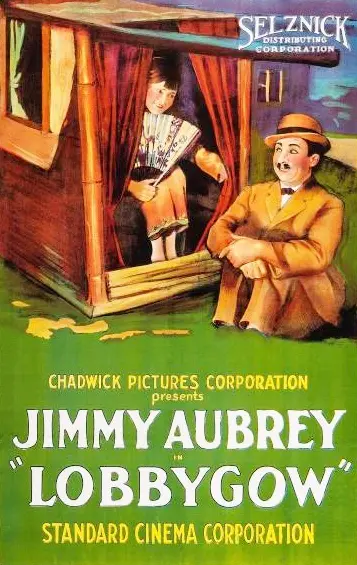
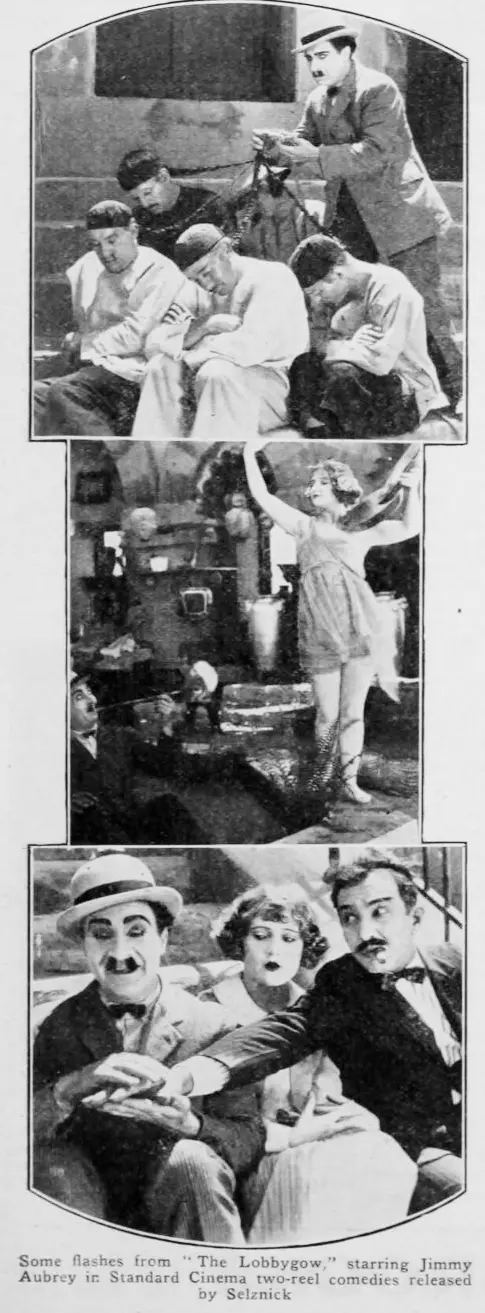
Stepping into the cinematic landscape of 1918, one encounters The Lobbygow, a film that, even a century later, retains a peculiar, almost hypnotic charm. It is a work that, at first glance, might appear to be a straightforward adventure, yet it quickly reveals itself as something far more elusive: a journey into the very fabric of the subconscious. The narrative, penned by Leon Lee, is less a rigid plot and more a series of vivid, interconnected vignettes, all coalescing within the fantastical realm of a dream. This structure, while perhaps disorienting to contemporary viewers accustomed to linear storytelling, was a fascinating exploration for its era, allowing for a freedom of expression and a narrative fluidity that defied conventional cinematic grammar. It challenges the viewer to surrender to its logic, however ephemeral, and to embrace the intoxicating allure of its imagined world.
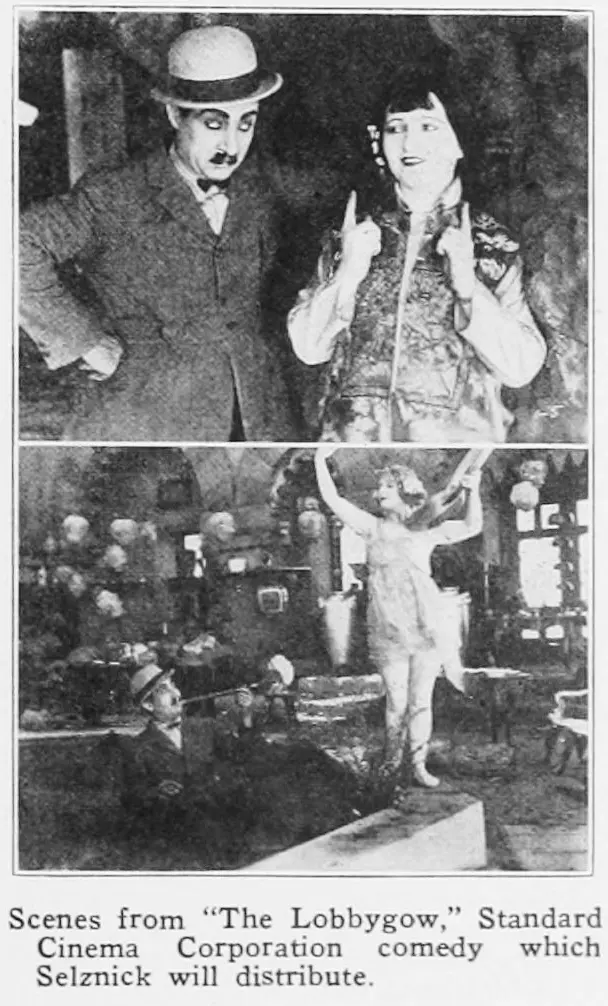
The film’s opening gambit immediately transports us, or rather, transports its protagonist, Aubrey, to a China that exists more as an exoticized fantasy than a geographical reality. This ‘China’ is a stage set for a grand illusion, a vibrant, albeit stereotypical, backdrop against which Aubrey's unconscious desires and fears are projected. It’s a vision steeped in the Orientalist aesthetic prevalent in early 20th-century Western art, where the 'East' served as a canvas for boundless adventure and mysterious romance. While today such portrayals might invite critical scrutiny regarding cultural authenticity, within the context of 1918, it was a potent symbol of escapism, a portal to a world distinct from the familiar. This imaginative setting is crucial; it establishes a sense of detachment from reality, subtly preparing