DbcultAccessing Vault...
5.8/10
Senior Film Conservator
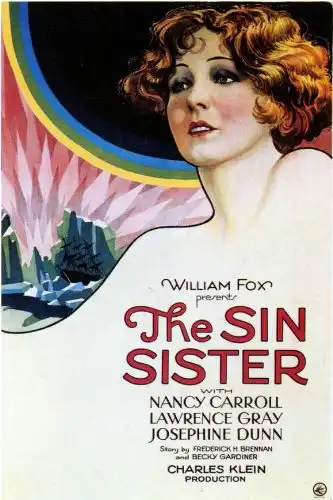
A definitive 5.8/10 rating for a film that redefined the boundaries of cult cinema. The Sin Sister remains a cornerstone of transgressive art.
Alright, so if the idea of a 1929 silent film makes your eyes glaze over, then yeah, The Sin Sister is probably not for you. No shame in that! 🤷♀️ But if you have even a tiny curiosity for how early cinema tackled tough stories, or you enjoy a good old-fashioned melodrama with some real grit, this one’s actually kinda worth your time. Folks looking for anything fast-paced or quippy will be bored stiff.
The whole thing is set in Alaska. And let me tell you, they really lean into that frozen, isolated vibe. Not just snow, but the sheer loneliness of it all. You can almost feel the chill coming off the screen, especially in those wide shots of the cabins against endless white.
The plot, right? It’s about these five people, kind of stuck together. Hardships hit, and suddenly everyone’s true colors start showing. It’s a classic setup, but the silent era always had a way of making these big, dramatic reveals feel extra intense, even without a single spoken word.
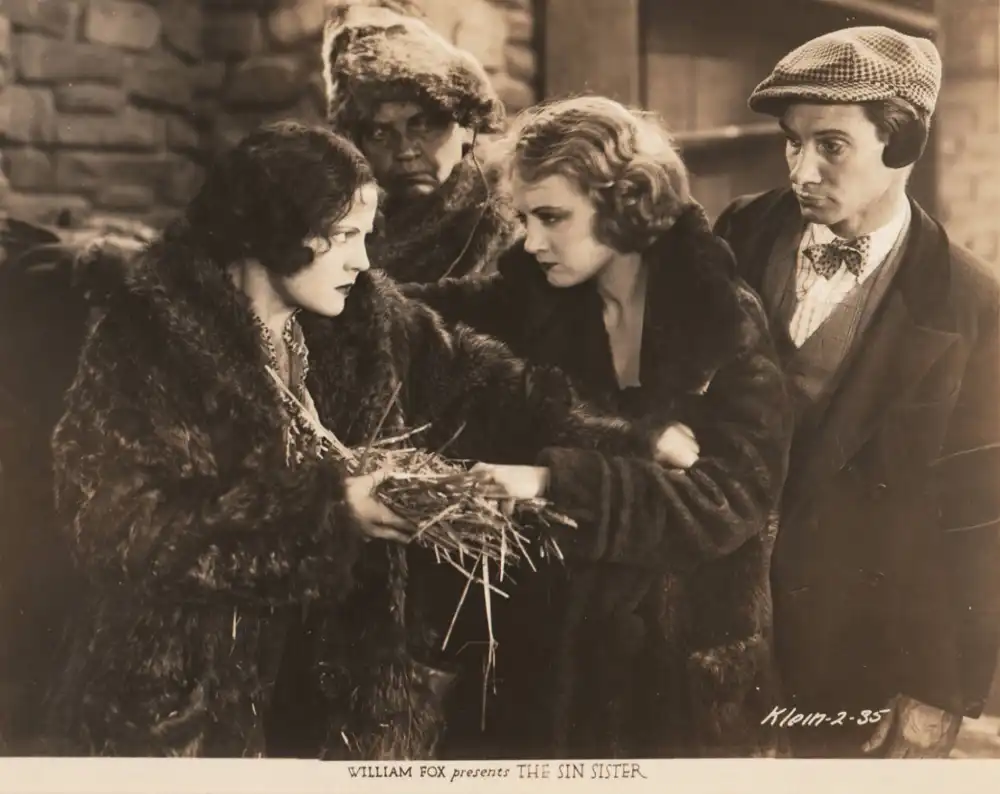
Nancy Carroll plays the titular 'Sin Sister,' and she's got this amazing way of conveying so much with just a look. Her character, Nan, arrives in town and you immediately get the sense she's carrying a whole lot of baggage. Her expressions, especially when she's trying to appear tough but you see a flicker of vulnerability, really sell it.
Josephine Dunn is also in this as the other woman, Gloria. And she's great at playing the complicated, maybe a little bit selfish, type. There’s a scene where she’s just staring out a window, and the camera lingers for quite a while. You can see her mind working, turning over some scheme. It's not over-the-top acting, just a quiet intensity.
The men are a bit more… typical for the era. Frederick H. Graham plays the love interest, Paul. He’s got that brooding, honorable man thing down. But sometimes, his reactions feel a little too slow, like he’s waiting for the intertitle to catch up. 😅
One specific moment that stuck with me: there's a quick shot of a husky dog, just sitting patiently in the snow, watching the human drama unfold. It feels so grounding, a reminder of the wildness outside their little cabin. A really small detail, but effective.
The hardships themselves are pretty intense. We're talking about blizzards, folks getting lost, and that ever-present struggle for survival. It’s not just about who falls in love with whom; there’s a real sense of danger lurking around every corner.
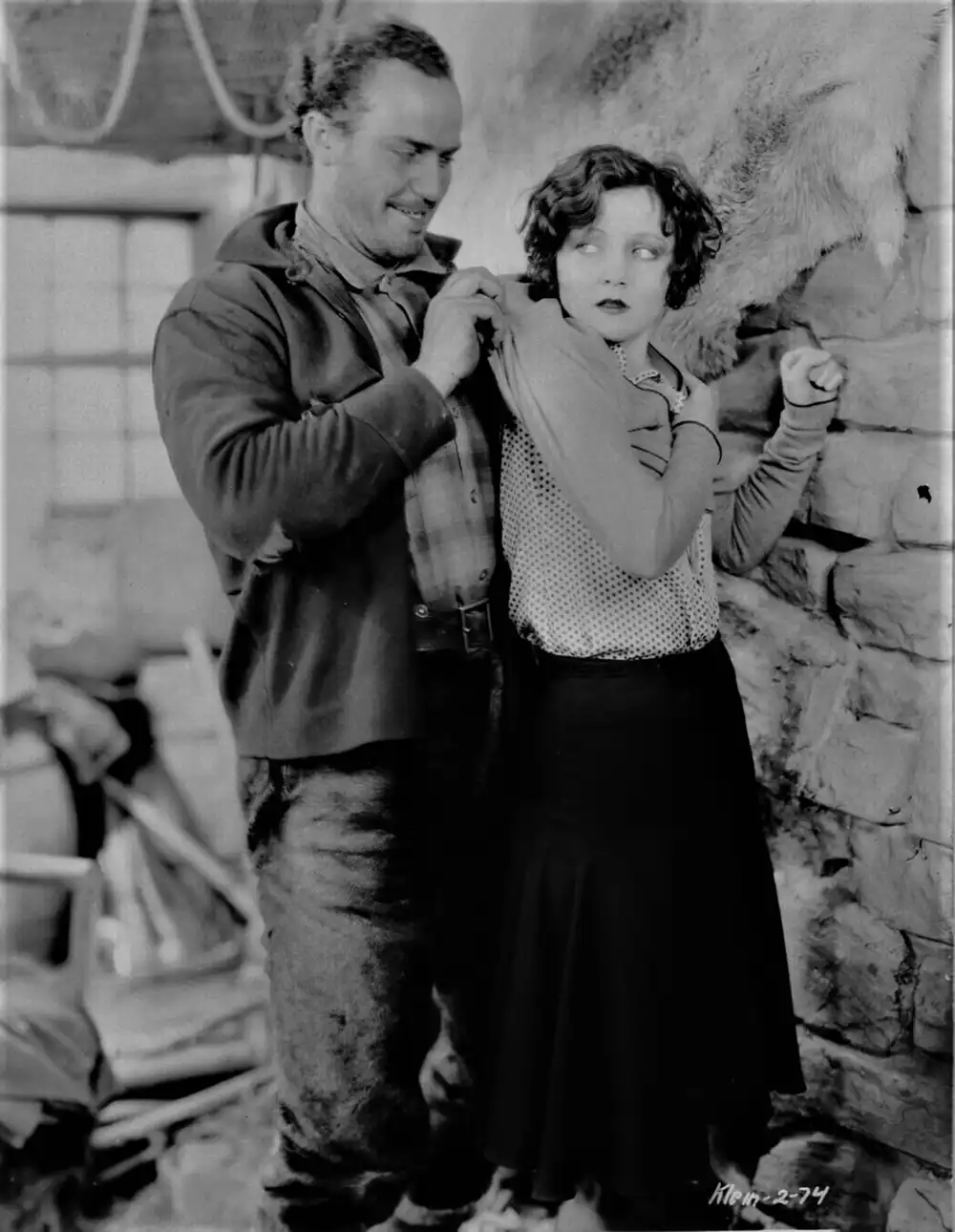
There's this one fistfight that breaks out, and it’s surprisingly brutal for a film from this period. The way the actors move, the close-ups on their strained faces—you feel the impact. It's not perfectly choreographed, which actually makes it feel more real, more desperate.
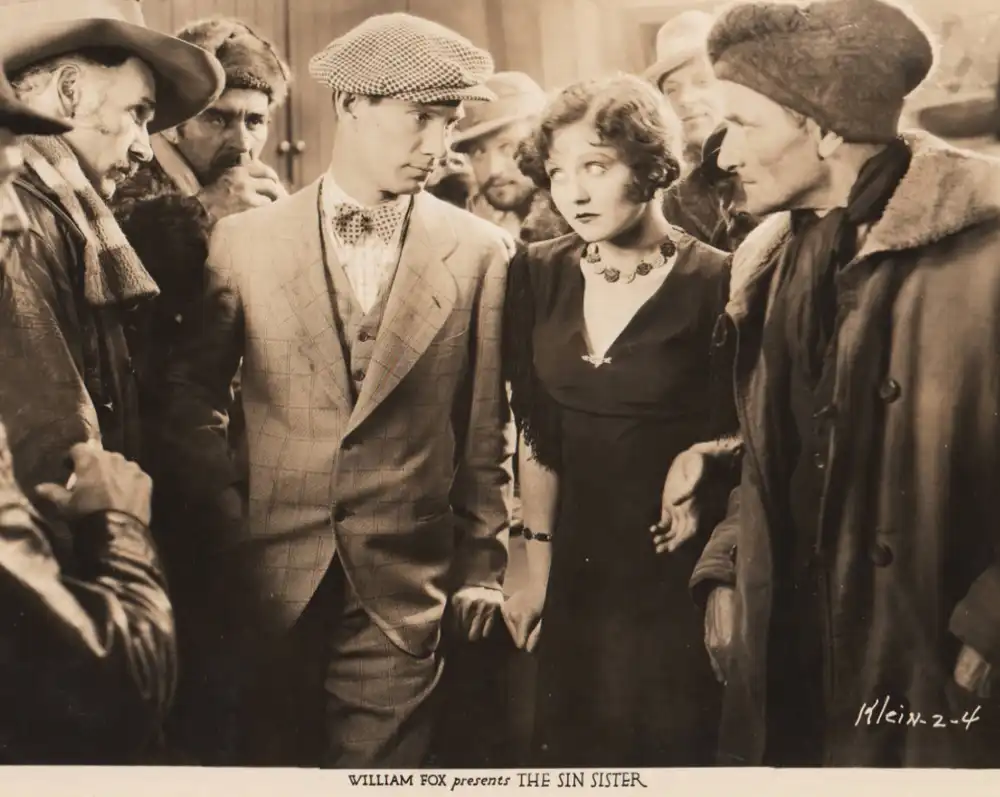
The intertitles are pretty good here, too. They don't over-explain everything, which is nice. They just give you enough to keep up with the emotional beats, letting the actors’ faces do most of the talking. It’s a delicate balance, and they mostly nail it.
Pacing wise, it definitely takes its time setting things up. But once the conflicts really start to kick in, it picks up quite a bit. There’s no sudden jump cuts or anything, just a steady build. You get comfortable in that Alaskan quiet before things inevitably go sideways.
I found myself wondering, during one particularly dramatic scene where someone makes a really questionable choice, how audiences back in 1929 reacted. Did they gasp? Were they rooting for the 'good' characters? It's interesting to think about the universal themes that still resonate, even across nearly a century.
The film doesn't shy away from showing the less flattering sides of its characters. Some people really do fail the 'tests' that Alaska throws at them. It’s not a neat, happy ending for everyone, and I appreciated that honesty. It makes the story feel a bit heavier, more impactful.
So, yeah. If you're into digging through film history, or you just want to see some really strong acting from an era often overlooked, give The Sin Sister a go. It's a reminder that good storytelling isn't just about dialogue. Sometimes, a well-placed glare or a quiet moment of despair can say everything. ✨
IMDb 7.1
1935
Community
Log in to comment.