DbcultAccessing Vault...
6/10
Senior Film Conservator
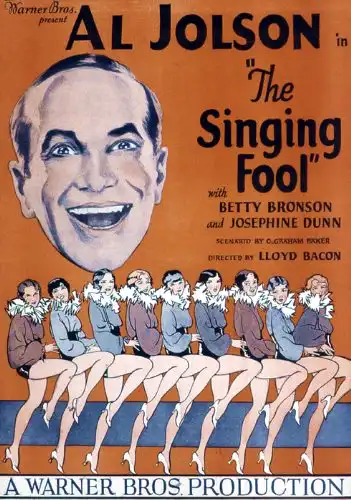
A definitive 6/10 rating for a film that redefined the boundaries of cult cinema. The Singing Fool remains a cornerstone of transgressive art.
The Singing Fool (1928) is less a film to be enjoyed today and more a historical artifact to be studied. Its significance as one of the earliest successful sound films, and the vehicle for Al Jolson's iconic "Sonny Boy," is undeniable. However, for a general audience seeking contemporary entertainment, it's a challenging watch. Those with a keen interest in film history, the transition from silent to sound cinema, or Al Jolson's unique brand of performance will find much to dissect. Everyone else, particularly those accustomed to modern pacing and nuanced acting, will likely find its melodrama cloying, its pacing glacial, and its dramatic scenes often unintentionally comical.
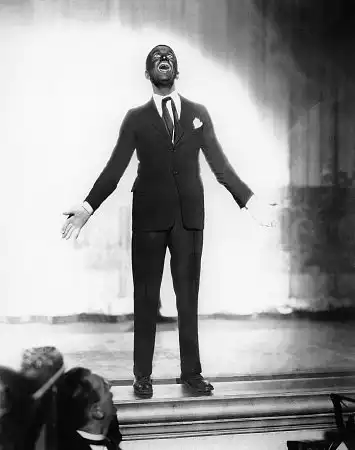
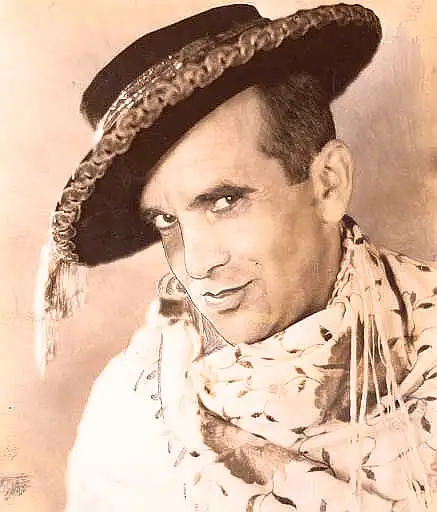
Al Jolson dominates The Singing Fool, as expected. His performance is essentially an direct extension of his stage persona, full of grand gestures and direct addresses to the audience. He doesn't act so much as he performs, and in the musical numbers, particularly "Sonny Boy" and "There's a Rainbow 'Round My Shoulder," his charisma is still palpable, even through the decades. He has an undeniable energy that cuts through the film's often static nature, occasionally looking directly into the camera during a song, a relic of vaudeville breaking the fourth wall in a way unique to early sound.
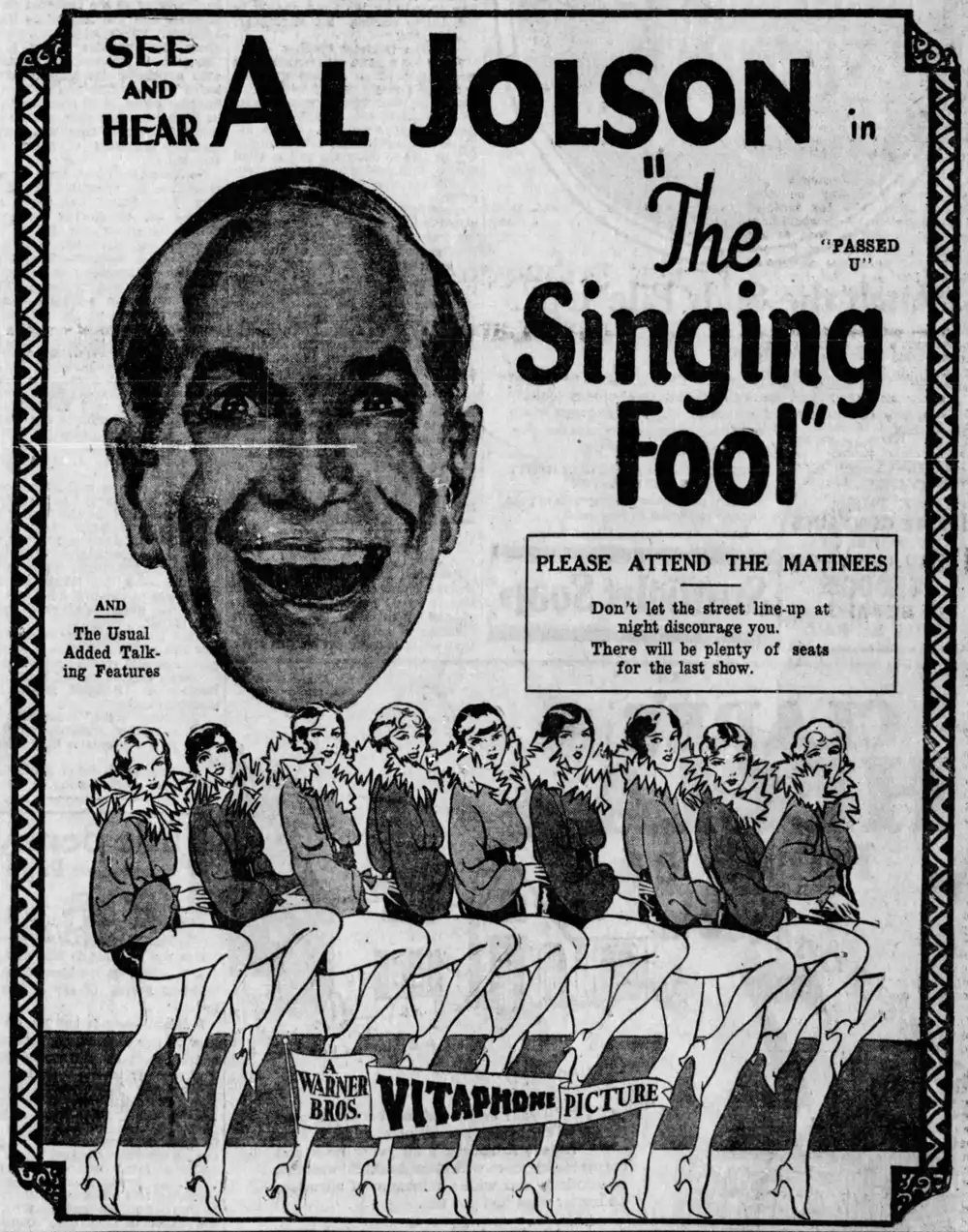
However, in the dramatic scenes, his theatricality frequently clashes with the nascent demands of screen acting. His anguish, while clearly felt, often manifests as a series of overwrought expressions and pronouncements that feel more suited to the back row of a theater than the intimacy of a close-up.
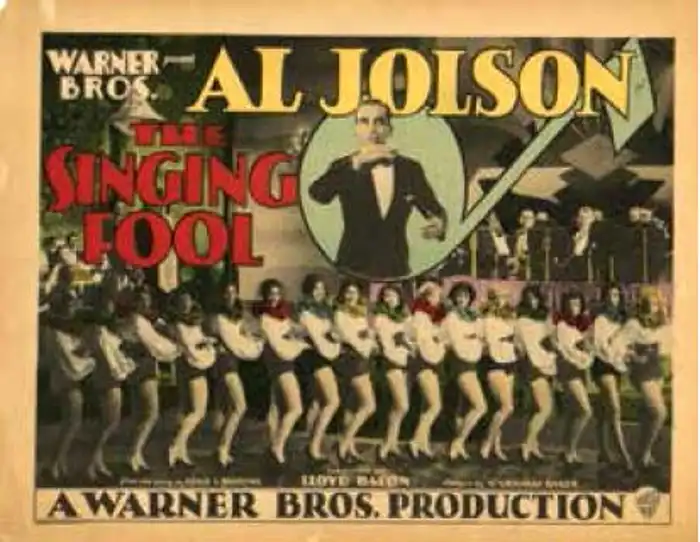
The supporting cast struggles even more. Betty Bronson, as the initially sympathetic but ultimately treacherous Grace, delivers her lines with a stiffness common to early talkies, often looking directly into the camera or delivering dialogue in a flat, declamatory style. Josephine Dunn, as Molly, fares slightly better, bringing a touch more warmth, but she's given little to do beyond being the patient, understanding counterpoint to Jolson's volatile character. Davey Lee, as Sonny Boy, is undeniably cute and elicits the necessary pathos, but his performance is more about reacting to Jolson than truly acting. The scene where he tries to comfort Jolson after Grace leaves, with his tiny hands patting Jolson's arm, is designed for maximum emotional impact, and it works largely due to Jolson's reaction rather than Lee's acting prowess.
The pacing of The Singing Fool is, by modern standards, glacially slow. This isn't just a byproduct of early sound technology; it's a deliberate, if now dated, approach to melodrama. Scenes often linger on reaction shots for far too long, or build to emotional crescendos with an almost painful slowness. The film frequently shifts between Jolson's vibrant musical performances and the heavy, often repetitive dramatic beats. One minute, Jolson is belting out a tune with infectious energy; the next, he's mired in domestic squabbles or financial woes, delivered with a solemnity that borders on the absurd. The tonal shifts can be jarring, moving from lighthearted musical sequences to intense, tear-soaked melodrama without much grace. The middle section, particularly after Jolson's initial success and before the final act's tragedy, sags considerably under the weight of repetitive arguments and Jolson's self-pitying monologues.
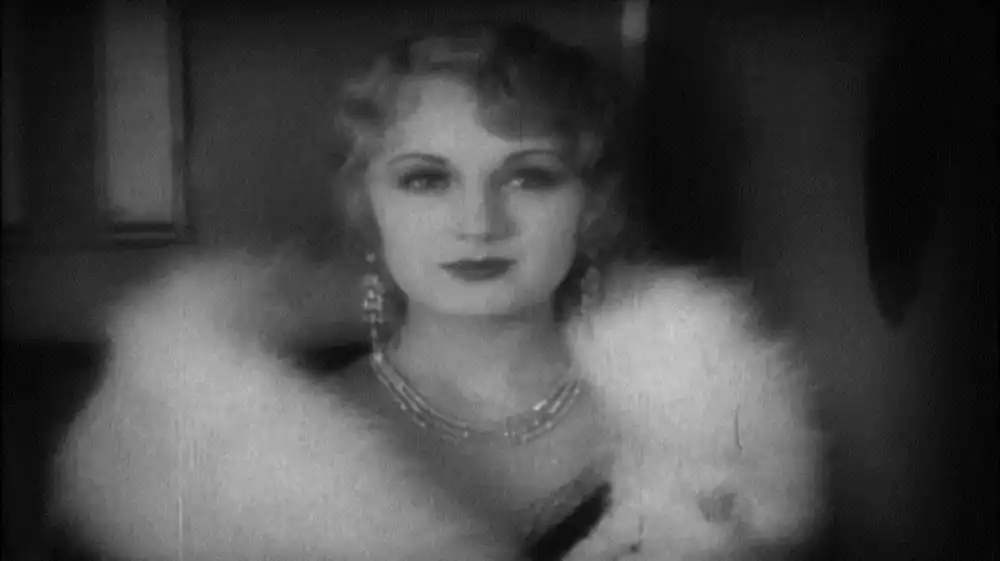
Visually, The Singing Fool is largely constrained by the technical limitations of early sound recording. Cameras were often encased in soundproof booths, limiting their movement and resulting in a static, proscenium-arch feel. Many scenes are shot in medium or wide shots, with actors positioned to hit their marks and project their voices towards hidden microphones. When close-ups do occur, they are often held for extended periods, particularly on Jolson's face during his emotional outbursts, emphasizing the theatricality of his performance. The sets are functional but rarely imaginative, often feeling like stage backdrops rather than immersive environments. The lighting is generally flat, prioritizing visibility over atmospheric effect. There are few moments of genuine visual flair, though the bustling atmosphere of the nightclub scenes, with extras moving somewhat awkwardly in the background, does offer a glimpse of early cinematic attempts at realism. The most dynamic visual moments tend to be during Jolson's performances, where his sheer physical energy momentarily distracts from the static camera.
The undeniable strength of The Singing Fool lies in Al Jolson himself. His musical numbers are still potent, showcasing a performer whose connection with an audience was legendary. "Sonny Boy" remains an emotional centerpiece, and it's easy to see why it resonated so deeply with audiences of the era. The film also provides a valuable window into the early days of sound cinema, demonstrating the exciting, if clumsy, possibilities of the new technology. It's a foundational text for understanding Hollywood's transition.
However, its weaknesses are substantial. The melodramatic plot, with its predictable betrayals and tear-jerking contrivances, feels incredibly dated. The acting, outside of Jolson's unique brand of showmanship, is largely stiff and unconvincing, suffering from the awkward transition from silent film performance to the demands of synchronized dialogue. The pacing, as noted, is a major hurdle, with many scenes dragging well past their natural conclusion. The film's insistence on lingering on every emotional beat, often through Jolson's prolonged, weeping close-ups, can test the patience of even the most dedicated film historian. The scene where Jolson's character, overcome with grief, repeatedly declares "My boy! My boy!" while clutching the child, stretches beyond pathos into an almost uncomfortable display of histrionics, a perfect example of the film's over-the-top emotional register.
Ultimately, The Singing Fool is a film primarily for the curious and the dedicated. It's a landmark, a crucial stepping stone in the development of cinema, and a testament to Al Jolson's star power. But as a piece of entertainment for a casual viewing audience today, it largely fails to hold up. It demands a significant amount of historical context and patience to appreciate its merits. If you approach it as an important document of a bygone era, understanding its limitations as well as its innovations, then it offers fascinating insights. If you're looking for a compelling story, subtle performances, or brisk pacing, you will find yourself singing a different tune.
IMDb 6.9
1928
Community
Log in to comment.