DbcultAccessing Vault...
6.1/10
Senior Film Conservator
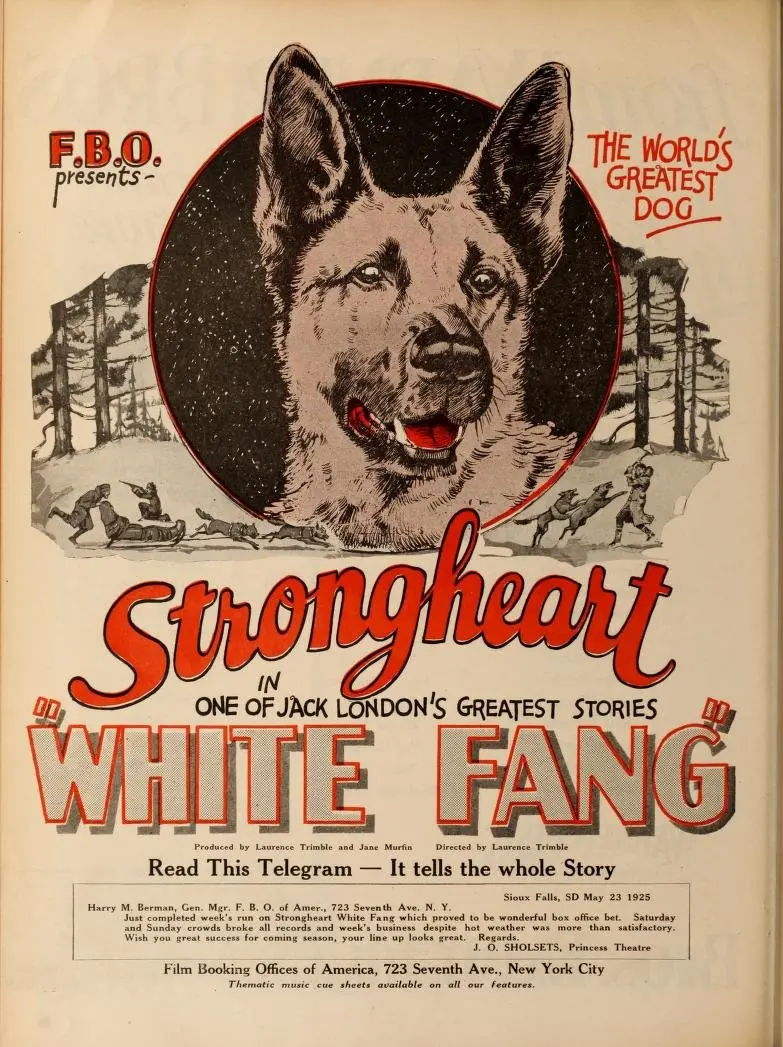
A definitive 6.1/10 rating for a film that redefined the boundaries of cult cinema. White Fang remains a cornerstone of transgressive art.
Stepping back into the silent era to revisit a cinematic adaptation of Jack London's White Fang is an exercise in appreciating the foundational power of storytelling. This particular rendition, a testament to the era's narrative craftsmanship, plunges us headfirst into the stark, unforgiving beauty of the Yukon. It’s a place where life is cheap, loyalty is a currency, and survival is a daily, often brutal, negotiation. The film masterfully captures the essence of London's world, translating the visceral struggle for existence onto the screen with a raw intensity that, even without spoken dialogue, resonates deeply.
At its heart, this isn't merely a dog story; it's a sprawling human drama interwoven with the untamed spirit of the wilderness. We are introduced to Joe Holland, played with a stoic, weary resolve by Matthew Betz, a mine superintendent whose unwavering dedication extends to his invalid friend, Weadon Scott (Tom O'Brien). Their bond is immediately tested in a harrowing sequence where Holland fends off a pack of snarling wolves, a stark reminder of the ever-present peril lurking just beyond the campfire's glow. This opening sets a palpable tone of danger and interdependence, a theme that will echo throughout the film's unfolding narrative.
The introduction of Frank Wilde, portrayed with a chillingly suave menace by Theodore von Eltz, injects a potent dose of human villainy into the already challenging landscape. Wilde, an executive whose polished exterior barely conceals a heart of pure avarice, arrives under the pretense of marrying Holland's daughter, Mollie (Ruth Dwyer). His true character, however, is swiftly revealed through his acquisition of White Fang, the titular wolfdog, from a local Indian. Wilde's immediate intention for the magnificent creature is not companionship, but exploitation – a brutal pit fight against a bulldog, designed purely for his sadistic amusement and illicit gain. This scene is particularly difficult to watch, showcasing the depths of human cruelty against the backdrop of the dog's inherent wildness. It's a stark contrast to the more nuanced human-animal relationship seen in films like The Lone Round-Up, where the bond is often portrayed with a more romanticized lens.
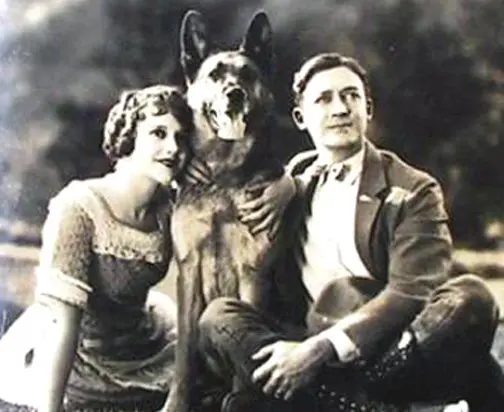
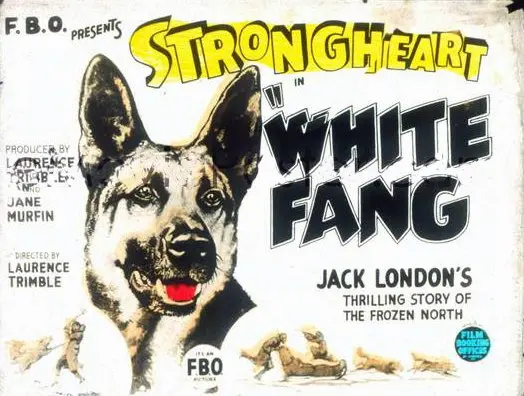
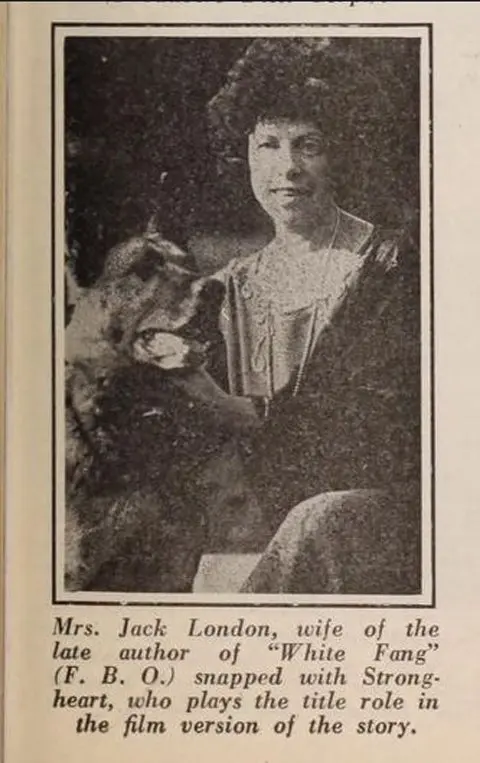
It is Weadon Scott, the very man Holland rescued, who emerges as White Fang's unlikely savior. Witnessing the dog's torment, Scott intervenes, purchasing the battered animal and embarking on the arduous, yet ultimately rewarding, journey of taming him. This central arc, the transformation of a wild, distrustful creature into a loyal companion, forms the emotional bedrock of the film. Strongheart the Dog, in the role of White Fang, delivers a performance that transcends typical animal acting. His expressive eyes, his cautious movements, and his eventual, profound devotion are conveyed with an astonishing authenticity, making White Fang a character of compelling depth. His presence elevates the film beyond a simple adventure tale, imbuing it with a powerful exploration of empathy, patience, and the profound connection possible between humans and the animal kingdom.
The narrative takes a darker turn following Mollie's marriage to Wilde. The honeymoon period quickly dissolves into a chilling realization as Mollie uncovers her husband's perfidy – he is systematically robbing her father's mine. This betrayal, not just of her trust but of her family's livelihood, propels the story into a thrilling, albeit tragic, climax. Mollie's desperate plea to Scott sets a chain of events in motion that underscores the film's exploration of justice and retribution. Wilde, ever the coward and opportunist, escapes, but not before delivering a brutal blackjack blow to Scott and, in a shocking moment of pure malice, murdering Joe Holland. This act of violence orphaned Mollie, severing her last familial tie and leaving her vulnerable in a world dominated by unscrupulous men.
The film's exploration of greed and its destructive consequences is particularly poignant, echoing themes found in other silent-era dramas like Man and Wife, which often delved into the moral failings of its characters. Here, Wilde's actions are not merely criminal; they are a corrosive force that shatters lives and betrays the very bonds of family and community. The silent film format, with its reliance on exaggerated gestures and expressive intertitles, accentuates Wilde's villainy, making his every sneer and calculated move feel profoundly sinister.
With Holland gone, Mollie seeks refuge with Judson Black (John Burch), the mine's owner, a figure who represents a semblance of order and justice in the chaotic world. However, Wilde's predatory pursuit continues, culminating in a dramatic attempt to spirit Mollie away. It is in this moment of extreme peril that White Fang's loyalty, meticulously cultivated by Scott, becomes the ultimate instrument of justice. The wolfdog, a creature once wild and feared, now acts as a protector, delivering a swift and brutal end to Wilde's reign of terror. This climactic scene is a powerful vindication, not just for Mollie and Scott, but for the inherent goodness that can be nurtured even in the most primal of beings. The sheer visceral impact of Strongheart's performance in this sequence is unforgettable, solidifying White Fang's status as a cinematic legend.
The film, while a thrilling adventure, is also a profound study of character and transformation. Weadon Scott's journey from an invalid to a man capable of taming a wolfdog and ultimately finding love, is a compelling arc. His quiet strength and compassionate nature are beautifully contrasted with Wilde's superficial charm and underlying malevolence. Mollie's resilience in the face of immense loss and betrayal speaks volumes about the strength of the human spirit. The supporting cast, including Walter Perry, Steve Murphy, Charles Murray, and Margaret McWade, provide solid performances that flesh out the harsh world of the gold rush, adding layers of authenticity to the setting. Their contributions, though often brief, are crucial in painting a complete picture of this rugged existence.
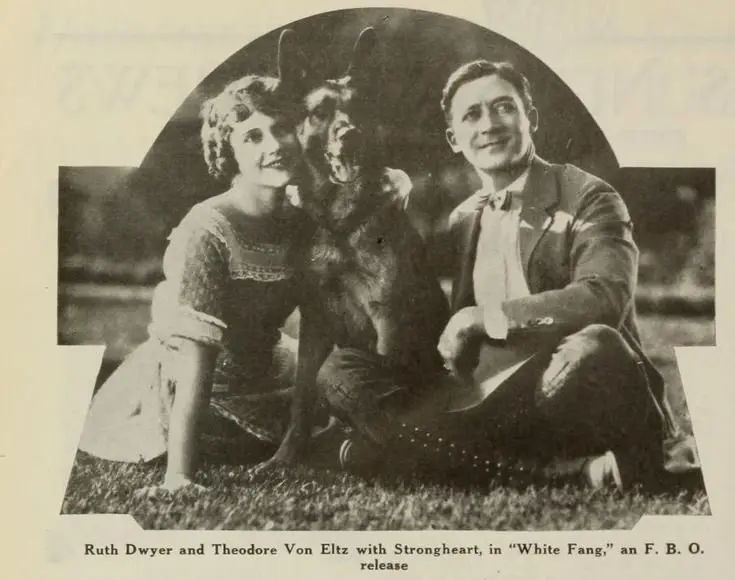
The directorial choices, guided by the screenplay from Jane Murfin (who deftly adapts London's complex narrative), ensure a brisk pace despite the film's silent nature. The use of intertitles is judicious, providing necessary exposition and character thoughts without bogging down the visual storytelling. Cinematography plays a crucial role, often employing sweeping shots of the wilderness to emphasize both its grandeur and its indifference. The close-ups on Strongheart's face are particularly effective, allowing the audience to connect emotionally with the animal's internal struggles and triumphs. This visual language is remarkably effective, proving that even without sound, a film can convey deep emotional resonance and intricate plot details. The techniques employed here are a masterclass in silent film production, often overlooked in favor of more famous contemporaries, but no less impactful.
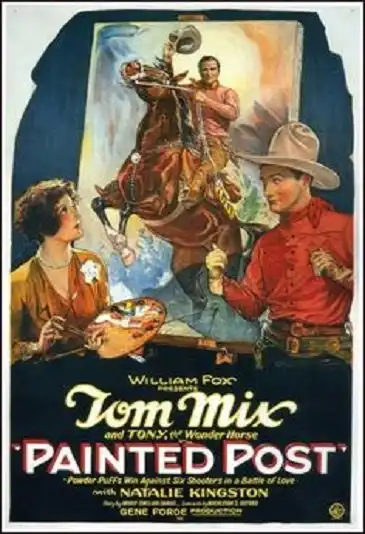
Comparing it to other films of the era, the thematic depth of White Fang stands out. While films like Terror Trail offered exciting Western adventures, White Fang transcends mere genre, delving into the philosophical questions of nature versus nurture, the corrupting influence of greed, and the redemptive power of love and loyalty. Its narrative complexity is a cut above many contemporaries, demonstrating a commitment to adapting London's intricate world with respect and skill. The blend of rugged adventure with profound emotional arcs makes it a compelling watch even today.
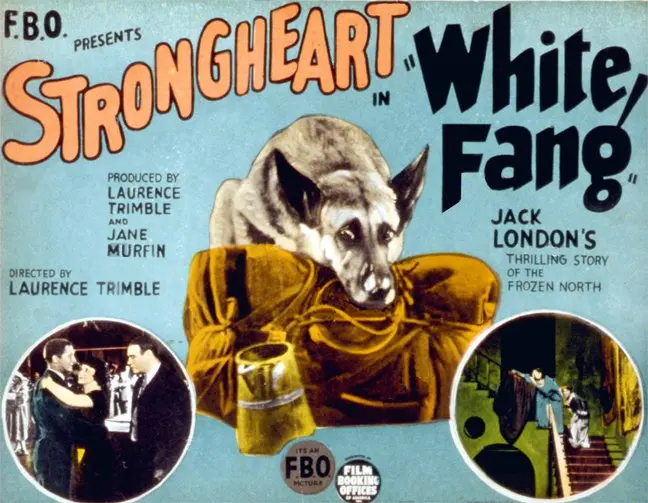
The film's enduring legacy lies not just in its faithful adaptation of a literary classic, but in its ability to evoke powerful emotions through purely visual means. The silent era, often dismissed by modern audiences, possessed a unique artistry, forcing filmmakers to communicate through gesture, expression, and the evocative power of the image. White Fang is a shining example of this artistry. The struggle for dominance between man and beast, the stark beauty of the untamed North, and the raw human emotions of love, hate, and redemption are all brought to life with remarkable clarity and intensity. The pacing, while different from modern cinema, allows for a meditative appreciation of the visual storytelling, letting the audience absorb the nuances of each scene.
The ultimate resolution, with Scott and Mollie finding solace and happiness together, feels earned. It's not a saccharine ending, but one forged in the fires of adversity, loss, and the unwavering loyalty of a magnificent creature. White Fang, the once 'man-eating dog,' becomes the guardian of their newfound peace, a symbol of redemption and the power of compassion. His journey from a feral combatant to a devoted companion mirrors the human characters' own struggles to overcome the harsh realities of their world and find connection. This profound narrative closure truly makes the film stand out.
In an age where cinematic spectacles often rely on overwhelming sound and visual effects, revisiting a film like White Fang is a refreshing reminder of the fundamental elements of compelling cinema. It’s a testament to the power of a strong story, well-developed characters, and the ability of a skilled director and cast to convey complex emotions without a single spoken word. For enthusiasts of classic cinema, or anyone interested in the foundational narratives of the American wilderness, this adaptation of London's masterpiece remains an essential, captivating watch. It’s a film that speaks to the wild heart within us all, and to the enduring hope that even in the most desolate of landscapes, loyalty and love can ultimately prevail. The raw, untamed spirit of the Yukon, combined with the timeless themes of London’s writing, creates an unforgettable experience that transcends its silent film origins. It's a powerful narrative that continues to resonate, long after the final frame fades to black.
IMDb 7.1
1923
Community
Log in to comment.