DbcultAccessing Vault...
Cult Review
Senior Film Conservator
The cinematic landscape of its era found a compelling voice in Herbert Hall Winslow's intricate narrative, The Siren's Song, a film that deftly navigates the treacherous currents of human experience. It commences with a stark portrayal of urban disillusionment, introducing a young, nameless protagonist—later to be known as John Grey—who arrives in the sprawling metropolis with aspirations that quickly collide with the harsh realities of securing a livelihood. His initial struggles paint a vivid picture of the impersonal nature of the big city, a place where dreams are often swallowed whole by the relentless demands of survival. One can almost envision the sepia-toned frames capturing his initial optimism, slowly giving way to a more somber countenance as rejection after rejection mounts. This early sequence establishes a foundational empathy for a character who is, at his core, fundamentally decent, yet perilously unversed in the world's darker machinations. The film, even in its opening beats, sets a tone that is both cautionary and deeply human, a testament to the enduring power of narrative to explore the vulnerability of innocence in the face of widespread corruption.
His eventual employment at a bank, a supposed bastion of rectitude, marks a pivotal turning point, not towards salvation, but towards an unwitting complicity in fraud. Here, the screenplay by Herbert Hall Winslow masterfully orchestrates a scenario where the protagonist becomes a mere cog in a larger, nefarious machine. His limited worldly knowledge renders him a pliable instrument for his unscrupulous employers, who cynically exploit his ingenuousness to dupe unsuspecting patrons into purchasing worthless stock. The film’s silent storytelling would have surely conveyed the subtle shifts in atmosphere within the bank – the hushed whispers, the furtive glances, the palpable sense of impending doom that often precedes a grand betrayal. This segment serves as a powerful critique of institutional dishonesty, illustrating how the veneer of respectability can mask profound moral decay. The narrative, in this regard, resonates with the thematic underpinnings of works like Oliver Twist, where the innocent are ensnared by the machinations of a corrupt system, or perhaps even the early social realism of films such as Children of Eve, which explored the harsh economic realities faced by the vulnerable. The ultimate flight of his employers, leaving the bewildered clerk to face the fury of the defrauded depositors, is a moment of profound injustice, culminating in his arrest and a four-year prison sentence. This catastrophic fall from grace is not merely a plot device; it is a searing commentary on the scapegoating of the powerless by the privileged, a tragic consequence of an environment devoid of ethical accountability.
Emerging from the crucible of incarceration, the protagonist undergoes a symbolic rebirth, shedding his former identity to adopt the moniker of John Grey. This act of renaming signifies not just a desire for anonymity, but a desperate yearning for a fresh start, a severance from the ignominy that had defined his youth. His decision to seek refuge in a foreign land underscores the profound psychological wounds inflicted by his past, suggesting that even geographical distance might offer a balm to a tormented soul. However, fate, a relentless and often cruel dramatist, intervenes with a remarkable, almost improbable, coincidence. Aboard the steamer bound for his new life, he encounters the very architects of his downfall: Blake, the former bank president, and his calculating confederate, Helen Granger. The tension of this reunion, unspoken yet palpable, would have been a masterclass in silent film acting, with the flicker of recognition in Roy Hogan’s (presumably John Grey) eyes conveying a maelstrom of emotions—bitterness, betrayal, and a burgeoning desire for retribution. The screenplay here pivots from a tale of urban tragedy to one of personal vendetta, illustrating the deep-seated human need for justice, even if self-administered. This sudden confrontation with his past, personified by his tormentors, ignites a fierce resolve within Grey, transforming him from a passive victim into an active seeker of reparation. The dramatic weight of this chance encounter is immense, echoing the inescapable nature of one's past, a theme beautifully explored in films like Shadows from the Past, where the specter of previous events relentlessly pursues the protagonist.
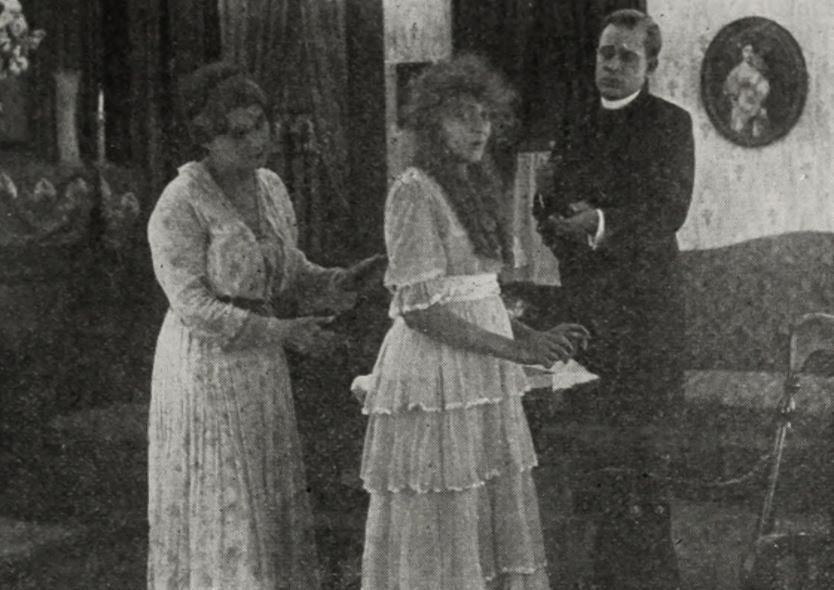
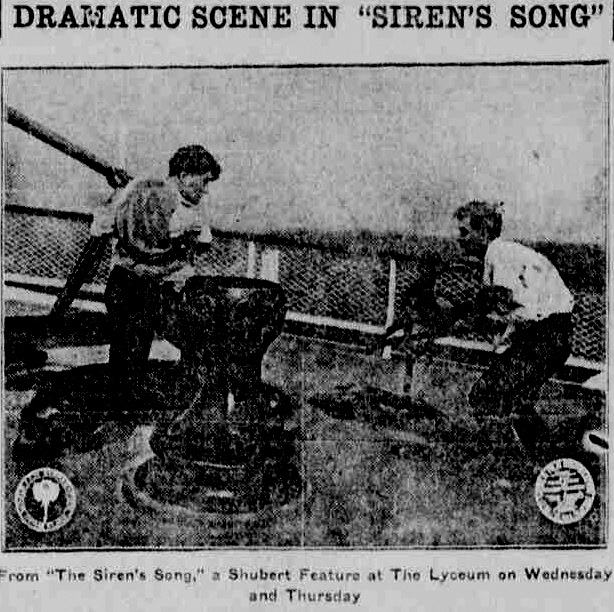
The ensuing confrontation on the deck of the steamer, late at night, is a scene of raw, primal emotion. Grey, fueled by years of simmering resentment and a profound sense of injustice, accosts Blake. The ensuing struggle, a desperate ballet of fists and fury, culminates in Blake's ruthless act of throwing Grey overboard into the churning expanse of the ocean. This moment of extreme peril, likely depicted with dramatic flair and perhaps even some innovative special effects for its time, underscores the depths of Blake's depravity and Grey's desperate fight for survival. One can imagine the frantic close-ups on Grey’s face, the desperate flailing, the vast, indifferent ocean swallowing him whole. It is a testament to the character's indomitable spirit that he survives, clinging to a stray log through the long, unforgiving night. His eventual rescue by a fishing boat, a serendipitous intervention of fate, not only saves his life but transports him to a new, idyllic setting—a small village nestled along the fishing banks. Here, amidst the simple, honest toil of the fishing folk, Grey finds not just employment but a sense of belonging, a fragile peace that begins to mend the fractured pieces of his soul. This pastoral interlude offers a stark contrast to the urban jungle and the treacherous high seas, symbolizing a potential sanctuary from the world's harshness. The transformation of setting, from the bustling city to the isolated village, emphasizes the film's exploration of environment shaping destiny, a narrative device seen in many a classic tale of redemption.
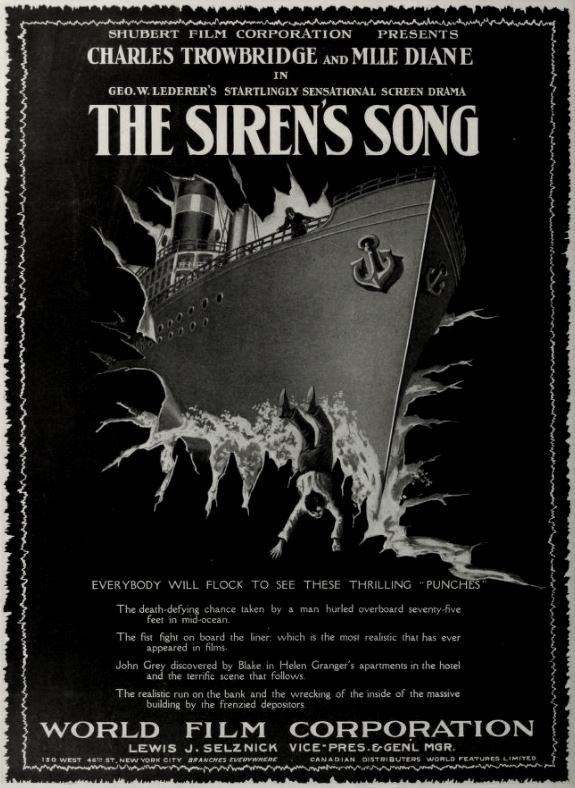
Parallel to Grey’s saga, the film introduces another thread of human suffering through the tragic tale of John Gordon. His first wife, ensnared by the grip of drug addiction, abandons him, leaving a void that time and distance seemingly fill. Years pass, and Gordon, believing himself free from the past's shackles, remarries, finding solace and joy in his second union, which is blessed with a daughter, Katherine. This depiction of domestic bliss, however fleeting, serves to amplify the impending tragedy. The cruel hand of fate, a recurring motif in Winslow’s narrative, strikes when this happy family visits a summer resort. The unexpected, horrifying reappearance of Gordon's first wife, a ghost from a buried past, delivers a shock so profound that it precipitates a fatal heart attack. The scene would have been imbued with immense emotional weight, perhaps with Charles Dickson portraying Gordon’s sudden collapse with harrowing realism. The devastation wrought by this unforeseen encounter is palpable, leaving his wife and daughter to grapple with a sudden, irreparable loss and the unsettling truth of Gordon's complicated history. This segment, while seemingly tangential, brilliantly weaves another layer of human vulnerability into the narrative fabric, foreshadowing the eventual convergence of these disparate lives. The themes of hidden pasts and their explosive consequences resonate deeply, reminding one of the intricate, often painful, tapestry of human relationships, a dramatic tension that could be compared to the revelations in Loyalty.
In the wake of Gordon's tragic demise, his widow and Katherine, seeking respite and a fresh start, retire to the very same fishing village where John Grey has, by this time, endeared himself to the local inhabitants. The narrative's deliberate use of coincidence here is not merely a contrivance but a powerful dramatic tool, drawing together the disparate threads of suffering and injustice into a single, compelling tapestry. The tranquil setting, which once offered Grey solace, now becomes the stage for the final act of his personal drama. It is in this newfound community that Katherine (likely portrayed by Mae Phelps, bringing a delicate strength to the role) and Grey form a deep connection, a bond of affection that blossoms into an engagement, promising a future free from the shadows that have haunted them both. This blossoming romance offers a beacon of hope, a counterpoint to the pervasive darkness that has defined their individual journeys. However, the malignant forces of the past refuse to remain buried. Helen Granger, the cunning confederate of Blake, resurfaces, her predatory instincts honed by years of deceit. She cunningly gains the confidence of Gordon's first wife, the drug fiend, and, through a manipulative transaction, acquires the crucial marriage certificate. This document, a tangible link to Gordon’s past, becomes the instrument of her nefarious scheme. Accompanied by Blake, Granger embarks on a chilling attempt to blackmail the second Mrs. Gordon. The audacity and cold calculation of their plot underscore their irredeemable villainy, setting the stage for a tense showdown. The performances of Maisie Gay (perhaps as Helen Granger) and Al Hart (as Blake) would have been crucial in conveying this sinister partnership, their very presence radiating menace. The film brilliantly uses this escalating threat to bring Grey's personal narrative to its ultimate intersection with the Gordon family's tragedy.
The full weight of their predicament falls upon Katherine, who, distraught and desperate, confides in her affianced, John Grey. The moment of revelation, when Grey realizes the identities of the plotters—his former tormentors, Blake and Helen Granger—is a powerful dramatic beat. All the suppressed bitterness, the years of injustice, and the unresolved desire for reparation resurface with overwhelming force. His personal quest for redemption now inextricably links with the protection of his beloved and her family. The film, through Grey's resolute actions, transforms into a compelling narrative of proactive justice. He secretly infiltrates the rooms occupied by Helen Granger, his objective clear: to retrieve the incriminating marriage certificate. This clandestine operation, imbued with a sense of urgency and danger, would have been a masterclass in silent suspense, with every creak of the floorboard, every flickering shadow, amplifying the tension. Roy Hogan’s portrayal of Grey in this sequence would have required a delicate balance of stealth, determination, and underlying apprehension. His discovery by Blake ignites a ferocious struggle, a final, visceral confrontation between hero and villain. The ensuing scuffle, replete with dramatic close-ups and dynamic staging, is interrupted by the entrance of the adventuress, Granger, drawn by the clamor. This three-way confrontation, a culmination of years of intertwined destinies, is the film's electrifying climax. The narrative pacing here is impeccable, building to an almost unbearable crescendo of suspense and moral reckoning.
Having secured the crucial document, Grey finds himself in a precarious position. His enemies, desperate and cornered, attempt a final, insidious maneuver: threatening to expose his own past, his prison record, and his former identity. This moment, where Grey's hard-won anonymity hangs in the balance, is one of profound vulnerability and moral courage. It is here that the film truly shines, presenting Grey with a choice: succumb to the blackmail and preserve his new life, or confront his past head-on to protect his future and those he loves. His response is nothing short of heroic. With unwavering resolve, he declares his intention to make a clean breast of the entire affair, exposing not only his own history but, more importantly, the full extent of Blake and Granger's criminal enterprise, an act that would undoubtedly send them to prison. This strategic counter-threat, delivered with the quiet conviction of a man who has nothing left to lose, instantly shifts the balance of power. The sheer audacity of his gamble, leveraging his own potential ruin to ensure theirs, is a testament to the character's growth and newfound inner strength. The villains, faced with the inescapable consequences of their actions, realize that Grey now holds the upper hand. Their promise to leave town in the morning, a grudging concession to his triumph, marks the decisive victory for justice and integrity. This resolution, while perhaps appearing simplistic in its ultimate 'happy ending,' is deeply satisfying because it is earned through immense suffering, resilience, and moral fortitude. The film's conclusion is not merely a convenient tying up of loose ends, but a powerful affirmation of the enduring human spirit and the eventual triumph of right over wrong, a sentiment echoed in the triumphant finales of tales like Ivanhoe or Samson, where the protagonist ultimately prevails against overwhelming odds. The performances of the entire ensemble, from Mae Phelps and Roy Hogan in the lead roles, to the supporting cast including Charles Dickson, Maisie Gay, Mlle. Diane, Al Hart, Adolf Link, Charles Trowbridge, and Helen Weir, would have collectively brought this rich tapestry of human drama to vivid life, ensuring its place as a memorable cinematic experience that transcends its historical context. The intricate plotting by Herbert Hall Winslow ensures that every twist and turn, every character's journey, contributes to a cohesive and ultimately uplifting narrative about finding redemption, battling injustice, and securing a hard-won peace. The film's title, The Siren's Song, takes on a poignant double meaning; it refers not only to the allure of wealth that initially ensnared Grey but also perhaps to the deceptive call of revenge, which he ultimately transcends for a higher form of justice. It reminds us that even after enduring the most profound betrayals and devastating losses, the possibility of a happy ending, forged through courage and integrity, remains a potent and enduring hope.
IMDb —
1922
Community
Log in to comment.