DbcultAccessing Vault...
5.4/10
Senior Film Conservator
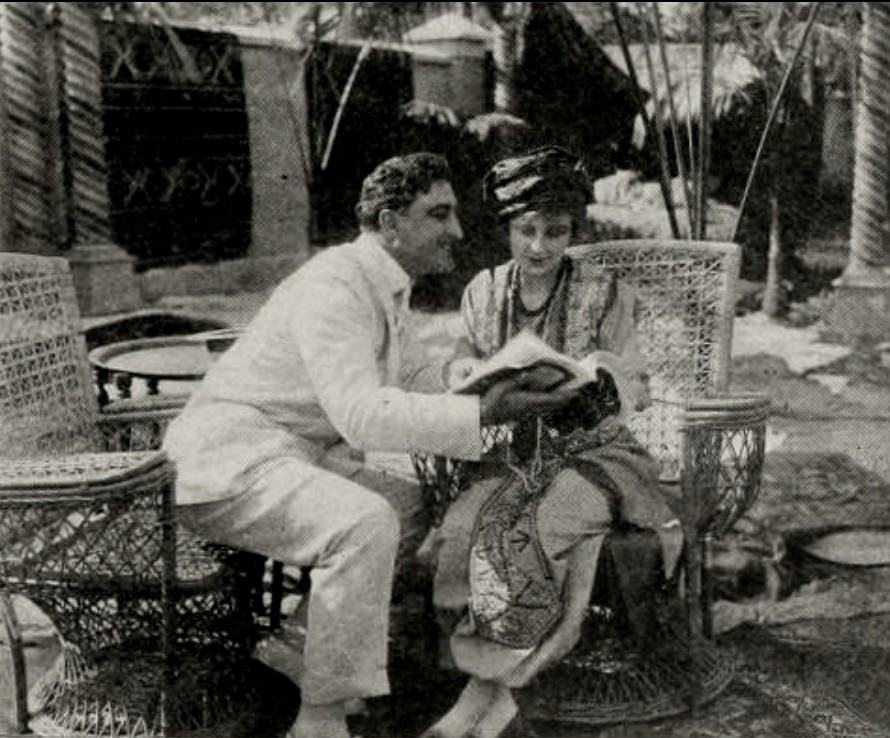
A definitive 5.4/10 rating for a film that redefined the boundaries of cult cinema. The Slim Princess remains a cornerstone of transgressive art.
Imagine a kingdom where scales are scepters and adipose tissue the coin of the realm; then watch that kingdom squirm when its heiress refuses to inflate. The Slim Princess—released by Essanay in late November 1915, now resurrected in a 4-K photochemical glow—bursts with such inverted obsessions that it feels both Edwardian relic and Twitter-era parody.
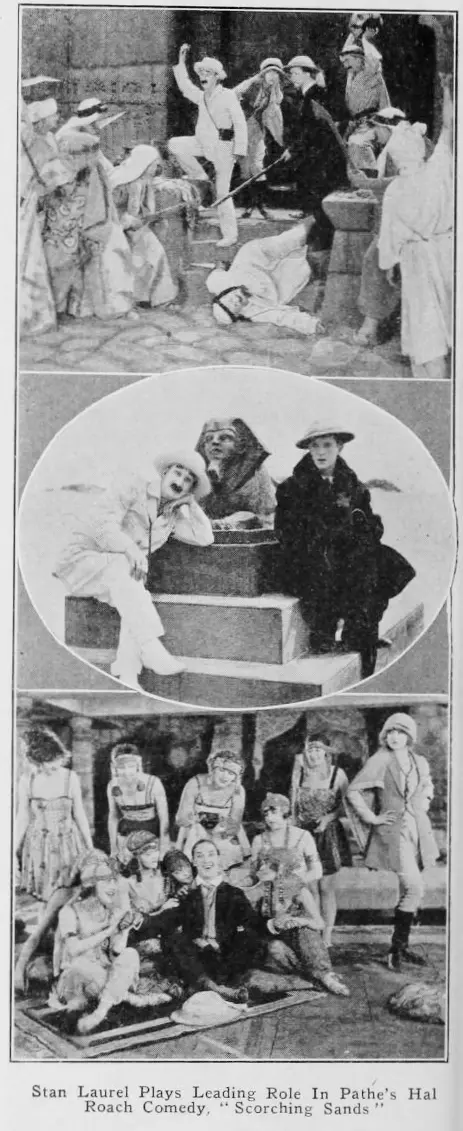
The film’s first movement plays like a Lubitsch operetta drained of music: Popova’s pickle sabotage, the Count’s pillow subterfuge, the garden-party weigh-in that turns courtship into carnival. Cinematographer Jackson Rose keeps his camera mid-shot, letting the absurdities sprout from costume and gesture—Kalora’s unbelted caftan billows like a spinnaker, exposing the fraudulence of courtly beauty metrics. Francis X. Bushman, all hawk-profile and pomaded swagger, makes Pike a brash emblem of New-World pragmatism, yet his ardor never curdles into colonial condescension; he courts Kalora not to rescue but to recognize her.
Color plates in the original lobby cards were hand-tinted—rose madder for palace banners, viridian for pickle brine—while the surviving 35 mm dupe is amber-soaked, as though the very celluloid were marinating in tea. This chromatic dissonance mirrors the film’s thematic tension: East vs. West, fat vs. thin, autocracy vs. self-fashioning. Essanay’s set designers cribbed from Orientalist postcards—onion domes, horseshoe arches—but foreground them so brazenly that pastiche becomes critique.
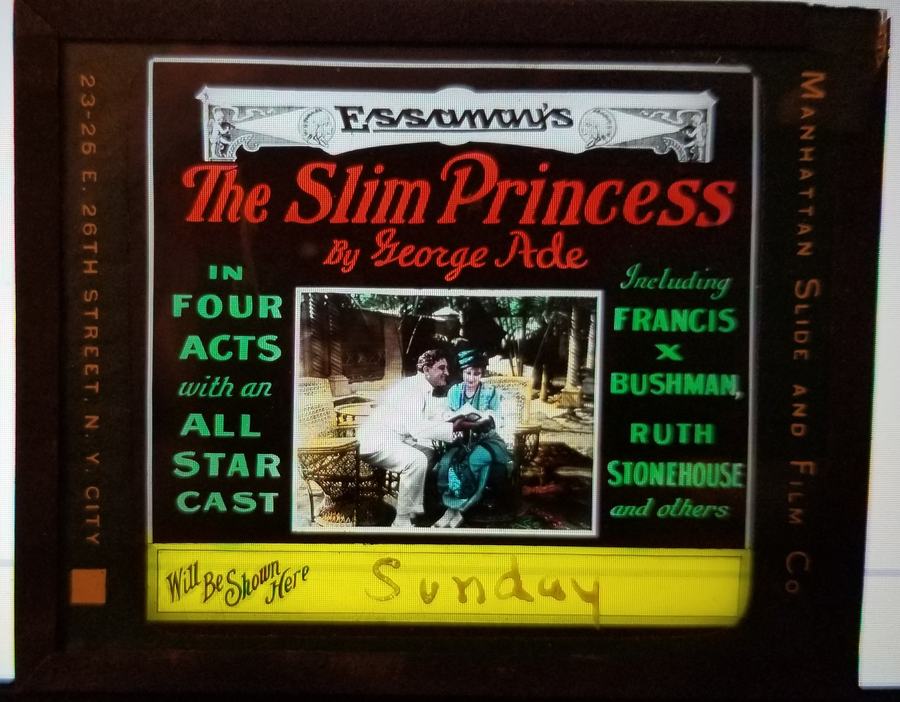
Ruth Stonehouse’s Kalora has the wide-eyed stillness of a cameo brooch; every micro-movement reads as protest against the fleshly script forced upon her. Notice how she clutches a brine-soaked cucumber slice between gloved fingers, hesitating before the bite—an infinitesimal shudder that speaks volumes about bodily autonomy. Opposite her, Washburn’s Pike exudes breezy confidence without slipping into Ugly-American caricature; his love is less conquest than conversion, a promise that elsewhere bodies escape imperial measurement.
George Ade, Chicago’s slang-slinging fabulist, injects Midwestern drollery into intertitles: “In Morovenia a girl’s best friend is a fried eclair.” The line lands like custard pie, yet behind the jest lurks a scalding indictment of performative femininity. Edward T. Lowe Jr. trims Ade’s newspaper skits into brisk sequence—no scene exceeds ninety seconds—so the narrative gallops, leaving modern viewers stunned by the tonal whiplash between farce and proto-feminist assertion.
Place The Slim Princess beside Den hvide Slavehandels sidste Offer and you witness a transatlantic obsession with white slavery disguised as moral melodrama; swap lenses with The Dare-Devil Detective to see how serial queens flipped gender expectations through kinetic bravado. Even The Hoosier Schoolmaster shares DNA—both tales transport Midwestern innocence into decadent Old-World milieus, testing moral fiber against the temptations of cosmopolitan excess.
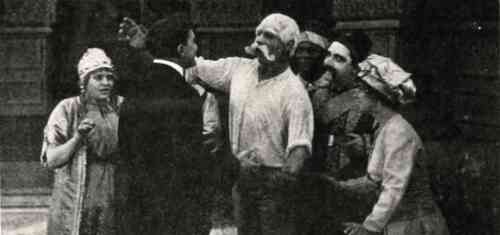
Replace pickles with Instagram detox tea and the film could debut at Sundance. Kalora’s dilemma—body as public text—mirrors today’s influencer culture where metrics of desirability shift with algorithmic caprice. The Count’s desperation to marry off his eldest prefigures contemporary “marriage-market” anxieties in global diasporas; the palace’s collective weigh-in plays like a viral TikTok challenge, minus the ring-light.
At 52 minutes, the picture anticipates the binge-watch economy. Act I culminates in that garden-party humiliation; Act II transplants the trauma to Manhattan’s skyscraper canyons, cross-cutting between Kalora’s caloric assault and Pike’s board-room swagger; Act III detonates in a pageant of secret-handshake mummery—Hoo-Hoo regalia, Templar swords—whose absurdity obliterates any residual patriarchal gravitas.
No extant score accompanies most prints, so the film invites you to supply your own soundtrack: try Satie gymnopédies for wry languor or early Memphis jug-band for subversive bounce. The silence amplifies bodily sonority—every crunch of pickle, every rustle of pillow-stuffed brocade—so the viewer becomes audiologist of the absurd.
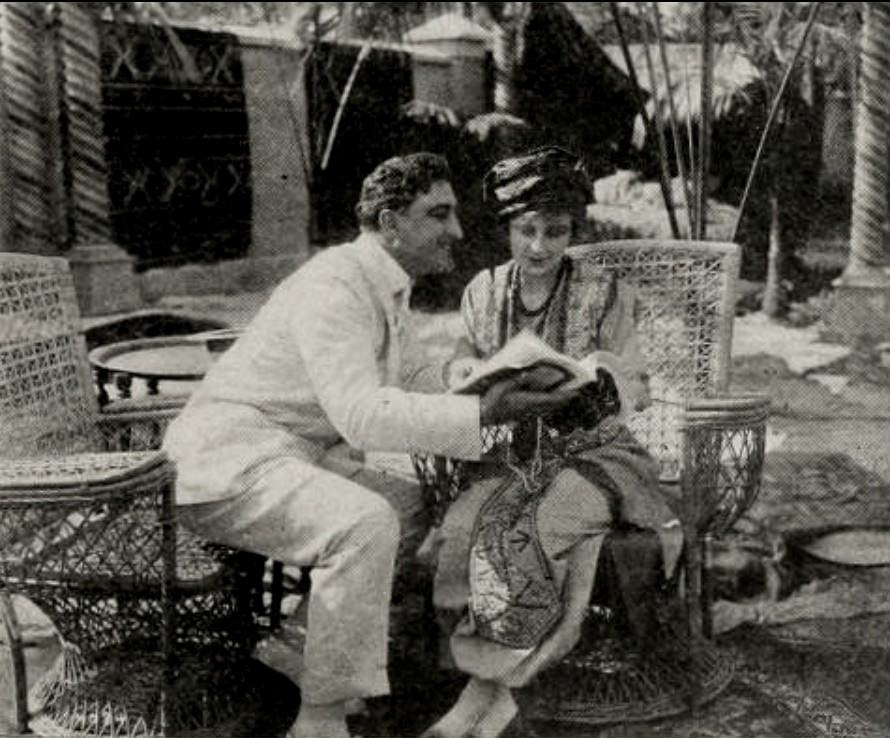
Jeneka, the younger sister, functions as patriarchal bait—her plump desirability a cudgel to shame Kalora. Yet the film refuses to pit woman against woman; in private scenes the sisters share conspiratorial whispers, a solidarity that undercuts the Count’s competitive matrimonial calculus. Their clasped hands, glimpsed behind lattice work, foreshadows second-wave sisterhood decades avant la lettre.
Morovenia is a fiction stitched from travelogue clichés, yet Pike’s American exceptionalism never fully escapes critique. His rapturous slideshow of U.S. thin-ideal magazines carries missionary zeal, but the narrative ultimately lets Kalora decide her silhouette, suggesting that cosmopolitan modernity, while seductive, need not metastasize into cultural imperialism.
The 2022 Lobster/eye-priority restoration scanned two incomplete 28 mm Pathé prints and a 35 mm Dutch distribution roll. Digital clean-up removed 72,000 scratches but retained gate-weave and emulsion bloom so the image breathes. Tinting follows 1916 Chicago Censor Board records: amber interiors, viridian exteriors, magenta ballroom—pulsing like a heartbeat beneath the celluloid skin.
Is The Slim Princess a proto-feminist fable or chubby-chasing farce? The genius lies in its refusal to resolve the dialectic; it pirouettes on contradiction, leaving the audience both delighted and vaguely guilty for laughing. In the age of body-positivity slogans and waist-trainers, this century-old bauble feels less escapist than diagnostic—a pickle-brined mirror held up to our own impossible cravings.
If you hunger for more silent-era subversion, chase down Fides for redemption arc, In Mizzoura for frontier justice, or The Reincarnation of Karma for metaphysical melodrama. Each refracts the era’s anxieties through prisms no less warped—and no less revealing—than Kalora’s slender, subversive silhouette.

IMDb 6.9
1933
Community
Log in to comment.