DbcultAccessing Vault...
6.7/10
Senior Film Conservator
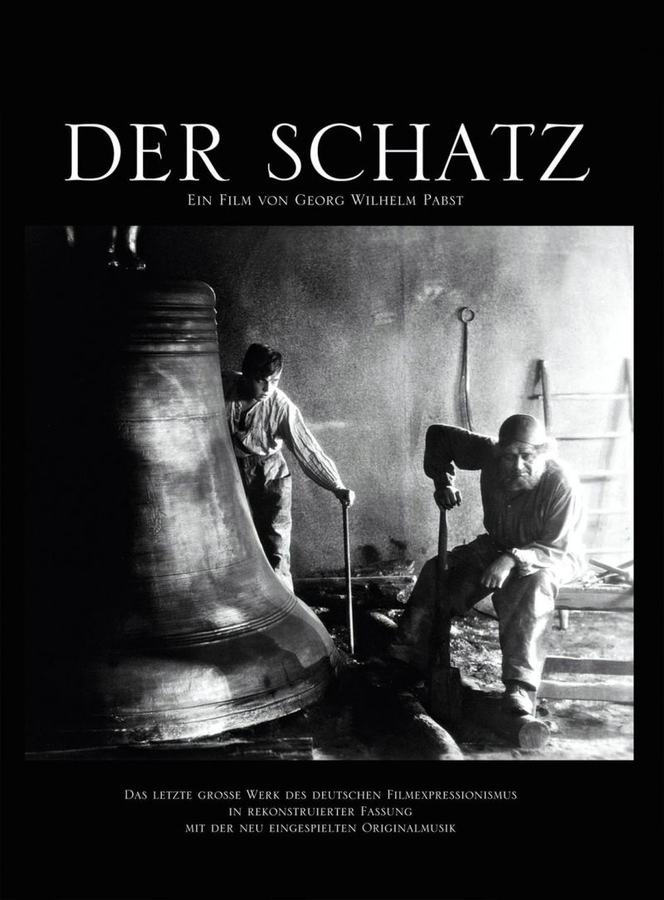
A definitive 6.7/10 rating for a film that redefined the boundaries of cult cinema. The Treasure remains a cornerstone of transgressive art.
When the reel of The Treasure whirs to life, the viewer is thrust into a world where myth intertwines with the clang of iron and the sigh of wind through Alpine passes. The film, a collaboration between director Georg Wilhelm Pabst and screenwriters Rudolph Hans Bartsch and Willy Hennings, captures a moment in European folklore that feels simultaneously intimate and epic. The narrative hinges on a rumor that dates back to the fateful year 1683, when the Ottoman army laid siege to Vienna, prompting a frantic concealment of wealth within the humble walls of a bell‑maker’s shop. This premise, while ostensibly simple, unfurls into a meditation on memory, class, and the corrosive allure of avarice.
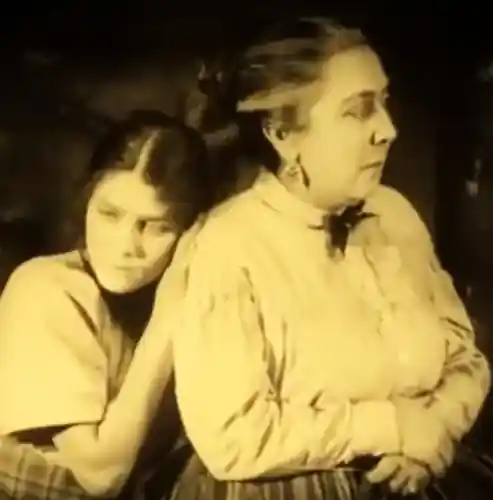
Hans Brausewetter, embodying the restless apprentice, delivers a performance that oscillates between sardonic bravado and vulnerable yearning. His eyes, often narrowed in skeptical amusement, gradually soften as the plot’s stakes crystallize. Ilka Grüning, as the stoic elder worker, channels a quiet gravitas; her weathered visage becomes a canvas for unspoken histories. Werner Krauss, portraying the master bell‑maker, exudes a calculated menace, his gestures precise, echoing the control he seeks over both craft and lineage. The chemistry between the young lover and Lucie Mannheim’s Beate is palpable, their whispered exchanges rendered in intertitles that pulse with subtext.

Pabst’s cinematography, though constrained by the silent era’s technological limits, employs chiaroscuro lighting to great effect. Shadows cling to the workshop’s timber beams, while shafts of amber light—mirroring the film’s recurring dark orange motif—filter through cracked shutters, illuminating dust motes that dance like fleeting memories. The director’s penchant for long, unbroken takes allows the audience to linger on the tactile details: the clang of a hammer, the glint of a hidden coin, the tremor of a heart racing beneath a floorboard. The use of sea‑blue accents in costume design subtly underscores the film’s undercurrent of longing, a hue that recurs when characters contemplate escape or destiny.
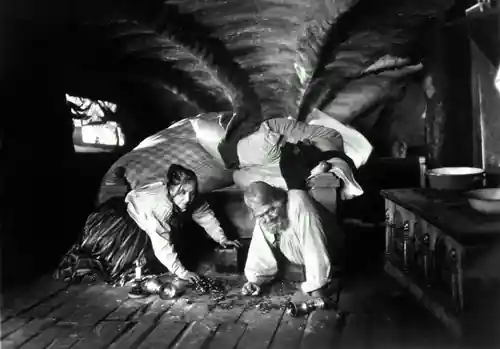
The story unfolds with a deliberate tempo, each act punctuated by moments of revelation that echo the tolling of a bell. The elder’s insistence that the treasure resides within the bell‑maker’s house becomes a metaphor for buried truths within familial structures. The apprentice’s transformation—from mocker to seeker—mirrors a rite of passage, wherein youthful skepticism yields to the weight of responsibility. Meanwhile, the master’s decision to eliminate the apprentice reveals a stark commentary on the corrupting influence of power, a theme that resonates across Pabst’s oeuvre, reminiscent of the moral ambiguities explored in The Great Divide.
When placed alongside contemporaneous works such as Broadway Rose or Angel of Crooked Street, The Treasure distinguishes itself through its focus on collective memory rather than individual melodrama. While the former films revel in romantic entanglements set against urban backdrops, Pabst’s piece roots its drama in a rural, almost mythic setting, allowing the audience to contemplate the persistence of folklore in shaping communal identity.

In the absence of synchronized sound, the film relies heavily on visual storytelling and meticulously crafted intertitles. The typography—bold, serifed, and occasionally italicized—conveys emotional nuance, with the occasional splash of yellow (#EAB308) highlighting pivotal dialogue. This typographic emphasis guides the viewer’s attention, ensuring that critical plot points—such as the master’s decree for the apprentice’s disappearance—resonate with clarity.
Beyond its narrative, The Treasure serves as a cultural artifact, encapsulating the post‑World War I German film industry's fascination with national mythos and the lingering trauma of occupation. The reference to the 1683 Ottoman siege functions as an allegorical backdrop, hinting at contemporary anxieties about foreign domination and internal decay. By situating the treasure within a bell‑maker’s domain—a symbol of community cohesion—the film suggests that wealth, both material and intangible, is inextricably linked to collective heritage.
A standout sequence occurs when the apprentice, guided by Beate’s whispered encouragement, pries up a floorboard to reveal a trove of glinting coins. The camera lingers, allowing the audience to savor the moment’s quiet triumph before cutting to the master’s cold stare—an editing decision that amplifies tension without a single spoken word. Pabst’s choice to juxtapose this discovery with the elder’s frail silhouette, illuminated in sea‑blue light, underscores the intergenerational transfer of secret knowledge.
Modern critics often cite The Treasure as an early exemplar of the treasure‑hunt genre, predating Hollywood’s swashbuckling epics. Its nuanced character study and atmospheric visual language have earned it a place in film‑school curricula, where it is examined alongside works like Julius Caesar for its adept handling of historical context within personal drama. The film’s preservation status—thanks to diligent restoration efforts—allows contemporary audiences to experience its original black‑background aesthetic, where white‑colored captions and muted tones evoke a haunting, almost reverent mood.
In sum, The Treasure is more than a silent-era curiosity; it is a meticulously crafted meditation on the intersection of myth, desire, and power. Its layered performances, striking visual composition, and resonant themes ensure that the film remains a compelling study for both cinephiles and scholars. Whether one approaches it as a historical curiosity or a timeless narrative about the human condition, the film’s echo—like the lingering resonance of a bell—continues to reverberate across cinematic history.
IMDb 5.5
1935
Community
Log in to comment.