DbcultAccessing Vault...
6.4/10
Senior Film Conservator
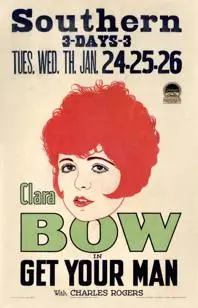
A definitive 6.4/10 rating for a film that redefined the boundaries of cult cinema. Get Your Man remains a cornerstone of transgressive art.
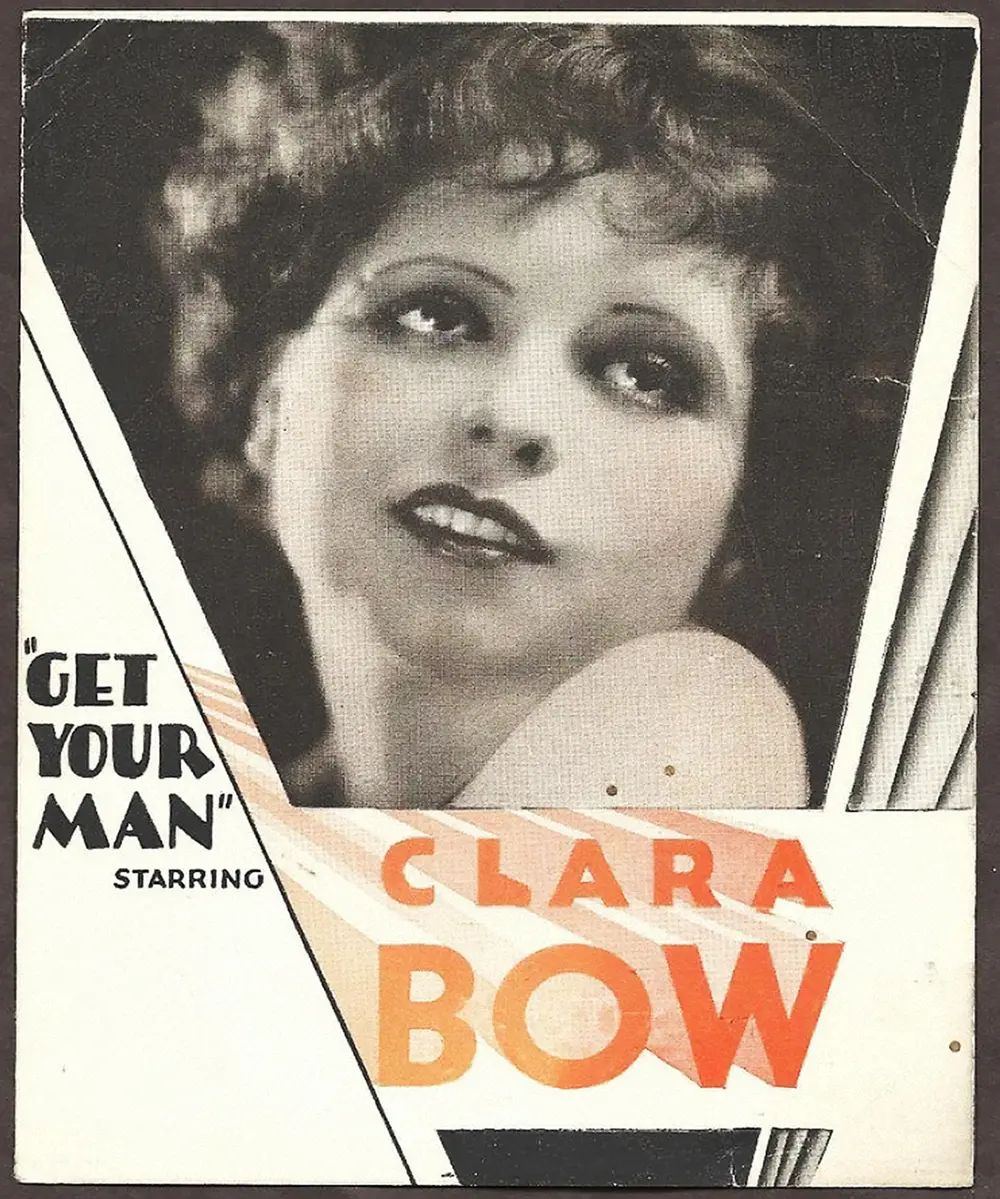
Is Get Your Man (1927) still worth your time nearly a century after its release? Short answer: yes, but only if you want to witness the exact moment Clara Bow weaponized the 'It' girl persona to dismantle European high society.
This film is specifically for those who appreciate the kinetic energy of silent-era comedy and anyone studying the evolution of the female lead in Hollywood. It is definitely NOT for those who require high-stakes drama or viewers who find the 'man-chasing' tropes of the 1920s inherently dated. It is a light, airy confection that survives entirely on the shoulders of its leading lady.
1) This film works because Clara Bow possesses a screen presence that transcends the limitations of silent film technology, making Nancy Worthington feel like a modern woman dropped into a period piece.
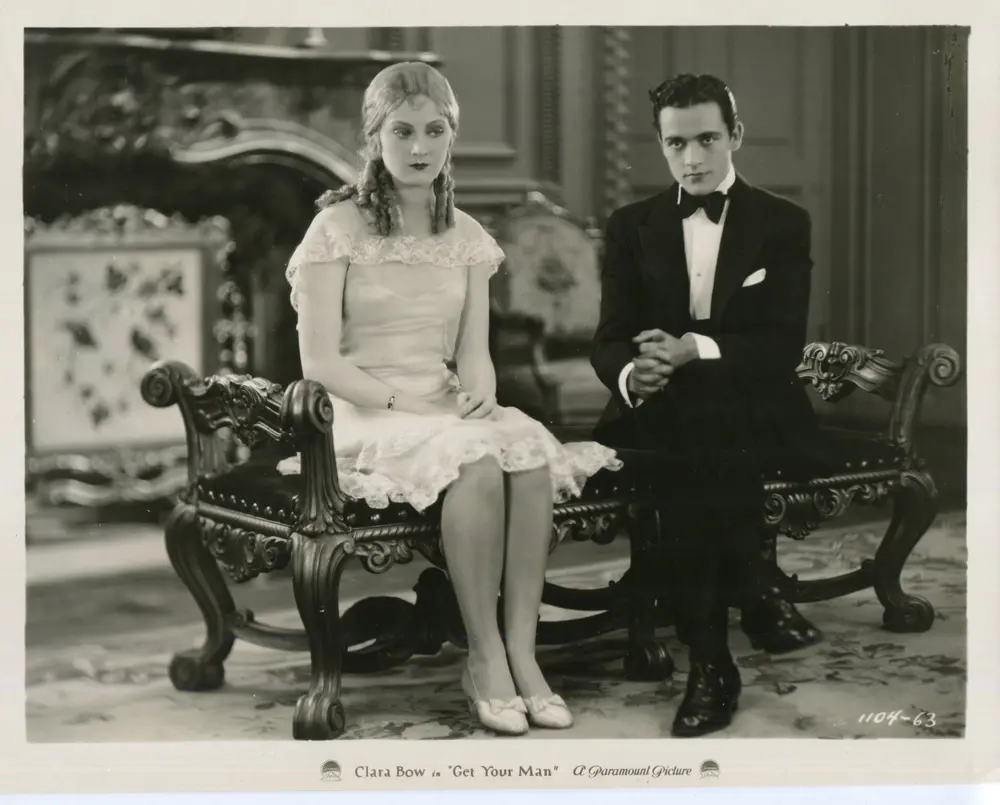
2) This film fails because the male lead, played by Charles 'Buddy' Rogers, is essentially a passive trophy, lacking the agency or charisma to match Bow’s high-octane performance.
3) You should watch it if you want to see a rare example of a female-driven plot from the 1920s where the protagonist uses her wits and social engineering to get exactly what she wants.
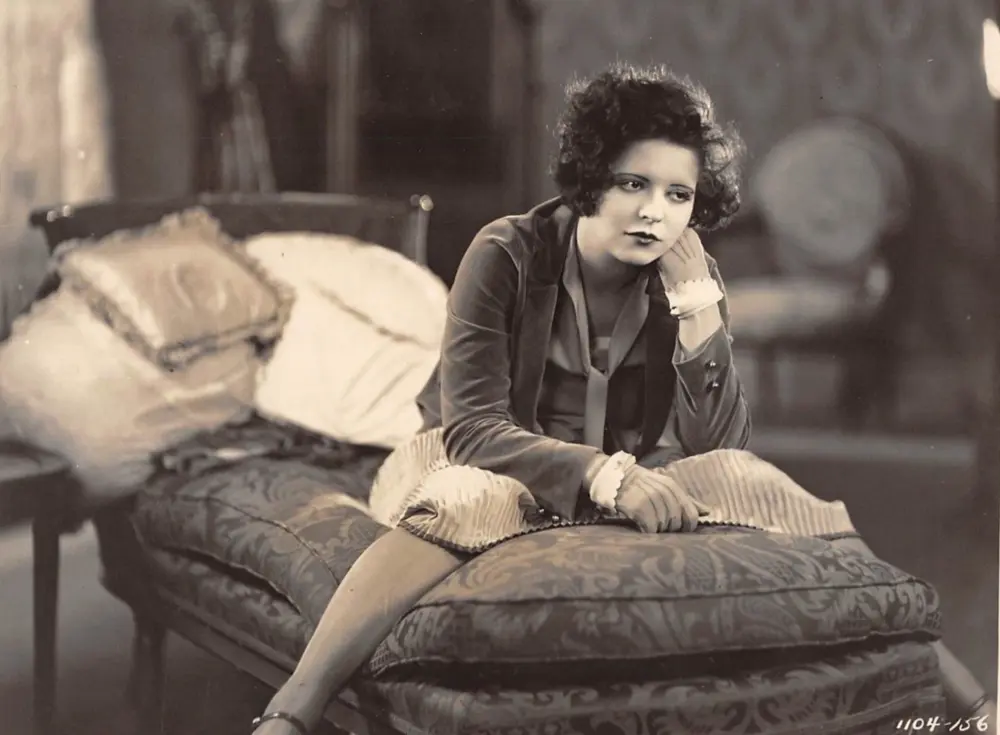
Clara Bow doesn't just act in this film; she vibrates. In a decade where many actors were still clinging to the exaggerated gestures of the stage, Bow understood the intimacy of the camera lens. Her eyes do more work in a single close-up than most actors do with their entire bodies. In the opening sequences in Paris, her movements are jagged and unpredictable, a stark contrast to the stiff, rehearsed motions of the French aristocrats around her.
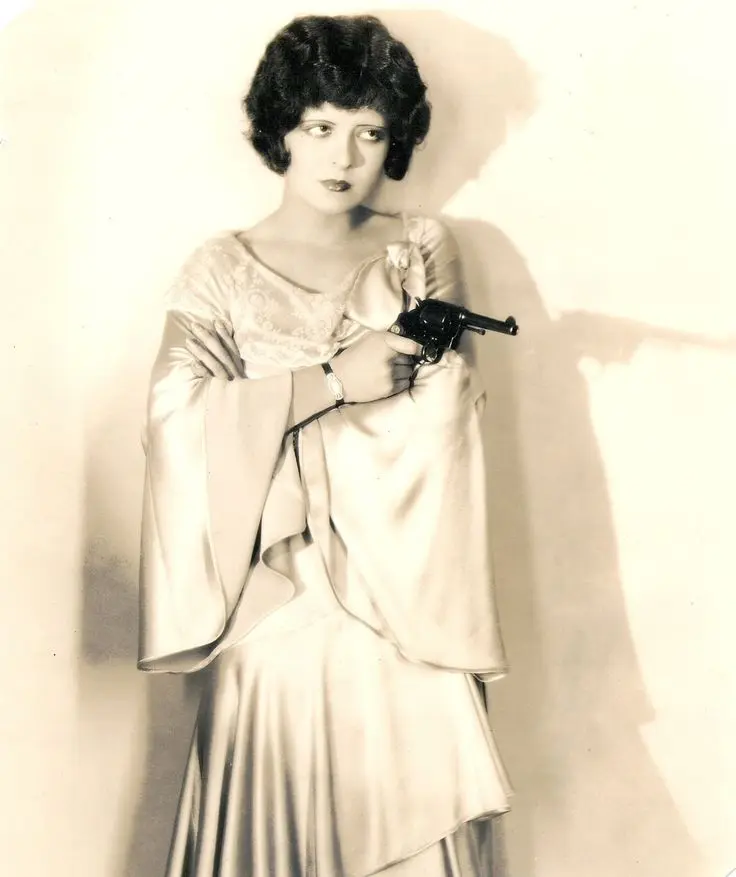
Take, for example, the moment she first spots Robert. She doesn't just look at him; she consumes him with a gaze that was considered scandalous for its time. It is a performance of pure appetite. While films like The Secretary of Frivolous Affairs played with similar themes of social maneuvering, Bow brings a raw, unpolished humanity that makes the artifice of the plot secondary to her personality.
She is the engine of the narrative. Without her, the story would be a mundane tale of an arranged marriage. With her, it becomes a revolutionary act of American individualism. She is the blueprint for the modern rom-com heroine: flawed, relentless, and undeniably charming.
The centerpiece of the film is the extended sequence in the wax museum. This is where director Dorothy Arzner (who, though often uncredited in contemporary blurbs, brought a distinct female gaze to the production) really shines. The setting is inherently creepy, yet Arzner uses it to foster a sense of forced intimacy. Being trapped with a stranger among frozen figures is a classic trope, but here it serves to highlight the 'liveness' of the protagonists.
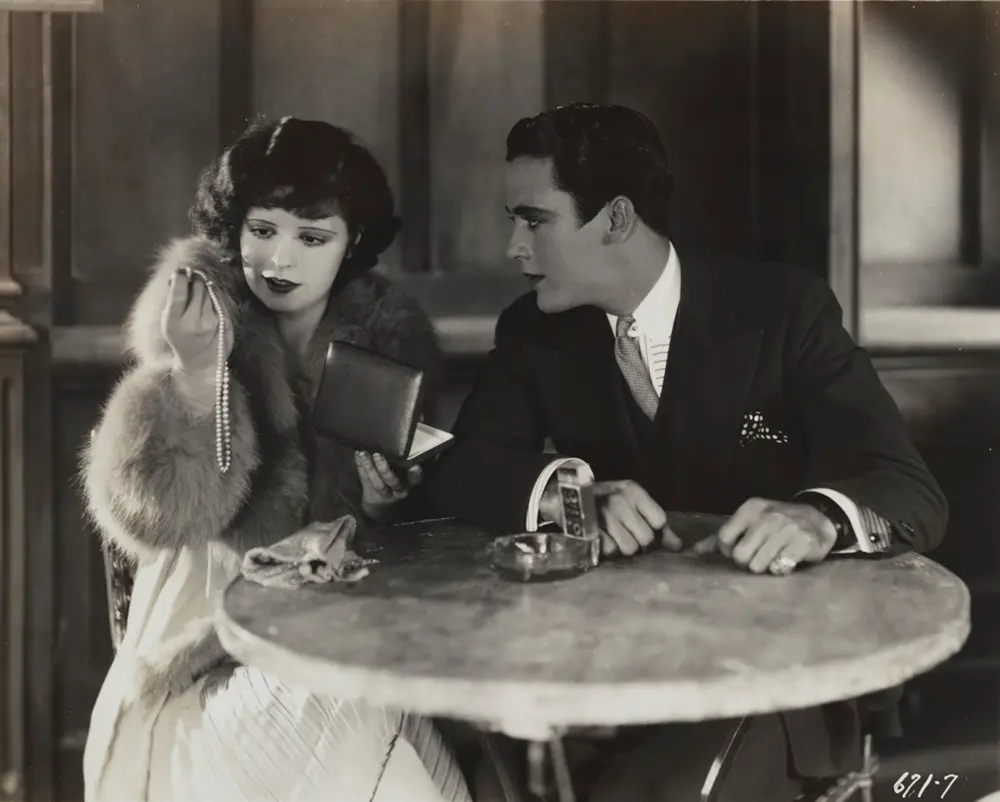
The lighting in this scene is particularly effective. High-contrast shadows stretch across the wax faces, creating a sense of claustrophobia that pushes Nancy and Robert together. There is a specific moment where Nancy pretends to be a wax figure to hide from a guard. Bow’s ability to remain perfectly still while her eyes remain mischievously active is a technical marvel. It’s a sequence that feels more sophisticated than the horror-leaning Alraune, opting for romantic tension over Gothic dread.
This scene also establishes the film's primary metaphor: the European upper class as wax figures—static, lifeless, and stuck in the past—while the American girl is the only thing truly alive in the room. It’s a blunt metaphor, but in the context of 1927, it was incredibly effective. The pacing here is deliberate, allowing the chemistry between Bow and Rogers to simmer before the frantic comedy of the second act takes over.
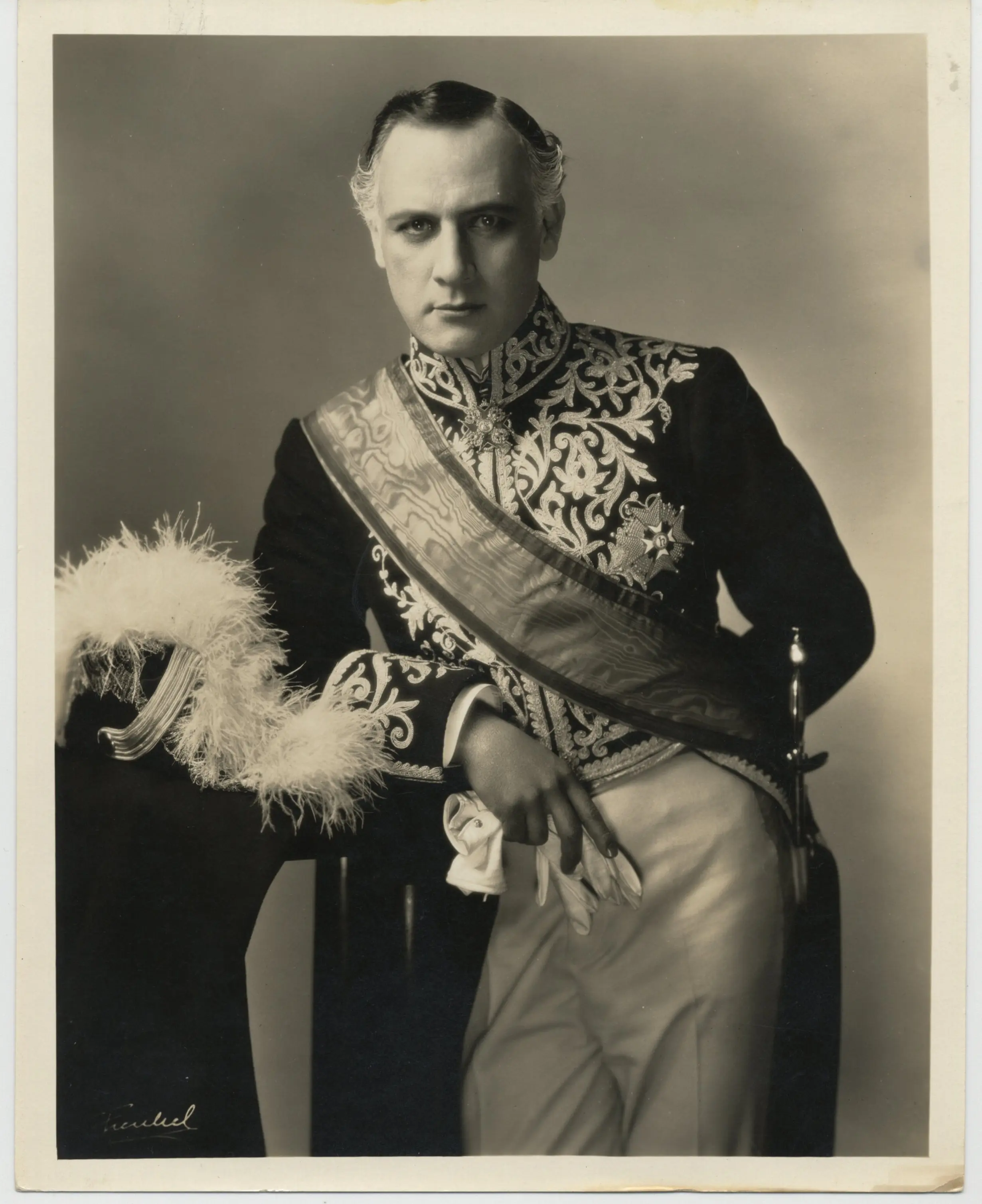
Charles 'Buddy' Rogers plays Robert Albin with a certain 'boy next door' charm, but he is fundamentally outmatched. In many ways, he is the 'damsel' of the story. He is the one trapped in a contract, the one who must be rescued from a life he doesn't want. While this reversal is progressive, it leaves a bit of a vacuum where a romantic foil should be. Rogers is handsome, certainly, but his performance lacks the edge found in contemporary leads from films like The Law of the North.
His chemistry with Bow is functional, but it’s clear she is doing the heavy lifting. In their scenes together, the camera often lingers on his reaction to her, rather than his own actions. He is a mirror reflecting her brilliance. This works for the plot—Nancy is, after all, the one 'getting' her man—but it occasionally makes the stakes feel lower. If he’s that easy to get, is the chase really worth it?
However, Rogers does excel in the physical comedy of the later scenes. His bewildered expressions as Nancy systematically destroys his family’s dinner party are genuinely funny. He plays the 'straight man' to her 'clown,' a dynamic that would later be perfected by the likes of Cary Grant and Katharine Hepburn. It is a foundational performance, even if it feels a bit thin by today's standards.
It is impossible to discuss this film without acknowledging the influence of Dorothy Arzner. As one of the few women directing in Hollywood at the time, she brought a subversive edge to what could have been a standard studio assignment. Arzner focuses on the absurdity of the patriarchy. The men in the film are either ancient relics like the Duke or passive observers like Robert. The women—Nancy and even her rival Simone—are the ones with the plans.
The film mocks the idea of lineage. While a film like J'accuse! takes the weight of European history with deadly seriousness, Get Your Man treats it as a joke. The Albin estate is portrayed as a dusty museum that needs a window smashed. Nancy is that brick through the window. Arzner’s framing often places Nancy in the center of the frame, surrounded by tall, imposing architecture, emphasizing her small stature but massive impact.
There is a recurring motif of 'performance.' Nancy is always playing a role—the tourist, the flirt, the victim. Arzner seems to be commenting on the performative nature of womanhood itself. To get what she wants, Nancy must navigate these roles with the precision of an assassin. It’s a cynical take wrapped in a sugary rom-com shell. It’s brilliant. But it’s flawed by a rushed third act.
If you are looking for a deep, philosophical exploration of the human condition, look elsewhere, perhaps toward something like Die suchende Seele. However, if you want to understand why the 1920s were called 'roaring,' this is your primary text. It is a 60-minute shot of pure adrenaline. The film’s brevity is its greatest strength; it never overstays its welcome.
The restoration of this film (which was partially lost for years) is a gift to cinema history. Even with some missing footage replaced by stills, the narrative flow remains intact. It serves as a perfect entry point for those intimidated by silent cinema. It is fast, funny, and surprisingly modern in its gender politics. You watch it for Bow, but you stay for the sheer audacity of the filmmaking.
Pros:
Cons:
Get Your Man is a vibrant, albeit slight, romantic comedy that succeeds entirely because of Clara Bow's magnetism. It isn't a profound work of art like J'accuse!, but it doesn't try to be. It is a vehicle for a star, and that star is burning at a million degrees. Despite its age, the film feels remarkably fresh. It is a testament to the fact that charisma is the one thing in Hollywood that never goes out of style. Watch it for the history, but enjoy it for the fun. It works. But it’s flawed. And that’s exactly why it’s charming.
IMDb —
1926
Community
Log in to comment.