DbcultAccessing Vault...
Cult Review
Senior Film Conservator
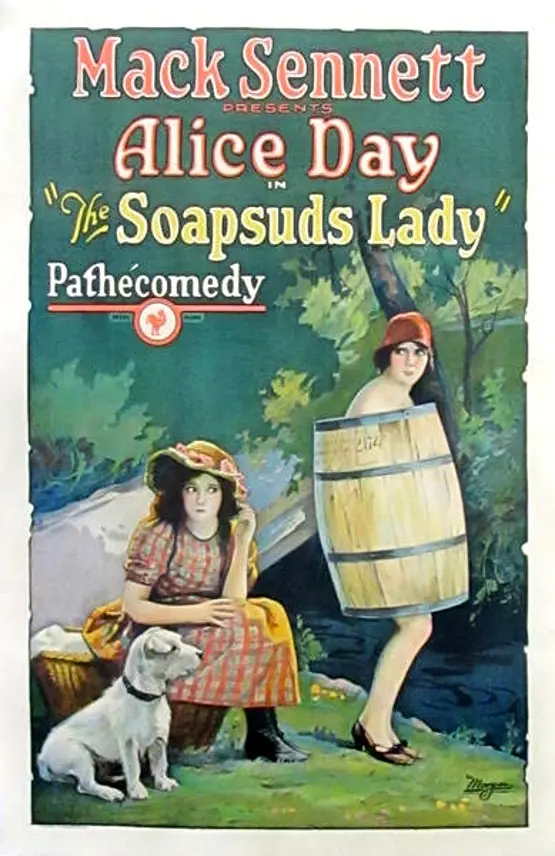
Is The Soapsuds Lady worth watching today? Short answer: yes, but with significant caveats. This silent-era romp is a fascinating historical curio for cinephiles and historians, offering a glimpse into the comedic sensibilities of its time, yet it's decidedly not for those seeking narrative depth or contemporary pacing.
At its core, this 1917 film is a product of its era, a fast-action comedy built on physical gags and broad strokes of character. It demands a specific kind of engagement from its audience, one that prioritizes historical context over modern storytelling conventions. To approach it as a contemporary romantic comedy would be a disservice to both the film and the viewer.
This film works because of its relentless energy and the sheer commitment of its lead performers to the physical comedy inherent in the silent era. There’s a palpable enthusiasm that often shines through the grainy footage, particularly in the more elaborate chase sequences and frantic gags.
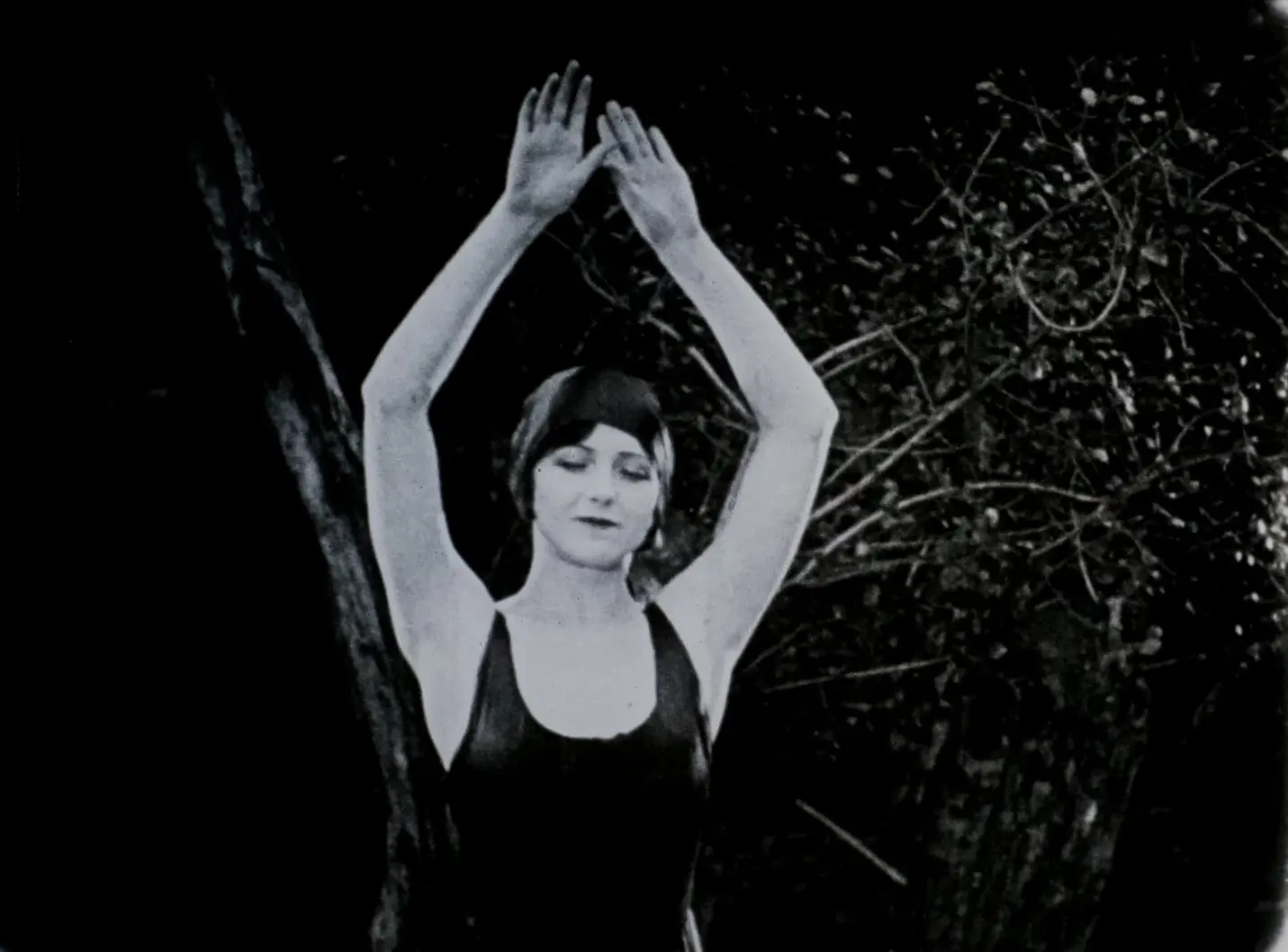
It fails because its plot is thin, relying heavily on contrivance and a dated understanding of romance and class dynamics. The narrative often feels like a mere scaffold for the gags, rather than a cohesive, character-driven story. You should watch it if you have a keen interest in early cinema, appreciate slapstick, and are willing to overlook narrative shortcomings for a piece of cinematic history.
The film introduces us to Betty, a laundry worker whose humble origins are contrasted with her parents' lofty social ambitions. They see her as a golden ticket, a means to elevate their own standing through a strategically advantageous marriage. This familial pressure is quickly exploited by a villain, a conniving individual who, through the simple act of renting expensive clothes, successfully poses as a man of wealth to gain their favor.
Their scheme to marry Betty off to this imposter forms the central conflict, but Betty's heart is already claimed. She's smitten with Jack, a genuinely wealthy young man who, in a classic romantic trope, is unhappily betrothed to a society girl he does not love. The narrative then becomes a series of frantic efforts by Betty and Jack to navigate these obstacles, relying on serendipitous events and their own burgeoning determination to be together. It's a testament to the simplistic, yet effective, storytelling devices of early cinema, where convenience often trumps complex plotting.
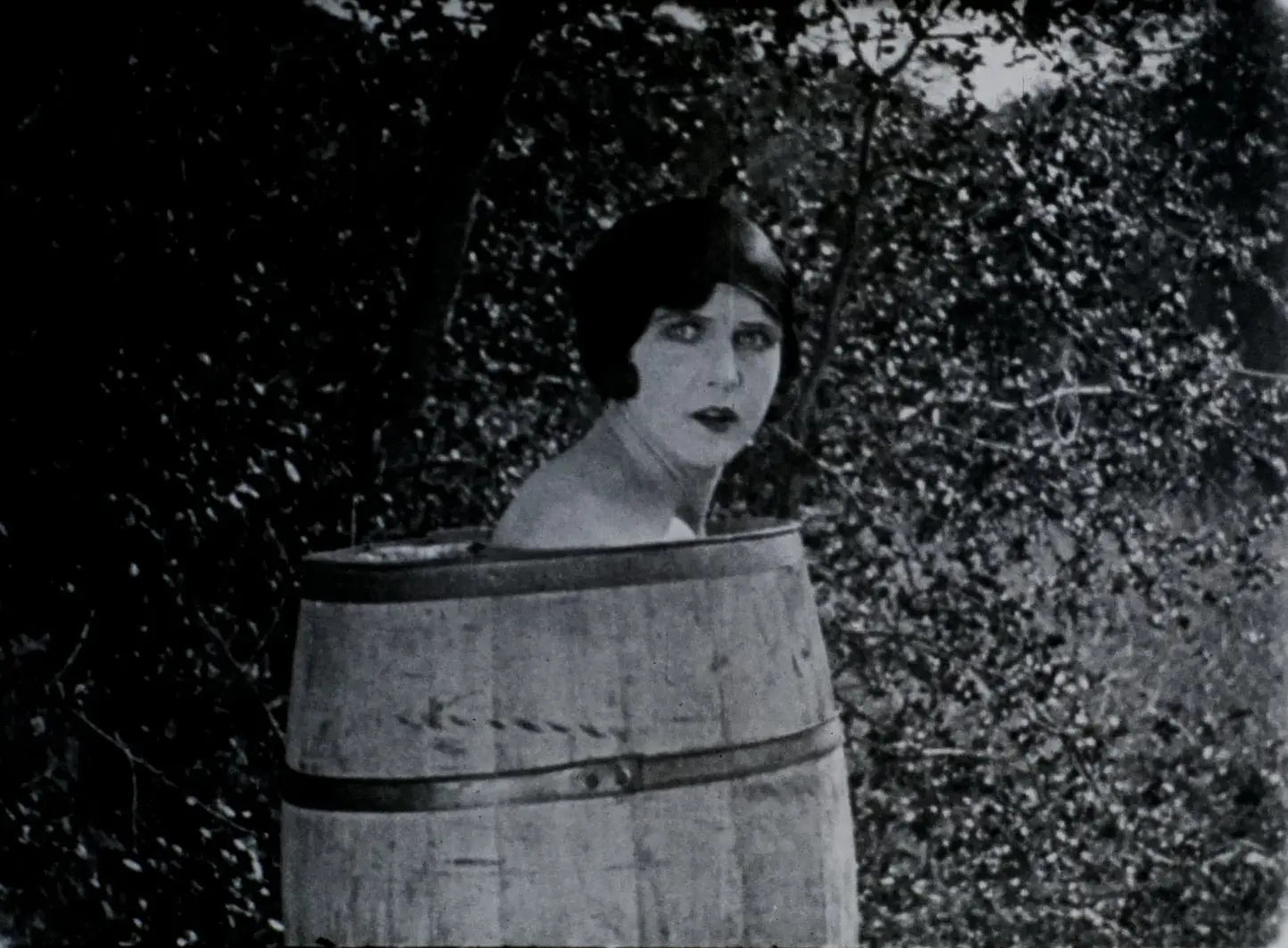
The performances in The Soapsuds Lady are, by modern standards, overtly theatrical and expressive. This is not a criticism; it’s an observation of the necessity of silent acting. Actors like Kathryn Stanley as Betty and Barney Hellum as the wealthy chap Jack communicate almost entirely through exaggerated facial expressions and broad physical movements. Every emotion, every intention, is writ large across the screen, demanding attention.
Kathryn Stanley, as the titular 'Soapsuds Lady,' embodies the plucky working-class heroine with a spirited energy that is infectious. Her performance is a whirlwind of wide-eyed determination and frantic comedic reactions. When she's trying to escape a forced engagement, her frantic flailing and desperate glances are precisely what the moment calls for, even if they border on caricature for contemporary eyes. She truly carries the comedic heart of the film.
Barney Hellum, playing Jack, provides a suitably earnest counterpoint. While his character is less prone to the extreme physical comedy, his silent brooding and determined pursuit of Betty are clear. The chemistry, while not nuanced, is effective in conveying the core romance. It’s a silent film romance, after all, where grand gestures often speak louder than words, and their synchronized efforts to escape their respective predicaments form a surprisingly charming bond.
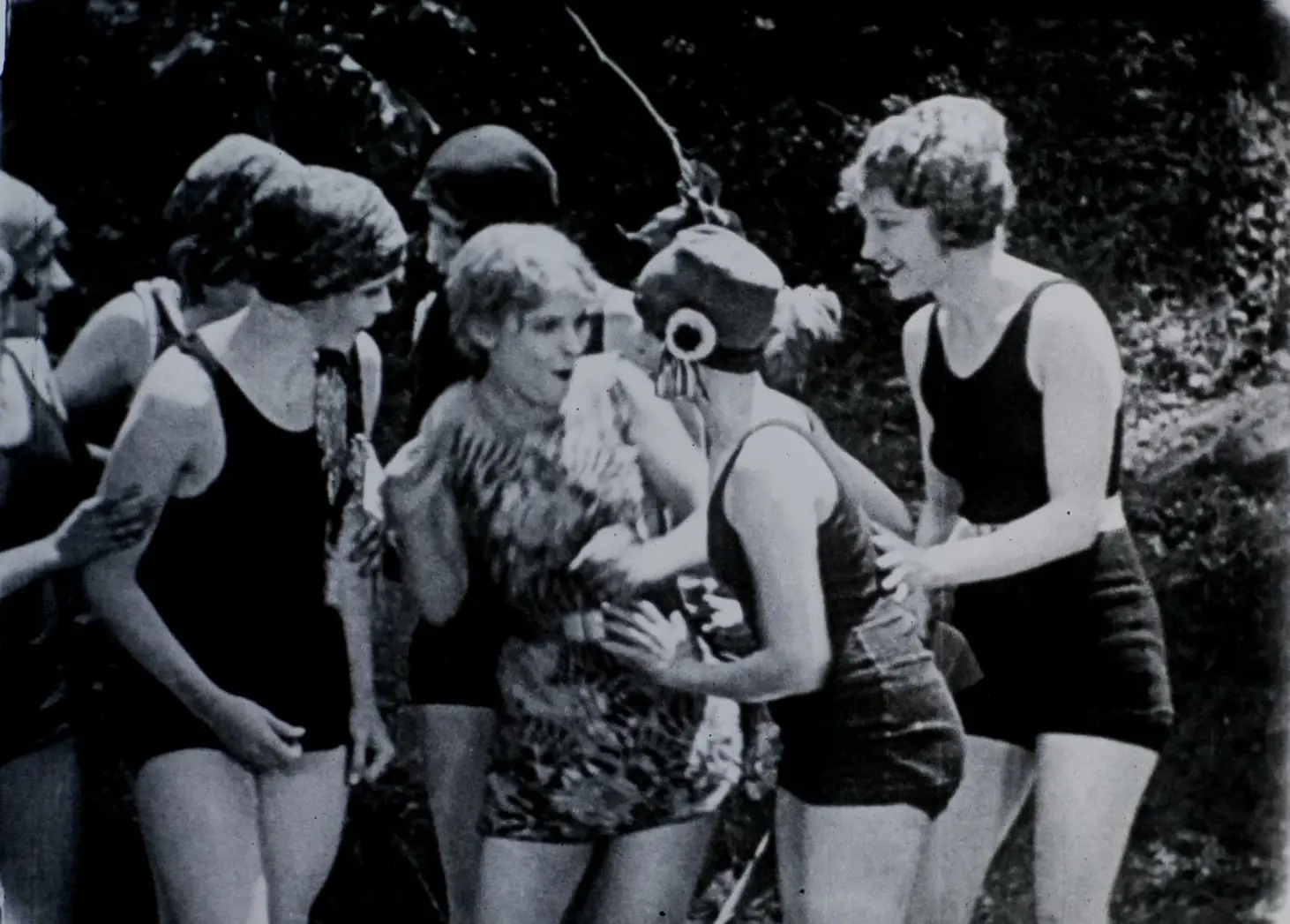
The supporting cast, including the likes of Billy Gilbert and Alice Day, contribute significantly to the film’s chaotic charm. Gilbert, even in these early roles, often brought a distinct comedic presence that hints at his later fame. The parents, played by Sunshine Hart and William McCall, are particularly memorable for their avarice and gullibility, their exaggerated reactions to the villain's false wealth being a consistent source of the film's comedic intent. Even minor characters, like Thelma Hill in a brief appearance, contribute to the bustling energy.
Directed by Gus Meins, The Soapsuds Lady is a masterclass in the 'fast-action' promised by its original plot synopsis. The pacing is relentless, a rapid-fire succession of gags and incidents that leaves little room for contemplation. This isn't a film that lingers; it pushes forward with an almost frantic energy, characteristic of many short comedies of the era, designed to keep audiences constantly engaged.
The cinematography, while rudimentary by today's standards, serves the comedic purpose well. It’s functional, focusing on capturing the physical comedy clearly. There are no elaborate tracking shots or complex compositions that distract from the action. Instead, the camera is often static, allowing the actors to fill the frame with their movements and expressions. Close-ups are used sparingly but effectively to emphasize a particularly comical expression or a moment of dramatic realization, drawing the viewer into the immediate emotional beat.
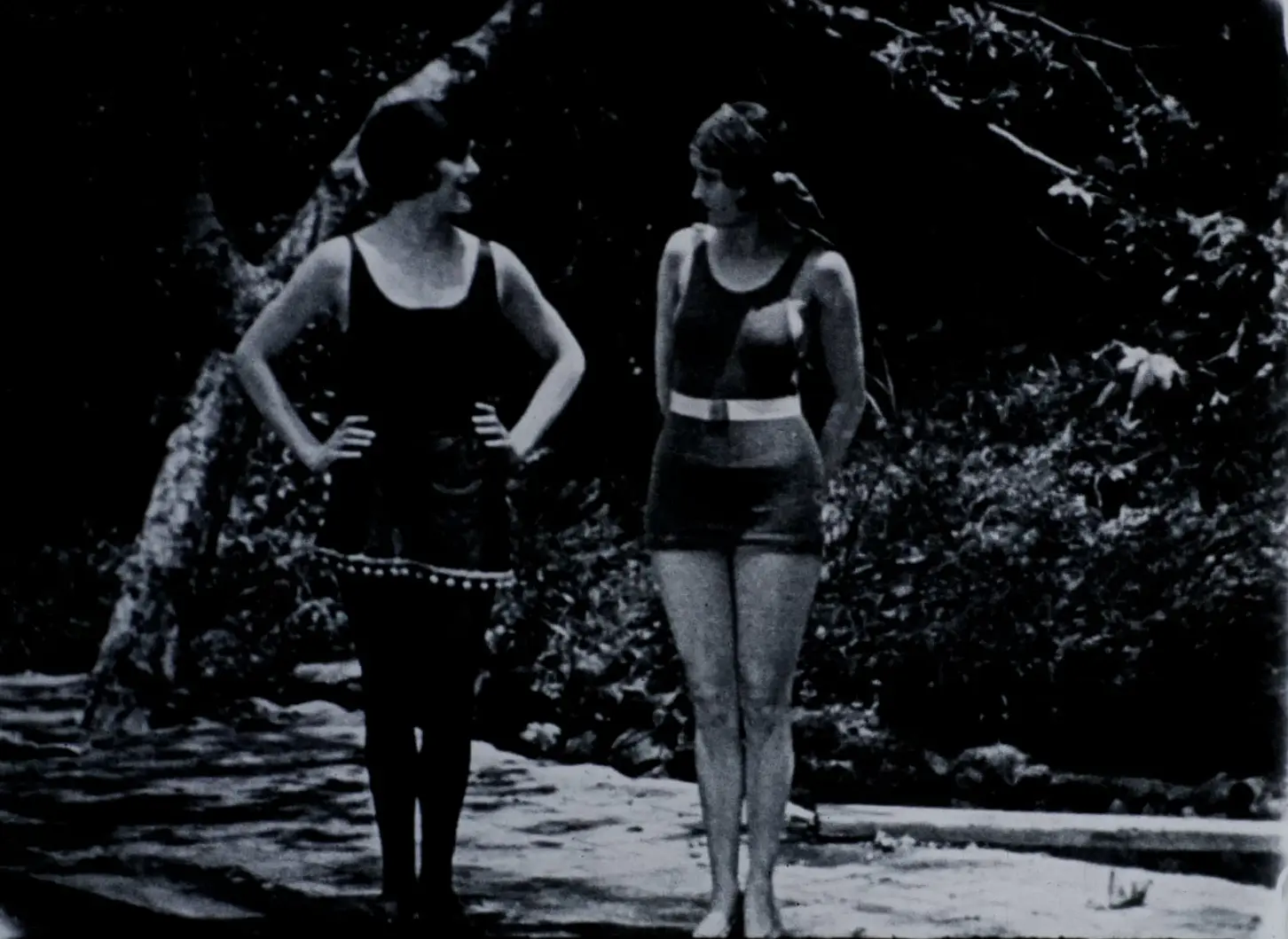
One particular scene, involving a chaotic chase through what appears to be a crowded street or market, exemplifies this directorial approach. The camera captures the broad strokes of the action, allowing the viewer to follow the frantic movements of the characters without getting bogged down in unnecessary detail. It’s a direct, no-frills approach that prioritizes immediate comedic impact over visual artistry, a pragmatic choice for the production capabilities of the time.
The tone of The Soapsuds Lady is undeniably lighthearted and comedic, drenched in the innocent charm of early silent films. It's a world where problems are solved with a well-timed pratfall or a convenient misunderstanding, and consequences are rarely severe. Yet, beneath the surface of the gags, there are echoes of social commentary, particularly regarding class and aspiration, which give it a surprising layer of historical interest.
The parents' obsession with marrying Betty into wealth highlights a common societal struggle of the period. The idea that a working-class girl could marry 'up' was a popular fantasy, often explored in a comedic context to soften the harsh realities of social mobility. The villain's ability to deceive simply by donning expensive clothes is a sharp, if understated, critique of superficiality and the power of appearances in dictating social status, a theme that remains relevant even today.
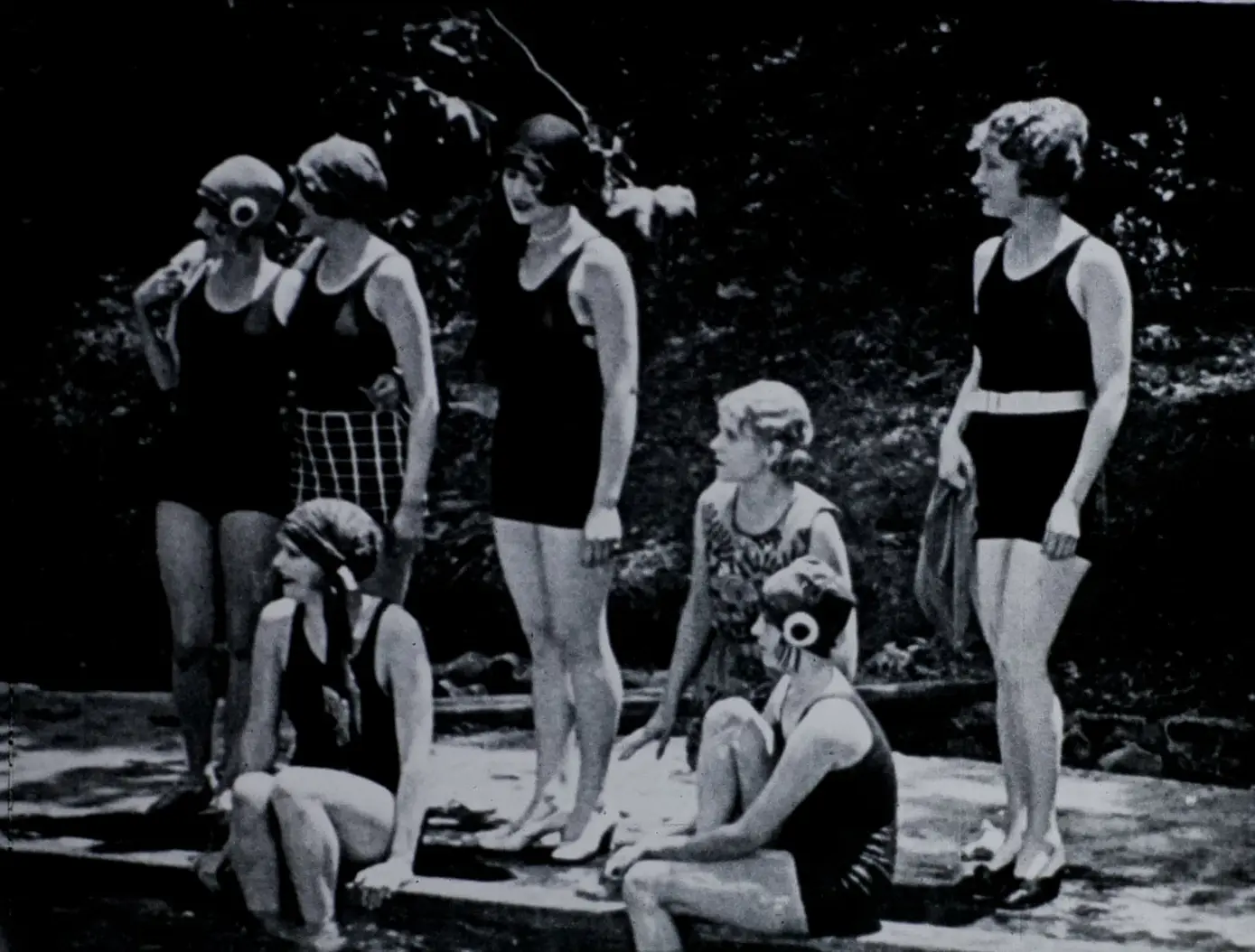
However, the film doesn't delve deeply into these themes. They serve more as a backdrop for the romantic comedy and the ensuing chaos, rather than being explored with any real dramatic weight. The primary theme remains the triumph of true love over arranged marriages and societal pressures, a timeless narrative that resonates even in this antiquated form, offering a comforting resolution to the audience.
For the casual viewer accustomed to modern narrative structures and sophisticated character development, The Soapsuds Lady will likely feel quaint, perhaps even tedious. Its humor is broad, its plot predictable, and its technical execution, while impressive for its time, pales in comparison to a century of cinematic advancement. It requires a significant shift in perspective to truly appreciate.
However, for those with an appreciation for film history, especially the formative years of American comedy, it offers considerable value. It's a living document of how stories were told, how humor was crafted, and how actors connected with audiences before synchronized sound. Think of it less as a standalone entertainment piece and more as a crucial exhibit in the museum of cinema, alongside other period pieces like Blind Love or even early iterations of Hamlet. I would argue that its historical significance outweighs its entertainment value for a general audience. It works. But it’s flawed.
IMDb 6.8
1934
Community
Log in to comment.