DbcultAccessing Vault...
5.4/10
Senior Film Conservator
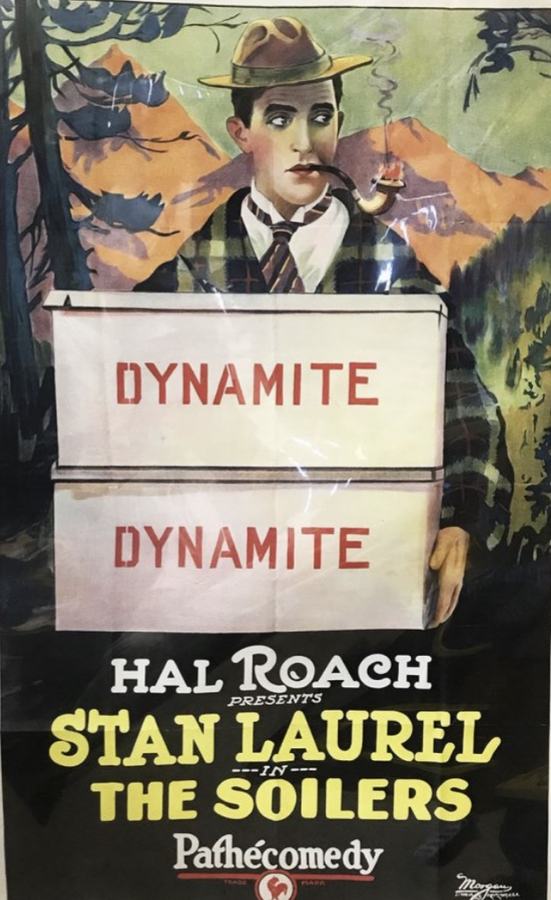
A definitive 5.4/10 rating for a film that redefined the boundaries of cult cinema. The Soilers remains a cornerstone of transgressive art.
Stepping back into the raucous, often chaotic world of early 20th-century cinema, one encounters gems like The Soilers, a film that, despite its brevity and the passage of a century, still resonates with a palpable energy. Released in 1923, this silent comedy-drama, featuring the nascent comedic genius of Stan Laurel, plunges audiences headfirst into the brutal allure of the Alaskan gold rush. It's a setting ripe for both high stakes drama and the kind of physical comedy that defined an era, and The Soilers delivers a potent dose of both.
The narrative, penned by H.M. Walker and Hal Conklin, is deceptively simple yet profoundly effective. A diligent miner, after enduring countless hardships and endless toil in the frozen wilderness, strikes it rich. He unearths the fabled mother lode, a discovery that promises a lifetime of comfort and escape from the relentless grind. But in this lawless frontier, where the line between right and wrong is often blurred by the shimmering promise of gold, such a fortune is a magnet for the unscrupulous. Enter the corrupt sheriff, a figure of authority whose uniform is less a symbol of justice and more a cloak for his avarice. This antagonist, with a chilling disregard for fair play, brazenly 'jumps' the miner's claim, effectively stealing his hard-won prosperity. This act of egregious injustice is the spark that ignites the film's central conflict, culminating in a legendary, no-holds-barred brawl that has etched itself into the annals of silent film history.
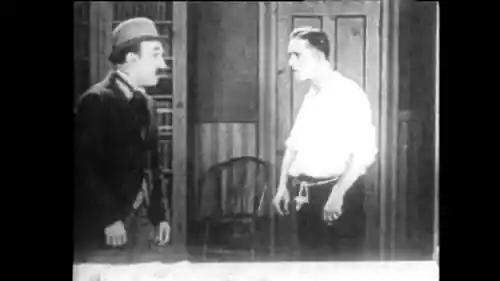
What immediately strikes a modern viewer about The Soilers is its audacious blend of genres. It's not merely a slapstick comedy, though it certainly features elements of the physical humor Stan Laurel would later perfect alongside Oliver Hardy. Instead, it possesses a dramatic core, a genuine sense of injustice and struggle that underpins the more comedic moments. The film taps into universal themes: the pursuit of wealth, the corruption of power, and the fight for what is rightfully one's own. These are timeless narratives, and their presentation within the stark, unforgiving backdrop of the gold rush gives them a particular potency. One can almost feel the biting wind and taste the dust of the Alaskan plains, even through the flickering monochrome images.
Stan Laurel's performance here is a fascinating study in his early career development. Long before he was the perpetually perplexed, often tearful foil to Hardy's bluster, Laurel was experimenting with various character types. In The Soilers, he showcases a versatility that hints at the comedic titan he would become. While the film's primary focus is the dramatic confrontation, Laurel's presence injects moments of characteristic charm and nascent physical comedy. His ability to convey emotion and reaction without dialogue, relying solely on facial expressions and body language, is already evident. It's a joy to observe these formative stages of an iconic career, much like witnessing the early brushstrokes of a master painter. Comparisons to other early works, such as Astray from the Steerage or A Ridin' Romeo, reveal a period of prolific output and continuous refinement for many silent era performers, and Laurel was certainly no exception.
The supporting cast, a cavalcade of silent film stalwarts, contributes significantly to the film's texture. Glenn Tryon, Ena Gregory, and James Finlayson, among others, bring their unique talents to the screen, creating a believable and vibrant community, even if briefly glimpsed. Finlayson, in particular, would later become a recurring, beloved antagonist in many Laurel and Hardy films, and his appearance here offers a delightful precursor to that enduring comedic partnership. The chemistry, even in these early, less defined roles, is a testament to the collaborative spirit of the time. The physical demands of silent comedy meant that actors had to be agile, expressive, and willing to engage in often strenuous sequences, a skill set amply demonstrated by the ensemble here.
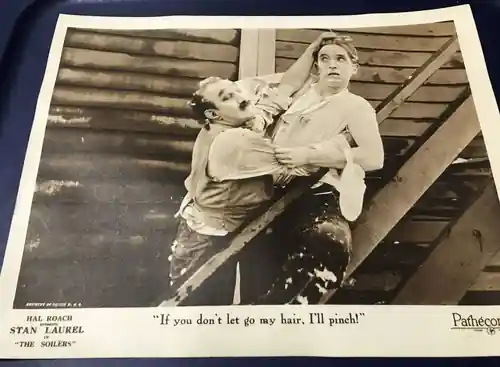
But let's address the elephant in the room, or rather, the brawl in the saloon. The 'tremendous fight' that serves as the film's climax is nothing short of legendary. It's a meticulously choreographed, high-octane sequence that showcases the raw physicality of silent film action. Chairs fly, tables shatter, and bodies tumble in a whirlwind of kinetic energy. This isn't just a simple scuffle; it's an extended, almost balletic display of controlled chaos. The sheer commitment of the performers to this prolonged sequence is admirable, creating a sense of genuine peril and catharsis. The audience, having witnessed the injustice perpetrated against the miner, is fully invested in this ultimate showdown, cheering on every punch and every retaliatory shove. It’s a masterclass in building tension and releasing it through spectacular physical conflict, a technique that would be refined over decades in action cinema but finds a powerful early expression here. One might even draw parallels to the dramatic stakes and physical confrontations seen in films like Pay Me!, where the struggle for survival or justice also often boiled down to direct, forceful action.
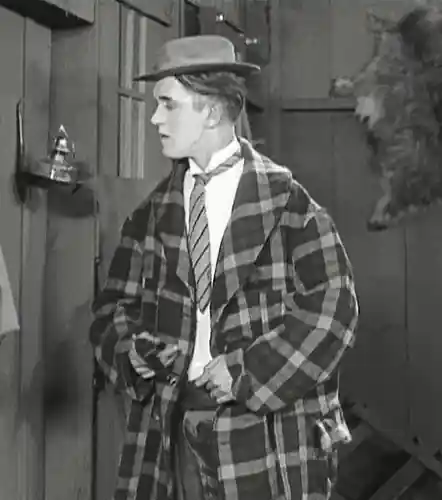
The direction, while uncredited for this particular short, effectively captures the grim reality and occasional absurdity of the gold rush era. The cinematography, though rudimentary by today's standards, is functional and clear, allowing the action and the actors' expressions to take center stage. The use of intertitles is sparse but impactful, conveying crucial plot points and character dialogue with economy and wit. This reliance on visual storytelling, a hallmark of the silent era, forces the filmmakers to be incredibly inventive in how they communicate narrative and emotion. Every gesture, every prop, every angle had to contribute to the overall understanding, and The Soilers navigates this challenge with considerable skill.
The film also serves as a fascinating historical document, offering a glimpse into the cultural anxieties and aspirations of the 1920s. The gold rush, while a phenomenon of the late 19th century, still held a powerful grip on the American imagination. It represented the ultimate gamble, the dream of instant wealth, and the harsh realities of a frontier where might often made right. The Soilers encapsulates this duality, presenting both the tantalizing promise and the brutal consequences of such a pursuit. It’s a microcosm of the American spirit, both its adventurous drive and its darker impulses of greed and corruption. The portrayal of the corrupt sheriff, for instance, speaks to a broader societal concern about authority figures abusing their power, a theme that remains disturbingly relevant. One could argue that the film, in its own way, touches upon the moral dilemmas explored in more overtly dramatic features like The Suspect, albeit through a lens tinged with comedic elements.
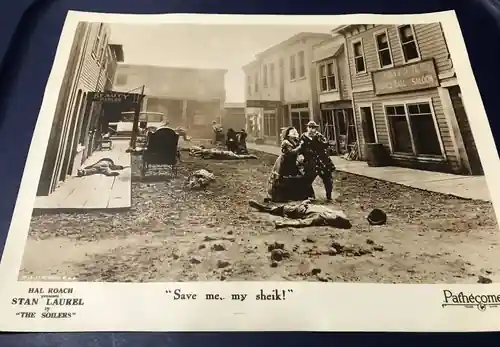
Looking at The Soilers alongside other films of the period, such as Winning with Wits or even the international fare like Die Lieblingsfrau des Maharadscha - 2. Teil, helps contextualize its place in the broader cinematic landscape. While some films focused on intricate plot devices or exotic locales, The Soilers grounds itself in a distinctly American mythos, albeit one that is universal in its themes. Its relatively straightforward narrative allows for a clear focus on character and action, a strength that prevented it from becoming overly convoluted, a pitfall some contemporary productions occasionally succumbed to.
The pacing of The Soilers is another point of interest. Like many silent shorts, it moves with a brisk efficiency, wasting little time on superfluous scenes. Every sequence serves a purpose, driving the plot forward towards its explosive conclusion. This conciseness is a hallmark of the era, where filmmakers had to convey a complete story within a limited runtime, often designed to be part of a larger vaudeville or picture show program. The film never outstays its welcome, leaving the viewer energized and satisfied by the resolution of its central conflict. This economic storytelling is a valuable lesson for any aspiring filmmaker, demonstrating that impact doesn't always require extensive duration.
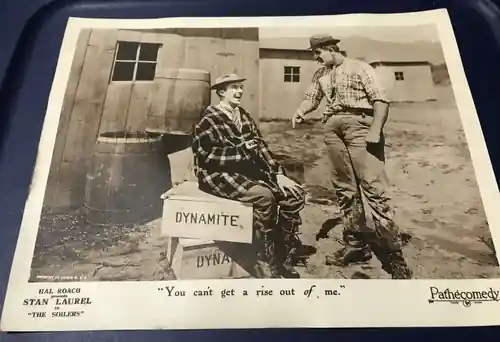
Ultimately, The Soilers is more than just a historical curiosity; it's a vibrant, engaging piece of early cinema that deserves its place in the spotlight. It offers a captivating glimpse into the formative years of Stan Laurel, a compelling dramatic narrative, and one of the most memorable fight sequences of its time. For enthusiasts of silent film, fans of early comedy, or anyone interested in the raw, untamed spirit of the gold rush, this film is an essential viewing experience. It reminds us that even without spoken dialogue, the power of visual storytelling, compelling characters, and universal themes can transcend time and continue to entertain and provoke thought. It’s a testament to the enduring magic of cinema, proving that a well-told story, even a century later, still shines as brightly as the gold it depicts.
The legacy of films like The Soilers is profound. They didn't just entertain; they helped define the language of cinema itself. The inventive physical comedy, the dramatic tension built through visual cues, the powerful emotional arcs conveyed through gesture and expression—all these elements laid the groundwork for future generations of filmmakers. It's easy to dismiss silent films as quaint relics, but to do so is to overlook their incredible sophistication and their pivotal role in shaping the art form. This particular short, with its audacious action and moral clarity, stands as a sterling example of what the silent era was capable of achieving. It’s a vibrant thread in the rich tapestry of film history, a boisterous and brilliant piece of work that continues to captivate those who seek it out.
The raw energy and unpolished charm of The Soilers make it a compelling watch. It’s a reminder that even in its infancy, cinema was capable of crafting narratives that resonated deeply with audiences, blending humor with genuine peril and culminating in moments of exhilarating release. The performances, especially from the likes of Stan Laurel, offer a window into the evolving craft of screen acting, demonstrating how actors adapted their stage skills for the unique demands of the camera. Their ability to communicate complex emotions and intricate comedic timing without the benefit of spoken words is nothing short of remarkable. This film, therefore, is not just a story about gold and greed; it's a story about the burgeoning power of a new art form, flexing its muscles and discovering its voice.
In an era when film was still finding its footing, productions like The Soilers proved that cinema could be both a populist entertainment and a vehicle for compelling storytelling. It's a film that, despite its age, feels remarkably fresh in its execution of action and its clear moral compass. The triumph of the underdog against the corrupt authority figure is a narrative that never grows old, and when delivered with such gusto and physical prowess, it becomes truly unforgettable. So, if you're looking for a piece of cinematic history that's as entertaining as it is enlightening, delve into the world of The Soilers. You won't be disappointed by this spirited, impactful journey back to the golden age of silent film. Its enduring appeal is a testament to the timeless nature of its themes and the undeniable talent of its creators and performers.
IMDb 5.9
1933
Community
Log in to comment.