DbcultAccessing Vault...
Cult Review
Senior Film Conservator
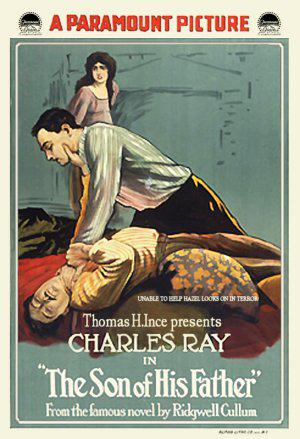
There are films that merely tell a story, and then there are cinematic experiences that etch themselves into the very fabric of one's consciousness, forcing a profound introspection into the human condition. "The Son of His Father", a title that resonates with both familial devotion and impending tragedy, belongs firmly in the latter category. This isn't just a tale; it's a stark, unvarnished exploration of ambition's treacherous allure, the profound weight of paternal sacrifice, and the devastating ripple effects of moral compromise. From the outset, the narrative casts a long shadow, hinting at the inevitable collision course between misguided aspiration and unwavering loyalty. It's a drama that unfolds with the inexorable logic of a Greek tragedy, where every decision, every shortcut taken, serves to tighten the noose around the very bonds it purports to strengthen. The film, in its quiet intensity, demands that we confront uncomfortable truths about human nature, the fragility of trust, and the often-unforeseen consequences of our choices, especially when driven by a desire for easy gain.
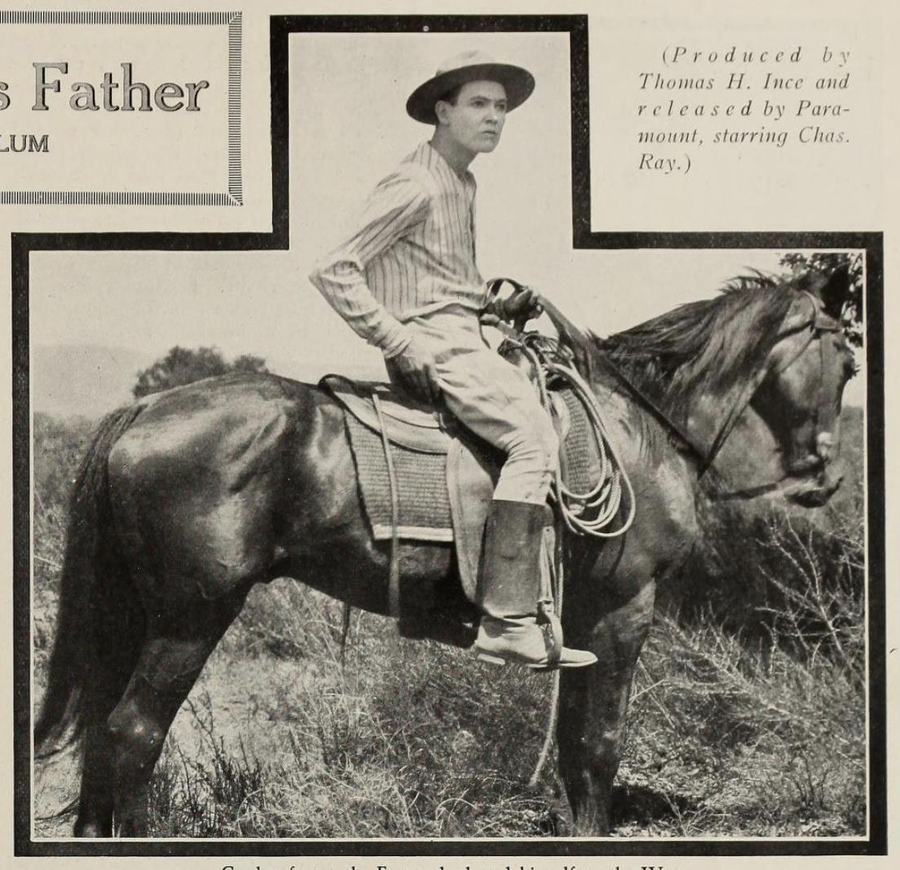
At the heart of this poignant drama lies the character portrayed by Charles Ray, a young man whose initial lack of discernible ambition is ironically the very catalyst for the unfolding catastrophe. Ray embodies this character with a nuanced vulnerability that makes his subsequent moral decline all the more heartbreaking. We witness a soul adrift, lacking clear direction, yet suddenly presented with an unprecedented opportunity: the financial backing of a devoted father, eager to see his son establish himself. This generous gesture, intended as a foundation for legitimate success, becomes instead a spring-board for reckless indulgence. The film masterfully illustrates how easily good intentions can be corrupted when placed in the hands of someone lacking a strong ethical compass. Ray's performance conveys a subtle, almost imperceptible shift, from a relatively benign aimlessness to a dangerous susceptibility, making his entanglement in the "shady railroad deal" feel disturbingly plausible. It's not a sudden plunge into villainy, but a gradual erosion of judgment, each small compromise paving the way for a larger, more egregious betrayal. This slow-burn descent is what gives the film its potent psychological edge, allowing the audience to witness the internal struggle (or tragic absence of one) that leads to his fateful choices. One might draw parallels to the characters grappling with complex moral choices in The Morals of Hilda, where personal ethics are tested against the currents of external pressure and self-interest. However, in "The Son of His Father," the stakes are arguably higher, as the very source of the opportunity becomes the target of the betrayal, turning filial love into a weapon of self-destruction. Ray's understated performance ensures that the son is not merely a villain, but a flawed human being whose poor decisions lead to devastating outcomes, making his trajectory all the more compelling and tragic.
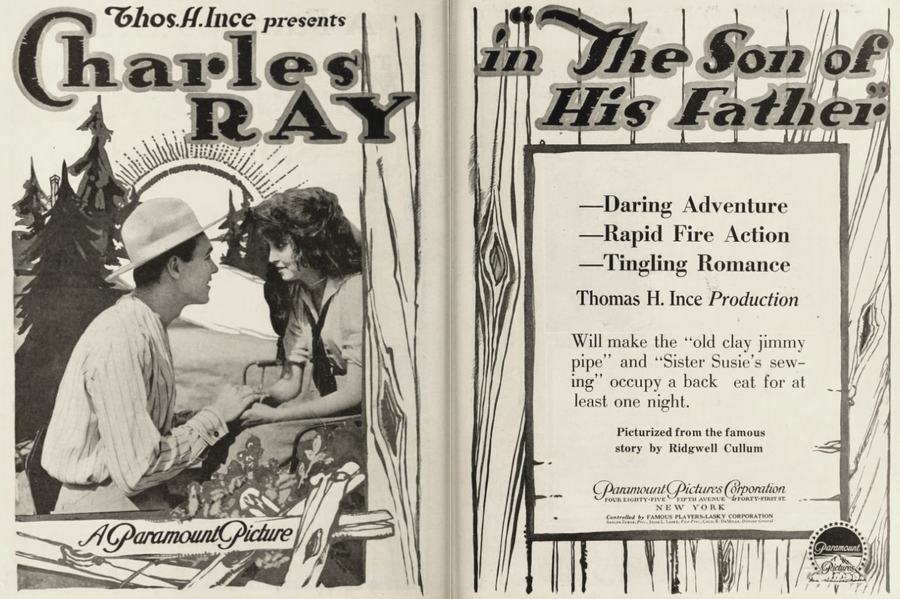
Contrasting sharply with the son's evolving moral ambiguity is the steadfast, almost stoic figure of the father, brought to life with profound gravitas by George Nichols. Nichols portrays a man of unwavering integrity and immense paternal love, a figure whose generosity is both his greatest strength and, ultimately, his most tragic vulnerability. His decision to provide financial support isn't born of blind indulgence, but a genuine desire to empower his son, to give him the tools to carve out a respectable future. The irony, of course, is that this very act of love is weaponized against him, becoming the instrument of his potential ruin. Nichols imbues the father with a quiet dignity that makes his eventual predicament all the more heart-wrenching. We see the slow dawning of realization, the crushing weight of betrayal, not expressed through histrionics, but through subtle shifts in posture, the weary gaze, the quiet despair that settles upon his features. It's a portrayal reminiscent of the steadfast characters in Jim Bludso, individuals who embody a certain moral fortitude even when faced with overwhelming adversity. The father's struggle isn't just financial; it's a deeply personal agony, a battle for his legacy, his reputation, and the very trust he placed in his own flesh and blood. The film poignantly asks: what happens when the very foundation of familial trust is not just shaken, but systematically dismantled from within? Nichols captures the essence of a man whose world is crumbling around him, yet who retains a core of honor, making his suffering profoundly impactful and resonating with a universal sense of injustice. His performance anchors the film, providing a moral compass against the son's spiraling choices, and elevating the drama beyond a simple cautionary tale into a truly moving human tragedy.
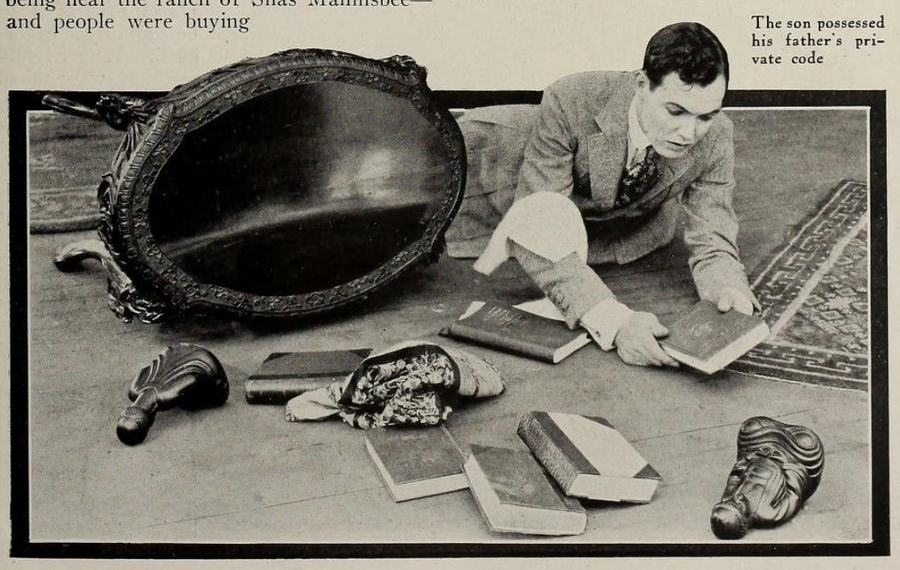
The "shady railroad deal" is not merely a plot device; it functions as a potent symbol of the corrupting forces at play during an era of rapid industrial expansion and burgeoning capitalism. It represents the allure of quick riches, the promise of power without principled effort, and the moral murkiness that often accompanies grand-scale enterprise. The narrative doesn't shy away from depicting the intricate, often opaque nature of such dealings, where lines between legitimate business and outright fraud become dangerously blurred. This element of intrigue and underhanded maneuvering brings to mind films like The Intrigue, where deception forms the very backbone of the plot, creating a labyrinth of secrets and double-crosses. However, in "The Son of His Father," the personal cost is amplified exponentially. The son's involvement isn't just a misstep; it's a direct assault on his father's standing, his investments, and potentially his very freedom. The film meticulously builds the tension around this illicit venture, demonstrating how seemingly minor ethical lapses can snowball into catastrophic consequences. It's a chilling reminder that the pursuit of unearned wealth often comes with an exorbitant price, one paid not just by the perpetrator, but by those closest to them. The details of the railroad deal, while perhaps not exhaustively explained, are sufficiently conveyed to establish the gravity of the situation: it's a house of cards built on deceit, threatening to collapse and take the innocent down with it. The film uses this business venture as a crucible, testing the moral fiber of its characters and exposing the precariousness of financial success built on questionable foundations. The visual language of the film, even in its silent form, would have conveyed the bustling, cutthroat world of such dealings, contrasting it with the quiet dignity of the father's established life, thereby amplifying the impending clash.
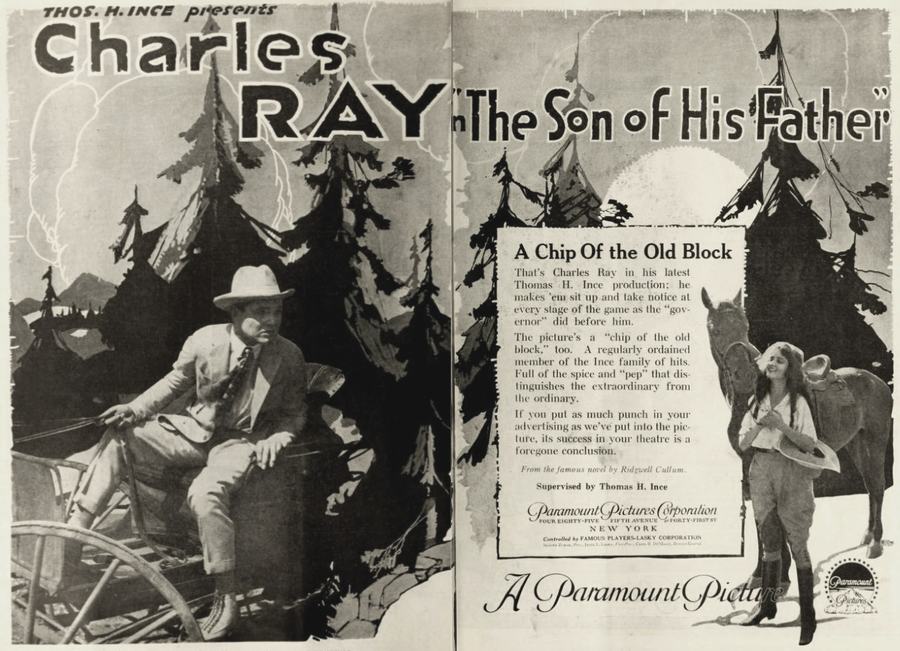
The central theme of betrayal pulsates throughout "The Son of His Father," a betrayal made all the more poignant by its familial context. This isn't just a business rival or an enemy; it's a son turning against the hand that fed him, the heart that loved him unconditionally. The film delves deep into the psychological toll of such an act, exploring the internal conflict (or perhaps the chilling lack thereof) within the son, and the profound anguish inflicted upon the father. The question of redemption looms large, much like in The Redemption of White Hawk, where characters are often faced with opportunities to atone for past transgressions. Yet, "The Son of His Father" presents a more ambiguous, perhaps more realistic, portrayal of human nature. Is redemption truly possible for someone who has so callously disregarded the welfare of their benefactor? The film challenges the audience to confront this uncomfortable question, refusing to offer simplistic answers. The gradual unfolding of the plot acts as a "writing on the wall", a stark premonition of the impending disaster, echoing the title of another compelling drama, The Writing on the Wall, where consequences loom large and unavoidable. The film's exploration of these themes is not merely didactic; it's deeply human, showing how easily one can fall prey to the 'demon and human' struggle within, a conflict so vividly explored in Dämon und Mensch. The son's choices, driven by a blend of weakness and avarice, create a moral chasm that threatens to swallow both him and his innocent father. The audience is left to grapple with the profound sadness of a love betrayed and the heavy cost of integrity, a cost the father is prepared to pay, even if it means sacrificing everything for his son's misguided actions, much like the weighty commitment in Der Eid des Stephan Huller - II.
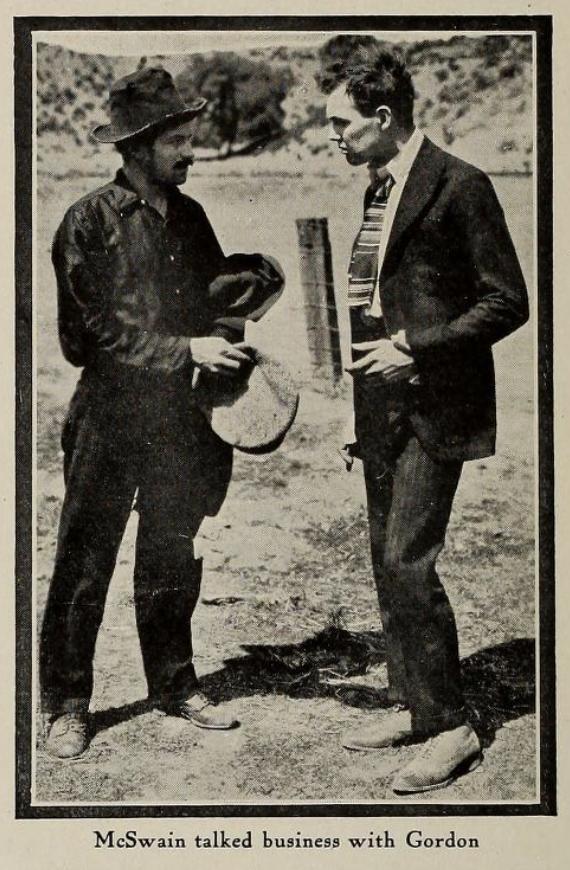
While specific directorial credits are not provided, one can infer from the film's powerful emotional resonance and coherent narrative that the creative vision behind "The Son of His Father" was both meticulous and insightful. The pacing, in particular, deserves commendation; it allows the tension to build organically, each scene contributing to the inexorable march towards climax. The film likely leveraged the visual storytelling techniques prevalent in its era, using expressive cinematography to convey mood and character psychology without relying solely on dialogue. Imagine the stark contrasts in lighting to highlight the father's moral clarity against the son's shadowy dealings, or the use of expansive sets to underscore the grand scale of the railroad venture and the smallness of the individual caught in its web. The visual language would have been crucial in conveying the growing sense of dread, perhaps with increasingly confined spaces for the father, or dark, imposing industrial backdrops for the son's illicit activities. The supporting cast, including Vola Vale and Robert McKim, would have played crucial roles in enriching this world, providing context and reaction to the central conflict. Their performances, even in smaller capacities, would have contributed to the film's immersive quality, pulling the audience deeper into the moral quagmire. The film's ability to maintain a sense of palpable dread and escalating stakes, much like the slow burn of a classic thriller, is a testament to strong narrative construction and direction. The attention to period detail, from costuming to set design, would have further grounded the story, making the moral dilemmas feel all the more immediate and authentic to its time. This careful craftsmanship ensures that the narrative, despite its age, retains its power to captivate and provoke thought, a true hallmark of enduring cinema.
"The Son of His Father" transcends its historical context to deliver a moral fable that remains strikingly relevant. It explores the eternal conflict between duty and desire, integrity and avarice, love and self-destruction. The film is a cautionary tale about the seduction of a The Golden Chance, an opportunity that promises much but delivers only ruin when seized without ethical consideration. Ridgwell Cullum's writing, the bedrock of this narrative, crafts a world where character is destiny, and where the sins of the son truly do threaten to be visited upon the father. The film's power lies in its unflinching portrayal of consequences, in its refusal to sugarcoat the devastation wrought by a son's reckless actions. It compels us to consider the intricate web of responsibility that binds families and communities, and how a single thread, once broken, can unravel the entire tapestry. The emotional depth achieved through the performances of Charles Ray and George Nichols ensures that this narrative is not merely an intellectual exercise but a deeply felt human drama. It forces us to ponder the nature of paternal love, its resilience, and its profound vulnerability in the face of betrayal. This is a film that lingers, prompting discussions about moral fortitude, the dangers of unchecked ambition, and the enduring strength required to uphold one's integrity when everything seems to be collapsing. It speaks to the universal human experience of seeking success, and the moral compromises sometimes made along the way, often with unforeseen and catastrophic repercussions. This timeless quality is what elevates the film beyond a simple period piece, making its message resonate across generations.
In an era where rapid industrial expansion often brought with it ethical ambiguities, "The Son of His Father" serves as a potent reflection of societal anxieties surrounding wealth, power, and familial duty. It's a powerful reminder that true prosperity is not merely financial, but is built upon the bedrock of trust, honor, and genuine human connection. The film, though from a bygone era, speaks with a timeless voice, urging us to consider the true cost of our ambitions and the sacred obligations we owe to those who have sacrificed for us. It's a cinematic experience that challenges, provokes, and ultimately, leaves an indelible mark on the viewer, ensuring its place as a significant work within the annals of dramatic cinema. The sheer weight of the father's potential downfall, the moral quandary of the son, and the intricate dance of deception and consequence make this film a compelling watch, inviting repeated viewings to uncover its deeper layers. It is, without hyperbole, a masterful depiction of human frailty and the enduring, often tragic, complexities of the family bond. The film's narrative structure, building tension with each revelation, creates an almost suffocating sense of impending doom, keeping the audience on edge until the final, impactful frames. This is a story that doesn't just entertain; it educates and challenges, prompting a reflection on our own values and the delicate balance between personal aspiration and ethical responsibility.
IMDb —
1936
Community
Log in to comment.