DbcultAccessing Vault...
Cult Review
Senior Film Conservator
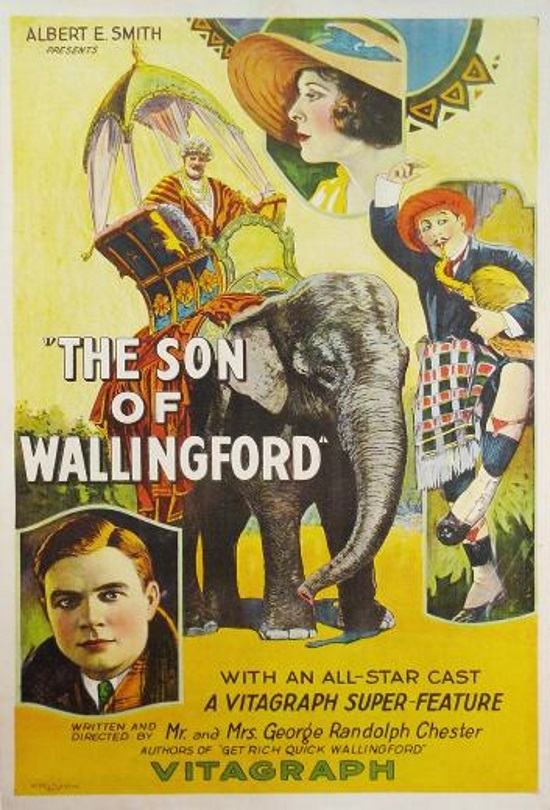
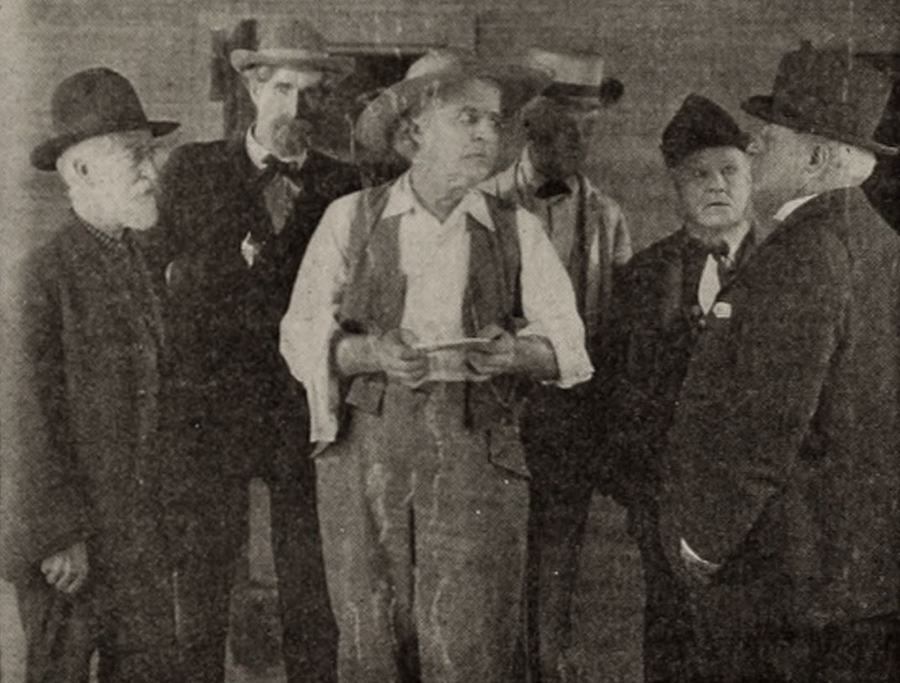
The film opens with Jimmy Wallingford, a young man whose parents suspect his nature mirrors their own dubious reputation, deciding to leave home with his adopted brother, Toad, in search of honest toil. Their arrival in a quiet village is met with skepticism, yet Jimmy’s heart is already captured by Mary Curtis, the daughter of the farm owner. Toad’s discovery of a promising oil seam beneath the Curtis property ignites hope, but their initial drilling efforts prove futile. The narrative pivots when J. Rufus Wallingford, Jimmy’s father, enters the scene disguised as an East Indian, pledging the village a future of prosperity through oil extraction. Together with his partner Blackie Daw, they purchase land from Henry Beegoode, claim to strike oil, and sell stock in the venture. Beegoode, however, denies any transaction, asserting the absence of a deed. A catastrophic oil fire nearly ensnares Jimmy and his friends, forcing J. Rufus to reveal the well was a scheme designed to expose Beegoode’s repeated fraud. Armed with a legitimate bill of sale, Jimmy ultimately strikes oil, fulfilling the promise of wealth and vindicating his family’s name.
Martha Mattox’s portrayal of the formidable Mrs. Wallingford exudes a quiet menace that underpins the family’s reputation. Van Dyke Brooke, as J. Rufus, delivers a nuanced performance that oscillates between paternal concern and opportunistic ambition, especially evident during his East Indian disguise—a comedic yet sharp critique of identity manipulation. Andrew Arbuckle, embodying Toad, offers a buoyant counterbalance, his comic timing a relief in the film’s tense moments. The supporting cast—Walter Rodgers, Priscilla Bonner, Margaret Cullington—contribute depth, each character reflecting facets of early 20th‑century societal attitudes toward entrepreneurship and morality.
The film’s visual language is unmistakably silent‑era, yet it carries an economy of composition that accentuates the narrative’s tension. The camera often frames characters against expansive landscapes, a deliberate choice that underscores the isolation of the village and the vastness of the oil frontier. Lighting is stark, with shadows cast over the oil rigs and the faces of the conspirators, reinforcing the moral ambiguity at play. The use of intertitles is sparingly poetic, with phrases such as “The earth holds secrets for those who dare to dig.” This poeticism elevates the film beyond mere slapstick, inviting audiences to contemplate the cost of ambition.
The film deftly explores the fluidity of identity through J. Rufus’s East Indian disguise. This masquerade is not merely comedic; it interrogates the performative nature of social status and the lengths to which individuals will go to secure economic advantage. The deception extends to the oil venture itself: the well is a deliberate trap set to expose a swindler, reflecting a moral lesson that truth ultimately prevails. The narrative also examines the tension between inherited reputation and personal agency, as Jimmy’s journey is shaped by both his lineage and his choices.
Released in 1915, the film arrives at a time when the United States was experiencing rapid industrial growth and a burgeoning fascination with oil. The storyline mirrors contemporary anxieties about speculative ventures and the exploitation of natural resources. The film’s portrayal of a fraudulent land deal resonates with the era’s frequent legal disputes over property rights, making it both a product of its time and a prescient commentary on the perils of unchecked capitalism.
When juxtaposed with Beyond the Great Wall, the film shares a thematic preoccupation with the clash between tradition and modernity, though it approaches the subject from a more comedic lens. The satirical tone parallels The Hell Cat, where humor is employed to critique social norms. In contrast, the dramatic undercurrents of Joan of Plattsburg provide a more earnest exploration of female agency, a dimension less pronounced in The Son of Wallingford but subtly hinted through Mary’s resilience.
George Randolph Chester’s screenplay showcases a masterful balance between plot progression and character development. The narrative unfolds in clear, well‑timed acts: the arrival of the protagonists, the initial failure, the deceptive incursion, the climactic fire, and the resolution. The pacing is brisk, yet each scene is given ample space to breathe, ensuring that audiences remain engaged without feeling rushed. The director’s choice to intersperse action with reflective intertitles allows for a deeper emotional resonance, especially in moments of moral reckoning.
The set design convincingly captures the rustic ambience of a rural oil boom town, with wooden rigs and oil derricks rendered in meticulous detail. The authenticity of the oil drilling process is notable, given the technological constraints of the era. Costume design further enhances the period feel, with characters donning attire that reflects both their social standing and the practical demands of their environment.
Contemporary reviews praised the film for its engaging storyline and sharp social commentary, while modern scholars regard it as a significant artifact that captures the zeitgeist of early 20th‑century America. Its blend of comedy, drama, and moral inquiry continues to resonate with audiences, affirming its place in the silent film canon.
The Son of Wallingford stands as a testament to the silent era’s capacity for nuanced storytelling, deftly weaving humor with ethical scrutiny. Its exploration of identity, deception, and the pursuit of prosperity offers a timeless reflection on the human condition. The film’s enduring relevance is evident in its continued study by film historians and its influence on subsequent cinematic explorations of similar themes. Its legacy endures as a shining example of early cinema’s power to entertain while provoking thoughtful reflection on society’s evolving values.
IMDb 7.4
1921
Community
Log in to comment.