DbcultAccessing Vault...
Cult Review
Senior Film Conservator
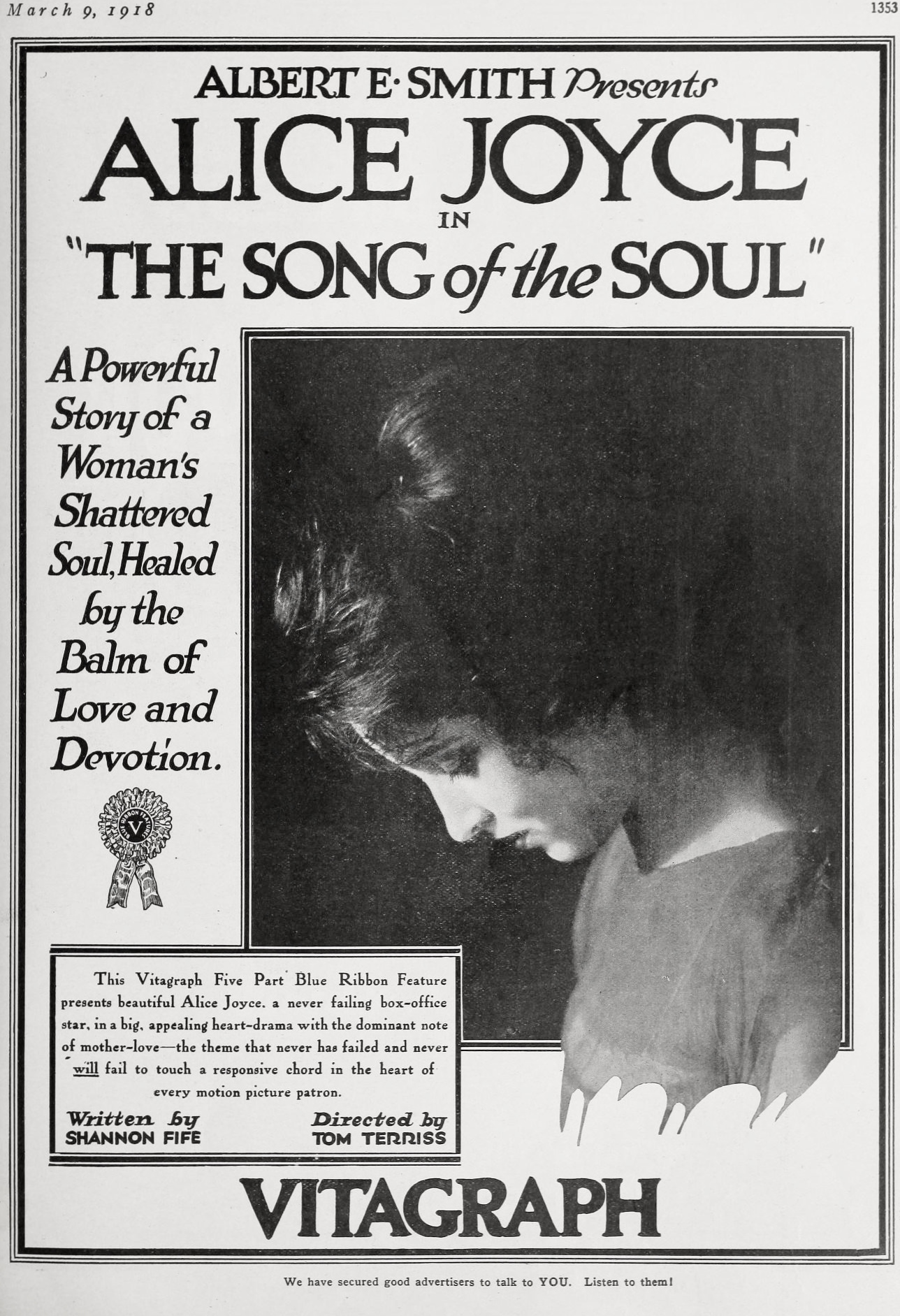
Ink the year 1923 onto the edge of a worn reel and watch nitrate blossom into bruised lullabies and brassy crescendos—The Song of the Soul is that rare silent melodrama which refuses to whimper; it sings, cracks, then sings clearer.
Director Tom Terriss, armed with Shannon Fife’s scalpel-sharp scenario, strips the gilt from marriage-minded fairy tales until only corroded brass remains. Ann Fenton—played by Alice Joyce with eyes like blown glass—enters in bridal white so luminous it could blind the camera. Within minutes the veil is torn: her “husband” is a riverboat card-shark, already wedded to another, his pocketwatch ticking toward a murder rap instead of a mortgage.
The cruelty isn’t the reveal; it’s the bureaucratic aftermath. A benevolent society—those iron-maiden angels of uplift—snatch her child, slap an apprenticeship papers onto the tiny fingers, and deliver the boy to a farmer who wields a harness strap like a conductor’s baton. Cue seven years of intertitles that sting like nettles: “The law gave no shelter to the unwed mother.”
Joyce ages her character without hamminess: shoulders fold inward, the mouth firms, the once-bewildered gaze now inventories every exit. Bernard Siegel’s Fenton slouches back into frame like a debt collector—same slicked hair, but panic now twitches at the corners. Their reunion in a rain-slick alley (shot through slatted shadows worthy of Black Orchids) is staged in a single, unbroken medium shot: two ghosts negotiating the sale of yesterday’s sins.
Salvation arrives not via deus-ex-machina but through a modest engineer, Stephen Carr, whose stolid decency is the film’s quiet radical act—he courts Ann knowing every scar. Their civil ceremony, rendered in a lingering close-up on joined work-worn hands, feels more revolutionary than any flapper Charleston. When the reclaimed son calls the engineer “Father,” the orchestra swells with a leitmotif that threads harp, cello, and solo flute into a sonic sunrise.
Visually, Terriss and cinematographer F.R. Buckley exploit tinting like emotional chord changes: amber hearth-glow for maternal warmth, sickly green when the gambler prowls, a final cobalt-blue dusk as Fenton is hauled off to prison. The palette alone could teach a semester on silent-era semantics.
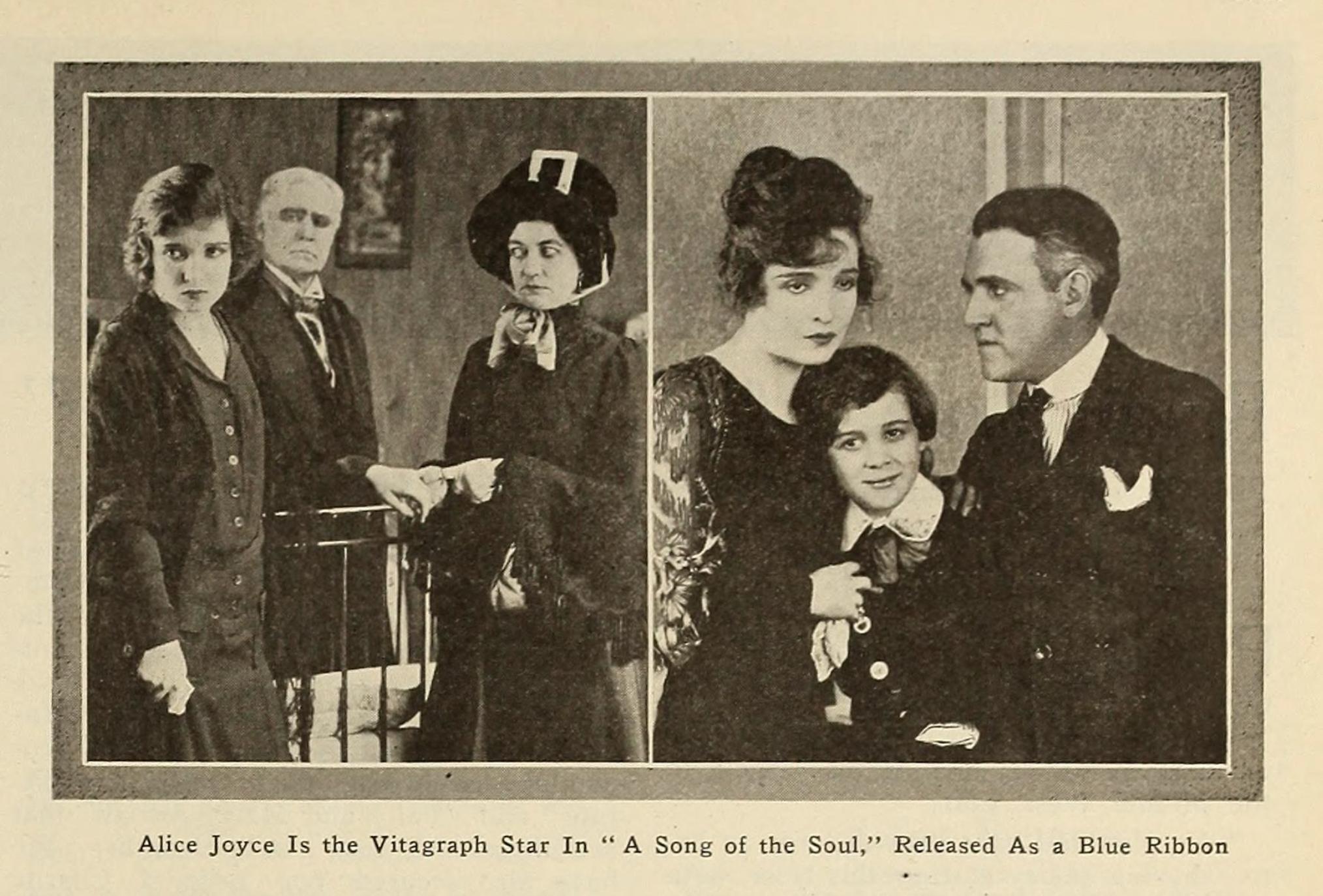
Acting styles diverge fascinatingly. Joyce underplays; her stillness invites us to project oceans onto her face. Meanwhile Edith Reeves, as the society matron who engineers the child-snatch, works in semaphore eyebrows and pursed disapproval—the film’s necessary vinegar. Walter McGrail’s sadistic farmer is pure Caligari silhouette, all elbows and belt-buckles. Their contrasting registers create a polyphonic tension rather than cacophony.
Compare it to The Kid and you’ll notice both films weaponize maternity against institutional cruelty, yet Chaplin’s tramp turns sainthood into slapstick where Terriss prefers the minor key. Or stack it beside Joan the Woman: both heroines burned by patriarchal pyres, but Joan dies for principle while Ann lives for progeny—equally mythic, diametrically opposed.
The film’s ethical kicker? Redemption is communal, not solitary. Ann’s reclamation of voice—literally humming the titular lullaby over her sleeping children—requires a lattice of lawful love, honest wage, and civic justice. The gambler’s doom feels less like moral retribution than structural inevitability; the house always wins, but sometimes the house is the state.
Musical accompaniment in the 2020 restoration by Mimi Harmer deserves applause: the climactic reprise of “The Song of the Soul” migrates from diegetic lullaby to orchestral apotheosis without a mickey-mouse cliché. Listen for the contrabassoon that doubles Fenton’s footfalls—an aural shadow that whispers, you can outrun a man, not the past.
Faults? A middle-reel courtroom montage relies too heavily on title-card exposition, and one subplot involving a stolen brooch evaporates without payoff. Yet these are flecks on an otherwise burnished chestnut.
Final reel leaves us with an image as indelible as any in silent cinema: mother and lawful husband framed in a doorway, child between them, while a paddy-wagon rattles into fog. The camera lingers, refuses to follow the villain. The message—chiseled in light—claims happiness is not the absence of monsters but the presence of witnesses who believe your song.
In today’s algorithmic morass of reboots, The Song of the Soul offers something radical: a belief that social contracts can heal when honored, that a woman’s narrative arc needn’t climax with a femme-fatale pistol but with a lullaby strong enough to hush generational trauma. Stream it, project it, let its tinting stain your retinae; you’ll exit humming in colors you didn’t know existed.
IMDb —
1920
Community
Log in to comment.