DbcultAccessing Vault...
Cult Review
Senior Film Conservator
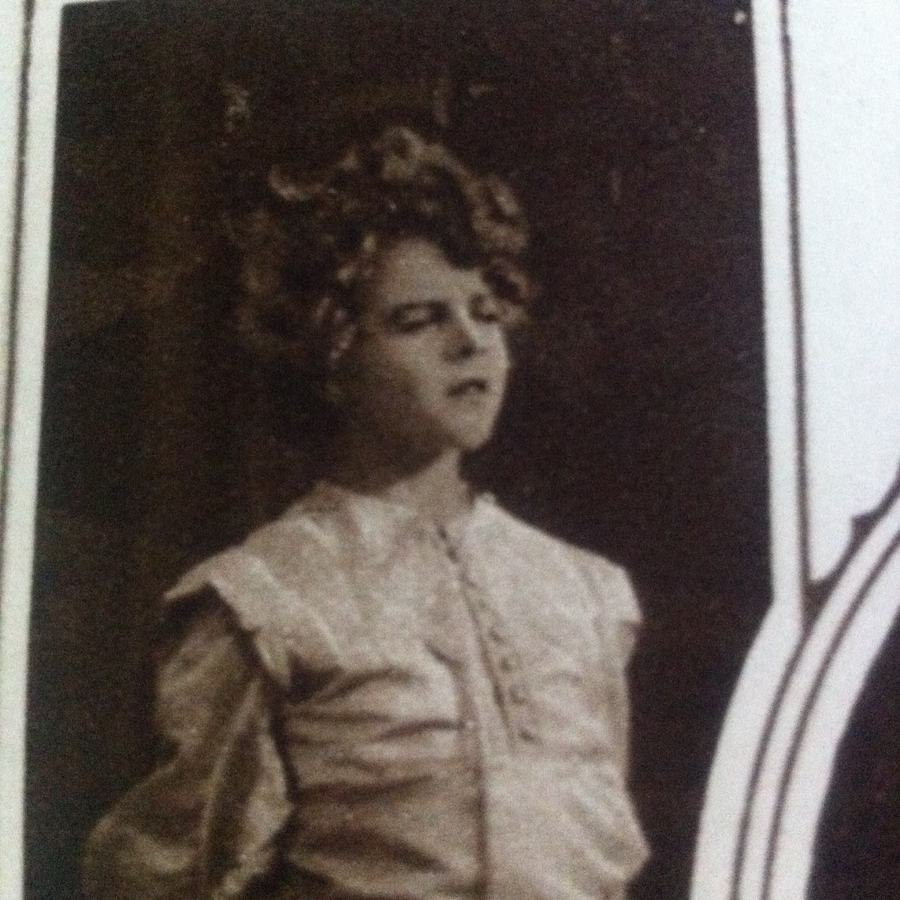
There are certain cinematic experiences that transcend mere storytelling, delving instead into the very soul of historical drama, carving out a space in the collective memory that few films manage to occupy. 'The Royal Oak,' a silent-era gem, stands as a testament to this enduring power, a narrative spun from the threads of peril, loyalty, and an audacious act of self-sacrifice. Helmed by the creative vision of writers Henry Hamilton, Lucita Squier, and Augustus Harris, this film doesn't just recount history; it imbues it with a vibrant, pulsating life, drawing viewers into a bygone era fraught with political intrigue and the desperate struggle for survival. The very premise—a royalist lady posing as the king to facilitate his escape—is a masterclass in tension, a concept that immediately grips the imagination and refuses to let go.
At the heart of 'The Royal Oak' lies the formidable performance of Blanche Walker, whose portrayal of the unnamed, courageous royalist lady is nothing short of captivating. Her character isn't merely a plot device; she is the emotional fulcrum upon which the entire narrative balances. Walker masterfully conveys the internal fortitude required for such a monumental deception, her subtle expressions speaking volumes in the absence of dialogue. We witness the burden of her disguise, the ever-present threat of discovery etched onto her features, yet beneath it all, an unyielding resolve shines through. This is not simply a woman playing a man; it is a woman embodying the very essence of kingship—its vulnerabilities, its responsibilities, and its inherent dangers—to save the actual monarch. Her performance elevates the film beyond a simple historical adventure, transforming it into a poignant study of duty and identity. It recalls, in a thematic sense, the profound personal cost of political maneuvering seen in films like El otro, where the swapping of identities carries immense emotional and existential weight, albeit in a vastly different context.
Opposite Walker, Rolf Leslie delivers a nuanced performance as the imperiled king. His portrayal captures the precariousness of his position, the weariness of a monarch on the run, yet also the inherent dignity that defines his station. Leslie's king is not a passive figure; he is a man grappling with the immense pressure of his lineage and the dire consequences of failure. The chemistry between Walker and Leslie, though often unspoken, is palpable, underscoring the high stakes of their shared endeavor. The supporting cast further enriches this historical tapestry. Thurston Hall, Peter Dear, Betty Compson, Henry Ainley, Henry Victor, Clive Brook, Dallas Cairns, and Bertie Wright each contribute to the film's immersive atmosphere, crafting a world teeming with loyalists, traitors, and ordinary citizens caught in the maelstrom of political upheaval. Their collective efforts create a believable backdrop for the central drama, ensuring that every close call and every moment of suspense feels genuinely earned. The meticulous attention to period detail, from costuming to set design, is evident throughout, transporting the audience directly into the heart of the conflict.
One of the most remarkable aspects of 'The Royal Oak' is its sophisticated use of silent film techniques to convey a complex narrative. The pacing is expertly handled, oscillating between moments of breathless suspense and periods of quiet, contemplative tension. The visual storytelling is paramount, with camera angles and editing choices working in concert to heighten the drama. Close-ups on Walker's face, for instance, are particularly effective in communicating her inner turmoil and resolve, while wider shots establish the grandeur and danger of the historical setting. The use of intertitles is judicious, providing necessary exposition without interrupting the flow of the visual narrative. This careful balance ensures that the audience remains fully engaged, piecing together the narrative through a combination of subtle gestures, dramatic action, and well-placed textual cues. In an era where cinematic language was still evolving, 'The Royal Oak' demonstrates a remarkable maturity in its craft, proving that powerful stories need not rely on spoken words to resonate deeply. It is a testament to the directorial vision that such intricate plotting and emotional depth are conveyed with such clarity and impact, showcasing an understanding of visual grammar that was ahead of its time.
Beyond the thrilling plot, 'The Royal Oak' delves into profound thematic territory. The most prominent theme is, undoubtedly, sacrifice. The royalist lady's willingness to risk her life, freedom, and even her identity for the sake of the crown is a powerful exploration of altruism and devotion. This echoes the profound sacrifices depicted in films like Glory, where individuals dedicate themselves wholeheartedly to a cause far greater than themselves, often at immense personal cost. Furthermore, the film interrogates the very nature of identity. When the lady assumes the king's guise, she doesn't just wear his clothes; she attempts to inhabit his essence, blurring the lines between who she is and who she must pretend to be. This duality creates a fascinating internal conflict, a tension between the private self and the public persona, a theme that remains perennially relevant in cinema. The weight of the crown, both literally and metaphorically, is another central concern. The film portrays kingship not as a mere privilege, but as a heavy burden, fraught with danger and demanding immense personal fortitude. The king's escape is not just about saving a man; it's about preserving a lineage, a symbol, and the very hope of a nation. The film subtly suggests that true royalty lies not just in birthright, but in the courage to endure and the loyalty one inspires.
'The Royal Oak' draws its inspiration from a rich vein of British history, specifically the dramatic escape of King Charles II after the Battle of Worcester in 1651. While the film takes creative liberties, as is often the case with historical dramas, it captures the spirit of the era—the fierce divisions, the clandestine movements, and the enduring loyalty of certain subjects. This blend of historical backdrop and dramatic embellishment allows the film to resonate on multiple levels: as an exciting adventure story and as a reflection on a pivotal moment in national history. For cinephiles and historians alike, it offers a fascinating glimpse into how such events were dramatized for early 20th-century audiences. Its place in cinematic legacy is significant, showcasing the capabilities of silent film to tackle complex historical narratives with grace and intensity. One might draw parallels to the high-stakes, evasive actions depicted in Going Straight, where characters must navigate treacherous circumstances to evade capture and maintain their hidden identities. While the contexts are worlds apart, the underlying tension of pursuit and the ingenuity required for escape form a compelling common thread.
In an age dominated by sound and spectacle, revisiting a film like 'The Royal Oak' is a refreshing reminder of the enduring power of pure visual storytelling and compelling character work. It eschews modern cinematic flourishes for a more direct, emotionally resonant approach that relies on the actors' prowess and the strength of the narrative. The film's ability to maintain a gripping sense of suspense throughout its runtime is a testament to the skillful direction and the inherent drama of its premise. It's a story that speaks to universal themes of courage, loyalty, and the extraordinary acts ordinary people are capable of when faced with extraordinary circumstances. The dedication of the writers, Henry Hamilton, Lucita Squier, and Augustus Harris, to crafting such a detailed and engaging plot is evident in every frame, demonstrating a deep understanding of historical drama and its potential for cinematic expression. The careful construction of the narrative ensures that each twist and turn feels organic, propelling the story forward with an irresistible momentum. This isn't just a historical piece; it's a timeless human drama.
What makes 'The Royal Oak' continue to captivate audiences decades after its release? Perhaps it's the sheer audacity of the central premise, the thrilling tension of a monarch's life hanging by a thread, or the profound human drama of a woman's unwavering commitment. It's a film that demands active engagement from its audience, inviting them to interpret the subtle cues and emotional landscapes painted by its performers. The historical period, with its inherent drama and high stakes, provides a rich canvas, but it's the human element—the fear, the hope, the determination—that truly resonates. The film serves as a powerful reminder that heroism often manifests in unexpected forms and from unexpected quarters. It celebrates not just the king, but the unsung heroes who risked everything for their beliefs. The meticulous reconstruction of the period, coupled with the compelling performances, ensures that 'The Royal Oak' remains a vital piece of cinematic history, a beacon of silent film excellence that continues to inspire and entertain. Its narrative complexity, coupled with its emotional depth, marks it as a work of considerable artistic merit, solidifying its position as a classic that warrants rediscovery. This is a film that doesn't just tell a story; it invites you to live it, to feel the chill of danger and the warmth of unwavering loyalty, leaving an indelible mark long after the final frame fades to black. Its intricate plotting and character development stand as a testament to the capabilities of early cinema to craft narratives that are both historically informed and deeply human.
IMDb 5.7
1933
Community
Log in to comment.