DbcultAccessing Vault...
Cult Review
Senior Film Conservator
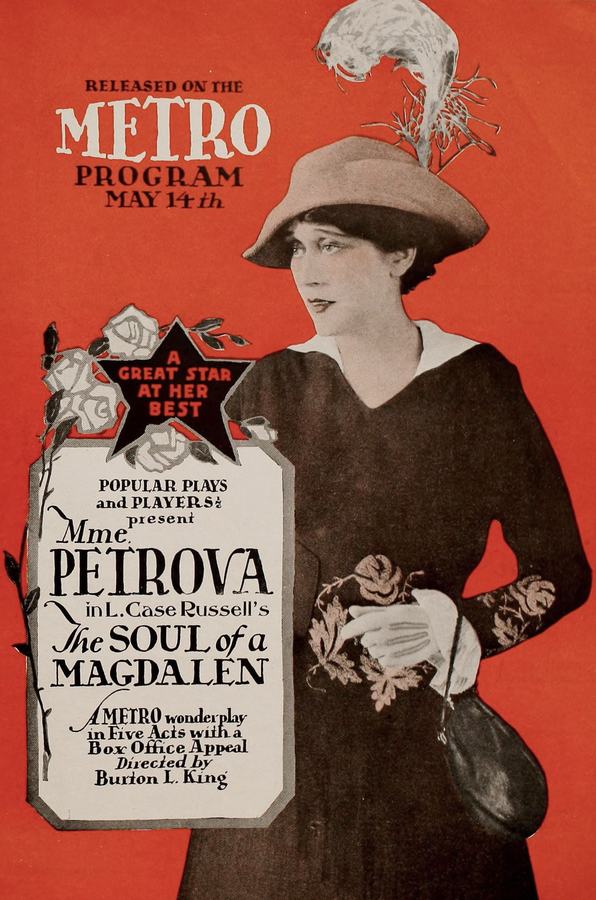
In the nascent years of the American silent screen, few figures commanded the frame with as much haunting gravitas as Olga Petrova. Her presence in The Soul of a Magdalen (1917) is not merely a performance; it is an architectural feat of emotional nuance. Directed with a keen eye for the social hypocrisies of the era, the film transcends the typical 'fallen woman' melodrama to become a searing indictment of economic desperation and the rigid moralism of the early 20th century. While many contemporary critics might dismiss such plots as archaic, a closer inspection reveals a narrative complexity that rivals modern psychological dramas like The Rise of Jenny Cushing.
Lillian Case Russell’s screenplay provides a sturdy skeleton for this exploration of sacrifice. The story begins in the claustrophobic grip of poverty. Heloise Broulette, played by Petrova with a subterranean intensity, is the sole bulwark against the total collapse of her family. Her mother is dying; her brother is physically incapacitated. The world offers her no avenues for salvation that do not require the sacrifice of her own personhood. Enter Leland Norton, a character whose villainy is not found in mustache-twirling theatrics, but in the cold, calculated exploitation of a woman’s vulnerability. This is the central tragedy of the film: the currency of survival is Heloise herself.
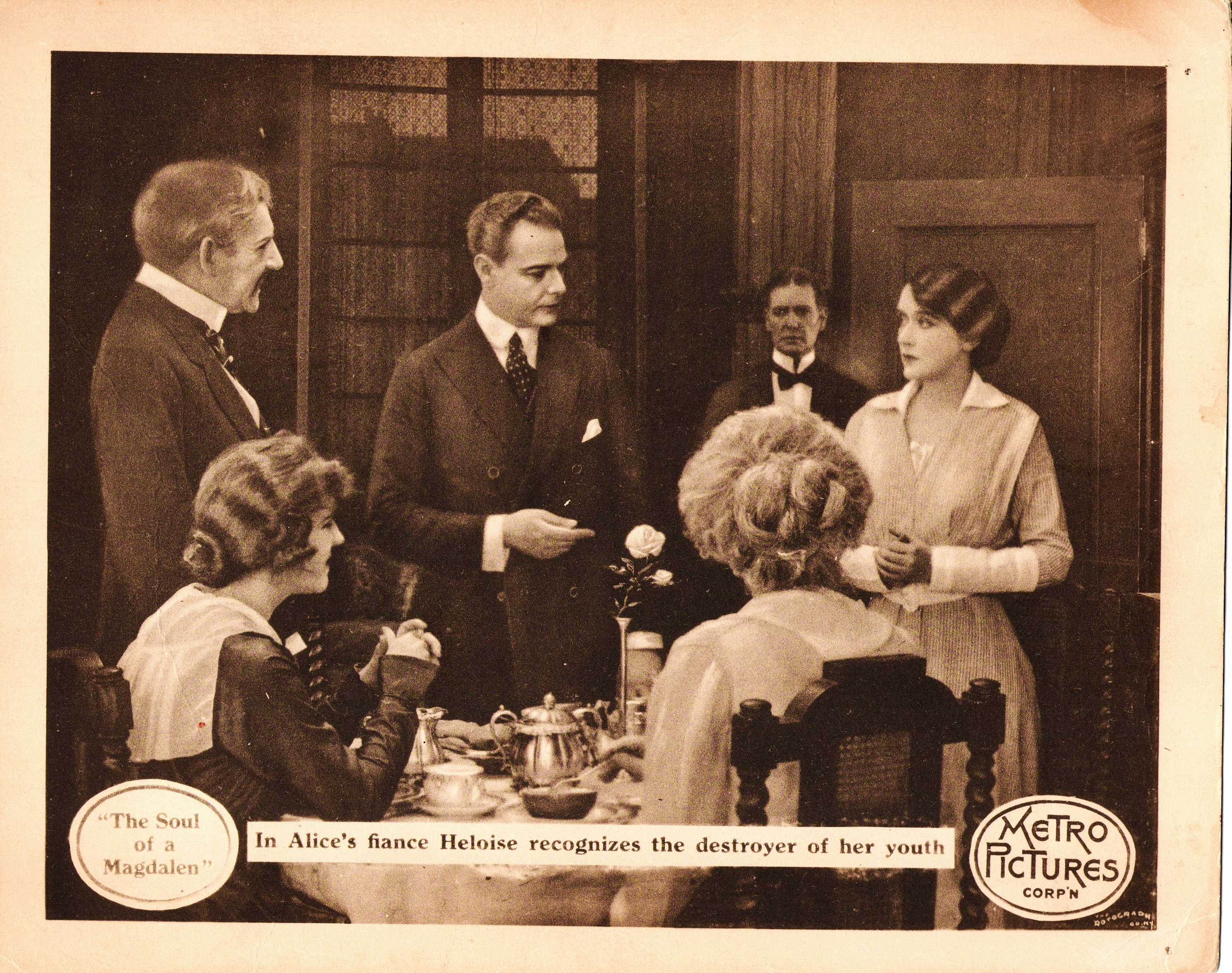
The narrative pivot occurs when Heloise accepts Norton's patronage. This isn't a choice born of desire, but of a brutal utilitarianism. The operation for her mother is funded by the 'wages of sin,' a concept the film handles with surprising sensitivity. Unlike the more moralistic The Eleventh Hour, which often deals in binary ethics, The Soul of a Magdalen lingers in the grey areas. The mother’s recovery is bittersweet, a temporary reprieve purchased at a cost that eventually proves more fatal than the illness itself. When the truth emerges, it acts as a psychological rupture. The mother's death upon learning the source of the money is a trope of the era, yet here it feels earned—a testament to the crushing weight of societal shame that could literally stop a heart.
Petrova’s transition from the city’s shadows to the rural cleanliness of the country provides a visual and thematic shift. As she becomes a secretary to Carter Vail, the film shifts its palette. The cinematography, even within the constraints of 1917 technology, manages to evoke a sense of rebirth. Yet, the past in silent cinema is never truly buried; it is a ghost that haunts the periphery, much like the lingering secrets in The Silent Lie. The introduction of Carter Vail, an author, allows for a meta-textual commentary on the stories we tell about women and the 'souls' we assign them based on their histories.
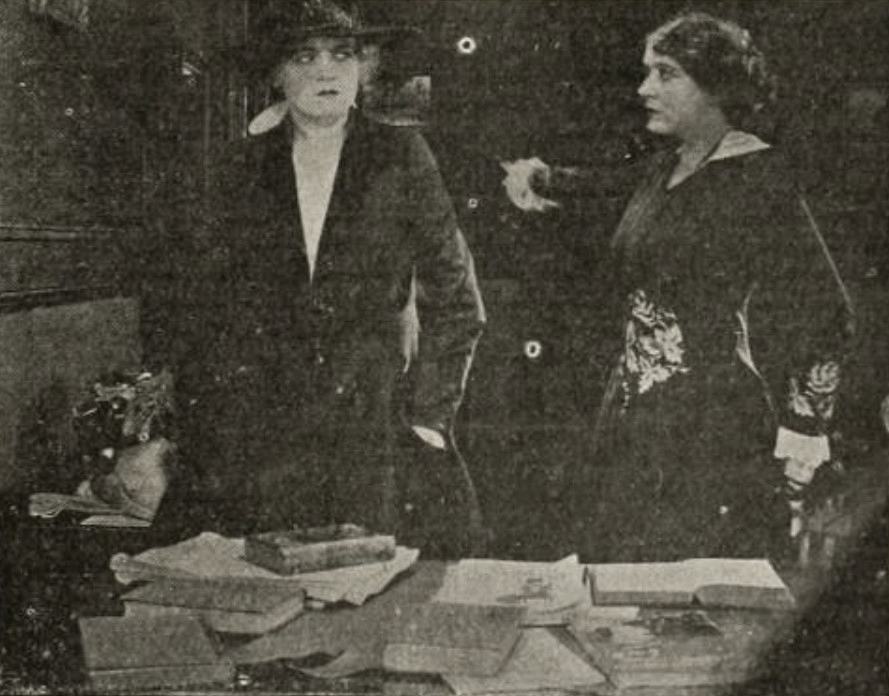
The arrival of Alice, Vail’s sister, and her subsequent infatuation with the predatory Norton, sets the stage for the film’s moral climax. This is where Heloise’s character truly ascends to the 'Magdalen' archetype. She is no longer merely a victim of circumstance; she becomes an agent of salvation for another. Her decision to intervene and save Alice from Norton is an act of supreme irony: she must risk her own hard-won respectability and the love of Carter Vail to prevent another woman from falling into the same trap she once occupied. It is a subversion of the 'vamp' persona that Petrova was often associated with; here, her knowledge of the darkness is the very tool she uses to protect the light.
Norton’s revenge is swift and predictable, yet the film’s resolution is anything but. When he exposes Heloise’s past to Vail, the audience expects the typical Victorian rejection. Instead, Vail’s reaction provides the film with its most modern and resonant moment. His declaration that she possesses the 'soul of a Magdalene'—a soul purified through suffering and sacrifice—rejects the external judgment of society in favor of an internal, spiritual truth. This thematic depth is reminiscent of the moral inquiries found in The Hidden Scar, where the past is a crucible rather than a life sentence.
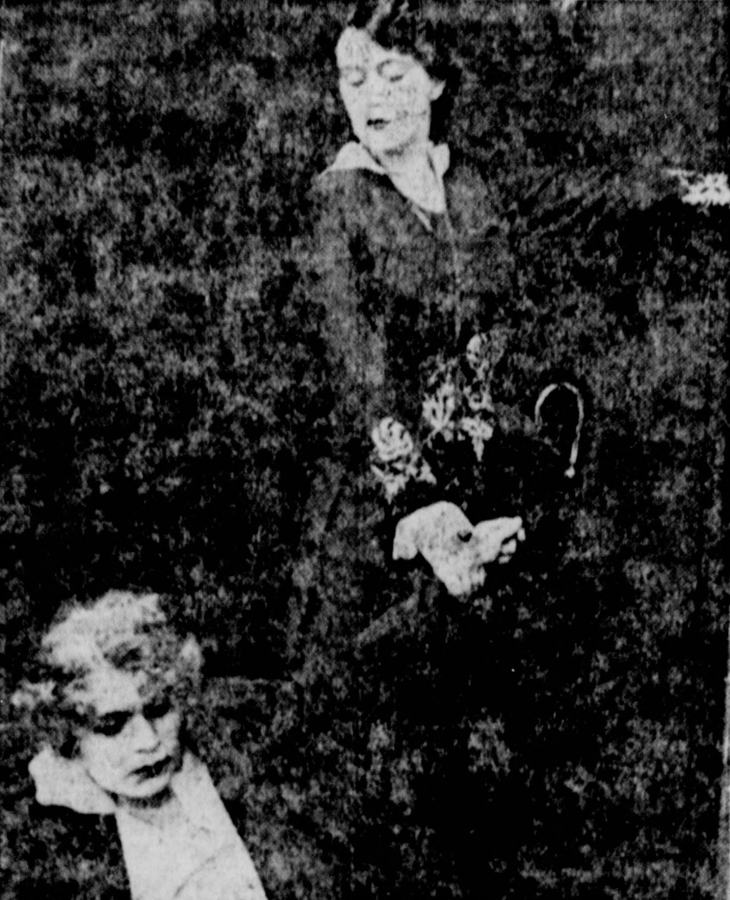
Visually, the film utilizes the contrast between the urban and the pastoral to great effect. The city scenes are often cluttered, filled with the claustrophobia of poverty and the decadent traps of the wealthy. In contrast, the country scenes are open, airy, and filled with a light that seems to emanate from Petrova herself. The lighting design, though primitive by today's standards, uses shadows to emphasize the duality of Heloise’s existence—the 'Magdalen' hiding within the 'Secretary.' The film’s pacing is deliberate, allowing the emotional beats to breathe, a technique that was becoming more refined in films like Mortmain.
One cannot discuss The Soul of a Magdalen without acknowledging the supporting cast. Wyndham Standing as Carter Vail provides a grounded, intellectual counterpoint to Petrova’s ethereal intensity, while Mahlon Hamilton’s Leland Norton is a masterclass in the 'charming' villainy that makes the character so dangerous. Their performances, combined with Lillian Case Russell’s sharp dialogue (conveyed through evocative intertitles), elevate the production above the standard fare of the time. The film avoids the simplistic resolutions of Her Official Fathers, opting instead for a conclusion that feels both spiritually and emotionally earned.
Ultimately, The Soul of a Magdalen is a film about the reclamation of agency. Heloise Broulette begins the film as a woman to whom things happen—a victim of poverty, a victim of Norton, a victim of her mother’s death. By the final reel, she is a woman who makes things happen. Her sacrifice for Alice is a choice made with full knowledge of the consequences, and Vail’s acceptance is a validation of that agency. It is a powerful message that still resonates, suggesting that our past does not define us as much as our responses to it do. In the pantheon of silent cinema, this film stands as a testament to the power of the female perspective, both in front of and behind the camera.
For those interested in the evolution of the melodrama and the 'fallen woman' genre, this film is essential viewing. It bridges the gap between the moralistic fables of the early 1910s and the more nuanced character studies that would emerge in the 1920s. It shares a certain DNA with The Flower of No Man's Land in its exploration of women in precarious social positions, but it pushes the boundaries of forgiveness and redemption much further. The Soul of a Magdalen remains a poignant, visually arresting, and intellectually stimulating piece of cinematic history that deserves a prominent place in the conversation about the silent era's legacy.

IMDb —
1920
Community
Log in to comment.