DbcultAccessing Vault...
Cult Review
Senior Film Conservator
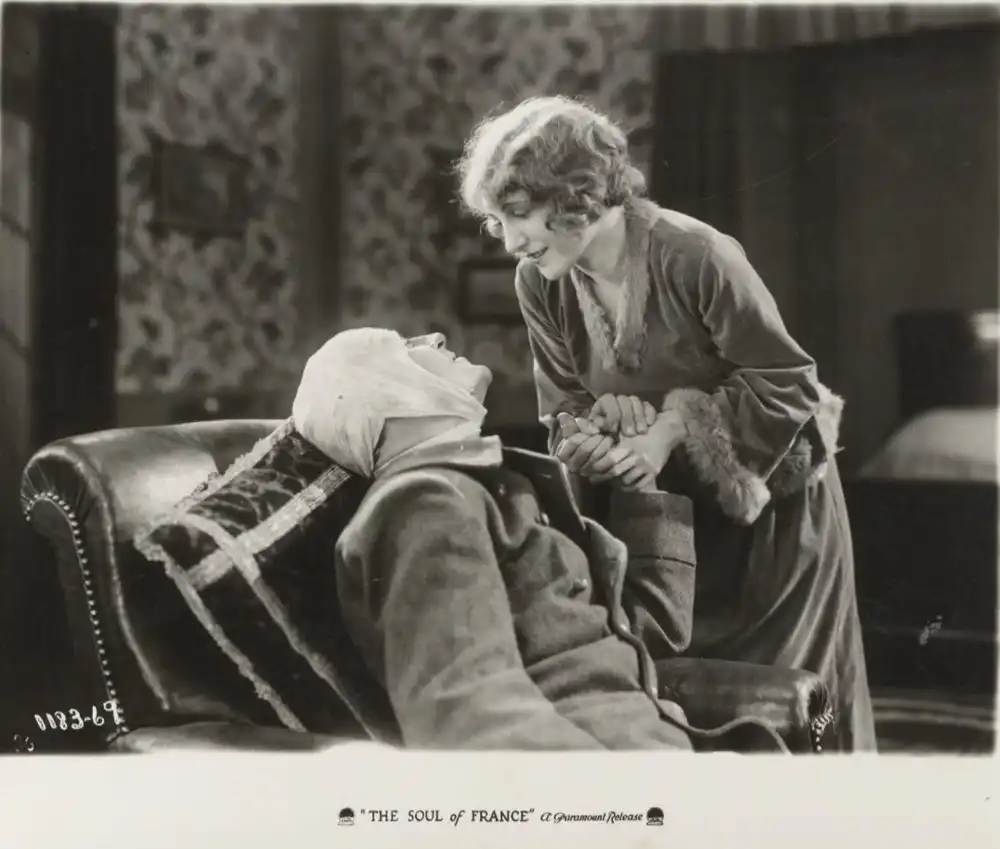
Okay, so The Soul of France. If you’re into really old films, like, *really* old, this might be a curiosity. A genuine historical artifact, for sure. For pretty much everyone else, it’s a hard skip. Seriously. It’s for the dedicated archivist or maybe someone obsessed with Georges Le Faure’s early work. The rest of us? You'll struggle.
The acting style, oh boy. It’s something else. So much gesturing, you know? Every emotion feels like a *grand pronouncement*, like they’re performing for the very back row of a massive, echoing theater, even in the closest shots. You can almost feel the stage.
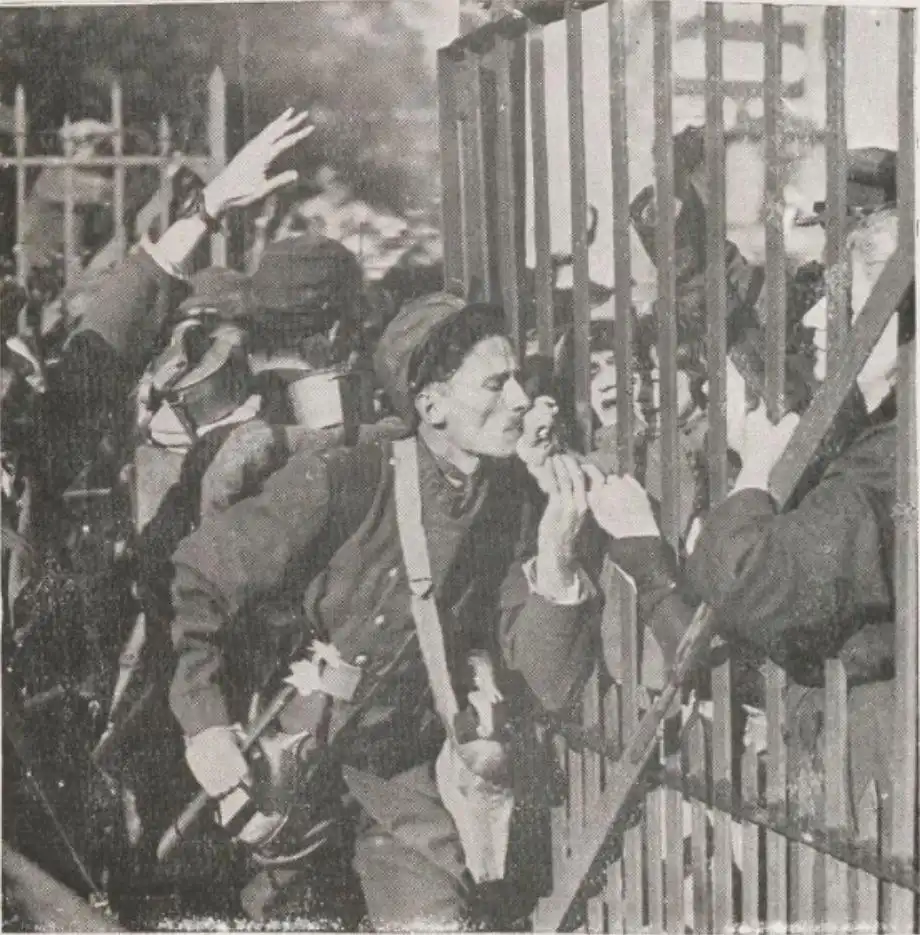
There’s this bit with Maxime Desjardins, and he just… stares off into the middle distance for what feels like an absolute eternity. Is he sad? Contemplative? Just waiting for his cue? It’s genuinely hard to tell what he’s going for. Just a long, unblinking gaze. 👁️
The sets are sparse. I mean, *really* sparse. You get a painted backdrop, maybe a table or two, and that's meant to be a bustling Parisian cafe. It makes you really appreciate how much production design has evolved. Or how much was left to the imagination back then.
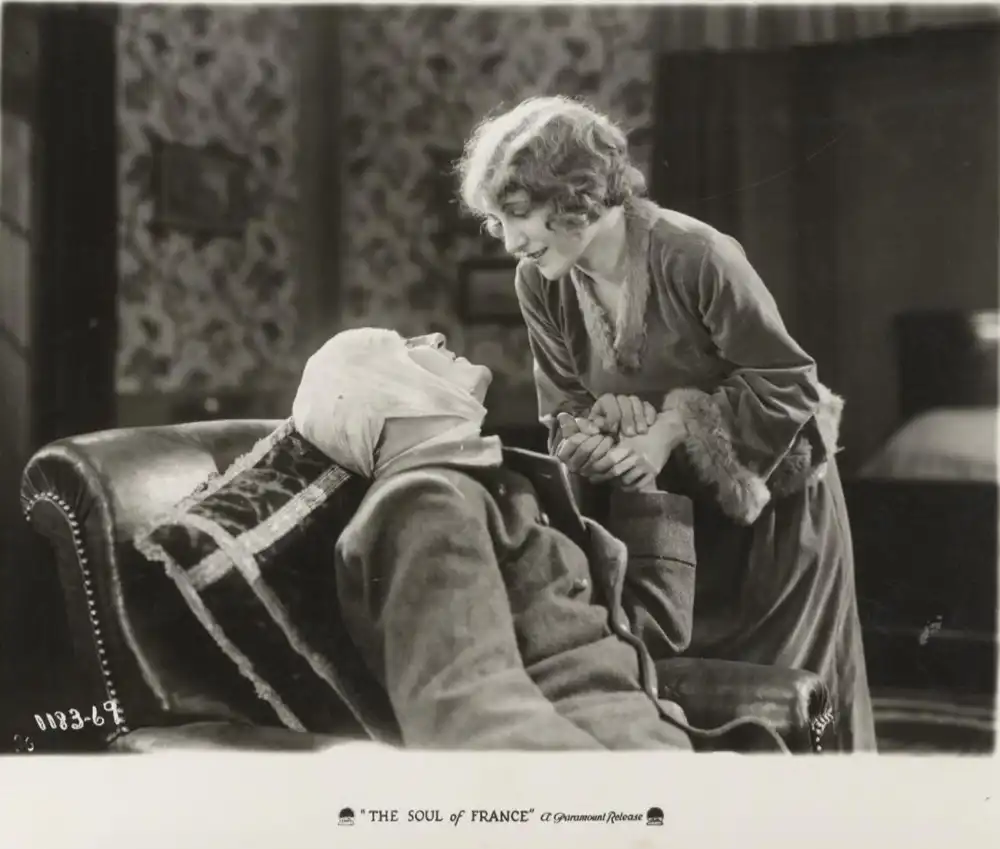
The camera often feels like it's glued down to the floor. Not much movement at all. Just these long, static shots. You have to really *lean in* to try and find where the action, if any, is happening sometimes. It’s a very different viewing experience than modern films.
I kept wondering about the "soul" part of the title. Is it the countryside? The resilience of the people? They do show a lot of fields. So many fields. And maybe a village church or two. Very French, in a particular, almost postcard-like way. 🇫🇷
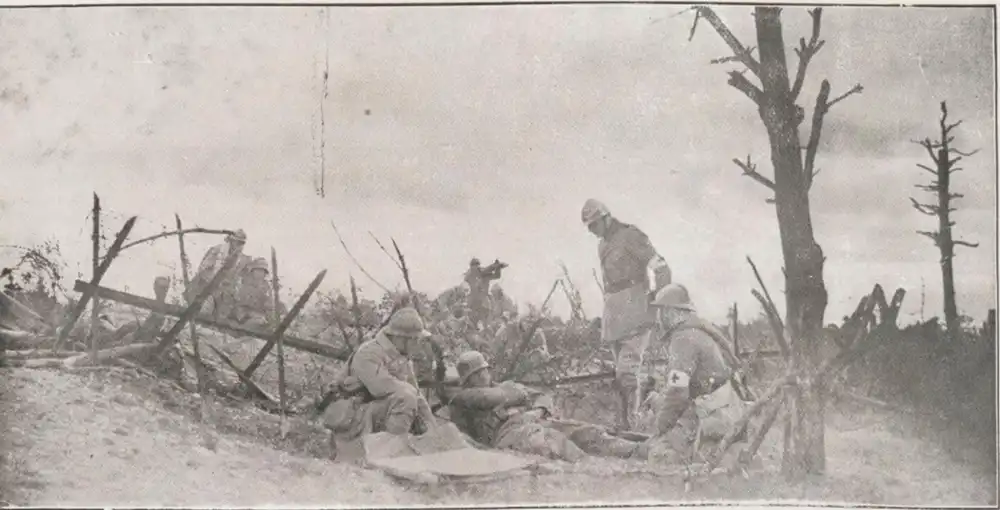
The whole thing moves at a pace that would make a snail seem frantic. It’s not just slow; it’s almost **glacial**. You could probably make a sandwich, eat it, and come back without missing any critical plot point. I found myself checking my watch a few times, not gonna lie. 🥪
Albert Bras, his mustache is quite something. A character in itself, really. It deserves its own credit. Seriously. It commands attention more than some of the actual performances. 🧔♂️
The intertitles are charming, in their own way, if a bit dramatic. They try to explain so much of the emotional stakes, but then the scene itself doesn't always live up to the grand pronouncements. There’s a disconnect there.
There’s a moment where a character, I think it was René Lacoste, is supposed to be heartbroken. But his face is just… neutral. It’s almost like he just remembered he left the stove on or something. An interesting acting choice, if that’s what it was. Or maybe just a different era's idea of emotional depth.
It’s not trying to be anything like Moral Suicide, that’s for sure. This one feels more earnest, less cynical. Perhaps *too* earnest, sometimes. It wears its heart on its sleeve, even if that heart is a bit dusty now.
The movie kind of just… ends. No big climax, no grand resolution. Just a fade to black after another shot of a picturesque but slightly blurry landscape. *Hmm*. It feels less like a conclusion and more like they just ran out of film. 🎬
I mean, for its time, it must have been *something*. A big deal, perhaps. But viewing it now, through a modern lens, it’s a different beast entirely. It’s a historical document more than a captivating film experience. If you go in with that mindset, you might find something interesting. Otherwise, prepare to be bored. Very, very bored.
IMDb —
1932
Community
Log in to comment.