DbcultAccessing Vault...
6.5/10
Senior Film Conservator
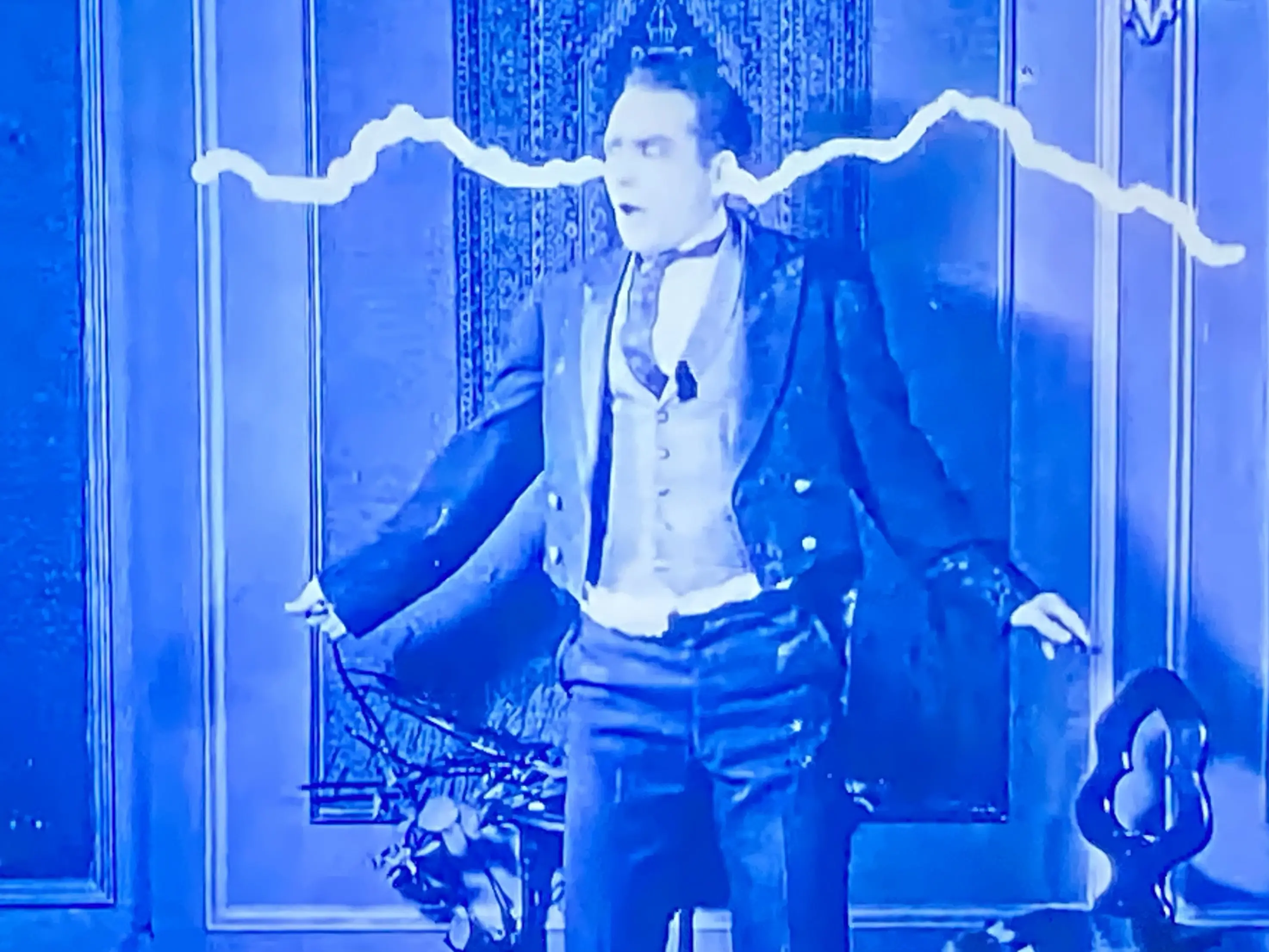
A definitive 6.5/10 rating for a film that redefined the boundaries of cult cinema. The Speedy Marriage remains a cornerstone of transgressive art.
Is The Speedy Marriage a silent film worth your precious time in the 21st century? Short answer: yes, but only if you approach it with the right expectations and a genuine appreciation for the foundational antics of early cinematic comedy.
This film is for the cinephile, the historian, and anyone curious about the genesis of screwball comedy. It is decidedly not for those seeking modern pacing, nuanced character development, or a narrative free from the often-problematic tropes of its era. If you struggle with the visual language of silent cinema, this may not be your entry point.
Edward Ludwig's The Speedy Marriage, a silent-era relic, presents a narrative so brazenly simple, yet so effective, that it has echoed through the decades, influencing countless comedies that followed. At its core, it’s a race against the clock, a matrimonial sprint dictated not by love, but by the cold, hard reality of an impending inheritance deadline. Wanda, played with commendable gusto by Wanda Wiley, finds herself in this unenviable predicament, needing a husband by 5 P.M. to secure her future. This isn't just a plot device; it's the engine of the entire film, a relentless ticking hand that propels the story forward with a breathless, almost desperate energy.
The film doesn't waste time on exposition or character backstories. We are thrown directly into Wanda's crisis, a narrative choice that, while perhaps born of the era's filmmaking conventions, serves to amplify the urgency. Her frantic search for a suitable, or at least available, spouse becomes a whirlwind tour through the social landscape of the time, highlighting the absurdities of contractual love and the lengths to which individuals might go for financial security.
In silent cinema, acting is a language of the body, a symphony of exaggerated gestures, facial expressions, and physical comedy. The Speedy Marriage excels in this regard, largely due to the committed performances of its lead actors.
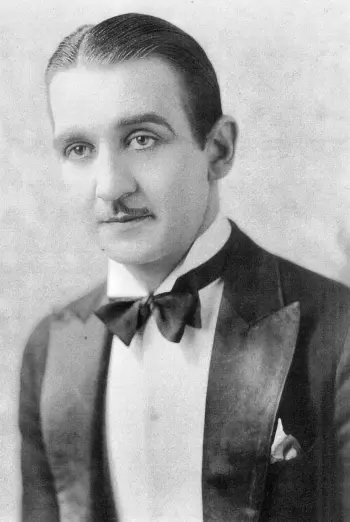
Wanda Wiley, as the desperate bride-to-be, carries the film on her shoulders. Her performance is a masterclass in silent-era pantomime, conveying a spectrum of emotions from panicked despair to cunning determination with remarkable clarity. Consider the scene where she first realizes the gravity of her deadline: her eyes widen to saucers, her hands fly to her temples, and her entire body seems to crumple under the weight of the impending loss. It’s over-the-top, certainly, but it’s precisely what the medium demanded, and she delivers it with an infectious energy.
Charles King, likely playing the unwitting suitor or a rival, complements Wiley’s performance with his own brand of physical comedy. His exaggerated double-takes and pratfalls provide much of the film's broader humor. There's a particular sequence where he unknowingly thwarts Wanda's attempts to secure another groom, resulting in a series of increasingly elaborate, almost balletic, physical mishaps. It’s the kind of slapstick that feels both spontaneous and meticulously choreographed, a hallmark of skilled silent performers.
Hugh Saxon and Rennie Renfro, in their supporting roles, add texture to the comedic chaos. Their characters often serve as foils or additional obstacles, their reactions amplifying the absurdity of Wanda's plight. While their performances are less central, they contribute to the overall frantic tone, ensuring that the comedic energy rarely dips.
While often lauded for its pioneering spirit, The Speedy Marriage inadvertently reveals the limitations of early narrative structure, often prioritizing plot mechanics over genuine emotional resonance. The characters are functions of the plot, not fully realized individuals, a common trade-off in early farces.
Edward Ludwig, a prolific director of the era, navigates the simple premise of The Speedy Marriage with a clear understanding of its comedic potential. His direction is characterized by a brisk pace and a focus on visual storytelling, essential elements for a silent comedy.
Ludwig’s use of cross-cutting is particularly effective in building suspense and humor. He frequently cuts between Wanda’s desperate attempts to find a husband and the relentless ticking hands of various clocks, often superimposed or shown in dramatic close-up. This simple technique elevates the clock from a mere plot device to an almost antagonist, a silent, unforgiving character driving the narrative forward. The increasing frequency of these cuts as the deadline approaches generates genuine tension, even amidst the comedic antics.
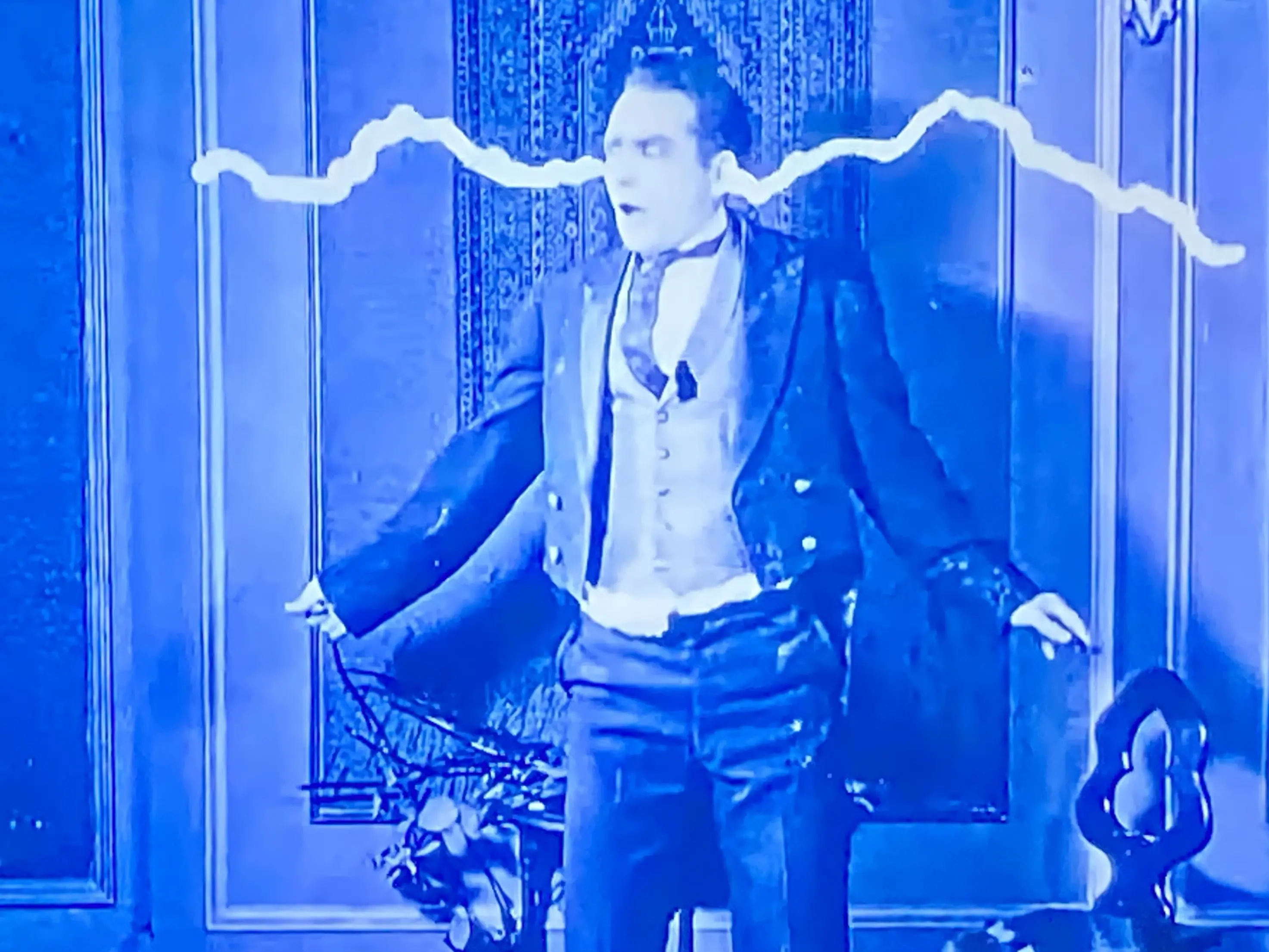
The staging of the chase sequences, which are inevitable in a film about a race against time, demonstrates Ludwig's skill in choreographing movement. Whether it’s Wanda dashing through crowded city streets or navigating the chaotic interiors of a registry office, the camera work, while static by modern standards, captures the frenetic energy. There's a notable sequence where Wanda, having just secured a reluctant suitor, must physically drag him through a bustling marketplace, the camera tracking their struggle amidst the market stalls, creating a sense of palpable effort and desperation.
The cinematography in The Speedy Marriage, while adhering to the technical limitations of its time, effectively serves the story. The reliance on clear, well-lit shots ensures that the audience can follow the physical comedy and the actors' expressions without difficulty. Close-ups are used sparingly but effectively, often to highlight Wanda's escalating panic or a crucial plot detail like the time on a watch.
The film's visual style is functional rather than overtly artistic. However, within this functionality, there are moments of cleverness. For instance, the use of deep focus in certain scenes allows multiple comedic actions to unfold simultaneously within the frame, rewarding attentive viewers. Imagine a background character inadvertently causing a disruption while Wanda is in the foreground, desperately pleading with a potential groom – this layered action enriches the visual humor.
Set design, too, plays a crucial role. The various locations, from Wanda's elegant but increasingly disheveled home to the bustling municipal offices and public spaces, are rendered with enough detail to ground the absurdity. The contrast between the formal settings and the chaotic events unfolding within them is a source of much of the film's comedic friction. The cluttered, bureaucratic feel of the marriage license office, for example, becomes another obstacle in Wanda's path, its very architecture seeming to conspire against her.
The pacing of The Speedy Marriage is, as its title suggests, swift. The narrative moves at a relentless clip, driven by the ticking clock and Wanda's increasingly desperate actions. There are few moments of respite, ensuring that the audience remains engaged in the unfolding chaos.
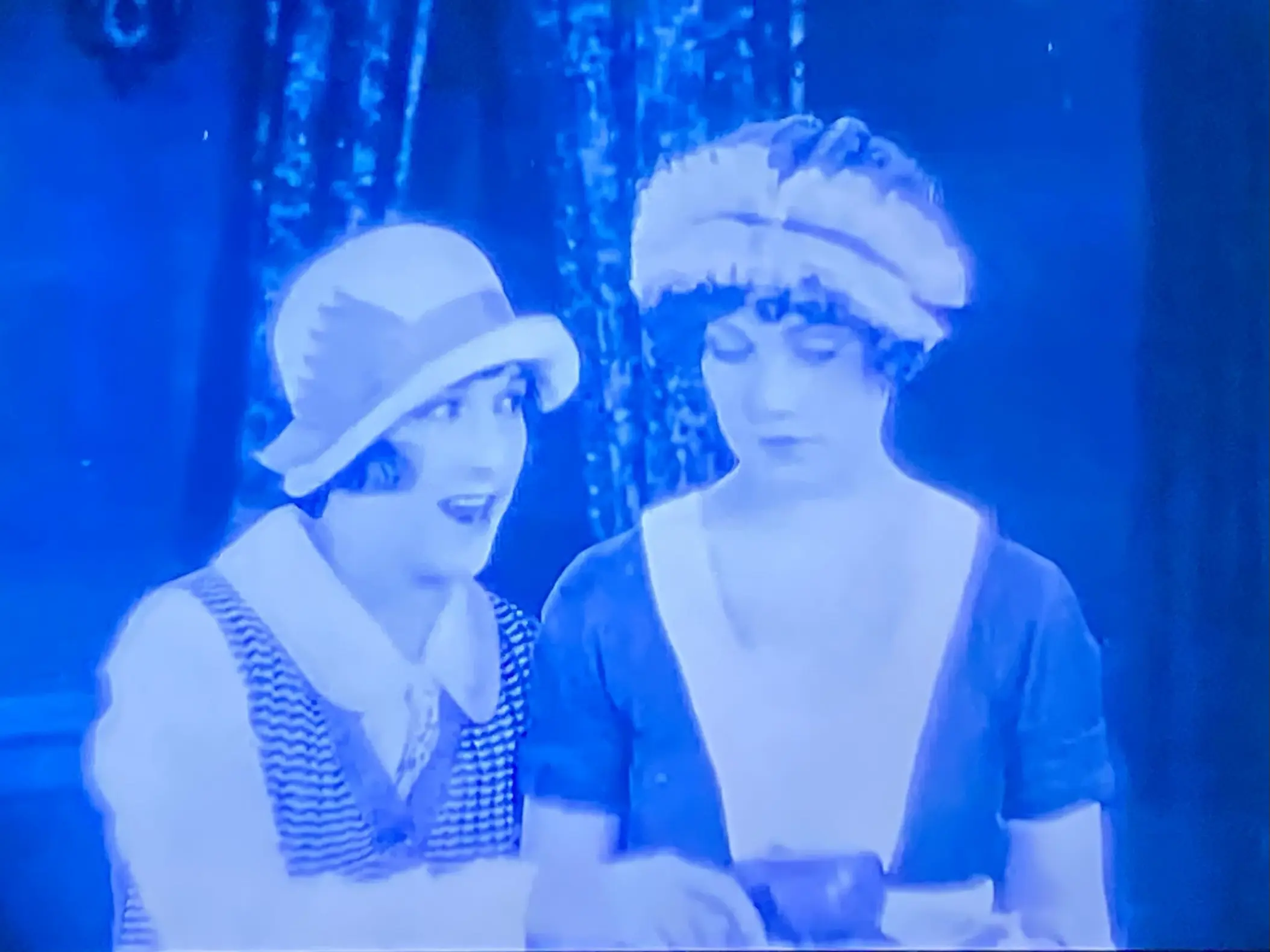
However, for a modern audience accustomed to rapid-fire editing and complex narratives, the 'swiftness' of a silent film can still feel deliberate. The longer takes and reliance on visual information mean that while the plot progresses quickly, the individual scenes can feel extended. This is not a flaw of the film itself, but rather a characteristic of its era, and something contemporary viewers must adjust to.
The tone is overwhelmingly farcical. It's light, often silly, and never takes itself too seriously. Even Wanda’s dire financial situation is treated as a springboard for comedy rather than a source of genuine pathos. This unwavering commitment to humor, even in the face of what should be a stressful situation, is key to the film's charm. It's a world where problems are solved not by introspection, but by frantic action and improbable coincidences.
Perhaps the most subversive element isn't Wanda's frantic quest, but the film's quiet indictment of societal pressures that link a woman's financial security directly to her marital status – a theme still disturbingly relevant, despite the comedic veneer. This underlying critique, however unintentional, gives the film a surprising depth.
To fully appreciate The Speedy Marriage, one must place it within its historical context. Silent films were the dominant form of cinematic entertainment, and storytelling conventions were still evolving. The emphasis was on clear visual narratives, broad characterizations, and spectacle.
This film, like many of its contemporaries, contributed to the nascent language of film comedy. Its central premise, the 'marriage of convenience' under duress, became a staple of the romantic comedy genre, evolving into the sophisticated screwball comedies of the 1930s like It Happened One Night (though a different era) or even later, more frantic rom-coms. It’s a foundational text for understanding how narrative tension could be generated through arbitrary deadlines.
Comparing it to other films of its time, such as the dramatic Blind Love or the more literary adaptation of Hamlet, highlights The Speedy Marriage's distinct comedic ambition. It prioritizes laughter and escapism over weighty themes, a valuable contribution to the diverse cinematic landscape of the early 20th century. While it may lack the grand scale of some epics, its focused comedic energy is undeniable.
The Speedy Marriage is a fascinating piece of cinematic history, a whirlwind of frantic energy and foundational comedy. It’s a relic. But a charming one. For those willing to engage with the unique language of silent film, it offers a delightful, if straightforward, romp.
Edward Ludwig’s direction keeps the narrative hurtling towards its deadline, and Wanda Wiley's performance is a standout, embodying the desperation and comedic spirit required. While it lacks the nuance and depth of later films, its unapologetic commitment to farce and its pioneering use of the 'ticking clock' motif make it worthy of rediscovery.
It works. But it’s flawed. Ultimately, The Speedy Marriage isn't just a film; it's a window into the origins of cinematic comedy, a testament to the enduring power of a simple, high-concept premise, and a reminder that sometimes, all you need is a deadline and a desperate protagonist to create engaging entertainment. Watch it for its historical significance and its pure, unadulterated, silent-era fun.
IMDb 6.3
1931
Community
Log in to comment.