DbcultAccessing Vault...
Cult Review
Senior Film Conservator
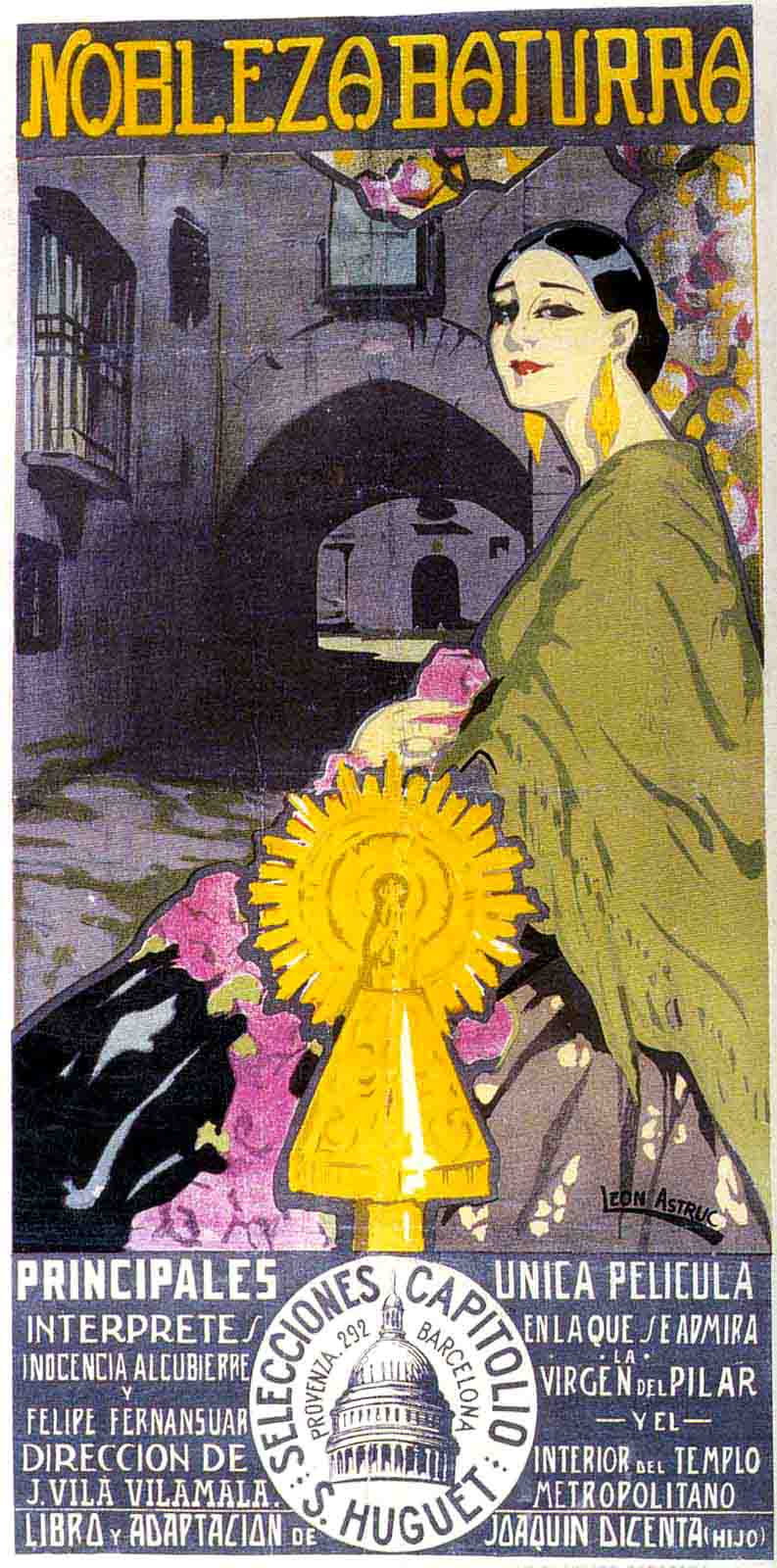
Is this 1923 silent relic worth your time today? Short answer: only if you approach it as a cultural autopsy rather than a Friday night thrill.
This film is for historians of European cinema and those fascinated by the rigid social hierarchies of early 20th-century Spain. It is decidedly NOT for anyone seeking fast-paced action or the nuanced character arcs found in modern drama.
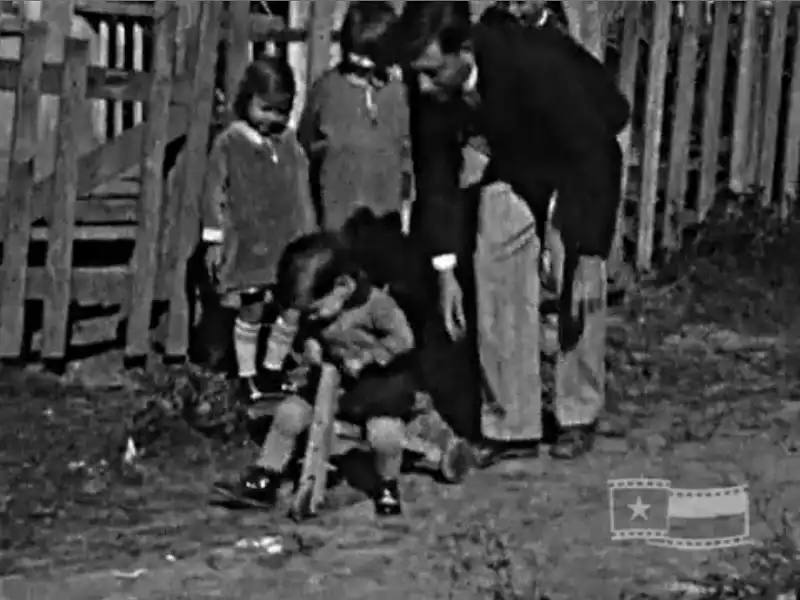
1) This film works because it captures the raw, unpolished atmosphere of the Spanish countryside with a grit that Hollywood contemporaries often lacked.
2) This film fails because its moral binary is so rigid that it leaves no room for the characters to breathe as human beings.
3) You should watch it if you want to see the foundational DNA of the Spanish melodrama before it was sanitized by later studio systems.
Nobleza Baturra is a film obsessed with the concept of 'nobleza,' or nobility, not as a title but as a character trait. In the context of 1923 Spain, this was a radical assertion.
The film argues that the poor peasant possesses a nobility of spirit that the wealthy suitor lacks. It is a simple theme, but it is executed with a heavy hand.
Unlike the more sophisticated social satires like Lady Windermere's Fan, Nobleza Baturra doesn't hide its intentions. It shouts them from the rooftops.
The pacing is deliberate, bordering on glacial. This is common for the era, but here it feels particularly pointed, as if the film is forcing the audience to sit in the discomfort of the protagonist's dilemma.
Elvira Rojas carries the emotional weight of the film. In silent cinema, the eyes are the primary script, and Rojas uses hers to convey a sense of impending doom.
There is a specific scene where she sits between her parents, listening to them extol the virtues of the rich suitor. Her stillness is more communicative than a five-minute monologue.
Compare her performance to the more theatrical style seen in Her Silent Sacrifice. Rojas is more grounded, less prone to the wild gesticulations that often date silent films.
The supporting cast, however, falls into the trap of caricature. The wealthy suitor is so oily you can almost feel the grease through the screen.
The camera work in Nobleza Baturra is surprisingly effective when it steps out of the indoor sets. The wide shots of the Aragonese fields are the film's greatest asset.
These landscapes don't just provide a backdrop; they reinforce the idea that these characters are products of their environment. The land is hard, and so are the people.
This aesthetic choice reminds me of the naturalistic approach in Sången om den eldröda blomman, where nature acts as a mirror to human passion.
However, the interior scenes feel cramped and stagey. It is clear that the production was more comfortable under the open sky than under studio lights.
Joaquín Dicenta, who wrote the original play, was a man of his time. His writing is heavy with the weight of 'The Message.'
The dialogue—delivered via intertitles—is often clunky. It lacks the wit found in The Ghost of Rosy Taylor or the narrative economy of The Frame-Up.
The plot is predictable. From the moment the poor lover is introduced, we know exactly where this is going. There are no subversions here.
It works. But it’s flawed. The lack of a middle ground makes the conflict feel more like a lecture than a story.
If you are looking for entertainment, the answer is no. If you are looking for a window into the soul of early 20th-century Spain, the answer is yes.
Nobleza Baturra offers a look at a world that no longer exists—a world where a woman's choice was a communal property. It is a frustrating watch because the stakes are so high for such a simple decision.
Compared to the lightheartedness of Puppy Love, this is a somber, almost religious experience. It demands your patience and offers very little in the way of catharsis.
Nobleza Baturra is a museum piece. It is fascinating to look at, and it tells us a great deal about the culture that produced it, but it is not a 'living' film that speaks to modern sensibilities.
The film’s central conflict—money versus love—is as old as time, but the way it is framed here feels uniquely Spanish and uniquely of its period. It lacks the universal grace of The Prodigal Son.
"A stark, unyielding look at the cost of honor in a land that values tradition over happiness."
If you can stomach the melodrama and the sluggish speed, there is a certain beauty to be found in its simplicity. It is a film of hard edges and soft light. It is a relic, yes, but a relic that still has the power to provoke thought about how far we have—or haven't—come.
IMDb 5.3
1919
Community
Log in to comment.