DbcultAccessing Vault...
4.7/10
Senior Film Conservator
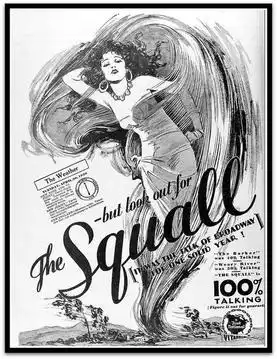
A definitive 4.7/10 rating for a film that redefined the boundaries of cult cinema. The Squall remains a cornerstone of transgressive art.
If you are looking for a masterpiece of early cinema, keep walking. This is not that. The Squall is mostly for people who want to see Myrna Loy before she became the sophisticated lady we all know from later films.
I think most people would hate this today because it is so slow and the acting is incredibly broad. But if you have a soft spot for 1920s weirdness, there is something here. ⛈️
The whole thing takes place in this one farmhouse in Hungary. It feels like a stage play because it basically is one. You can tell the camera is stuck in a big soundproof box because it barely moves at all.
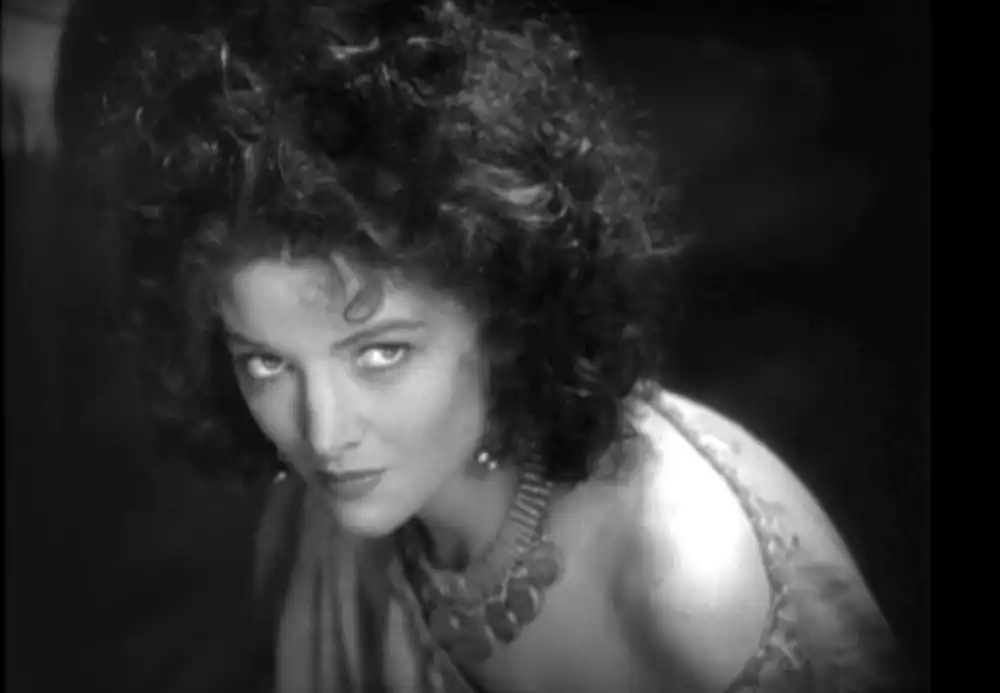
The movie starts with this big storm, the "squall" from the title. The sound of the rain is so loud it almost drowns out the actors. It sounds like someone is dumping a bag of gravel onto a tin roof right next to the microphone.
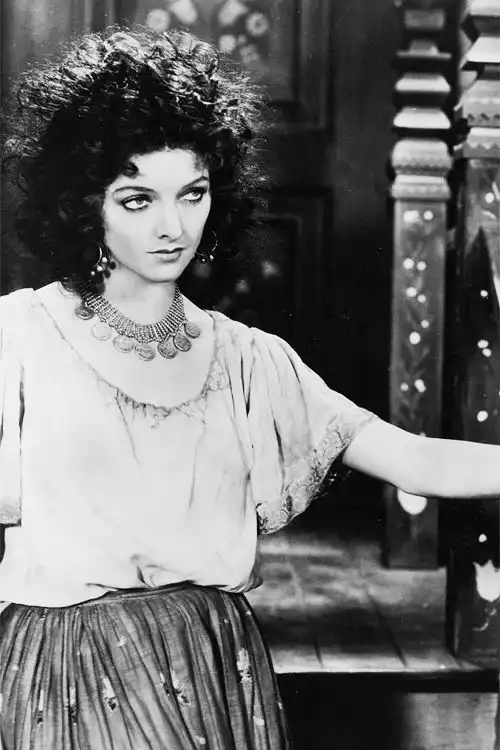
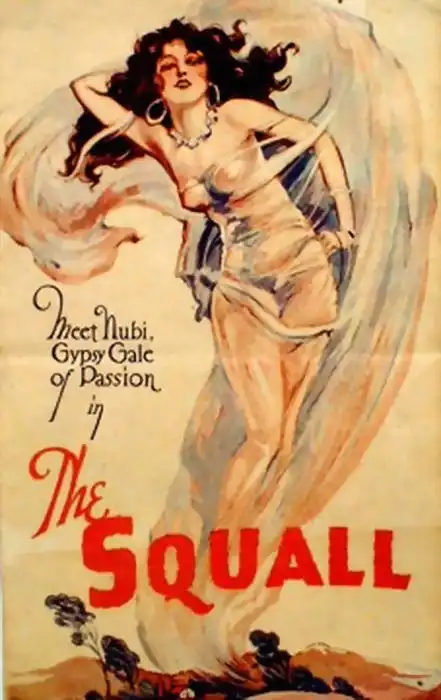
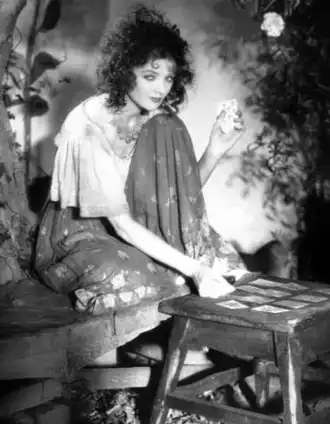
Then Nubi shows up. Myrna Loy plays her with this very dark makeup and a heavy, fake accent that is hard to take seriously. "Nubi good girl, Nubi stay?" she asks, and you just know things are going to get messy.
She is supposed to be a gypsy girl running away from an abusive husband. But mostly she just seems to be there to cause trouble for the men of the house. It happens so fast it’s almost funny.
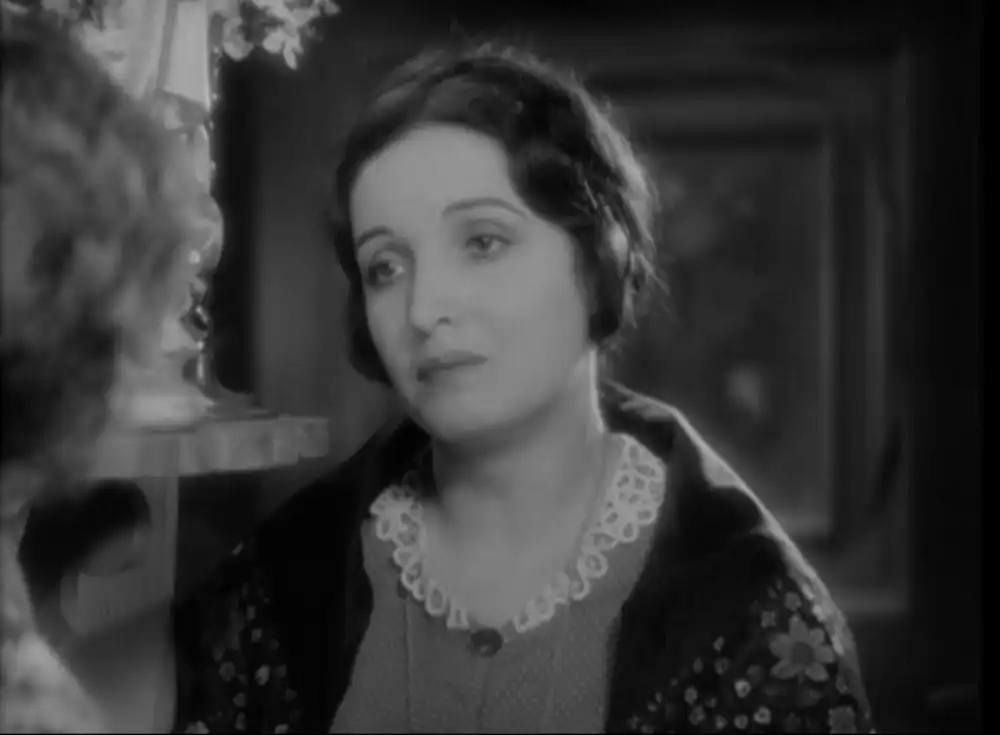
One minute the family is praying and being wholesome, and the next, the father and the son are basically fighting over who gets to look at Nubi. The father, played by Richard Tucker, has this one expression where his eyes just bug out. It is supposed to be desire, but he looks like he’s having a medical emergency.
The women in the house are much more interesting to watch, even if they don't have as much to do. Alice Joyce plays the mother and she looks like she is physically pained by everything happening. She has this very still, quiet way of acting that makes everyone else look like they are overdoing it.
And then there is Loretta Young! She is so young here, maybe fifteen or sixteen? She plays the daughter and she has this incredibly porcelain face. It is weird seeing her so early in her career, especially compared to something like The Invisible Bond where things feel a bit more grounded.
I noticed that the lighting in the kitchen scenes is actually pretty decent. There is this one shot where the light hits the steam coming off a pot and it looks genuinely beautiful for about three seconds. Then someone starts talking again and the spell is broken.
Zasu Pitts is also in this, doing her usual nervous-hand-wringing thing. I usually like her, but she feels like she wandered in from a different movie. Maybe from something like Kill or Cure or a comedy short.
The dialogue is the real killer here. Since sound was so new, they felt the need to talk all the time. And they talk slowly. So. Very. Slowly. Like they are afraid the microphone won't catch the words if they speak at a normal human speed.
There is a scene where Nubi is sitting on the floor and playing with some beads. The way she looks at the son is so exaggerated. It’s like she’s trying to hypnotize him with her eyelashes. It’s pure camp, even if they didn't mean it to be back then.
I found myself wondering about the logistics of the house. It seems huge but also tiny at the same time. People are always eavesdropping from just around a corner that shouldn't be there. It reminds me of the weird stage-logic you see in Nearly a King.
The ending comes on pretty fast and it’s kind of a letdown. After all that building up of the storm and the drama, it just sort of... stops. The husband shows up to take Nubi away and the family just goes back to normal? I don't buy it for a second.
The son looks like he’s going to be depressed for the next ten years, but the movie wants us to think everything is fine now. It’s one of those endings that feels like the writer just ran out of paper.
Is it a good movie? No, probably not. It’s clumsy and the racial stereotyping is pretty uncomfortable. But as a piece of history, it’s kind of fascinating to watch Myrna Loy try so hard to be a "vamp."
She’s much better in The Shadow on the Wall, where she actually gets to be a person. Here she is just a plot device with a lot of eye shadow.
I did like the costume design for the gypsy characters, even if it was all very Hollywood-imaginary. The layers of skirts and the jewelry made a nice clinking sound that the microphones actually picked up well. Small wins, I guess.
If you are bored on a Sunday and want to see how movies struggled to find their voice when sound first arrived, give it a look. Just don't expect to be moved by the "emotional" moments. You will probably just end up laughing at the father's facial expressions like I did. 😂
One more thing—the print I saw was a bit grainy, which actually helped the atmosphere. It made the "squall" look a bit more menacing than it probably was. The shadows in the barn scene were actually quite spooky.
Anyway, it’s a weird one. Not quite a disaster, but definitely not a classic. It’s just... The Squall.
IMDb —
1936
Community
Log in to comment.