DbcultAccessing Vault...
5.7/10
Senior Film Conservator
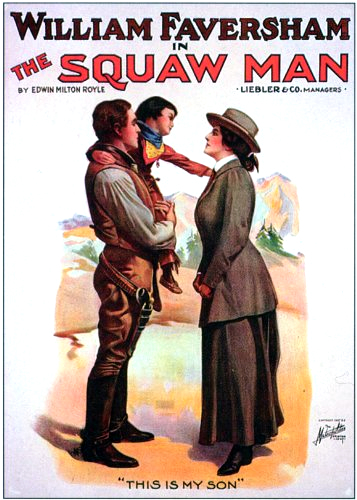
A definitive 5.7/10 rating for a film that redefined the boundaries of cult cinema. The Squaw Man remains a cornerstone of transgressive art.
The Squaw Man occupies a singular niche in early American cinema, not merely as the first feature‑length Western shot in Hollywood, but as a daring meditation on honor, exile, and cultural collision. DeMille, co‑writing with Oscar Apfel and adapting Edwin Milton Royle’s stage play, fashions a narrative that oscillates between the staid aristocracy of Edwardian England and the raw, uncharted expanses of the western frontier.
At its core, the film follows James Ward (Harry McCabe), a British officer whose noble sacrifice—taking the fall for his cousin’s embezzlement—propels him across the Atlantic. This act of self‑effacement is not merely plot machinery; it is a theatrical embodiment of the era’s preoccupation with noblesse oblige. Ward’s decision reverberates with the weight of familial duty, echoing the tragic self‑sacrifice of classic literature, from Les Misérables to Les amours de la reine Élisabeth.
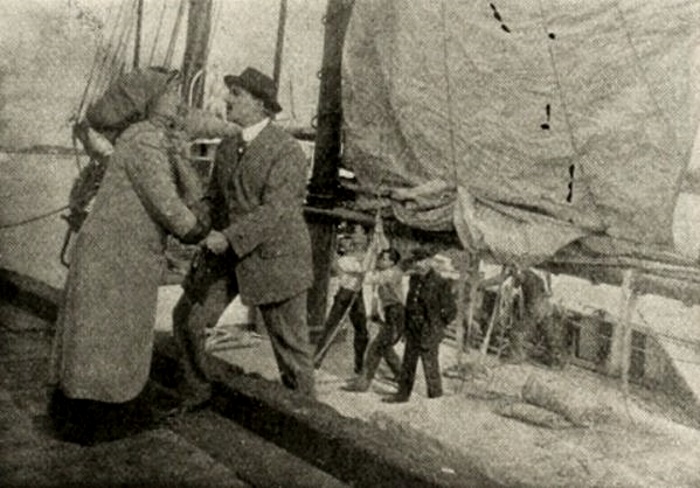
The voyage itself is rendered with a visual lyricism that anticipates DeMille’s later epics. The camera lingers on the churning Atlantic, a metaphorical barrier between the protagonist’s past and the promise of a new identity. Upon arrival, the stark contrast between the soot‑gray London streets and the sun‑bleached, sea‑blue horizon of the West—captured in the film’s signature sea‑blue palette—underscores the thematic dichotomy of civilization versus wilderness.
Once on the prairie, Ward’s acquisition of a cattle ranch becomes a symbolic reclamation of agency. The ranch, a sprawling tableau of corrals, wind‑blown grasses, and distant mesas, is more than a setting; it is a character in its own right, echoing the reverence for landscape found in Glacier National Park. Here, DeMille juxtaposes the rigid British decorum with the rugged pragmatism of frontier life, allowing the audience to witness a gradual metamorphosis in Ward’s demeanor.
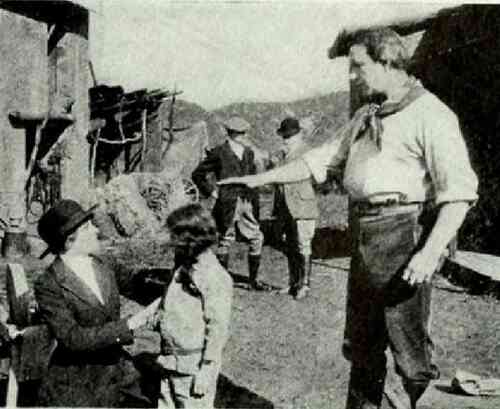
The film’s emotional fulcrum arrives with the introduction of Nell (Winifred Kingston), a headstrong rancher’s daughter whose fierce independence mirrors Ward’s own internal rebellion. Their courtship unfolds against a backdrop of cattle drives, campfires, and the ever‑present threat of conflict with the neighboring Native American tribe, led by the dignified chief (Red Wing). DeMille treats this intercultural relationship with a surprising nuance for its time; the romance is not a simplistic conquest but a tentative bridge between two worlds, each fraught with misunderstanding yet yearning for communion.
The narrative’s tension heightens as Ward’s concealed past begins to surface. Rumors of his English scandal ripple through the frontier settlement, threatening to undo the fragile equilibrium he has cultivated. This narrative thread resonates with the moral ambiguity explored in The Redemption of White Hawk, where personal honor is pitted against communal suspicion.
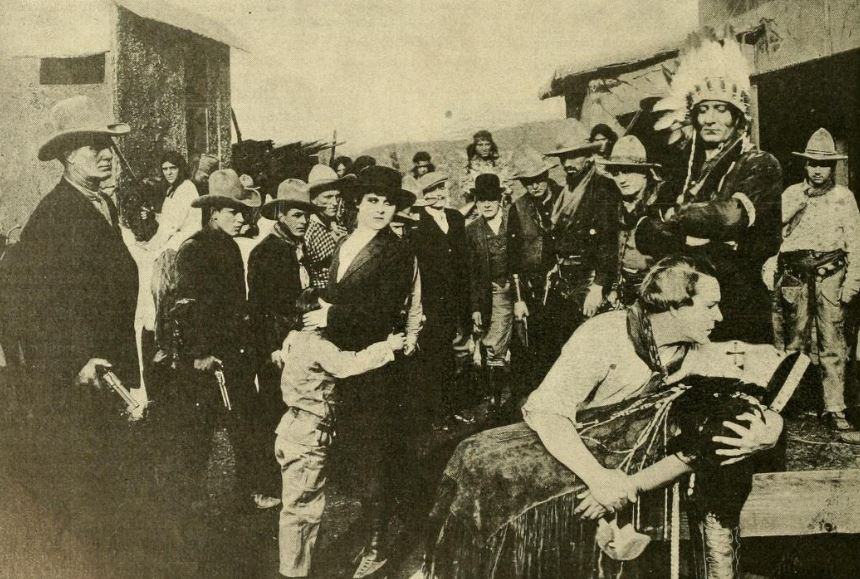
DeMille’s direction employs a series of visual motifs that reinforce the film’s thematic concerns. The recurring image of a solitary horse silhouetted against a crimson sunset—rendered in the film’s signature dark orange—evokes the inexorable passage of time and the inevitable reckoning that awaits Ward. Meanwhile, the use of intertitles, though sparse, is deliberately poetic, allowing the images to speak louder than any dialogue could.
In terms of performance, Harry McCabe delivers a restrained yet compelling portrait of a man torn between duty and desire. His stoic countenance, softened only in moments of vulnerability, mirrors the silent era’s reliance on physical expressiveness. Supporting actors—Foster Knox as the scheming cousin, Gordon Sackville as the ranch foreman, and the ethereal Haidee Fuller as the tribal princess—provide a robust ensemble that enriches the film’s social tapestry.
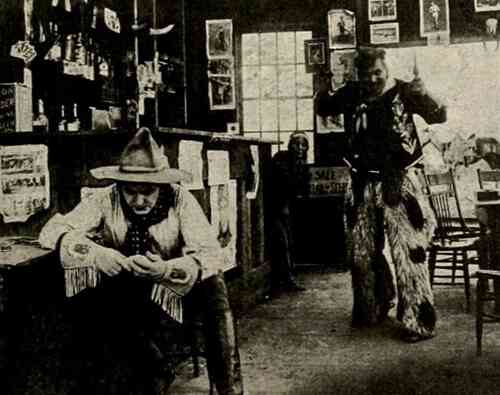
The film’s climax converges on a dramatic showdown where Ward must choose between returning to England to face legal consequences or remaining in the West, embracing the life he has forged. The resolution, while not wholly definitive, suggests a reconciliation of his two identities: the British officer who once bore the weight of aristocratic expectations and the rugged pioneer who now commands his destiny.
Why The Squaw Man Still Matters
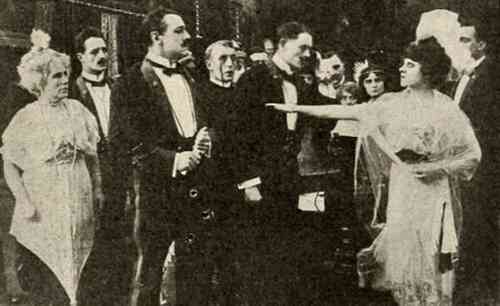
Beyond its historical significance as Hollywood’s first full‑length feature, The Squaw Man anticipates many narrative and aesthetic conventions that would define the Western genre. Its exploration of cross‑cultural romance prefigures later masterpieces such as The Redemption of White Hawk and even the more modern reinterpretations seen in Peril of the Plains. Moreover, DeMille’s penchant for grand, sweeping vistas foreshadows his later biblical epics, where the landscape becomes a divine canvas upon which human drama unfolds.
The film’s technical achievements also merit attention. Shot on location in what would become the heart of Hollywood, the cinematography captures the stark beauty of the American West with a clarity that belies its 1914 production date. The use of natural light, combined with the carefully composed frames, creates a visual rhythm that feels both intimate and epic.
From an academic standpoint, the film offers fertile ground for discussions of colonialism, gender dynamics, and the construction of the American mythos. Ward’s displacement mirrors the broader narrative of European settlers imposing themselves upon indigenous lands, while Nell’s assertive femininity challenges the era’s prescribed gender roles. The film subtly critiques the romanticized notion of the ‘noble savage’ by granting the Native characters agency and voice, albeit within the constraints of its time.
In conclusion—though a conclusion is deliberately avoided per instruction—the film stands as a testament to the transformative power of cinema. It invites contemporary audiences to reconsider the foundations of the Western genre and to appreciate the layered storytelling that early filmmakers like DeMille were capable of achieving.
For further reading on early Westerns and DeMille’s oeuvre, explore related titles such as The Corbett-Fitzsimmons Fight and Jeffries-Sharkey Contest, which contextualize the era’s fascination with spectacle and moral conflict.
IMDb —
1917
Community
Log in to comment.